Malaria Prevention on Safari: Tablets, Nets, and Repellent Habits
Malaria prevention is an important part of planning a safari in East Africa. Uganda, Kenya, Tanzania and Rwanda offer remarkable wildlife experiences, but malaria transmission occurs in many areas, particularly at lower elevations and in warmer environments.
Fortunately, travellers can significantly reduce their risk by combining appropriate preventive medication with effective mosquito protection.
Understanding malaria prevention on safari helps you prepare for game drives, gorilla trekking, camping, lodge stays and evening activities.
Prevention involves several practical measures, including taking prescribed malaria tablets, sleeping under mosquito nets, applying insect repellent and wearing suitable clothing.
The level of malaria risk depends on your destination, season, accommodation and personal circumstances.
Understanding Malaria Risk in East Africa
Malaria is an infectious disease caused by parasites transmitted through bites from infected female Anopheles mosquitoes.
These mosquitoes generally feed between dusk and dawn.
Malaria can cause serious illness and requires prompt diagnosis and treatment.
Where Is Malaria Found?
Malaria transmission occurs in many parts of East Africa.
However, risk varies between countries and locations.
| Safari destination | General malaria considerations |
|---|---|
| Uganda | Malaria risk occurs throughout much of the country |
| Kenya | Risk varies by region and altitude |
| Tanzania | Risk affects many lower-altitude areas |
| Rwanda | Malaria risk occurs in several regions |
| Zanzibar | Malaria prevention remains important |
Higher-altitude locations may have lower transmission risk than surrounding lowlands.
Nevertheless, travellers should obtain destination-specific medical advice.
1. Malaria Prevention Tablets for Safari Travellers
Preventive malaria medication is called chemoprophylaxis.
These medicines reduce the likelihood of developing malaria when taken correctly.
Several options are available, but the appropriate choice depends on your health, destination and travel duration.
Atovaquone-Proguanil
Atovaquone-proguanil is commonly prescribed for malaria prevention.
It is usually taken daily.
Travellers generally begin taking it one or two days before entering a malaria-risk area.
Treatment continues throughout the stay and for seven days after leaving.
Doxycycline
Doxycycline is another commonly used preventive medicine.
It is generally taken daily, beginning one or two days before exposure.
Travellers continue taking it during their stay and for four weeks after leaving the risk area.
Doxycycline can increase sensitivity to sunlight.
It is unsuitable for certain travellers, including pregnant women and children younger than eight years.
Mefloquine
Mefloquine is taken weekly.
It must generally be started at least two weeks before entering a malaria-risk area.
Travellers continue taking it during exposure and for four weeks afterwards.
It is unsuitable for people with certain psychiatric conditions, seizure disorders or other medical concerns.
Comparing Malaria Tablets
| Medication | Frequency | Typical starting time | Continue after leaving |
|---|---|---|---|
| Atovaquone-proguanil | Daily | 1–2 days before | 7 days |
| Doxycycline | Daily | 1–2 days before | 4 weeks |
| Mefloquine | Weekly | At least 2 weeks before | 4 weeks |
These are general schedules, not individual prescriptions.
A qualified healthcare professional should select the medicine and dosage appropriate for you.
2. Choosing the Right Malaria Tablets
No single antimalarial medicine is suitable for every traveller.
Your healthcare professional should consider several factors.
Medical History
Existing medical conditions may affect which medicines are safe.
Inform your clinician about allergies, kidney problems, mental health conditions and other relevant medical concerns.
Pregnancy
Malaria can be particularly dangerous during pregnancy.
Pregnant travellers should seek specialist advice before visiting malaria-risk destinations.
Some preventive medicines are unsuitable during pregnancy.
Children
Children require age-appropriate and weight-based medication.
Never give children adult malaria tablets without professional instructions.
Travel Duration
Short holidays and extended stays may require different considerations.
Medication costs, dosing frequency and possible side effects can influence the most suitable choice.
3. Using Mosquito Nets During Safari Holidays
Mosquito nets provide an important physical barrier against insect bites while sleeping.
They are particularly useful in accommodation without effective window screens or air conditioning.
Insecticide-Treated Nets
Insecticide-treated mosquito nets provide additional protection by reducing mosquito contact.
Many safari lodges and camps supply mosquito nets.
However, availability and condition vary.
Check accommodation arrangements before travelling.
How to Use a Mosquito Net Properly
Before sleeping:
-
Inspect the net for holes.
-
Ensure it covers the entire sleeping area.
-
Tuck loose edges securely beneath the mattress.
-
Avoid sleeping directly against the net.
-
Keep the net closed throughout the night.
If you notice damaged netting, request a replacement where possible.
4. Effective Mosquito Repellent Habits
Insect repellent helps reduce mosquito bites during evening and night-time activities.
Use products containing recognised active ingredients.
DEET-Based Repellents
DEET is a widely used insect repellent.
Products containing approximately 20–50% DEET can provide useful protection, depending on formulation and application.
Follow the product instructions carefully.
Picaridin Repellents
Picaridin, also called icaridin, is another effective option.
It may be preferred by travellers who dislike the smell or feel of certain DEET products.
Applying Repellent Correctly
Apply repellent to exposed skin according to the manufacturer’s instructions.
When using sunscreen, apply sunscreen first and repellent afterwards.
Reapply when required by the product label.
Do not apply repellent directly to wounds, eyes or the mouth.
Children require additional precautions based on age and product recommendations.
5. Clothing That Helps Prevent Mosquito Bites
Appropriate clothing provides another layer of protection.
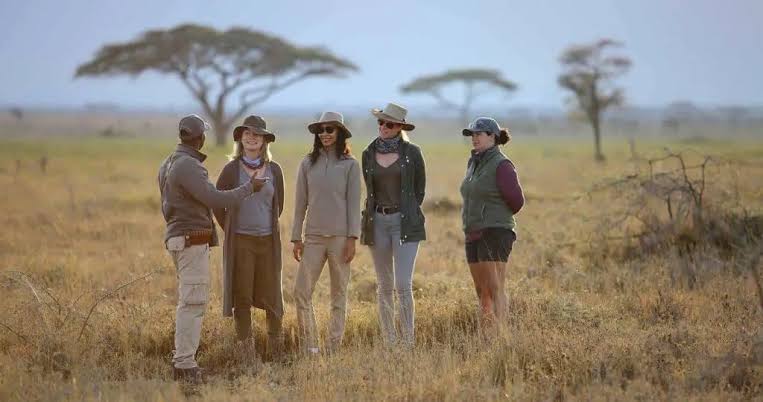
Mosquitoes may bite exposed areas around ankles, arms and legs.
During evenings, choose clothing that covers more skin.
Recommended Safari Clothing
Useful items include:
-
Long-sleeved shirts.
-
Lightweight trousers.
-
Socks covering the ankles.
-
Closed walking shoes.
-
Comfortable clothing suitable for warm evenings.
Loose-fitting fabrics can help reduce mosquito contact.
Some travellers also use clothing treated with permethrin.
Permethrin products should be used on suitable fabrics according to their instructions, never directly on skin.
6. Preventing Mosquito Bites at Safari Lodges
Your accommodation can influence mosquito exposure.
Rooms with properly fitted window screens and air conditioning may reduce the number of mosquitoes indoors.
Evening Room Checks
Before settling down:
-
Close windows without screens.
-
Check doors and mosquito netting.
-
Remove standing water from containers where practical.
-
Use available mosquito protection measures.
-
Keep your sleeping area organised.
Avoid assuming that luxury accommodation completely eliminates mosquito exposure.
7. Malaria Prevention During Game Drives
Many safari activities begin early in the morning or finish around sunset.
These periods may overlap with mosquito activity.
Morning Game Drives
Apply repellent before departure when mosquitoes are active.
Wear clothing appropriate for the temperature.
Carry repellent if your activity continues for several hours.
Evening Game Drives
Evening and authorised night drives may expose travellers to mosquitoes.
Long trousers and sleeves are particularly useful.
Follow your guide’s instructions when stopping near wetlands or water sources.
8. Malaria Prevention During Gorilla Trekking
Gorilla trekking takes place in forest environments where conditions may be humid.
Although malaria risk varies with elevation, travellers should still follow their personalised prevention plan.
Practical Trekking Precautions
Wear long trousers and suitable hiking clothing.
Apply repellent according to product instructions.
Take prescribed medication consistently.
Carry drinking water and avoid unnecessary exposure to insects.
Gorilla trekking visitors should also follow park hygiene requirements designed to protect endangered primates.
9. Common Malaria Prevention Mistakes
Some travellers increase their risk through avoidable mistakes.
Forgetting Medication
Missing prescribed doses may reduce protection.
Set reminders and follow your medication schedule.
Stopping Tablets Too Early
Some preventive medicines must continue for several weeks after leaving a malaria-risk area.
Follow the complete prescribed course.
Depending Only on Mosquito Nets
Nets provide valuable protection during sleep but cannot prevent bites during evening activities.
Combine several prevention methods.
Ignoring Symptoms
Malaria can develop despite preventive medication.
Never dismiss fever because you have been taking tablets.
What to Do if Malaria Symptoms Develop
Malaria symptoms may include fever, chills, headache, muscle aches, fatigue, nausea and vomiting.
Symptoms can resemble other common illnesses.
Seek Medical Attention Promptly
If you develop fever during or after travel in a malaria-risk area, seek urgent medical assessment.
Tell the healthcare professional where you travelled.
Malaria testing is important even when you followed preventive measures.
Do not delay medical care while waiting to see whether symptoms improve.
Malaria can become life-threatening quickly, particularly when caused by Plasmodium falciparum.
Frequently Asked Questions
Do I need malaria tablets for Uganda?
Preventive medication is recommended for many travellers visiting Uganda. Obtain individual advice based on your itinerary and medical history.
Are mosquito nets enough to prevent malaria?
No. Nets reduce exposure during sleep but should be combined with repellent, suitable clothing and prescribed medication where recommended.
Can malaria occur after returning home?
Yes. Symptoms can appear after leaving the affected area, sometimes weeks or longer after exposure.
Can children take malaria prevention tablets?
Yes, suitable medicines are available for some children. Selection and dosage depend on age, weight and medical circumstances.
Is malaria prevention necessary during the dry season?
Yes. Transmission risk may continue during dry periods, depending on the destination.
Malaria prevention on safari requires consistent preparation and practical daily habits.
Appropriate preventive tablets, insecticide-treated mosquito nets, effective repellents and protective clothing can significantly reduce your risk.
Consult a travel health professional before departure and follow the prescribed prevention schedule.
If fever develops during or after your safari, seek urgent medical assessment.
.