Safari Packing List for Uganda: Gear for Trekking and Wildlife Drives
Packing correctly for a Uganda safari makes travelling more comfortable, particularly when your itinerary combines mountain gorilla trekking, chimpanzee tracking, wildlife drives and boat safaris. Uganda has varied landscapes, including tropical forests, open savannahs, wetlands and mountainous areas, so clothing and equipment should suit different activities.
A practical safari packing list for Uganda should include lightweight clothing, comfortable walking shoes, rain protection, insect repellent, binoculars and important travel documents.
You do not need expensive equipment for every activity. However, choosing suitable items can help you manage changing temperatures, uneven forest trails and long hours inside safari vehicles.
Understanding Uganda’s Safari Conditions
Uganda experiences warm temperatures in many lowland areas, while higher elevations can be considerably cooler.
Conditions vary between national parks.
For example, Bwindi’s mountain forests may be wet and muddy, while Murchison Falls can be hot during afternoon game drives.
Rainy and Dry Seasons
Uganda generally experiences two wetter periods, commonly around March to May and September to November, although rainfall varies by region.
The relatively drier periods often occur between December and February and between June and August.
However, rain is possible throughout the year.
Packing should therefore account for sunshine, occasional showers and cooler mornings.
Essential Safari Packing List for Uganda
The following items are useful for most wildlife holidays.
| Item | Recommended quantity | Main purpose |
|---|---|---|
| Lightweight shirts | 4–6 | Daytime activities |
| Long trousers | 2–3 pairs | Trekking and insect protection |
| Walking shoes | 1 pair | Forest trails |
| Comfortable trainers | 1 pair | Travel and lodge activities |
| Rain jacket | 1 | Rain protection |
| Warm fleece | 1 | Cool mornings |
| Wide-brimmed hat | 1 | Sun protection |
| Sunglasses | 1 pair | Wildlife drives |
| Insect repellent | Sufficient for trip | Mosquito protection |
| Binoculars | 1 pair | Wildlife viewing |
| Daypack | 1 | Trekking essentials |
| Reusable water bottle | 1 | Hydration |
Adjust quantities according to your safari duration and access to laundry services.
1. Clothing for Uganda Safaris
Choose comfortable clothing suitable for warm afternoons and cooler mornings.
Lightweight, breathable fabrics work well during ordinary game drives.
Recommended Clothing Colours
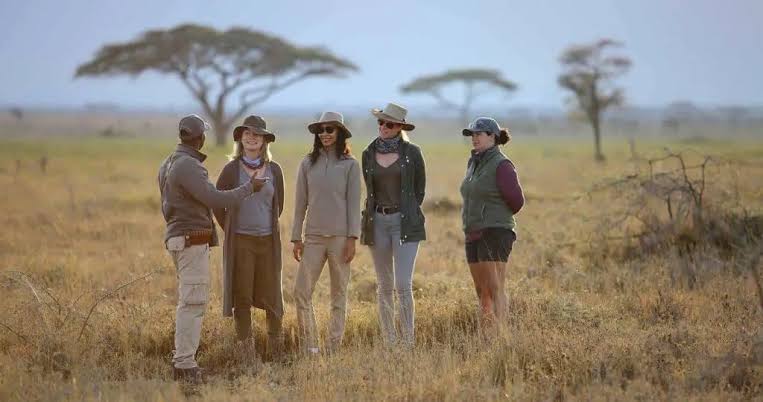
Neutral colours such as khaki, olive, beige and brown are practical for safari activities.
These shades are particularly suitable for walking through natural environments.
Very bright clothing may be distracting during some wildlife encounters.
Dark blue and black can attract tsetse flies in certain areas, although clothing colour alone does not determine exposure.
Long-Sleeved Shirts
Long sleeves help protect your arms against sunlight, insects and vegetation.
They are particularly useful during gorilla trekking and forest walks.
Safari Trousers
Pack comfortable long trousers that allow easy movement.
Avoid clothing that restricts your legs when climbing steep or uneven trails.
Quick-drying materials are useful during wet weather.
2. Footwear for Gorilla Trekking
Footwear is among the most important items for forest trekking.
Mountain gorilla habitats contain steep slopes, slippery trails, roots and thick vegetation.
Waterproof Hiking Boots
Well-fitting hiking boots with reliable grip are recommended.
Ankle support may improve comfort on uneven ground.
Choose footwear that you have already worn before travelling.
New boots can cause blisters during long walks.
Hiking Socks
Pack several pairs of comfortable socks.
Moisture-wicking materials can help reduce discomfort.
Some trekkers tuck trousers into long socks or wear gaiters to reduce contact with insects and vegetation.
3. Rain Protection for Forest Activities
Rain can occur during any month in Uganda’s mountain forests.
A lightweight waterproof jacket is therefore useful even during relatively dry periods.
Choosing a Rain Jacket
Look for a jacket that provides rain protection without restricting movement.
Breathable materials can improve comfort during strenuous trekking.
Avoid carrying unnecessarily heavy raincoats.
Protecting Your Equipment
Use waterproof covers or sealed bags to protect cameras, phones and travel documents.
A rain cover for your daypack is also helpful.
4. What to Pack for Gorilla Trekking
Gorilla trekking requires preparation because walking conditions and trekking duration vary.
Some gorilla groups are located relatively close to starting points, while others require longer hikes.
Essential Trekking Items
Pack the following:
-
Comfortable hiking boots.
-
Long trousers.
-
Long-sleeved shirt.
-
Waterproof jacket.
-
Gardening gloves.
-
Drinking water.
-
Packed lunch or snacks.
-
Small daypack.
-
Camera.
-
Personal medication.
Why Gardening Gloves Are Useful
Gloves can protect your hands when holding vegetation for balance.
They may also reduce contact with rough branches and stinging plants.
Choose lightweight gloves that allow comfortable movement.
Carrying Drinking Water
Carry enough water for your expected activity.
Your guide or trekking operator can advise on a suitable quantity.
For a longer trek, approximately two litres may be reasonable for many adults, but personal needs vary with weather and exertion.
5. Packing for Chimpanzee Tracking
Chimpanzee tracking takes place in forest environments such as Kibale National Park.
Although some trails are less steep than those in mountain gorilla habitats, conditions can still be muddy.
Recommended Equipment
Wear comfortable walking shoes, long trousers and suitable outdoor clothing.
Carry rain protection and drinking water.
Binoculars can be useful when chimpanzees remain high in trees.
A camera with a suitable zoom lens may improve photography opportunities.
Avoid flash photography during primate encounters.
6. Clothing for Wildlife Game Drives
Game drives generally involve spending several hours inside a safari vehicle.
Comfortable clothing is more important than specialised trekking equipment.
Early Morning Drives
Morning temperatures may feel cool, particularly when travelling in open vehicles.
Carry a fleece or lightweight jacket.
You can remove extra layers as temperatures rise.
Afternoon Drives
Afternoons may be hot in lower-altitude parks.
Wear breathable clothing, sunglasses and a hat.
Apply sunscreen to exposed skin.
Carry drinking water and protect electronic equipment from dust.
7. Binoculars and Wildlife Photography Equipment
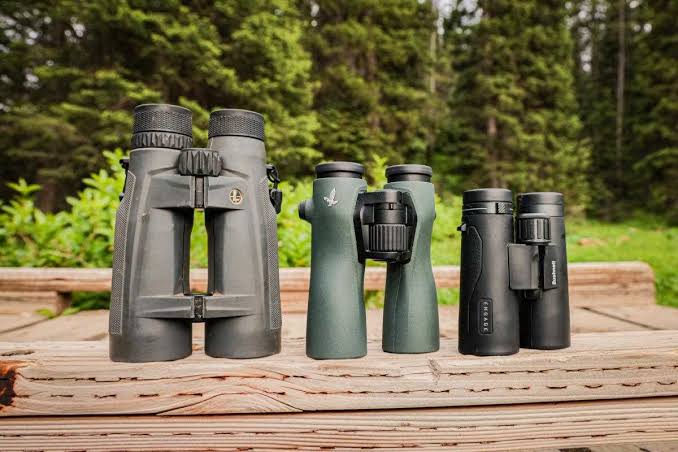
Binoculars can significantly improve wildlife viewing.
They allow you to observe birds, distant mammals and animals concealed within vegetation.
Choosing Binoculars
Binoculars marked 8×42 or 10×42 are popular choices for wildlife observation.
An 8×42 model offers a relatively steady view and wide field of vision.
A 10×42 model provides greater magnification but may be harder to hold steady.
Camera Equipment
A camera with a zoom lens is useful for wildlife photography.
Carry spare batteries and sufficient memory storage.
A soft cleaning cloth helps remove dust from lenses.
Protect equipment during boat trips and rainy conditions.
8. Health and Personal Care Essentials
Personal health items should be included in your safari preparations.
First Aid Supplies
A small personal first aid kit may contain:
-
Adhesive plasters.
-
Antiseptic wipes.
-
Blister dressings.
-
Personal prescription medicines.
-
Oral rehydration salts.
-
Hand sanitiser.
Ask a healthcare professional about additional supplies appropriate for your needs.
Mosquito Protection
Carry effective insect repellent.
Long sleeves and trousers can reduce exposed skin during evening activities.
Use mosquito nets where appropriate.
Consult a travel health professional about malaria prevention before departure.
9. Travel Documents to Carry
Keep essential documents organised and accessible.
Important Documents
You may need:
-
Valid passport.
-
Approved visa authorisation, where required.
-
Flight information.
-
Travel insurance details.
-
Gorilla trekking permit confirmation.
-
Chimpanzee tracking confirmation.
-
Accommodation details.
-
Emergency contact information.
Keep electronic backups in a secure location.
Requirements vary according to nationality and travel history.
10. Luggage for Uganda Safari Vehicles
Safari vehicles have limited luggage space, particularly when several passengers share one vehicle.
Soft-sided travel bags are often more convenient than large hard suitcases.
Choosing a Safari Bag
A practical bag should be:
-
Lightweight.
-
Easy to carry.
-
Durable.
-
Suitable for vehicle storage.
-
Large enough for essential clothing.
Confirm luggage restrictions with your safari operator before departure.
Domestic flights may have stricter weight and baggage limits.
11. Packing for Boat Safaris
Uganda offers boat activities along the Kazinga Channel, River Nile and other waterways.
These excursions provide opportunities to observe hippos, crocodiles and waterbirds.
Useful Boat Safari Items
Carry sunscreen, sunglasses, a hat and drinking water.
A waterproof pouch can protect your phone.
Binoculars are particularly useful for birdwatching.
Keep your camera secure and follow boat crew instructions throughout the journey.
12. Items You Can Leave Behind
Packing too much can make travelling unnecessarily difficult.
Avoid bringing excessive clothing, heavy footwear you will rarely use or bulky equipment without a clear purpose.
Most established safari lodges provide basic accommodation facilities.
Laundry services may also be available.
Confirm what your accommodation provides before packing additional items.
Frequently Asked Questions
What shoes should I wear for gorilla trekking?
Comfortable waterproof hiking boots with reliable grip are recommended for muddy and uneven forest trails.
Do I need warm clothing for Uganda?
Yes. A fleece or lightweight jacket is useful during cool mornings and high-altitude activities.
Are binoculars necessary?
They are not compulsory, but they improve wildlife and birdwatching experiences.
Can I wear shorts on safari?
Shorts may be comfortable during some lodge activities, but long trousers offer better protection during trekking and walking safaris.
Should I bring a waterproof bag?
A waterproof cover or small dry bag is useful for protecting electronic equipment and documents during rain or boat activities.
A well-planned safari packing list for Uganda helps you prepare for different wildlife experiences and changing environmental conditions.
Comfortable clothing, suitable footwear, rain protection, binoculars and personal health supplies are among the most useful items.
Packing carefully allows you to enjoy gorilla trekking, chimpanzee tracking, game drives and boat safaris with fewer unnecessary difficulties.