Solo Female Travel in Uganda: Safety Tips and Practical Advice
Uganda offers memorable travel experiences for women interested in wildlife, nature, culture and outdoor adventures. You can explore national parks, track mountain gorillas, visit Lake Bunyonyi and discover local communities throughout the country.
However, travelling alone requires careful preparation, particularly when choosing transport, accommodation and activities.
Understanding solo female travel in Uganda helps you make informed decisions about personal safety, local customs and reliable travel arrangements.
While many visitors enjoy rewarding experiences in Uganda, travellers should recognise that crime, harassment, road accidents and regional security concerns can present serious risks.
As of November 2026, the United States advises its citizens not to travel to Uganda, while other governments publish their own country-specific warnings. These advisories should be reviewed before making any booking.
Is Uganda Safe for Solo Female Travellers?
Safety depends on your destination, transport arrangements, accommodation and the current security situation.
Uganda has established tourism facilities, professional safari operators and experienced local guides.
However, serious crime, including robbery and sexual assault, has been reported. Travellers may also encounter unwanted attention, particularly in unfamiliar urban areas.
Women travelling alone should take additional precautions when using transport, attending social events and moving around after dark.
Security conditions can change, especially near international borders and in remote regions.
Before departure, review your government’s latest Uganda travel advisory, including any instructions against travelling to particular areas.
No destination or organised safari can guarantee complete safety.
Planning Your Solo Female Travel in Uganda
Good preparation reduces uncertainty and makes it easier to respond when plans change.
Start by deciding which destinations you want to visit and how you will travel between them.
Uganda’s major tourism areas include Entebbe, Kampala, Bwindi Impenetrable National Park, Kibale National Park and Queen Elizabeth National Park.
Some locations require several hours of road travel.
Prepare a Clear Itinerary
Your itinerary should include:
- Accommodation names and contact details.
- Confirmed transport arrangements.
- Planned arrival and departure times.
- Contact information for your tour operator.
- Emergency telephone numbers.
- Details of booked activities.
- Copies of important travel documents.
Share your itinerary with a trusted family member or friend.
If your plans change, inform someone who knows where you are expected to be.
Choosing Safe Accommodation in Uganda
Accommodation selection is particularly important when travelling alone.
Choose established hotels, guesthouses or safari lodges with reliable management and clear security arrangements.
Before booking, check whether the property offers:
- A staffed reception.
- Secure room doors and windows.
- Reliable transport arrangements.
- Safe access after dark.
- Emergency assistance.
- Secure luggage storage.
- Recent, detailed guest reviews.
Contact the accommodation provider if you have concerns about security.
Accommodation in Kampala and Entebbe
Entebbe is a common arrival point for international visitors.
Kampala provides a wider selection of hotels, restaurants and city experiences.
When staying in either location, arrange trusted transport between the airport, accommodation and activities.
Avoid walking alone through unfamiliar neighbourhoods after dark.
Choose accommodation where staff can help arrange a reliable driver when necessary.
Accommodation Near National Parks
Safari lodges commonly organise transport and guided activities.
Confirm how you will reach the property, particularly if it is located far from a main road.
Ask whether staff can arrange transfers from nearby towns or airstrips.
Transport Safety for Women Travelling Alone
Transport deserves particular attention during a Uganda holiday.
Road conditions vary, and traffic accidents are a significant concern.
Some vehicles operate without adequate safety standards.
Airport Transfers
Arrange your airport transfer before arriving at Entebbe International Airport.
Ask your hotel or safari operator to provide:
- The driver’s name.
- Vehicle registration details.
- A confirmed meeting location.
- A contact telephone number.
- The agreed transfer price.
Confirm the driver’s identity before entering the vehicle.
Avoid accepting unsolicited transport offers from strangers.
Taxis and Ride-Hailing Services
Use transport arranged through reputable accommodation providers or established, properly registered operators.
Ride-hailing availability can change, so confirm which services are operating before travelling.
Check the vehicle registration and driver’s identity before departure.
Share your journey details with someone you trust.
Do not enter a vehicle if the driver or arrangements differ unexpectedly from your booking.
Motorcycle Taxis
Motorcycle taxis, locally known as boda bodas, are common in Uganda.
However, they present road safety and personal security risks.
For solo visitors unfamiliar with local conditions, a properly arranged car transfer is generally the more cautious option.
Long-Distance Travel
Whenever possible, plan intercity journeys during daylight.
Avoid unnecessary overnight road travel, particularly on unfamiliar routes.
A professional driver-guide can help with route planning and transport arrangements.
Solo Female Safaris in Uganda
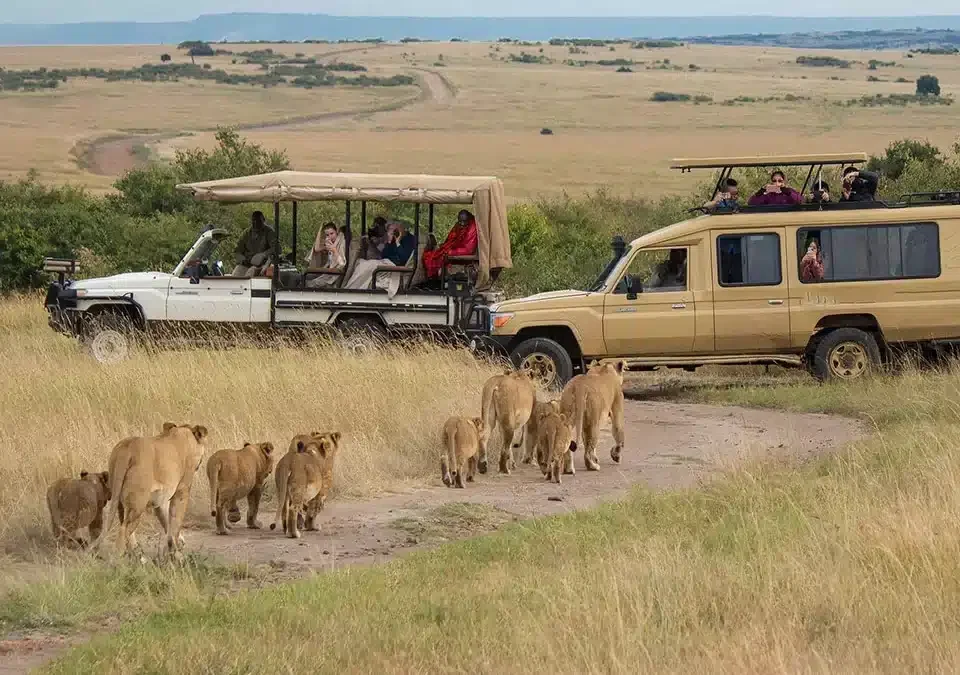
Uganda offers several organised wildlife activities suitable for individual travellers who prefer guided experiences.
These include game drives, boat safaris, gorilla trekking and chimpanzee tracking.
Participating in professionally organised activities can reduce some logistical challenges.
However, you should still check the operator’s credentials, insurance arrangements and current destination security advice.
Gorilla Trekking in Bwindi
Gorilla trekking takes place in organised groups accompanied by authorised ranger-guides.
Visitors receive a briefing before entering the forest.
You should follow ranger instructions, maintain the required distance from gorillas and remain with your assigned group.
Consider hiring a porter if you need assistance carrying your backpack or walking on difficult terrain.
Never leave the trekking group to explore independently.
Wildlife Safaris in Queen Elizabeth National Park
Queen Elizabeth National Park offers wildlife drives and boat activities.
Book through an established operator and follow the guide’s instructions.
Remain inside your safari vehicle unless your guide confirms that stopping or leaving the vehicle is permitted and safe.
Chimpanzee Trekking in Kibale
Chimpanzee tracking involves walking through forest terrain with authorised guides.
Wear suitable footwear and follow the group’s safety instructions.
You should avoid wandering away to photograph wildlife or explore unfamiliar trails.
Understanding Local Culture and Dress
Uganda has diverse communities, languages and cultural traditions.
Dress expectations vary between cities, rural areas and tourist accommodation.
In Kampala and Entebbe, you will see different clothing styles.
In more conservative communities, modest clothing may help you feel comfortable during visits to markets, villages and religious sites.
Suitable clothing includes:
- Comfortable trousers.
- Knee-length skirts or dresses.
- Loose cotton shirts.
- Lightweight jackets.
- Walking shoes.
- Clothing that covers shoulders when appropriate.
You do not need to adopt a completely different wardrobe.
Choose practical clothing suited to your activities and local surroundings.
Always respect community rules when visiting religious or cultural sites.
Managing Unwanted Attention
Women travelling alone may occasionally experience persistent questions, unwanted invitations or inappropriate attention.
You have the right to refuse conversations, invitations and physical contact.
If someone makes you uncomfortable:
- State your refusal clearly.
- Avoid sharing personal accommodation details.
- Move towards a staffed public location.
- Contact your accommodation or trusted guide.
- Seek assistance if the situation continues.
Do not feel obliged to remain polite when your safety is threatened.
Avoid telling unfamiliar people that nobody knows your location.
You can keep personal details private without explaining your reasons.
Staying Safe in Restaurants and Social Places
Uganda has restaurants, cafés and entertainment venues where visitors can enjoy local food and meet people.
However, alcohol-related incidents and drink spiking are recognised travel risks.
When visiting social venues:
- Keep your drink within sight.
- Avoid accepting open drinks from strangers.
- Arrange transport before leaving.
- Limit alcohol consumption.
- Avoid travelling alone late at night.
- Leave immediately if you feel unsafe.
If you suspect your drink has been tampered with, seek urgent medical assistance and contact someone you trust.
Money and Personal Belongings
Keep your passport, cash and electronic devices secure.
Avoid carrying large amounts of money in public.
A small cross-body bag with secure compartments can be useful during daytime activities.
Consider carrying:
- A modest amount of Ugandan shillings.
- One payment card.
- Your telephone.
- A copy of your passport identification page.
- Your accommodation contact details.
Store backup cards and original documents securely when appropriate.
Use established banks or reliable cash machines for withdrawals.
Avoid displaying expensive jewellery or electronic equipment unnecessarily.
Health and Emergency Preparation
Before travelling, obtain advice from a qualified travel health professional about recommended vaccinations, malaria prevention and any personal medical needs.
Carry sufficient prescribed medication and keep it in its original packaging.
Travel insurance should cover your planned activities, emergency treatment and medical evacuation where necessary.
Save contact details for:
- Your accommodation.
- Your safari operator.
- Your country’s embassy or consulate.
- Local emergency services.
- Your travel insurer.
Uganda uses 999 and 112 for emergency assistance, although response capacity can vary by location.
In remote areas, assistance may take longer to arrive.
Mobile Phones and Internet Access
A working telephone is particularly important for independent travellers.
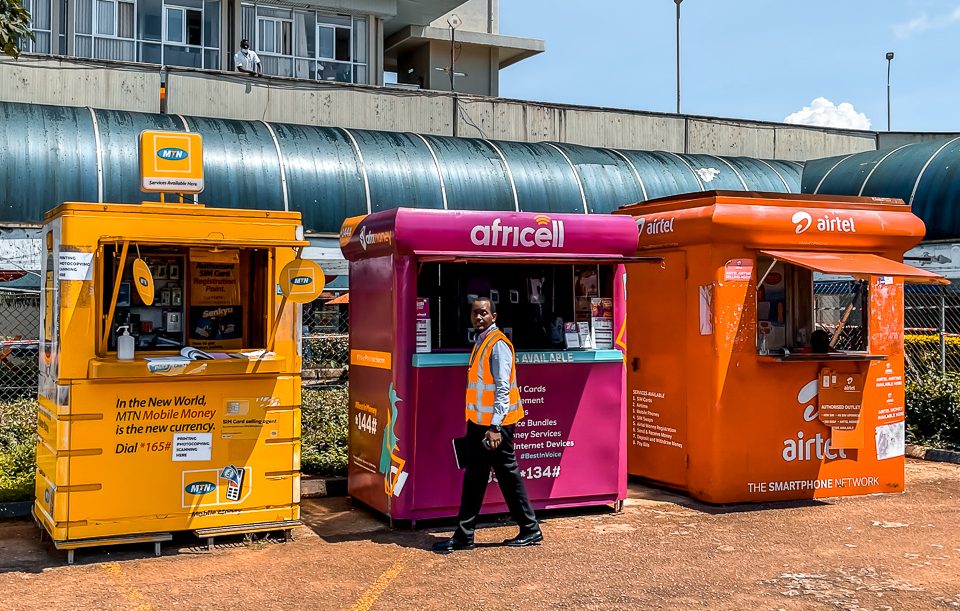
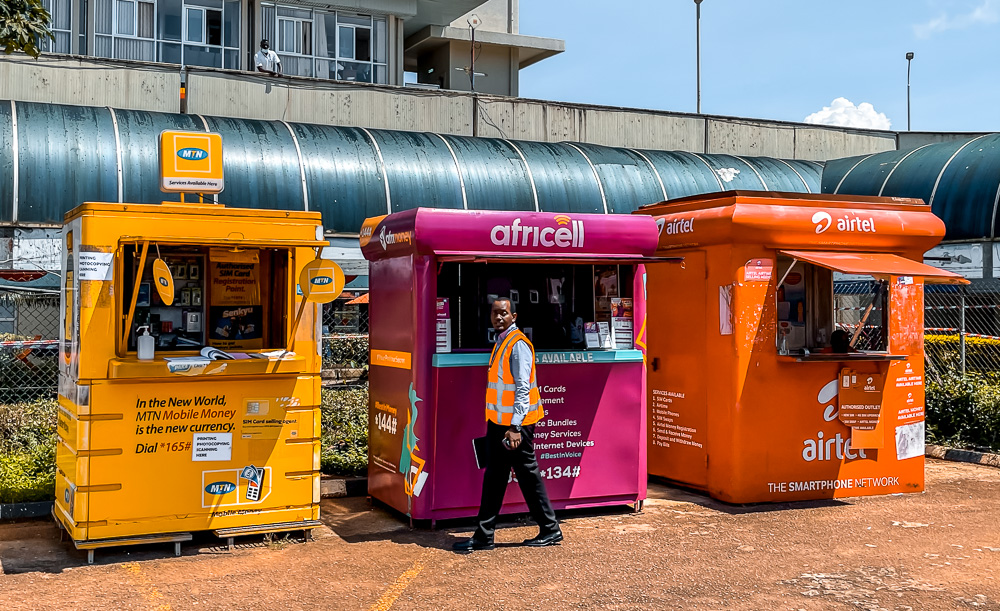
MTN Uganda and Airtel Uganda provide mobile communication services in many towns and tourism areas.
However, internet reception can be unreliable inside forests and remote national parks.
Purchase a suitable mobile data package and test your connection before travelling away from major towns.
Download maps for offline use.
Keep your telephone charged and carry a power bank.
If you expect to lose reception during an activity, inform a trusted contact beforehand.
Practical Safety Checklist
Before leaving your accommodation each day:
- Confirm your transport arrangements.
- Charge your telephone.
- Carry essential emergency contacts.
- Check your planned route.
- Inform someone of your expected return time.
- Carry enough money for necessary expenses.
- Avoid unnecessary travel after dark.
- Follow current local security guidance.
If a situation feels unsafe, change your plans.
Your safety takes priority over completing a planned activity.
Frequently Asked Questions
Can Women Travel Alone in Uganda?
Women do travel independently in Uganda, but significant safety risks exist. Check your government’s current travel advisory and consider professionally arranged transport and activities.
Is Kampala Safe for Solo Female Tourists?
Kampala has established hotels and tourism services, but crime and harassment are concerns. Avoid walking alone after dark and use trusted transport.
Can I Join a Gorilla Trek as a Solo Traveller?
Yes. Individual visitors can participate in organised gorilla trekking groups, subject to permits, availability and applicable park requirements.
Should I Hire a Private Safari Guide?
A professional guide may simplify transport and activity arrangements. Choose a reputable operator and verify what services are included.
Is It Safe to Travel Between National Parks at Night?
Night-time road travel carries additional risks. Daytime transfers are generally preferable.
Solo female travel in Uganda requires careful planning, reliable transport and awareness of local security conditions.
Although Uganda offers varied wildlife and cultural experiences, travellers should take current government travel warnings seriously.
Choose established accommodation, verify your transport arrangements and participate in authorised wildlife activities.
Keep trusted contacts informed, prepare for limited mobile coverage and avoid situations that make you uncomfortable.
Your travel plans should always reflect current safety information and your personal circumstances.