Safari Clothing Colors: What to Wear and What to Avoid
Choosing the right clothing colours for an African safari can make your journey more comfortable and practical. Whether you are exploring Uganda, Kenya, Tanzania or Rwanda, your clothing should suit the weather, landscape and activities you have planned.
Understanding safari clothing colours helps you select suitable outfits for wildlife drives, gorilla trekking, walking safaris and outdoor adventures.
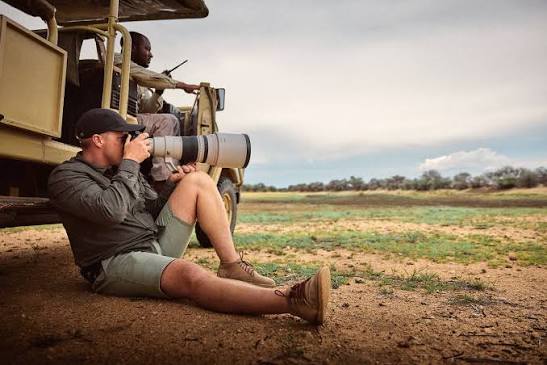
Neutral colours such as khaki, olive green, beige and brown are popular because they blend with natural surroundings and are practical for dusty conditions.
However, some colours are less suitable for particular environments. Bright clothing may be distracting during wildlife activities, while dark colours can become uncomfortable in strong sunshine.
Why Do Safari Clothing Colours Matter?
The colour of your safari clothing can affect comfort, visibility and how easily you move through natural environments.
African safaris take place in different landscapes, including open grasslands, tropical forests, mountains and wetlands.
Clothing suitable for a vehicle-based safari in the Serengeti may differ from what you need when trekking mountain gorillas in Bwindi Impenetrable National Park.
Your clothing colours should help you:
-
Remain comfortable in warm weather.
-
Reduce the appearance of dust and dirt.
-
Avoid unnecessary visual distractions.
-
Dress appropriately for outdoor activities.
-
Combine clothing easily during longer trips.
-
Follow specific park or activity guidelines.
Although colour matters, fabric quality, clothing fit and protection against insects and sunshine are equally important.
Best Safari Clothing Colours to Wear
Several neutral colours work particularly well for East African safaris.
These colours are practical, easy to combine and suitable for most wildlife viewing activities.
1. Khaki
Khaki is among the most popular safari clothing colours.
Its earthy appearance makes it suitable for grassland environments and dusty roads.
Khaki trousers, shirts and lightweight jackets work well during game drives.
The colour also makes ordinary dust less noticeable than it would appear on black or white clothing.
For example, khaki trousers are practical when travelling through Murchison Falls National Park or the Maasai Mara.
2. Olive Green
Olive green is another excellent choice for safari clothing.
It works particularly well in forest environments and areas with dense vegetation.
Olive green clothing is suitable for gorilla trekking, chimpanzee tracking and guided nature walks.
You can combine olive green trousers with beige or khaki shirts.
Choose breathable fabrics that allow comfortable movement.
3. Beige
Beige is a light neutral colour suitable for warm safari conditions.
It reflects more sunlight than darker clothing and can help you feel comfortable during daytime activities.
Beige shirts, trousers and safari hats are useful during game drives.
However, lighter fabrics may show mud more easily during forest trekking.
4. Brown
Brown clothing works well in woodland, savannah and dry environments.
It is particularly practical for trousers, walking shoes and lightweight jackets.
Brown also combines easily with green, beige and khaki clothing.
Choose medium shades rather than extremely dark fabrics when travelling in hot weather.
5. Light Grey
Light grey is a useful alternative to traditional safari colours.
It is suitable for travel days, city visits and wildlife drives.
However, grey clothing is less effective at concealing reddish dust and mud than some earth-toned fabrics.
For general safari travel, light grey shirts can be combined with olive green or khaki trousers.
Safari Clothing Colours Comparison
The following table compares common clothing colours and their suitability for safari activities.
| Clothing Colour | Safari Suitability | Practical Advice |
|---|---|---|
| Khaki | Excellent | Suitable for most wildlife activities |
| Olive green | Excellent | Particularly useful for forest trekking |
| Beige | Excellent | Comfortable for daytime game drives |
| Brown | Very good | Practical for dusty environments |
| Light grey | Good | Suitable for travel and general wildlife viewing |
| White | Moderate | Shows dirt and dust easily |
| Black | Less suitable in heat | Can become uncomfortable in strong sunshine |
| Bright red | Usually unnecessary | Choose muted alternatives for wildlife activities |
| Neon colours | Generally unsuitable | Can create unnecessary visual distractions |
| Camouflage patterns | Use caution | Avoid military-style clothing |
These recommendations are general guidelines rather than strict rules for every national park.
Always follow instructions provided by your ranger or safari guide.
Safari Clothing Colours to Avoid
Certain colours are less practical for wildlife safaris.
However, there is no universal rule requiring tourists to avoid every bright or dark colour.
The main considerations are temperature, insects, activity requirements and cultural or security concerns.
1. Bright Red
Bright red clothing is highly visible.
Although wearing red does not automatically cause wild animals to become aggressive, it is usually unnecessary during wildlife viewing.
Neutral clothing is generally more practical when walking through natural habitats.
A red shirt may be perfectly acceptable during city sightseeing, but muted colours are preferable for guided forest walks.
2. Neon Yellow and Bright Orange
Neon colours attract attention and stand out strongly against natural surroundings.
These colours may be useful for visibility during certain outdoor safety activities.
However, they are generally unnecessary during ordinary game drives and guided wildlife walks.
Choose beige, khaki or muted green clothing for most safari activities unless your guide recommends otherwise.
3. Black
Black clothing absorbs more sunlight than many lighter colours.
This can make it uncomfortable during hot afternoon game drives.
Dark clothing may also attract certain biting flies in some environments.
However, insect attraction depends on species, movement and other factors.
Black clothing is not prohibited on safari, but lighter neutral colours are usually more practical.
4. Dark Blue
Dark blue clothing is common for everyday travel.
However, dark blue and black are often discouraged in areas where tsetse flies occur.
Research has shown that certain tsetse fly species respond strongly to particular dark colours, including blue.
This does not mean every blue shirt will attract flies.
Nevertheless, choosing neutral earth tones is a sensible precaution when visiting tsetse-prone areas.
5. Pure White
White clothing reflects sunlight and can feel comfortable in warm conditions.
However, it shows dust, mud and stains easily.
Safari roads can be dusty, especially during dry months.
White trousers may therefore require frequent washing.
Off-white, beige or cream clothing can provide a more practical alternative.
Should You Wear Camouflage on Safari?
Military-style camouflage clothing is best avoided.
Camouflage uniforms and patterns can carry military or security associations.
Rules and their enforcement vary between countries, and certain military-style garments may create problems.
You do not need camouflage clothing to watch wildlife successfully.
Plain olive green, khaki or brown clothing provides a practical alternative.
If you already own camouflage equipment, check the applicable rules before travelling.
For most visitors, ordinary neutral clothing is the simplest choice.
Best Clothing Colours for Game Drives
Game drives are among the most popular activities in Uganda, Kenya and Tanzania.
During these activities, visitors generally remain inside safari vehicles while observing wildlife.
Suitable clothing colours include:
-
Khaki.
-
Beige.
-
Olive green.
-
Light brown.
-
Light grey.
-
Cream.
Game drives often begin early in the morning when temperatures can be cool.
Wear a neutral-coloured shirt with comfortable trousers and carry a lightweight jacket.
As temperatures rise, you can remove additional layers.
Avoid choosing clothing based entirely on colour. Breathable fabrics and sun protection are important.
Best Safari Clothing Colours for Gorilla Trekking
Gorilla trekking requires practical clothing suitable for dense forests, uneven terrain and changing weather.
Bwindi Impenetrable National Park and Mgahinga Gorilla National Park can experience rain throughout the year.
Olive green, khaki and brown are suitable choices.
Your trekking outfit should include:
-
Long trousers.
-
A long-sleeved shirt.
-
Waterproof walking boots.
-
A lightweight rain jacket.
-
Gardening or trekking gloves.
-
Long socks.
-
A comfortable backpack.
Choose clothing that dries relatively quickly.
Avoid delicate fabrics that tear easily when brushing against vegetation.
Dark olive green or brown trousers can also help conceal mud during wet conditions.
What Colours Should You Wear for Walking Safaris?
Walking safaris allow visitors to explore natural environments with trained guides.
Neutral clothing is particularly useful during these activities.
Recommended colours include khaki, olive green, beige and brown.
Avoid excessively bright clothing unless your guide instructs otherwise.
Wear long trousers and closed walking shoes to protect your legs and feet.
Long sleeves can also reduce sun exposure and contact with vegetation.
Your guide’s instructions should always take priority over general clothing recommendations.
Safari Clothing for Different Seasons
Weather conditions influence what you should pack.
Dry Season Clothing
During drier months, safari destinations may experience dusty roads and warm afternoons.
Lightweight khaki, beige and olive green clothing works well.
A wide-brimmed hat provides additional sun protection.
Carry a light jacket for cool mornings.
Rainy Season Clothing
Rainy periods can bring muddy trails and sudden showers.
Choose quick-drying fabrics in brown, olive green or khaki.
Waterproof jackets are particularly important during forest trekking.
Avoid heavy cotton garments that remain wet for long periods.
Cooler Mountain Areas
High-altitude destinations can become cold, especially during early mornings and evenings.
Pack additional layers such as fleece jackets and thermal clothing.
Neutral colours remain suitable, but warmth matters more than colour.
How Many Safari Outfits Should You Pack?
You do not need a completely different outfit for every safari day.
For a seven-day Uganda safari, consider packing:
| Clothing Item | Suggested Quantity |
|---|---|
| Neutral-coloured shirts | 4–5 |
| Lightweight trousers | 2–3 |
| Long-sleeved shirts | 2 |
| Warm fleece or jacket | 1 |
| Waterproof jacket | 1 |
| Comfortable shorts | 1–2 |
| Walking boots | 1 pair |
| Comfortable travel shoes | 1 pair |
| Safari hat | 1 |
| Socks and underwear | Enough for your itinerary |
These quantities depend on your accommodation’s laundry services and planned activities.
Choose clothing that can be washed and dried easily.
Choosing the Right Safari Fabrics
Colour is only one part of choosing suitable safari clothing.
Fabric quality affects comfort during long journeys and outdoor activities.
Cotton is breathable but can take longer to dry when wet.
Synthetic quick-drying fabrics may be more convenient during forest trekking.
Lightweight hiking trousers can provide better flexibility than heavy denim.
For warm safari destinations, choose fabrics that allow air circulation.
Avoid uncomfortable clothing that restricts movement.
Frequently Asked Questions
What Is the Best Colour to Wear on Safari?
Khaki, olive green, beige and brown are among the most practical choices for most African safari activities.
Can I Wear Jeans on Safari?
Yes, especially during travel and city visits. However, jeans can become uncomfortable when wet and may take longer to dry.
Is Black Clothing Allowed on Safari?
Yes. However, black can feel hot in strong sunshine and may be less suitable in areas with certain biting flies.
Can I Wear White During Gorilla Trekking?
There is generally no universal prohibition, but white clothing is impractical because forest trails can be muddy.
Should I Wear Bright Colours on Game Drives?
Muted colours are usually preferable. However, brightly coloured clothing does not automatically prevent successful wildlife viewing.
Choosing suitable safari clothing colours helps you prepare for comfortable wildlife viewing across East Africa.
Khaki, olive green, beige and brown are practical choices for game drives, gorilla trekking and guided nature walks.
Avoid relying on bright colours, heavy dark clothing or military-style camouflage when simpler options are available.
Most importantly, select breathable fabrics, comfortable footwear and clothing appropriate for the weather.
With a carefully chosen safari wardrobe, you can enjoy your wildlife experiences while remaining comfortable throughout your journey.