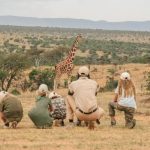
Safari Vehicle Etiquette: How to Share a Seat Row Without Conflicts
Sharing a safari vehicle is a common experience during wildlife holidays in Uganda, Kenya, Tanzania and Rwanda. Whether you are joining a group safari or travelling with friends, you may spend several hours sitting beside other passengers while watching animals and exploring national parks.
Understanding safari vehicle etiquette helps you enjoy game drives comfortably while respecting other travellers.
Safari vehicles often have limited seating space, open viewing roofs and shared areas for photography equipment. Without clear communication, small disagreements can arise over window seats, standing positions, personal belongings and photography opportunities.
Fortunately, most problems are easy to prevent.
Why Safari Vehicle Etiquette Is Important
Game drives can last several hours, particularly in large national parks such as Serengeti National Park, Murchison Falls National Park and the Maasai Mara National Reserve.
During these journeys, passengers share a relatively small space.
Everyone may have different interests.
One traveller might want to photograph lions, while another prefers watching birds or observing elephants.
Some passengers enjoy conversation, while others prefer quiet wildlife viewing.
Good safari etiquette helps accommodate these different preferences.
It encourages:
-
Fair access to wildlife viewing positions.
-
Comfortable seating arrangements.
-
Respect for personal belongings.
-
Better communication between passengers.
-
Safer movement inside the vehicle.
-
Fewer disagreements during game drives.
Your guide also benefits when passengers cooperate and follow instructions.
Understanding Safari Vehicle Seating Arrangements
Safari vehicles come in different designs.
Common options include extended 4×4 vehicles, safari Land Cruisers, minibuses and specially modified game viewing vehicles.
Some have pop-up roofs, while others have open sides or permanently raised viewing sections.
Seating capacity depends on the vehicle.
A vehicle may accommodate four, six or more passengers.
Before booking a shared safari, ask your tour operator how many travellers will use the vehicle and whether everyone has a suitable viewing position.
Common Safari Vehicle Seating Options
| Seating Position | Main Advantage | Possible Limitation |
|---|---|---|
| Front passenger seat | Clear forward views | Limited access to some roof openings |
| Middle row | Convenient for group viewing | Shared space with nearby passengers |
| Rear row | Suitable for certain viewing angles | May experience more road movement |
| Window seat | Easier side viewing | May be requested by several passengers |
| Roof viewing position | Useful for wildlife observation | Requires fair sharing and safe movement |
Vehicle layouts vary, so not every arrangement applies to every safari.
1. Agree on Seat Rotation Before the Game Drive
Seat rotation is one of the simplest ways to prevent disagreements.
Some passengers may prefer particular positions because of photography, comfort or visibility.
However, keeping the same preferred seat throughout a multi-day group safari may seem unfair to others.
Consider agreeing on a simple rotation system.
For example:
-
Day one: Passengers A and B use the middle row.
-
Day two: Passengers C and D use the middle row.
-
Day three: Passengers rotate again.
The arrangement should consider passengers with mobility difficulties, motion sickness or other accessibility needs.
Your guide can help organise a fair seating plan.
2. Respect Personal Space
Safari vehicles may become crowded when passengers carry backpacks, cameras, binoculars and jackets.
Keep your belongings within your allocated area whenever possible.
Avoid spreading equipment across empty seats that another traveller may need.
If you are sharing a seat row, allow enough space for everyone to sit comfortably.
Do not lean against another passenger without permission.
Small adjustments can improve comfort during long journeys.
For example, placing your camera bag beneath your seat, where safe and permitted, may provide more room for fellow travellers.
3. Share Window Viewing Opportunities
Window seats are popular because they offer clear views of wildlife.
However, animals may appear on either side of the vehicle.
When something interesting appears outside your window, allow nearby passengers an opportunity to see it.
You can move slightly when safe to provide a clearer viewing angle.
Avoid blocking other travellers for extended periods.
If you have already taken several photographs, consider allowing someone else to use the position.
Good communication helps everyone enjoy wildlife encounters.
4. Avoid Blocking Other Passengers During Photography
Photography is an important part of many safari experiences.
However, large cameras and telephoto lenses can occupy considerable space.
Avoid extending your equipment across another traveller’s viewing area.
When photographing wildlife:
-
Keep your camera within your allocated space.
-
Avoid sudden movements.
-
Allow other passengers to take photographs.
-
Do not obstruct the guide’s visibility.
-
Keep equipment securely supported.
-
Respect passengers who prefer observing without cameras.
If you need additional space for a large lens, ask politely.
Never assume another passenger will automatically move.
5. Share the Pop-Up Roof Fairly
Many East African safari vehicles have pop-up roofs that allow passengers to stand while viewing wildlife.
These viewing areas may become crowded when several travellers want to photograph the same animal.
Avoid standing directly in front of another passenger for extended periods.
Where possible, take turns using the clearest positions.
Do not push or lean against fellow travellers.
Always follow your guide’s instructions about when standing is permitted.
Some situations require everyone to remain seated.
6. Keep Noise Levels Reasonable
Wildlife viewing is more enjoyable when passengers can hear their guide and observe animals without unnecessary disturbance.
Avoid shouting across the vehicle.
Keep telephone conversations short.
Use headphones when listening to personal audio.
Some animals may react to sudden loud sounds.
For example, shouting near a resting leopard or feeding elephant can disturb the encounter.
Speak quietly and allow your guide to manage wildlife observations.
7. Respect Different Wildlife Interests
Not everyone joins a safari for the same reasons.
Some travellers are interested in large mammals, while others enjoy birds, reptiles and smaller animals.
One passenger may want to spend several minutes observing a lion pride.
Another may prefer watching a colourful lilac-breasted roller.
Discuss preferences respectfully.
If the group includes serious photographers, birdwatchers and first-time safari visitors, your guide can help balance activities.
Avoid dismissing another traveller’s interests.
A good shared safari allows everyone opportunities to enjoy different wildlife experiences.
8. Follow Your Safari Guide’s Instructions
Your safari guide is responsible for managing wildlife viewing and vehicle safety.
Follow instructions about seating, standing, photography and movement.
Never pressure your guide to drive dangerously or approach animals too closely.
If your guide asks everyone to remain seated, cooperate immediately.
This is particularly important around elephants, buffaloes, lions and other potentially dangerous wildlife.
Your guide may also need to reposition the vehicle to improve safety or prevent disturbing animals.
9. Manage Food and Drinks Respectfully
Long safari drives sometimes include packed lunches, snacks and bottled drinks.
Keep food containers organised.
Avoid spreading meals across shared seating areas.
Choose snacks that are easy to manage inside the vehicle.
Strong-smelling food may make some passengers uncomfortable.
Always collect your rubbish.
Never throw food, plastic bottles or packaging into national parks.
Food waste can attract wildlife and interfere with natural animal behaviour.
10. Be Considerate About Airflow and Temperature
Passengers may have different preferences regarding airflow.
Some enjoy open windows, while others feel cold or uncomfortable in strong wind.
Discuss ventilation politely.
During dusty conditions, your guide may recommend closing windows.
If someone experiences motion sickness, improved ventilation may help.
Avoid adjusting shared windows without considering nearby passengers.
Small compromises can make long journeys more comfortable.
11. Handling Motion Sickness During Shared Safaris
Motion sickness can affect passengers travelling along rough roads.
If you regularly experience nausea, inform your guide before departure.
A forward-facing seat with a clear view of the road may help.
Other passengers should respect reasonable seating adjustments when someone feels unwell.
For example, allowing a motion-sensitive traveller to sit near the front can improve their comfort.
However, seating decisions must still consider safety and accessibility.
Carry suitable personal supplies and discuss preventive measures with a healthcare professional before travelling.
12. Avoid Arguments Over Wildlife Sightings
Wildlife encounters can create excitement.
Several passengers may want the best photography position at the same moment.
However, arguments can disturb the experience.
If you cannot see an animal clearly, ask your guide whether the vehicle can be repositioned safely.
Do not demand that another passenger move immediately.
Sometimes a different angle provides an equally good view.
Remember that wildlife movements are unpredictable.
You may have another opportunity to observe the animal later.
13. Respect Personal Photography Preferences
Some travellers enjoy taking photographs of fellow passengers.
Others prefer not to appear in photographs or videos.
Always ask permission before taking close-up pictures of someone.
Avoid posting identifiable images of fellow travellers online without consent.
This is particularly important when sharing content on social media.
You should also respect anyone who asks not to be photographed.
14. How to Handle Disagreements Politely
Occasional misunderstandings are possible during group travel.
If a disagreement develops, remain calm.
Explain your concern clearly without accusing another passenger.
For example, you might say:
“Would you mind moving your camera bag slightly so I can sit comfortably?”
This is usually more effective than making an angry complaint.
If the issue continues, ask your guide or tour leader for assistance.
Avoid creating unnecessary tension that affects the entire group.
15. Consider Private Safaris for Greater Flexibility
Shared safaris are often more affordable because travellers divide transport and guiding costs.
However, private safaris offer greater flexibility.
A private safari may be suitable if you:
-
Prefer specific seating arrangements.
-
Carry large photography equipment.
-
Travel with young children.
-
Need additional accessibility arrangements.
-
Want more control over wildlife viewing stops.
-
Prefer travelling with your own group.
Private travel generally costs more, but it can reduce some of the compromises involved in group safaris.
Shared Safari Etiquette Checklist
Before beginning a game drive, remember these practical guidelines.
| Good Practice | What You Should Do |
|---|---|
| Seat sharing | Agree on fair rotation |
| Personal space | Keep belongings organised |
| Photography | Avoid blocking other passengers |
| Wildlife viewing | Share clear viewing positions |
| Noise | Speak quietly near animals |
| Safety | Follow your guide’s instructions |
| Food | Keep the vehicle clean |
| Communication | Discuss concerns respectfully |
| Wildlife interests | Respect different preferences |
| Social media | Ask before posting photographs of others |
These simple habits help everyone enjoy the experience.
Frequently Asked Questions
Should Safari Passengers Rotate Seats?
Seat rotation is a practical option during shared safaris, especially when passengers have different viewing preferences.
Can Everyone Stand Through the Safari Roof?
This depends on the vehicle design and your guide’s safety instructions.
Is It Acceptable to Ask Someone to Move?
Yes. Make your request politely and explain why additional space is needed.
Should Photographers Receive Priority Seating?
Not automatically. Seating should be arranged fairly while considering accessibility and other needs.
What Should I Do if Another Passenger Blocks My View?
Ask politely for space or request assistance from your guide.
Good safari vehicle etiquette makes wildlife viewing more comfortable and enjoyable for everyone.
Sharing seats fairly, respecting personal space and allowing others to photograph animals can prevent unnecessary disagreements.
Follow your guide’s instructions and communicate calmly when concerns arise.
Whether you are exploring Uganda’s national parks, Kenya’s Maasai Mara or Tanzania’s Serengeti, considerate behaviour helps create a positive group safari experience.
With a little cooperation, every passenger can enjoy memorable wildlife encounters.