Multi-Generation Safaris: Planning for Grandparents, Parents, and Kids
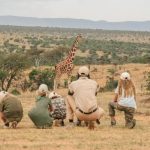
Travelling on an African safari with grandparents, parents and children can be a rewarding family experience. It gives relatives of different ages an opportunity to spend time together while discovering wildlife, landscapes and cultures.
However, planning a safari for three generations requires careful consideration. Grandparents may prefer comfortable accommodation and shorter activities, while teenagers might enjoy adventurous experiences. Younger children often need regular breaks, suitable meals and flexible schedules.
Understanding multi-generation safaris in East Africa helps you create an itinerary that accommodates everyone’s needs.
Uganda, Kenya, Tanzania and Rwanda offer different opportunities for family wildlife holidays, including game drives, boat safaris, gorilla trekking and cultural visits.
The best family safari combines suitable activities, comfortable transport, practical accommodation and enough time for rest.
What Is a Multi-Generation Safari?
A multi-generation safari is a wildlife holiday involving family members from different generations.
For example, a family group might include two grandparents, two parents and three children aged six, ten and sixteen.
These travellers may have different physical abilities, interests and daily routines.
A successful itinerary considers these differences before departure.
Multi-generation safaris commonly involve:
-
Grandparents seeking comfortable wildlife experiences.
-
Parents coordinating family activities.
-
Teenagers interested in adventure.
-
Younger children discovering wildlife.
-
Family members with different mobility requirements.
Planning around these needs helps prevent unnecessary stress during the holiday.
Why Choose East Africa for a Family Safari?
East Africa offers several destinations suitable for family wildlife experiences.
Many national parks provide opportunities to observe animals from safari vehicles, reducing the need for physically demanding activities.
Families can also choose boat cruises, cultural experiences and suitable nature walks.
Popular destinations include:
-
Murchison Falls National Park in Uganda.
-
Queen Elizabeth National Park in Uganda.
-
Lake Mburo National Park in Uganda.
-
Maasai Mara National Reserve in Kenya.
-
Amboseli National Park in Kenya.
-
Serengeti National Park in Tanzania.
-
Akagera National Park in Rwanda.
Each destination offers different accommodation options and wildlife experiences.
Choose parks according to your family’s interests, travel budget and physical requirements.
1. Consider Everyone’s Age and Physical Ability
Age is an important factor when planning family safari activities.
However, physical ability and individual preferences are equally important.
Some grandparents enjoy long walks and adventurous activities.
Others may prefer shorter wildlife drives and comfortable accommodation.
Similarly, children of the same age may have different levels of confidence and stamina.
Planning Activities by Age
| Family Member | Suitable Safari Activities |
|---|---|
| Young children | Short game drives and suitable lodge activities |
| Older children | Wildlife drives, boat safaris and educational activities |
| Teenagers | Game drives and eligible trekking experiences |
| Parents | Wildlife activities, guided walks and cultural visits |
| Grandparents | Comfortable game drives, boat cruises and suitable nature experiences |
These are suggestions rather than strict categories.
Always consider each traveller’s health and personal preferences.
2. Choose Family-Friendly National Parks
Selecting suitable destinations is one of the most important planning decisions.
Parks with accessible wildlife viewing areas and comfortable accommodation can work particularly well for multi-generation groups.
Murchison Falls National Park, Uganda
Murchison Falls offers traditional wildlife drives and boat cruises along the River Nile.
Families may observe elephants, giraffes, buffaloes, hippos and crocodiles.
Boat activities can provide wildlife viewing opportunities without requiring long walks.
However, boarding arrangements should be checked for travellers with mobility limitations.
Queen Elizabeth National Park, Uganda
Queen Elizabeth National Park offers game drives and boat cruises along the Kazinga Channel.
The park is suitable for families interested in varied wildlife and birdwatching.
Children often enjoy watching hippos and elephants near the water.
Maasai Mara National Reserve, Kenya
The Maasai Mara is famous for its open landscapes and abundant wildlife.
Families may encounter lions, elephants, giraffes and large antelope herds.
Private vehicles can provide flexible viewing arrangements.
Serengeti National Park, Tanzania
The Serengeti offers extensive wildlife viewing opportunities.
However, some itineraries involve long driving distances.
Families should choose accommodation locations carefully to avoid unnecessary travel.
Akagera National Park, Rwanda
Akagera provides savannah wildlife viewing within Rwanda.
It can be included in family itineraries that begin in Kigali.
The park offers game drives and selected boat activities.
3. Choose Comfortable Safari Accommodation
Accommodation strongly influences the comfort of a multi-generation safari.
Families should select properties offering suitable rooms, accessible facilities and reliable services.
Before booking, ask whether the lodge provides:
-
Family rooms.
-
Connecting bedrooms.
-
Comfortable beds.
-
Private bathrooms.
-
Suitable walking paths.
-
Flexible meal arrangements.
-
Electricity and charging facilities.
-
Assistance with luggage.
-
Appropriate medical access arrangements.
Some safari lodges are located in unfenced wildlife areas.
Parents should ask about child supervision rules and whether guests require escorts after dark.
Accommodation for Grandparents
Grandparents with mobility limitations may benefit from rooms near the restaurant or reception.
Avoid accommodation requiring long walks, steep staircases or difficult paths unless everyone is comfortable with these conditions.
Ask about accessible bathrooms and room layouts.
Accommodation for Children
Families with young children may prefer larger rooms or connecting accommodation.
Check whether the lodge provides appropriate bedding and meal options.
Never assume that childcare services are available.
4. Book a Suitable Safari Vehicle
Transport is particularly important during multi-generation safaris.
Families may spend several hours travelling between national parks.
A comfortable vehicle should provide enough space for passengers and luggage.
Consider booking a private safari vehicle.
This allows greater flexibility when arranging stops and wildlife viewing activities.
Important Vehicle Features
Look for:
-
Comfortable seats.
-
Functional seatbelts.
-
Suitable child restraints.
-
Adequate luggage space.
-
Good ventilation.
-
Accessible entry arrangements.
-
Reliable mechanical condition.
-
Clear wildlife viewing positions.
Confirm seating capacity before paying.
Do not assume that a child can safely share an adult’s seat.
5. Plan Shorter Game Drives
Long game drives can become tiring for young children and older travellers.
Some families prefer shorter morning and afternoon activities.
For example, a morning game drive might begin around 6:30 am and continue for approximately three hours.
The family can then return to the lodge for breakfast, rest or other activities.
However, departure times depend on park regulations and your accommodation.
Avoid arranging every day around lengthy activities.
Allow time for relaxation.
6. Understand Safari Age Restrictions
Some wildlife activities have official age restrictions.
Mountain gorilla trekking in Uganda and Rwanda generally requires participants to be at least 15 years old.
Chimpanzee tracking and guided walking safaris may have different minimum ages depending on the destination and responsible authority.
Traditional game drives are often more flexible.
However, individual accommodation providers and safari operators may apply their own restrictions.
Confirm all age requirements before purchasing permits.
What Can Younger Children Do During Gorilla Trekking?
If eligible family members plan to track mountain gorillas, younger children may participate in alternative activities.
These could include suitable cultural visits, nature experiences or supervised lodge programmes.
Any childcare arrangements should be confirmed in advance.
Never leave young children without responsible supervision.
7. Include Activities Everyone Can Enjoy
A multi-generation safari should provide opportunities for family members to spend time together.
Game drives are particularly useful because travellers can observe wildlife while seated.
Other suitable activities may include:
-
Boat safaris.
-
Birdwatching.
-
Cultural visits.
-
Wildlife photography.
-
Scenic drives.
-
Suitable nature walks.
-
Educational conservation activities.
Choose experiences that match everyone’s comfort and abilities.
For example, a boat cruise along the Kazinga Channel may appeal to grandparents, parents and children who enjoy wildlife viewing.
8. Allow Different Family Members to Choose Activities
Not every activity needs to involve the entire family.
Teenagers may enjoy longer walks, while grandparents prefer relaxing at the lodge.
Parents can divide activities when suitable supervision and transport arrangements are available.
For example, some family members might participate in a morning guided walk while others enjoy a shorter wildlife drive.
The group can reunite for lunch.
This flexibility allows everyone to enjoy activities suited to their interests.
9. Plan Meals and Dietary Requirements
Different generations may have different food preferences.
Young children may prefer familiar meals.
Older travellers may require particular dietary arrangements.
Before departure, inform your safari operator about:
-
Food allergies.
-
Vegetarian requirements.
-
Medical dietary needs.
-
Children’s meal preferences.
-
Meal timing requirements.
Many established safari lodges can accommodate common dietary requests when informed in advance.
Carry suitable snacks during long road journeys.
Keep drinking water available throughout the day.
10. Prepare for Health and Medical Needs
Health preparation is important when travelling with children and older adults.
Before departure, consult a qualified travel health professional about vaccinations, malaria prevention and individual medical requirements.
Travellers with ongoing medical conditions should discuss the itinerary with their healthcare provider.
Carry sufficient prescribed medication for the entire journey.
Keep essential medication accessible during transfers.
Useful Health Preparation Checklist
-
Travel insurance documents.
-
Prescribed medication.
-
Basic first-aid supplies.
-
Insect repellent.
-
Sunscreen.
-
Drinking water.
-
Emergency contact information.
-
Medical information for relevant family members.
Confirm whether your insurance covers planned wildlife activities and emergency medical evacuation.
11. Avoid Excessively Long Road Transfers
Some East African safari destinations require several hours of driving.
Long transfers can be uncomfortable for young children and older travellers.
When planning your itinerary, consider travelling distances carefully.
For example, driving between Entebbe and Bwindi may take much of the day.
Families can consider breaking long journeys with an overnight stop where practical.
Domestic flights may reduce travel time on selected routes, although they increase costs and have luggage restrictions.
Choose transport arrangements according to your family’s comfort and budget.
12. Pack for Different Generations
Packing requirements vary according to age and planned activities.
Children may need additional clothing, snacks and entertainment.
Grandparents may require specific medication or mobility support.
A practical packing list includes:
-
Lightweight safari clothing.
-
Warm jackets.
-
Comfortable walking shoes.
-
Waterproof jackets.
-
Safari hats.
-
Binoculars.
-
Cameras.
-
Power banks.
-
Personal medication.
-
Travel documents.
Pack neutral-coloured clothing suitable for wildlife activities.
Avoid carrying unnecessary luggage.
13. Set a Realistic Family Safari Budget
Multi-generation safaris can involve higher overall costs because of group size.
However, families may reduce certain expenses by sharing transport.
Accommodation requirements also affect the budget.
Some lodges offer family rooms or child rates.
Others charge according to the number of guests and room occupancy.
Common Safari Expenses
| Expense | Budget Consideration |
|---|---|
| Accommodation | Family rooms or separate rooms |
| Transport | Private vehicle and fuel |
| Park fees | Age and residency categories |
| Meals | Included or separately charged |
| Activities | Different prices and age restrictions |
| Domestic flights | Passenger and luggage charges |
| Travel insurance | Individual coverage requirements |
| Tips | Optional staff gratuities |
Ask for a complete quotation showing what is included.
14. Create a Flexible Daily Safari Schedule
A balanced safari schedule helps avoid exhaustion.
Consider the following example.
| Time | Suggested Activity |
|---|---|
| 6:30 am | Morning wildlife drive |
| 9:30 am | Breakfast |
| 11:00 am | Rest or lodge activities |
| 1:00 pm | Lunch |
| 3:00 pm | Optional short activity |
| 6:00 pm | Relaxation |
| 7:30 pm | Dinner |
This schedule is illustrative.
Actual activity times depend on the national park, lodge and family preferences.
Allow sufficient flexibility for unexpected changes.
Frequently Asked Questions
Are African Safaris Suitable for Grandparents?
Yes, many safari activities involve comfortable wildlife viewing from vehicles. However, individual mobility and health requirements should be considered.
Can Young Children Join Game Drives?
Many operators accommodate children, particularly in private vehicles. Confirm age policies and child restraint arrangements.
Should Families Book Private Safaris?
Private safaris provide greater flexibility with seating, stops and activity schedules.
Can Grandparents Participate in Gorilla Trekking?
There is generally no fixed upper age limit, but participants must meet health and fitness requirements and follow park regulations.
Which Country Is Best for Multi-Generation Safaris?
Uganda, Kenya, Tanzania and Rwanda all offer suitable experiences. The best choice depends on family interests, travel distances and accommodation needs.
Multi-generation safaris offer families an opportunity to enjoy East Africa’s wildlife together.
However, successful planning requires attention to different ages, physical abilities and personal preferences.
Choose comfortable accommodation, suitable vehicles and activities that allow everyone to participate.
Plan manageable travel distances and include enough time for rest.
With thoughtful arrangements, grandparents, parents and children can share memorable wildlife experiences while enjoying a comfortable and well-organised African safari.