Sun Protection on Safari: Hats, Sunscreen, and Heat Management
Apply sunscreen before you leave the lodge, wear a hat that shades your ears and neck, and keep drinking water where you can reach it from your seat. These habits matter on slow game drives, when you can spend twenty minutes watching wildlife with the same side of your body facing the sun.
Good sun protection on safari deals with two different risks. Ultraviolet radiation can burn your skin even when the air feels cool. Heat can make you unwell even when you are sitting in the shade. Plan for both, whether you are taking a boat trip in Uganda, watching wildlife on the plains of Kenya or Tanzania, or walking in Rwanda’s highlands.
Start With Shade, Clothing and a Hat
Choose a hat that covers your ears and neck
A wide-brimmed hat offers more coverage than a baseball cap. Look for a brim about 7.5 cm wide all the way round, with a fit that stays secure in the wind. A lightweight chin strap helps on open vehicles and boats. If you prefer a cap, choose one with an ear and neck flap or cover those areas separately.
Try the hat with your binoculars or camera before packing it. A brim that constantly pushes against the eyepieces is likely to spend the day in your bag. A firm but flexible brim is more useful than a floppy one that blows across your eyes.
Wear clothes you can keep on in the heat
Loose, lightweight long sleeves and trousers cover more skin without requiring you to keep applying sunscreen over large areas. If you are buying sun-protective clothing, look for a labelled ultraviolet protection factor, or UPF. UPF 50 or 50+ is a practical choice for a shirt you expect to wear for hours outdoors.
Choose sunglasses labelled for UVA and UVB protection. Dark lenses alone do not tell you how much UV they block. On a boat or in an open vehicle, a close-fitting pair also helps keep wind and dust out of your eyes.
Choose and Apply Sunscreen Properly
Pack a broad-spectrum, water-resistant sunscreen with SPF 30 or higher. Broad-spectrum protection covers both UVA and UVB. Water resistance helps when you sweat, but it does not make the sunscreen waterproof or remove the need to reapply it.
Apply a generous, even layer to exposed skin about 15 minutes before going outside, or as directed on the label. Commonly missed spots include the tops of your ears, the back of your neck, the backs of your hands and the gap between your sleeves and wrists. If you wear sandals, cover the tops of your feet. Use an SPF 30 lip balm and keep it in an easy-to-reach pocket.
Reapply at least every two hours while outdoors, and sooner after heavy sweating, swimming or towel drying. If you apply sunscreen at 6:30 am for a morning drive, take the bottle with you for an 8:30 am top-up. Leaving it at the lodge makes that easy to forget, especially when a short drive turns into a long sighting.
Apply sunscreen before insect repellent
If you need both, use separate products. Apply sunscreen first and insect repellent second, following each label’s instructions. Their reapplication schedules may differ. Topping up your sunscreen does not automatically mean it is time to put on more repellent.
Sun Protection on Safari by Activity
| Activity | What can catch you out | What to do |
|---|---|---|
| Open vehicle game drive | A roof may shade your head while the morning or afternoon sun reaches your arms and face. | Wear sleeves, cover exposed skin and carry sunscreen in your day bag. |
| Boat safari | Breeze can make the sun feel less intense, and UV can reflect off the water. | Wear a secure hat and UV-blocking sunglasses. Take a shaded seat when available. |
| Guided walking safari | You generate more heat on foot, and shade may be limited. | Ask about an early start, bring enough drinking water and tell your guide if you feel unwell. |
| Forest or highland trek | Cool air and cloud can hide how much UV you are getting, especially in clearings. | Protect exposed skin before starting and carry a light layer you can remove as you warm up. |
Manage Heat Before You Feel Unwell
Plan demanding activities for cooler hours
When the itinerary allows, walk early and use the hottest part of the day for lunch and rest. Ask your guide which activities have shade and how long you will be away from the vehicle or lodge. A short nature walk with no shade can feel harder than a longer drive with airflow and regular stops.
If your itinerary puts you on a boat trip or afternoon drive during strong sunshine, use the shade available and take breaks whenever conditions allow. Follow your guide’s instructions about where you can stop or leave the vehicle. Stepping out to cool down is not safe on an active wildlife track.
Know how much water you can carry and refill
Start the day with safe drinking water and take regular drinks on longer outings. Ask how much water the operator provides and when you will next be able to refill. A filled bottle in your day bag is more useful than water packed under several suitcases.
There is no single amount everyone should drink. Your needs depend on the heat, how hard you are working and how much you sweat. On a longer, sweaty outing, bring a snack or ask whether an electrolyte drink makes sense for you. If you have been advised to limit fluids or salt, follow your clinician’s advice. Avoid using alcohol as your main drink at a hot lunch stop.
Speak up early
Tell your guide if you feel dizzy, unusually weak, nauseated or develop a headache in the heat. Stop exertion and move to a cooler place rather than trying to finish the activity. Children may become tired or irritable before they can explain how they feel. Check on them during breaks and offer water regularly. If you take regular medication and are unsure whether it affects heat tolerance or makes your skin more sensitive to sunlight, ask a pharmacist before travelling.
Recognise Heat Exhaustion and Heatstroke
Heat exhaustion can cause heavy sweating, dizziness, headache, nausea, weakness or cramps. Move the person to shade or an air-conditioned space, remove unnecessary layers and cool the skin with cool water and fanning. Offer small sips of cool water if they are fully alert and able to swallow. If they are not clearly improving within 30 minutes of cooling, get urgent medical help. Seek help sooner if they worsen.
Suspected heatstroke is an emergency. Confusion, loss of coordination, a seizure or loss of consciousness after heat exposure are serious signs. The person may still be sweating. Call for emergency medical help immediately and start cooling while help is arranged. Move them out of the heat, remove excess clothing and wet the skin with cool water while fanning. Do not give anything to drink to someone who is confused, unconscious or unable to swallow safely. On a remote outing, alert the guide or ranger immediately so they can coordinate help.
What to Pack in Your Safari Day Bag
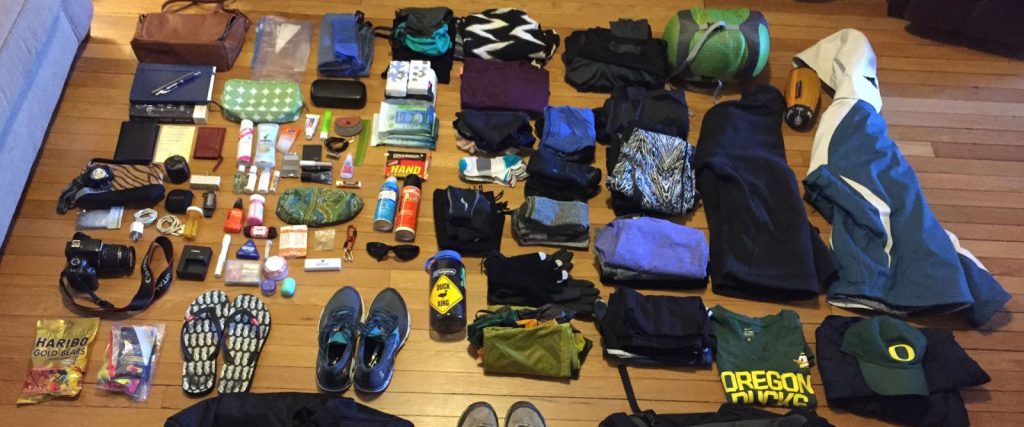
- A wide-brimmed hat and UVA- and UVB-blocking sunglasses.
- Broad-spectrum, water-resistant SPF 30 or higher sunscreen and SPF lip balm.
- A lightweight long-sleeved shirt and enough safe drinking water for the outing.
- Insect repellent if needed, plus a small clean cloth you can dampen to cool your skin.
Keep the sunscreen and water where you can take them out without unpacking the whole bag. Before leaving the lodge, check how long you will be out and whether the vehicle or boat has shade. That will tell you more about what you need than the temperature at breakfast.
Frequently Asked Questions
Do I need sunscreen on a cloudy safari day?
Yes, if you will be outdoors with exposed skin. Clouds and cool air are poor guides to UV exposure. Use your hat, clothing and sunscreen as planned.
Is SPF 50 necessary for an African safari?
Broad-spectrum SPF 30 or higher is a sensible baseline. SPF 50 is an option, but it does not replace applying enough, reapplying on schedule or taking shade breaks.
Can I get sunburnt inside a safari vehicle?
Yes, particularly if the roof is open or the sun reaches you through an open side. Use sunscreen on exposed skin and keep a light sleeve handy for the arm nearest the opening.
Build sun protection into the parts of your safari you can control. Apply sunscreen before departure, cover the skin that stays exposed when you sit or stand, and plan water and shade around the actual length of the outing. If the heat starts to affect you, tell your guide early. Taking a break when symptoms first appear is more useful than waiting for the next scheduled stop.