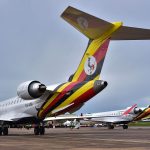

Luggage for Small Aircraft Safaris: Soft Bags and Weight Limits
A 12 kg duffel and a 4 kg camera bag add up to 16 kg. On a safari flight with a 15 kg allowance that includes hand luggage, you are already 1 kg over. Your international airline may have accepted both bags, but the small aircraft taking you to a safari airstrip can have a different policy.
Choosing luggage for small aircraft starts with three checks. Find out the total weight you can bring, how much of it can travel in the cabin and what size and shape the airline accepts. A bag can pass the scale test and still be too rigid or bulky to load.
How to Choose Luggage for Small Aircraft
A frameless, soft-sided duffel is a practical choice for most fly-in safaris. Look for one with a wide opening, strong grab handles and straps you can tuck away. It should keep a little flexibility when packed. A bag stuffed until the fabric is under tension will be harder to fit into a small hold.
“Soft-sided” does not always mean flexible. A fabric roller can have a stiff base, a telescopic handle and an internal frame. If you cannot compress the empty bag, ask your airline whether it accepts that design. Some safari carriers require soft bags, while others recommend them. A wheeled bag that worked on a previous holiday may be unsuitable for a different carrier or aircraft.
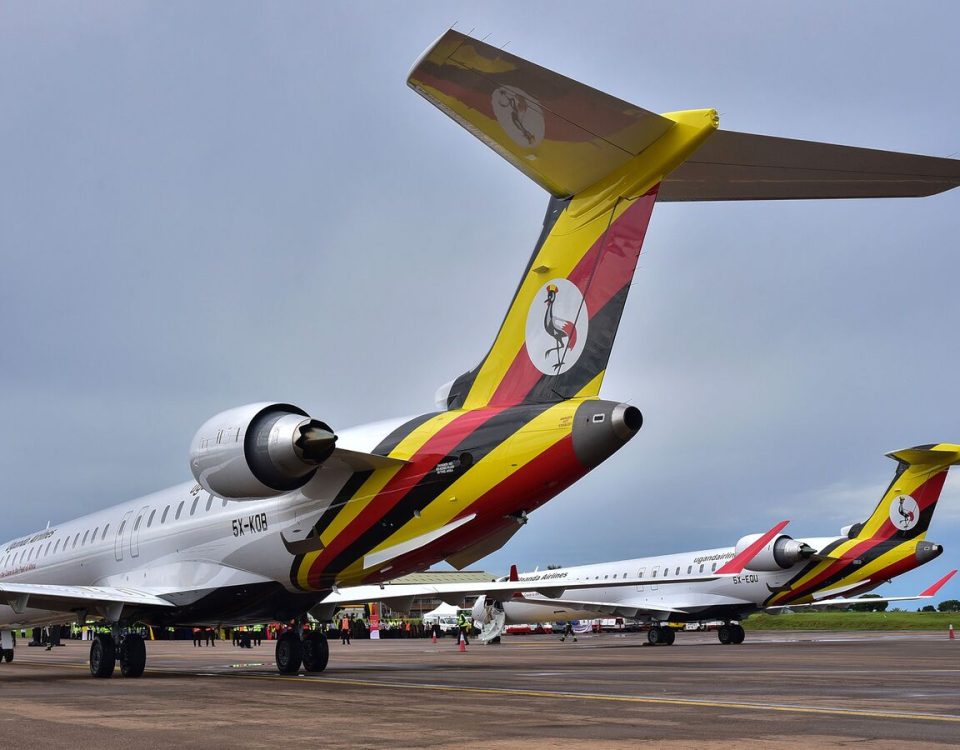
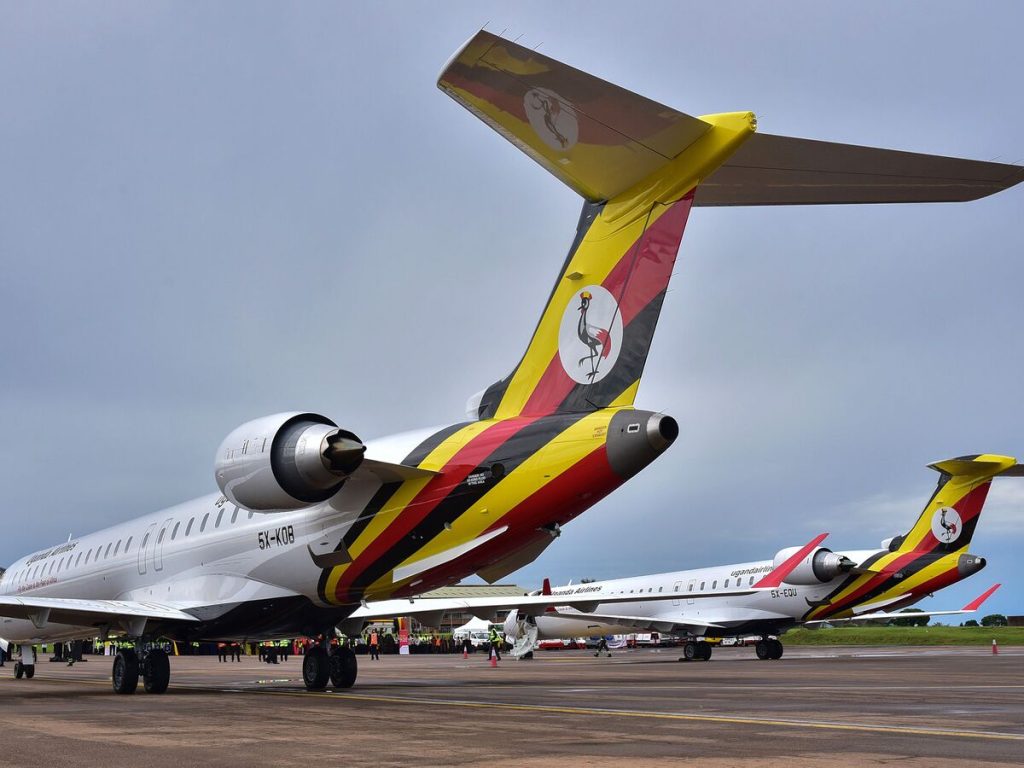
Measure your bag when packed, including protruding wheels, handles and full outer pockets. For example, AeroLink Uganda publishes a checked-bag guideline of 60 × 45 × 33 cm. That is an airline-specific example, so check the dimensions for every flight on your booking. A litre rating tells you how much a bag holds. It does not tell you whether the outside will fit.
How Safari Weight Limits Work
A 15 kg combined allowance, roughly 33 lb, is common on East African safari flights. AeroLink Uganda and AirKenya both publish a 15 kg total that includes hand luggage. Some routes allow more. Safarilink, for instance, publishes 20 kg for selected routes, including Diani and Mombasa. An allowance for one flight does not extend to a separate flight with a lower limit.
The combined allowance and the cabin limit are separate checks. AeroLink includes up to 5 kg of hand luggage within its 15 kg total. A 9 kg duffel and a 6 kg daypack meet the total but exceed the cabin allowance. If that extra kilogram consists of medication, spare batteries or gear you need to keep with you, moving it to the hold may not be an option. Sort out your cabin bag first, then use the remaining weight for your duffel.
Ask the airline operating each leg about weight, packed dimensions and how many pieces it accepts. If your itinerary includes a charter, ask the charter operator directly. Do not assume you can pool allowances with a partner. One oversized bag can still be difficult to load, even if the two of you are under your combined weight.
A Practical Packing Budget for 15 kg
Aim to finish below the limit rather than exactly on it. A small margin gives you room for an extra layer, a wet rain jacket or a modest souvenir. Here is an example for a traveller carrying a camera and binoculars.
| Packing category | Example weight |
|---|---|
| Empty soft duffel | 1.0 kg |
| Shirts, trousers, socks, underwear and sleepwear | 4.0 kg |
| Fleece and waterproof jacket | 1.0 kg |
| Spare shoes, toiletries and other small items | 2.5 kg |
| Daypack with camera, binoculars, electronics and essentials | 4.5 kg |
| Total | 13.0 kg |
In this example, the traveller has 2 kg left under the overall allowance, but only 0.5 kg to spare on a flight with a 5 kg cabin limit. An extra lens could tip the daypack over before the combined weight becomes a problem.
Weigh the empty bag before deciding what to cut. If the bag itself is heavy, replacing it may save more weight than removing a few shirts. For a trip with both game drives and forest trekking, wear your walking boots in transit if practical and pack one lighter pair for the lodge. Choose tops that work with both pairs of trousers, and confirm laundry turnaround before packing fewer changes. Keep a dry set of clothes for the next morning if your trekking outfit comes back wet or muddy.
What to Keep in Your Cabin Bag
Keep your passport, essential medication and valuables in a small bag that you can access easily. Include your lodge contact and airstrip pickup details on paper or save them offline. If your duffel is delayed, you should still be able to contact your driver and manage the first evening.
Power banks and spare lithium batteries belong in hand luggage. Protect exposed terminals against short circuits and check the airline’s rules on capacity and quantity. If staff need to load your daypack in the hold because of limited cabin space, tell them what is inside and remove your power bank and spare batteries before you hand it over.
Keep your camera kit compact. Weigh the lens, body, batteries and padding together before you decide whether you can take a second lens. For a long telephoto lens or a rigid protective case, send the airline the packed dimensions and weight well before departure. Ask what can travel in the cabin. Paying for extra baggage does not automatically give you more cabin space.
How to Handle Excess or Bulky Baggage
Ask about excess baggage before you pay for the flight if the equipment is essential. An airline may offer an advance baggage purchase or freight booking. It may also carry excess at check-in only if the aircraft has enough room and weight capacity. Those are different arrangements. Ask whether carriage is confirmed for the same flight or remains subject to space.
Give the airline the details that affect loading. These include the size of a camera case, whether a pram folds and whether a mobility aid contains a battery. Ask which items count against your allowance. Policies for assistive devices and infant equipment can differ from ordinary baggage rules. Do not assume that a lap infant has a separate baggage allowance.
If you cannot take a larger suitcase, ask your hotel, airline or safari operator about storage. This works best when you return to the place where you left it. Confirm collection hours, ask for a receipt and keep all essential items with you. If you fly into the Maasai Mara and finish at the coast, storing a suitcase at your departure airport may create another transfer. In that case, choose a bag for the entire itinerary or arrange delivery in advance.
Repack Before Your Safari Flight
If you are arriving with an international suitcase, decide where to repack before you reach the safari airline’s counter. A hotel stop is often simpler than sorting clothes and camera equipment during a short airport connection.
Put a clear name tag on the duffel and add a second label inside. Remove loose straps or secure them so they cannot catch during loading. Check the airstrip name on your ticket and share it with your lodge. When you land, check that the bag brought to your vehicle is yours before leaving the airstrip, particularly if several passengers are travelling with similar duffels.
Frequently Asked Questions
Can I take a hard-shell suitcase on a safari flight?
Some safari airlines do not accept rigid cases, while others may assess them individually. Use a flexible duffel unless the airline confirms that your particular case is acceptable.
Does a camera bag count towards the 15 kg allowance?
Yes, where the airline’s 15 kg limit includes hand luggage. Count the bag, padding and equipment when you weigh it. Check whether there is a separate cabin weight limit within the total.
Is a soft backpack suitable for a small aircraft safari?
It can be if it meets the airline’s size and weight rules. A daypack without a frame is generally easier to stow than a tall trekking backpack with a rigid back panel and loose straps.
Can I pay for an extra kilogram at the airport?
You may be able to, but payment alone does not guarantee space. If you need that extra weight for essential equipment, ask about advance arrangements and obtain written confirmation.
Packing Check
The day before departure, weigh your duffel and cabin bag separately, then add the figures. Measure the larger bag once it is full and confirm where every power bank and spare battery is packed. If the heaviest item is something you cannot leave behind, settle its carriage with the airline first. The rest of your packing list can then fit around it.