Lake Victoria Facts: Size, Countries, and Wildlife Travelers Should Know
Lake Victoria covers about 68,800 square kilometres, making it Africa’s largest lake by surface area. Uganda, Kenya and Tanzania share its waters, but the experience differs depending on where you visit. You can look for shoebills in Uganda’s papyrus wetlands, watch waterbirds near Kisumu in Kenya, or take a guided boat trip around a forested island in Tanzania.
Of all the Lake Victoria facts for travellers to know, the most useful is that the lake is too large to treat as one stop. An afternoon in Entebbe, a morning in the Mabamba wetlands and a stay on Rubondo Island offer different scenery, wildlife and travel times. Choose your base according to what you want to see, then build the lake visit into the route you are already taking.
Lake Victoria Facts for Travellers at a Glance
| Fact | What to know |
|---|---|
| Surface area | About 68,800 square kilometres |
| Average depth | About 40 metres |
| Elevation | About 1,134 metres above sea level |
| Countries on the lake | Uganda, Kenya and Tanzania |
| Major river flowing in | The Kagera River |
| Main outlet | The Victoria Nile, near Jinja in Uganda |
| Useful visitor bases | Entebbe in Uganda, Kisumu in Kenya and Mwanza in Tanzania |
| Wildlife to look for | Shoebills in suitable wetlands, other waterbirds, and hippos and crocodiles in some areas |
How Big Is Lake Victoria?
Lake Victoria’s surface area is roughly 26,600 square miles. On a clear day, you can stand on some stretches of shoreline and see water all the way to the horizon. That open stretch can also make a boat journey feel different from a sheltered trip through a papyrus channel, even when both outings start in the same part of the lake.
The lake is broad but relatively shallow for its size. Its average depth is about 40 metres. Lake Tanganyika, another of Africa’s Great Lakes, covers less surface area but is much deeper. That distinction is useful when you hear Lake Victoria called Africa’s largest lake. The ranking refers to how much ground its surface covers, rather than its depth or the amount of water it holds.
Which Countries Share Lake Victoria?
Tanzania has the largest share of the lake, including much of its southern waters. Mwanza is a useful starting point for a look at the Tanzanian shore. If you want an island wildlife stay, Rubondo Island National Park lies in the south-western part of the lake and requires separate transfer planning.
Uganda borders the lake to the north and north-west. Entebbe gives you a straightforward introduction to the shore, while Mabamba Bay is a better choice if birdwatching is the priority. Jinja is where the Victoria Nile leaves the lake. The Ssese Islands offer a slower stay, with Bugala Island serving as the main base around Kalangala.
Kenya has the smallest share of the lake. Kisumu sits on Winam Gulf and makes a convenient base for seeing the Kenyan shore. Nearby Dunga Swamp is a good place to learn about papyrus wetlands, watch for birds and see how fishing communities use the lake.
Rwanda and Burundi also appear on maps of the Lake Victoria Basin, but neither country has a Lake Victoria shoreline. The basin includes land and rivers that drain into the lake. The Kagera River carries water into Lake Victoria, while the Victoria Nile flows out near Jinja and forms part of the wider White Nile system.
What Wildlife Can You See at Lake Victoria?
Shoebills and other wetland birds
If the shoebill is high on your list, set aside a morning for Mabamba Bay. This Ugandan wetland has narrow waterways and thick stands of papyrus. A local bird guide can help you pick out a shoebill standing still near an opening in the vegetation. The bird can be hard to see, and no outing guarantees a sighting.
Bring binoculars even if you carry a camera. They make it easier to scan the reed edges and follow birds as they move between channels. You may also see kingfishers, herons or egrets. In Kenya, Dunga Swamp provides a different birding stop, with papyrus specialists such as the papyrus yellow warbler among the species recorded there.
Hippos and crocodiles
Hippos and crocodiles occur in parts of Lake Victoria, including around Rubondo Island, but you should not expect either animal at every shoreline stop. A busy urban waterfront and a quiet bay beside an island forest offer very different viewing conditions.
If you see a hippo or crocodile on a boat trip, let the guide choose the viewing distance. Use binoculars or a zoom lens instead of asking the boat operator to move closer. On land, avoid wandering into reed beds or down to an unfamiliar water’s edge.
Nile perch, tilapia and native cichlids
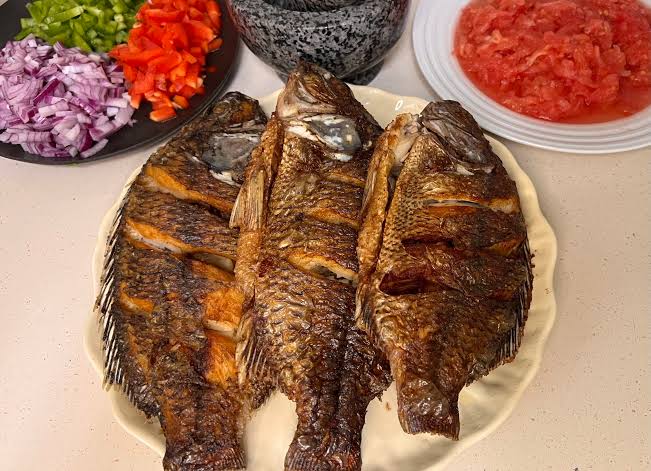
Fishing is part of daily life around Lake Victoria. At a landing site, you may see boats coming in, crews sorting their catch or traders preparing fish for sale. Ask before taking close-up photographs and give people room to work.
Under the surface, Lake Victoria is known for its remarkable variety of native cichlids. Many evolved within the lake and its surrounding waters. The introduction and later spread of predatory Nile perch contributed to severe declines among many native cichlids. Nile perch also became an important commercial catch. That history helps explain why discussions about protecting the lake’s fish diversity and supporting fishing livelihoods often involve difficult choices.
Where to Visit Lake Victoria on Your Trip
Entebbe, Mabamba Bay and the Ssese Islands, Uganda
If your safari starts or ends in Entebbe, set aside an afternoon for the lakeshore. If you want to look for shoebills, give Mabamba its own morning rather than trying to fit it in before a tight transfer or flight. Confirm where you will meet your guide, where the boat leaves and whether your transfer is included.
Choose the Ssese Islands if you have time for an overnight stay. Check the ferry departure point and schedule before fixing your plans. The boat crossing and onward transfer can take up a noticeable part of the day, so leave a buffer if you are travelling back to Entebbe for an international flight.
Kisumu and Dunga Swamp, Kenya
Kisumu suits travellers who want to combine a lakeside city stay with a short birding or community visit. At Dunga, ask about a guided wetland outing and spend time observing the shore as well as looking for birds. If you want to learn about fishing, ask your guide to explain what is happening at the landing site rather than treating it as a staged attraction.
Mwanza and Rubondo Island, Tanzania
Visit Mwanza if your route already takes you through northern Tanzania’s Lake Victoria region. For a more wildlife-focused stay, consider Rubondo Island National Park. Its forested shores and papyrus bays are best appreciated at a slower pace. Confirm how you will reach the island and whether your accommodation arranges boat outings or guided walks before you book.
Practical Tips for Visiting Lake Victoria
For a boat outing, choose an operator that provides properly fitting life jackets for everyone, including children. Ask what happens if wind or storms force the crew to delay the trip. Carry water, a light rain layer and a dry bag for your phone or camera. Narrow wetland channels can feel sheltered, but crossings on open water can be much rougher.
Do not assume a beach is safe for swimming because the water looks calm or other people are in it. Avoid swimming or wading in Lake Victoria because freshwater exposure can carry a risk of schistosomiasis. If swimming is important to your plans, choose accommodation with a properly maintained pool.
Frequently Asked Questions
Is Lake Victoria the largest lake in Africa?
Yes, it is Africa’s largest lake by surface area, at about 68,800 square kilometres. It is not Africa’s deepest lake. That distinction belongs to Lake Tanganyika.
Where can I see a shoebill near Lake Victoria?
Mabamba Bay in Uganda is a well-known place to look for shoebills. Book a guided boat outing through the wetland, bring binoculars and allow enough time to explore the channels. Sightings are never guaranteed.
Can I visit Lake Victoria without taking a boat?
Yes. Entebbe, Kisumu and Mwanza all offer ways to see the lake from land. A shore visit suits a short stop. A boat trip is more useful if you want to explore papyrus channels, watch wildlife from the water or reach an island.