Mwalimu Nyerere Museum in Butiama: Tanzania’s Independence Story
At the Mwalimu Nyerere Museum in Butiama, one distinction makes Tanzania’s independence story easier to follow. Tanganyika gained independence in 1961. Zanzibar gained independence separately in 1963. The two united in 1964. Julius Kambarage Nyerere helped lead mainland Tanganyika to independence and became the first president of the united country, but those events belong to different chapters of his life.
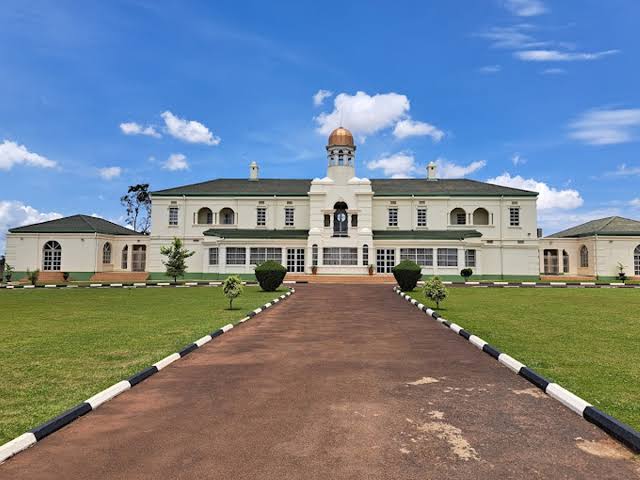
The museum stands at Mwitongo in Butiama, where Nyerere was born and where he is buried. Its collections cover his life before independence, his years in government and his retirement. If your Tanzania safari takes you towards Musoma or the Lake Victoria side of the Serengeti, Butiama offers a chance to spend part of your trip learning about the country beyond its national parks.
What You Can See at the Mwalimu Nyerere Museum
The National Museum of Tanzania describes the collection as a mix of objects and archival material associated with Nyerere’s life and presidency. The historical displays follow him through the independence campaign, the years of building a new state and the period after he stepped down. They also consider his role in African liberation movements beyond Tanzania.
The collection includes gifts Nyerere received in connection with the aftermath of the Kagera War, better known outside Tanzania as the Uganda–Tanzania War of 1978–1979. These belong to a later part of his presidency. Ask your guide what occasion a particular object commemorates and who gave it. A gift can tell you what the people presenting it wanted to recognise at the time.
The museum and Nyerere’s burial place are associated with the same area of Butiama, but check what your visit includes. Ask whether you can see the burial site on the same visit and whether there are separate arrangements or restrictions. That is particularly useful if you have a driver waiting or a fixed departure time.
Why Julius Nyerere Was Called Mwalimu
Mwalimu means teacher in Swahili. Nyerere trained as a teacher at Makerere College in Kampala and taught before becoming a full-time political leader. The title stayed with him after he entered politics. It is the name you will often hear in Tanzania when people refer to him as a public figure rather than only as a former president.
Butiama adds something a national timeline cannot. It places Nyerere in the community where his life began and where he returned after his presidency. Ask your guide what the museum tells you about those years. A visit centred entirely on official titles can leave out the parts of his life that help explain why people still call him Mwalimu.
Tanzania’s Independence Story in Seven Dates
| Date | What happened |
|---|---|
| 1954 | Nyerere helped turn the Tanganyika African Association into the Tanganyika African National Union, or TANU. |
| 9 December 1961 | Tanganyika gained independence from British administration, with Nyerere as prime minister. |
| 9 December 1962 | Tanganyika became a republic, with Nyerere as its first president. |
| 10 December 1963 | Zanzibar gained independence separately, under its sultan. |
| 12 January 1964 | The Zanzibar Revolution overthrew the sultanate. |
| 26 April 1964 | Tanganyika and Zanzibar united. The new country took the name Tanzania later that year. |
| 1967 | The Arusha Declaration set out TANU’s commitment to socialism and self-reliance. |
How Tanganyika moved towards independence
Britain administered Tanganyika after the First World War, initially under a League of Nations mandate and later under United Nations trusteeship. By the 1950s, TANU had become the main organisation pressing for independence. Nyerere led the movement, but it depended on organisers, local branches and supporters who turned a political demand into a national campaign.
When Tanganyika became independent in December 1961, Nyerere was prime minister. He became president after Tanganyika became a republic a year later. If you see an early photograph or document in the museum, check its date before assuming it shows him as president. The difference between those two offices explains what changed in 1962.
How Tanganyika and Zanzibar formed Tanzania
Zanzibar’s path was separate. The islands gained independence in December 1963. The revolution the following January ended the sultanate and brought a new government to power under Abeid Amani Karume. Nyerere and Karume then agreed to the union of Tanganyika and Zanzibar, which took effect in April 1964.
When a guide refers to mainland Independence Day and Union Day, they are talking about different events. 9 December recalls Tanganyika’s independence. 26 April marks the union. If you are also visiting Zanzibar, keep its independence and revolution in mind. They explain why the history of the islands does not begin with the creation of Tanzania.
What Happened After Independence?
Ujamaa and the Arusha Declaration
Independence left Tanzania with decisions about how to organise its economy, provide public services and govern rural areas. The 1967 Arusha Declaration called for socialism and self-reliance. Nyerere’s approach became closely associated with ujamaa, a Swahili term often translated as “familyhood”.
The policies that followed included bringing major businesses under state control and reorganising rural settlements into villages. The government argued that bringing people together would make it easier to provide services and organise production. Some relocations were compulsory. That experience is important to understanding the policy alongside its stated goals of equality and cooperation.
A useful question at the museum is, “How did this policy change daily life for people outside the cities?” It takes the conversation beyond the wording of the declaration and leaves room to discuss what families experienced.
Tanzania’s role beyond its borders
Nyerere supported African liberation movements, including those opposing colonial and minority rule in southern Africa. Tanzania provided a base for some of these movements. This is one reason the museum places his career in a wider African context. A display about a foreign leader, movement or conflict can help you see what Tanzania’s government thought independence meant beyond its own borders.
Nyerere stepped down as president in 1985 and died in 1999. The museum covers his retirement as well as his years in office. If your visit has focused on independence and union, leave time for the later displays. They show how much of his public life came after the events of 1961 and 1964.
How to Plan a Visit to Butiama
The museum is at Mwitongo in Butiama, in Tanzania’s Mara Region. Musoma is a useful point of reference when arranging a road transfer. Give your driver the museum’s full name and confirm the pickup point and return journey, especially if you are booking transport separately.
Before setting out, ask the museum about opening hours, entry fees, accepted payment methods and guide availability. If you want a tour in English, request it in advance. Ask which areas are open, whether photographs are permitted and what access involves if anyone in your group has difficulty with steps or uneven paths.
If you are combining the visit with a safari transfer, check the route before adding it to the day. Butiama is easier to consider when your itinerary already takes you towards Musoma or Lake Victoria. It is not a short detour from every Serengeti camp. Ask your driver to account for the museum visit as well as the remaining road journey and any park gate deadline.
For families, pick one theme before you arrive. Children might look for objects linked to Nyerere’s time as a teacher or try to put independence, the republic and the union in order. With older students, compare the goals of ujamaa with what happened during its implementation. A clear question gives the visit more purpose than trying to remember every date.
Frequently Asked Questions
Was Nyerere president when Tanganyika gained independence?
No. He was prime minister in December 1961. He became president when Tanganyika became a republic in December 1962.
Is Butiama where Nyerere is buried?
Yes. Butiama is his birthplace and burial place. Confirm whether access to the burial site is included on the day you plan to visit.
When is Nyerere Memorial Day?
The National Museum of Tanzania lists 14 October as Nyerere Memorial Day. If you plan to visit then, check the programme and visitor arrangements in advance.
Go to Butiama with one question about independence and another about what followed. When did Tanganyika become a republic? What did self-reliance change for families in rural Tanzania? Asking both allows you to appreciate what Nyerere helped achieve and understand why some of his government’s choices remain debated.