Responsible Elephant Encounters: Which Experiences to Avoid
Responsible elephant encounters let you watch elephants without changing what they do. On a well-guided safari, a herd can feed, rest or cross the track while your driver gives it room. You may get a clear view, or the elephants may move into cover. Either way, the animals set the pace.
Avoid experiences that sell elephant rides, bathing, hand-feeding, performances or posed photos that require an elephant to stay close. If you want to visit a rescue centre, choose an observation-only visit where keepers provide the care and elephants can move away. Before you book, ask one simple question: What happens if the elephant walks away? The answer tells you more than words such as “ethical” or “sanctuary” on a brochure.
What responsible elephant encounters look like
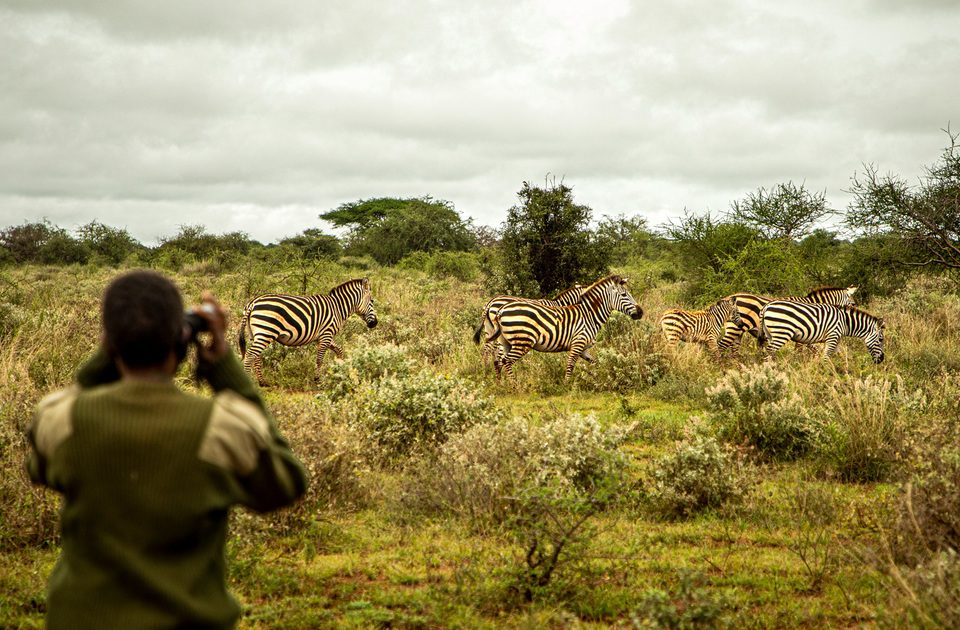
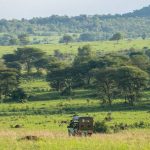
Watching elephants in the wild on a guided game drive is the simplest option. A good guide keeps a clear route open for the herd, follows park rules and moves away if the vehicle is disturbing the animals. Nobody calls an elephant closer, offers it food or promises you a particular photograph.
The same approach applies when the elephants come towards you. An animal choosing to walk past a stationary vehicle is different from a driver pulling forward to get close. Stay where your guide asks you to, keep your voice low and let the elephant finish crossing. You can often see more of what the herd is doing when you have enough distance to watch several animals at once.
At a rescue or rehabilitation facility, the priority should be the animals’ care. An observation-only visit lets you learn what keepers do without taking part in feeding, washing or handling. The facility should be able to explain why its elephants are there, what care they need and whether release is possible.
Elephant experiences to avoid
| Experience | What to avoid | What to choose instead |
|---|---|---|
| Elephant rides | Any ride, whether it uses a saddle or is advertised as bareback | A guided drive where you watch free-ranging elephants |
| Bathing or washing | Joining an elephant in the water or scrubbing it as part of a visitor session | Watching a herd use a waterhole or observing a mud bath from a designated area |
| Hand-feeding | Giving elephants fruit, milk or treats as a visitor activity | Watching elephants forage or observing trained keepers provide necessary care |
| Posed photos | Touching an elephant, standing beside it on cue or asking it to hold a pose | Photographing natural behaviour with a zoom lens |
| Shows and performances | Tricks or rehearsed routines staged for an audience | A guide or keeper explaining behaviour as you observe it |
Skip riding, even when there’s no saddle
A bareback ride still requires the elephant to carry a visitor and follow a handler’s directions. The absence of a saddle tells you little about how the animal is trained, handled or rested between bookings. If an operator offers a ride among several activities, ask them to remove it from your itinerary and replace it with a game drive or another wildlife activity that doesn’t involve contact.
Watch elephants bathe without joining them
An elephant throwing mud over its back is worth stopping to watch. A visitor session that requires the elephant to stand in a particular place while people wash or touch it is different. The activity follows a booking schedule and depends on keeping the animal close. Choose a viewing spot where the elephants can enter and leave the water on their own.
Leave feeding to keepers
At a rehabilitation facility, feeding may be an essential part of care, especially for young orphaned elephants. That does not make bottle-feeding a suitable visitor activity. You can watch a keeper at work without handling the bottle yourself. On a game drive, never offer food, even if an elephant comes close to your vehicle. Let wild elephants find their own food and move on without expecting a reward.
Don’t pay for a guaranteed close-up
A photograph taken with a long lens can look as if the visitor was much closer than they were. Judge the encounter by how it happens, not by the finished picture. If the activity guarantees that you can stand next to an elephant, touch its trunk or have it pose beside you, skip it. On a game drive, ask your guide for a clear view from a permitted position rather than a shorter distance.
How to assess an elephant rescue centre
The words sanctuary, orphanage and rescue centre describe what a facility says it does. They don’t tell you how it manages visitors or where its animals came from. Before paying, read the description of the actual visit. Phrases such as “hands-on care” or “meet the babies” are worth clarifying. Ask whether guests remain in a designated viewing area throughout and whether any part of the visit involves direct contact.
It’s reasonable to ask why the elephants are in care and what happens when they grow older. Some facilities work towards release or gradual reintegration. Others provide long-term care for animals that can’t return to the wild. A credible explanation should make sense for the individual animals. If the centre always has calves available for visitor sessions, ask where they come from and whether the facility breeds or acquires animals for display.
In Kenya, the Sheldrick Wildlife Trust’s associated lodges describe visits to their reintegration units as observation-only. Their published rules prohibit visitors from feeding, playing with or walking alongside the orphaned elephants. If you’re considering a visit to a different unit or nursery, check its own visitor rules. The format can vary by site.
How to behave around wild elephants on safari
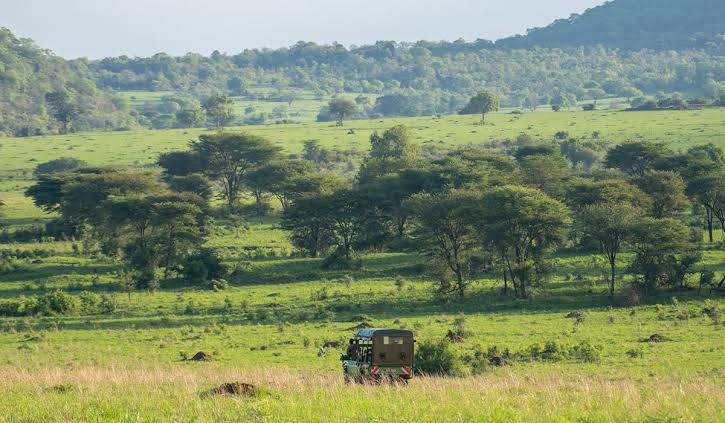
Kenya’s Amboseli National Park is a good place to watch elephant herds in open country and around wetlands. In Uganda, Murchison Falls National Park also offers opportunities to see elephants in the wild. At either park, plan for time to watch the herd rather than expecting the closest sighting of the trip.
If elephants approach a track, let your guide decide when to stop or move. Don’t ask the driver to pull between animals or follow a group that is moving away. Where several vehicles have gathered, waiting behind them or moving on may be the better choice. A herd needs space to cross without having to work its way around vehicles.
Stay in the vehicle unless your guide explicitly says it’s safe and permitted to get out. Keep your hands and equipment inside when asked, and avoid shouting, whistling or using food to attract attention. If you’re on an authorised guided walk and see an elephant, follow your guide’s instructions immediately. Rules and conditions vary, so don’t rely on a distance you read about for another park.
You can brief children in a few words before the drive. Tell them they’ll watch elephants eating, walking and interacting, and that the family will stay quiet if one comes near. If a child wants a close look, pass them the binoculars. Give them something specific to watch, such as how an elephant gathers grass with its trunk or how a calf stays near the adults as the herd moves.
Questions to ask before booking an elephant encounter
Ask your operator whether the elephants are free-ranging or in human care, exactly what visitors do and whether the animals can leave the viewing area. If the stop is part of a package, ask for the name of the facility. That lets you check its visitor rules instead of relying on a line in the itinerary that says “elephant experience”.
If the operator says your fee supports rescue or conservation, ask which organisation receives the payment and what the fee funds. A visit can support useful work, but that claim doesn’t replace clear welfare rules. If the operator can’t explain what visitors are allowed to do, choose a guided game drive instead.
Frequently asked questions
Are all elephant orphanage visits harmful?
No. A limited, supervised visit can let you learn about rescue work without taking part in animal care. Prefer visits where staff explain what they do while guests observe. Skip packages that sell holding, bathing or bottle-feeding an elephant.
Can I take photos of wild elephants responsibly?
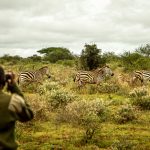
Yes. Use binoculars or a zoom lens, follow your guide’s instructions and accept the angle you have. Don’t ask the driver to block the herd’s route or move closer if the animals are leaving. A wider photo can show how the elephants move together and what kind of habitat they’re using.
What if an elephant comes close to the vehicle?
Stay seated or follow the position your guide recommends, keep quiet and don’t reach out. Let the guide decide whether to remain still or move the vehicle. Even when an elephant approaches on its own, it’s still a wild animal.