Community Conservancies in Northern Kenya: How They Work
Community conservancies in northern Kenya are areas where local communities organise wildlife conservation alongside other land uses, including livestock grazing. A conservancy can employ rangers, protect habitat and earn income from tourism. It can also help coordinate decisions about which areas to graze and which to rest. Unlike a national park, a community conservancy can include land that people use in their everyday lives.
The arrangement is different in each place. At Sera, a community-run rhino sanctuary operates within a wider conservancy. In Namunyak, near the Mathews Range, visitors can learn about elephant rehabilitation at Reteti. Before booking either experience, ask who makes decisions about the land and where your visitor fee goes. The name of a lodge or its conservation partner may tell you less than you think about who runs the conservancy.
How community conservancies in northern Kenya work
A community conservancy starts with a decision about how to use land. The purpose is to conserve wildlife and habitat while allowing compatible activities. In northern Kenya, that often means planning for wildlife and livestock in the same wider landscape. It doesn’t mean cattle can graze everywhere, or that the entire conservancy is reserved for wildlife.
Three institutions may be involved. The community and its land representatives deal with rights and decisions about community land. A conservancy board and staff may oversee budgets, ranger work and tourism agreements. A support organisation, such as the Northern Rangelands Trust, may help member conservancies raise funds, train staff or develop programmes. A safari lodge may be another partner. These roles can overlap, but a lodge operating on community land doesn’t necessarily own that land or speak for everyone who uses it.
| Part of the conservancy | What it may involve | What to ask |
|---|---|---|
| Land and governance | Community decisions, representation and land-use agreements | Who approved the arrangement, and who can change it? |
| Grazing management | Seasonal access, resting areas and drought reserves | Who decides when grazing areas open or close? |
| Wildlife protection | Ranger patrols, wildlife monitoring and habitat management | Who employs the rangers and oversees their work? |
| Tourism | Lodge agreements, visitor fees or guided activities | Who collects the fee, and what does it pay for? |
| Community benefits | Jobs, local purchasing or spending on shared services | Who gets the benefits, and how are decisions reported? |
How grazing and wildlife share the land
Grazing plans have to work through dry years
A grazing plan may divide land into areas used at different times of year. Herds might use one area after rain while another rests, leaving grass available later in the dry season. Some conservancies set aside specific areas for wildlife or tourism. A rhino sanctuary, for instance, can have tighter access rules than the rangeland around it.
The hard decisions come when rain fails. A reserve area can be valuable to families who need pasture, but it can lose that value if too many herds use it early. A plan also needs to account for pastoralists whose seasonal routes take them beyond one conservancy’s boundary. When you hear that grazing is “managed”, ask who sets the rules, how herders are consulted and what happens when drought makes the normal schedule impractical.
Rangers do more than look for poachers
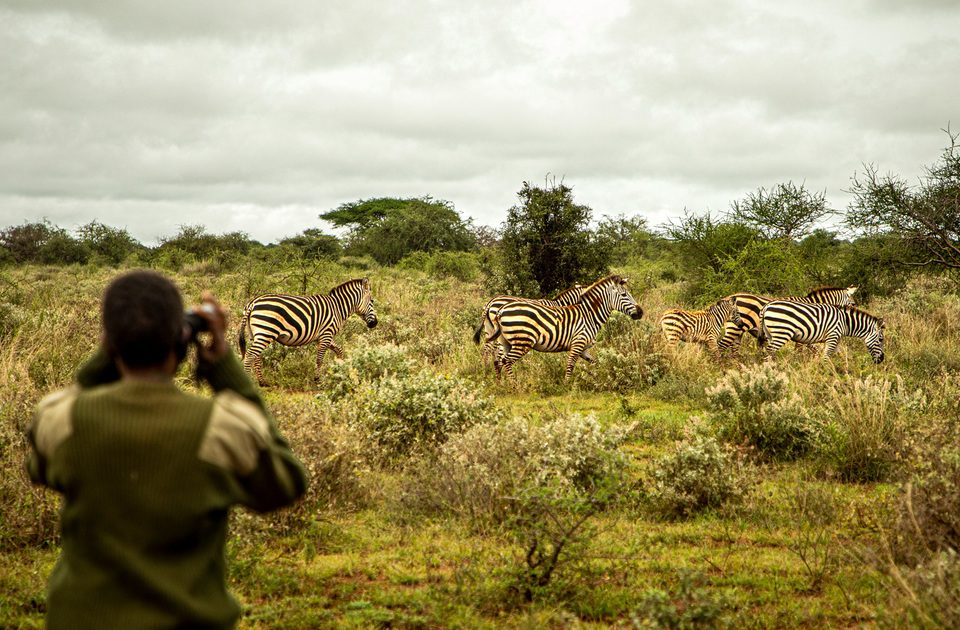
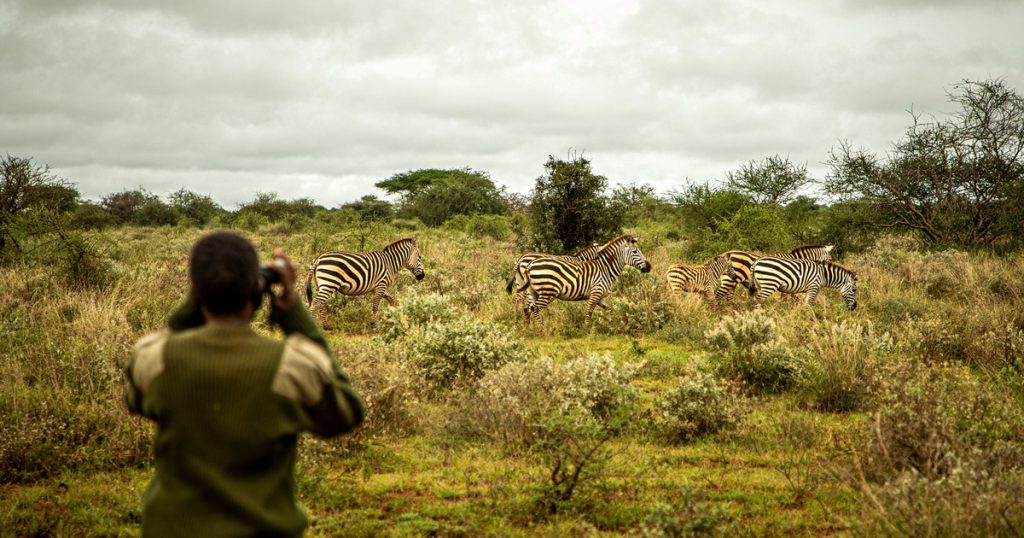
Community rangers or scouts may monitor wildlife, record sightings and report incidents to the relevant authorities. At a rhino sanctuary, part of the job is keeping track of individual animals and supporting their protection. Elsewhere, teams may record elephant movements or respond to reports of wildlife near livestock or homes.
Guides and rangers also have different jobs, even if you meet both on the same outing. Your guide interprets what you see and manages the visit. Rangers may be working on protection or monitoring rather than leading tours. If you want to understand their work, ask your guide about a specific task, such as how staff record an animal sighting, rather than asking for patrol routes or other sensitive details.
Where conservancy money comes from
A community conservancy may receive tourism fees, grants or income under agreements with lodges and activity operators. Some conservancies receive little visitor income, so a modest camp and an established lodge partnership won’t necessarily support the same number of staff or projects. The mix of funding can change over time.
Money that reaches a conservancy may pay for ranger salaries, vehicles, equipment or habitat work. Some agreements also support local projects or create paid work for guides, cooks and maintenance staff. These are different benefits. The conservancy fee helps fund its work, while a wage goes to the person doing a job. Both can be valuable, but you shouldn’t assume that every payment made at a lodge goes into a community fund.
Ask for the conservancy fee per person or per night and the name of the organisation that receives it. If the fee is bundled into the room price, ask whether the lodge can tell you the amount. An operator might explain that the fee supports ranger salaries and equipment. That gives you a clearer answer than a general promise that part of your booking helps local people.
Two examples of community conservancies in northern Kenya
Namunyak and Reteti Elephant Sanctuary
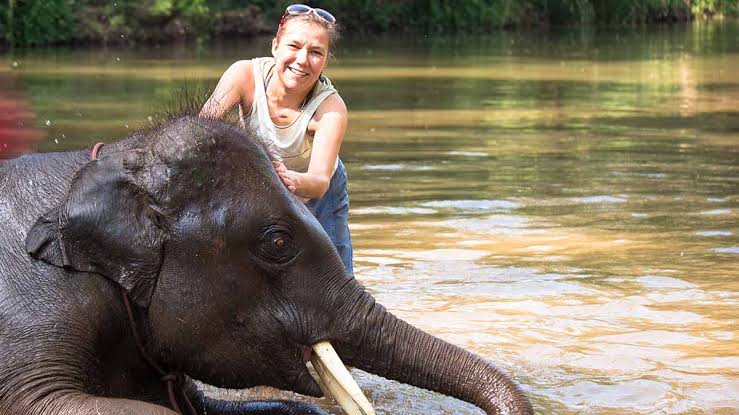
Namunyak lies around the Mathews Range in Samburu County. Reteti Elephant Sanctuary, within the conservancy, describes itself as owned and run by the Samburu community. A visit there can help you understand the work involved in caring for rescued elephants. It’s a different experience from watching free-ranging elephants on a game drive.
If you plan to visit, ask which part of your booking covers the sanctuary and which part pays for transport or accommodation. Check the sanctuary’s visitor rules separately. Also ask your guide how people use the wider landscape around Namunyak. The sanctuary tells one part of the story. Grazing, local livelihoods and wildlife movement continue beyond it.
Sera and community-run rhino protection
Sera Rhino Sanctuary began in 2015 with ten black rhinos brought in through a partnership involving Sera, Kenya Wildlife Service, Lewa Wildlife Conservancy and the Northern Rangelands Trust. It shows how a community-run institution can work with public agencies and conservation partners on a project that requires specialised staff and long-term monitoring.
Sera offers guided rhino tracking. Before booking, ask how much walking is involved, what happens if conditions change and which fee covers the sanctuary. Treat it as a chance to learn about rhino protection, rather than a promise of a close encounter. Your guide will decide what’s appropriate on the day.
Community control means more than a name
Calling a conservancy “community-led” doesn’t settle who has a say. A useful question is whether the people affected by a decision can take part in it, including those who rely on seasonal grazing. Kenya’s Community Land Act provides a framework for recognising, registering and managing community land. That framework is separate from a commercial agreement with a lodge or a conservation project.
A case in Isiolo shows why the distinction matters. In January 2025, Kenya’s Environment and Land Court found that two conservancies, Cherab and Biliqo Bulesa, had been established without the required processes on unregistered community land. The ruling was appealed. The case concerned those specific conservancies. It gives you a reason to ask how consent and representation work at the place you plan to visit, rather than drawing a conclusion about every conservancy in northern Kenya.
What to check before you visit
Ask your operator to name the conservancy, the lodge and any separately managed sanctuary or activity. Confirm what your package includes, whether you’ll pay another fee on arrival and who provides the guide. If you’re staying several nights, ask whether the conservancy fee is charged each night or once for the stay.
Treat grazing areas, homes and water points as places people use, rather than stops that are automatically open to visitors. Go with a guide where required and ask before photographing people or livestock. If you’d like to buy crafts or arrange a cultural visit, ask who runs the activity and whether you can pay the makers or hosts directly.
Frequently asked questions
Is a community conservancy the same as a national park?
No. A community conservancy is organised around community land and local management arrangements. Wildlife protection may sit alongside grazing, tourism and other agreed uses. National parks operate under a different management and access framework.
Does the whole conservancy fee go directly to local households?
Usually, you can’t assume that it does. It may cover staff, monitoring, equipment or shared projects. Ask who receives the fee and how they decide what to spend it on.
Can you visit a conservancy without staying at its lodge?
Sometimes. Sera, for example, advertises guided day visits. Other conservancies or activities may require advance arrangements or have restricted access. Confirm the rules for the specific conservancy rather than relying on what another lodge or guide offers.