5 Day Tanzania Northern Circuit: Tarangire, Manyara, Ngorongoro, and Serengeti
This 5 day Tanzania Northern Circuit itinerary gives you a game drive in Tarangire, a shorter visit to Lake Manyara, a dedicated Ngorongoro Crater outing and one night in the central Serengeti. Start in Arusha, spend three nights in Karatu, then fly back to the Arusha area from the Serengeti on Day 5.
The main trade-off is time in the Serengeti. You’ll have wildlife viewing on the way to camp and may have time for a short morning drive before your flight. You won’t have a full day there. If the Serengeti is the main reason for your trip, add a sixth day. If five days is firm, this plan lets you visit all four destinations without combining the crater descent and the longest drive in one day.
5 day Tanzania Northern Circuit at a glance
| Day | Route or destination | What to plan | Overnight |
|---|---|---|---|
| 1 | Arusha to Tarangire, then Karatu | Early departure and several hours of game viewing | Karatu |
| 2 | Lake Manyara National Park | Morning game drive and a relaxed afternoon | Karatu |
| 3 | Ngorongoro Crater | Early crater descent and a return to the same lodge | Karatu |
| 4 | Karatu to central Serengeti | Highland transfer and wildlife viewing en route | Central Serengeti |
| 5 | Central Serengeti to Arusha area | Short drive if your flight allows, then fly out | Arusha area or onward travel |
This plan assumes you’re already in Arusha on the morning of Day 1. If your international flight arrives that day, spend the night near Arusha and start the itinerary the next morning. Confirm the Day 5 bush flight before paying for the Serengeti camp.
Day 1 — Drive from Arusha to Tarangire National Park
Leave Arusha after an early breakfast. Allow roughly two to three hours to reach Tarangire, depending on your pickup point and the route. Start the drive early enough to spend several hours in the park before continuing to Karatu. If your lodge is serving dinner, give it an estimated arrival time and have your guide update it if you’re delayed.
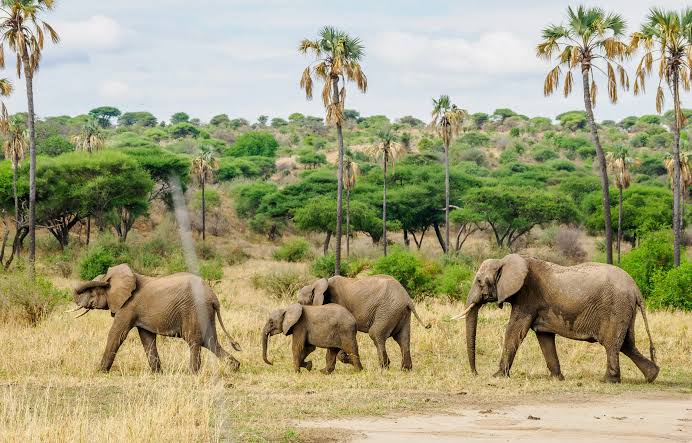
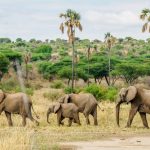
Tarangire is known for its elephants and baobab trees. Ask your guide where recent rain or dry conditions have been drawing wildlife rather than insisting on one particular waterhole. When you find an elephant herd, spend time watching how it feeds or moves. You’ll learn more from one unhurried sighting than from passing several herds without stopping.
Bring a packed lunch or confirm where your operator plans to stop. The onward drive to Karatu makes this a longer day, so leave the park with enough daylight for the transfer. The benefit of pushing on to Karatu is that you won’t need to move lodges for the next two nights.
Day 2 — Explore Lake Manyara National Park
Return towards Lake Manyara for a morning game drive. Start in the groundwater forest near the northern entrance. Unlike the more open stretches of Tarangire, this part of Manyara rewards slower observation. Look for blue monkeys, baboons and forest birds, and use binoculars when movement in the canopy is hard to follow.
Lake Manyara is often advertised for its tree-climbing lions, but don’t book the visit on the assumption that you’ll see one. Where you can drive and what you can see along the shore depend on conditions. Ask which tracks are accessible and how much viewing time your guide expects. A short drive through the forest can still be worthwhile if the lakeshore is less accessible.
Return to Karatu for a relaxed afternoon. If you’d like to visit a market or arrange a local walk, ask your lodge or guide what fits. Otherwise, take the break. You have an early start for Ngorongoro the next morning and a long transfer the day after that.
Day 3 — Descend into the Ngorongoro Crater
Leave Karatu early for the Ngorongoro Conservation Area. The journey includes entry formalities and a drive to the descent road, so your game drive doesn’t begin as soon as you leave the lodge. Pack a warm layer for the highlands, even if the previous afternoon at Lake Manyara felt hot.
On the crater floor, look for grazing animals on the open grassland and watch how the scenery changes around the wetter areas. You may see buffalo, hippos or lions. Black rhinos are possible, but a sighting is never certain and may be distant. Ask your guide to choose a route based on what you can see that day rather than trying to tick off every species.
Return to Karatu for the night. When you compare quotes, check that the operator has included conservation-area entry and the separate crater service charge. Also ask how the quote handles your road transit through the conservation area on Day 4. Passing through the highlands on your way to the Serengeti is a separate part of the itinerary from descending to the crater floor.
Day 4 — Cross the highlands to the central Serengeti
Leave Karatu in the morning and drive through the Ngorongoro Conservation Area towards the Serengeti. A common route enters the park at Naabi Hill Gate before continuing towards Seronera in the central Serengeti. Budget roughly five to six hours of driving as a planning estimate, then allow extra time for gate formalities, lunch and sightings. Ask your operator to confirm the estimate for your actual camp, especially if recent rain has slowed the roads.
You can look for wildlife along permitted tracks as you approach camp, but count this as a transfer day with viewing opportunities. Don’t count on a separate late-afternoon drive. If you have good sightings and enough time, your guide can stop. If the road takes longer than expected, continue to camp and use the remaining daylight sensibly.
Choose a camp based on where you’ll drive and which airstrip you’ll use, not just the word Serengeti in its name. A central camp near Seronera suits this short itinerary. If you choose a camp much farther north or west to follow the migration, recheck both the road transfer and the flight before booking.
Day 5 — Take a short game drive and fly out
If your flight leaves late enough, take a short morning game drive near camp or on the way to the airstrip. If you have an early flight, go straight to check-in. If your operator lists a morning drive as included, ask whether it’s a dedicated outing or simply wildlife viewing on the way to the airstrip.
Confirm the flight’s arrival airport. Arusha Airport and Kilimanjaro International Airport are different airports. If the bush flight lands at Arusha and you’re departing internationally from Kilimanjaro, you’ll need a road transfer. Check baggage weight, bag dimensions and whether the airline requires a soft bag. If the international flight is on a separate ticket, leave a generous connection buffer or spend the night near Arusha or Kilimanjaro airport.
What to confirm before booking
- The Day 1 pickup and Day 5 flight. Start from Arusha in the morning and confirm the flight before choosing your Serengeti camp.
- All park and conservation-area charges. Ask for an itemised quote covering park entry, crater service, applicable transit charges and any fees tied to your camp.
- Daytime meals. Confirm which days include packed lunches and how the operator handles dietary requirements.
- The time you’ll spend viewing wildlife. Ask the operator to separate dedicated game drives from road transfers with stops. This is especially useful when comparing two five-day quotes.
Frequently asked questions
Can I do this five-day itinerary entirely by road?
Yes, but the final day becomes a long return drive and may leave little room for a separate Serengeti game drive. If you want to keep all four destinations and return by road, adding a sixth day is the better choice. Don’t plan a tight international connection after driving out of the Serengeti.
Which park should I drop if I want more Serengeti time?
Lake Manyara is the easiest stop to remove from this route. Use that day to move the crater visit and onward transfer earlier, giving you two nights in the Serengeti and a full day between them. Keep Manyara if forest birding, monkeys or a less hurried day around Karatu matter more to you.
Can I see the Great Migration on this itinerary?
Possibly, but the herds don’t stay in central Serengeti year-round. If seeing the migration is a priority, choose your camp and dates around the part of the park the herds are likely to use. With only one night, don’t plan on reaching a distant herd or seeing a river crossing.