
European Summer Holidays in East Africa: Is July and August Too Busy?
July and August are busy in parts of East Africa, but they’re not too busy for a good safari. You’ll notice the most pressure at popular Mara River sightings, at camps close to the migration and when booking gorilla permits for specific dates. The rest of your trip may feel quite different. A busy riverbank doesn’t mean every game drive will be crowded, and a fully booked lodge doesn’t tell you how many vehicles you’ll see on the tracks you use.
If the European school holidays are your only chance to travel, I’d keep the dates and change the itinerary before giving up on the trip. Choose one main wildlife goal, stay at least three nights near it and tell your guide how you feel about crowds. If you’d rather watch elephants on a quiet track than wait in a line of vehicles for a crossing, say so before the drive. That one decision can change how you spend much of the day.
July and August safaris at a glance
| Where you’re considering | Where you’re most likely to notice the crowds | How to plan around them |
|---|---|---|
| Maasai Mara, Kenya | Popular river approaches and well-known sightings | Stay several nights and leave time to explore away from the river |
| Northern Serengeti, Tanzania | Camps near the Mara River and tracks leading to crossing areas | Choose a camp for your exact dates and ask what else you can see nearby |
| Ngorongoro Crater, Tanzania | Vehicles gathering around a good lion or rhino sighting | Start early if practical, but give your guide the option to move on |
| Bwindi, Uganda | Permit availability and the morning briefing point | Book the permit first, then choose a lodge near the correct sector |
| Volcanoes National Park, Rwanda | Availability of the most convenient permit dates and lodges | Confirm your trek and nearby accommodation before booking extra stops |
| Ruaha, Tanzania | The greater challenge may be arranging access, rather than sharing a sighting | Check flight or road connections before choosing it as a quieter alternative |
Is July quieter than August?
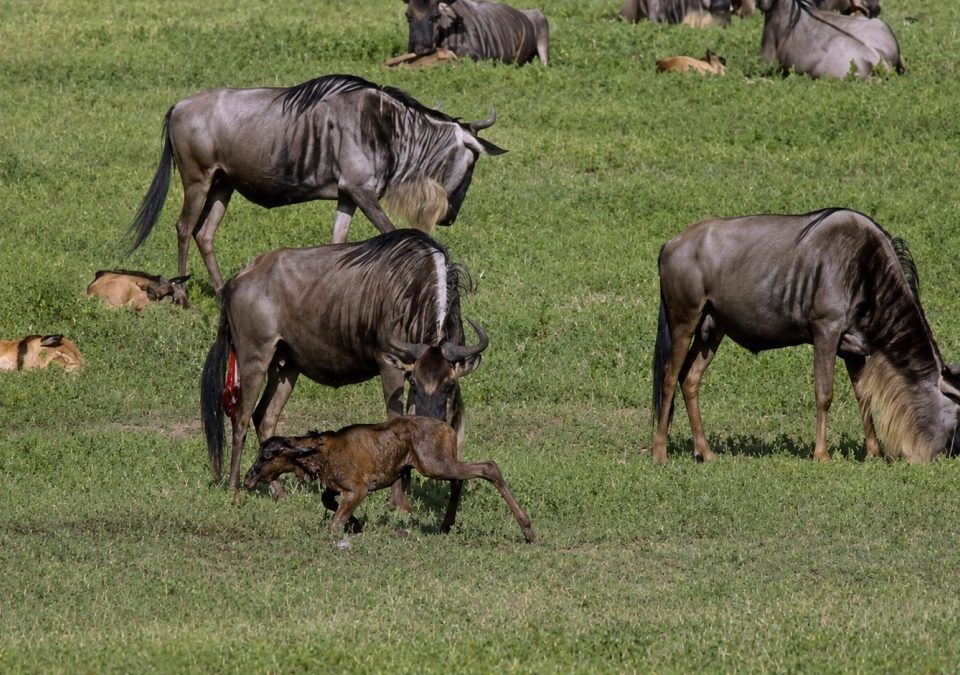
There isn’t a reliable rule that makes one month quieter everywhere. For a migration safari, the difference is more about where you go than which month you choose. In July, some wildebeest may still be in the Serengeti’s Western Corridor while others are moving north. A camp in the west can make sense for one set of dates, while a camp farther north may be a better choice for another. Don’t book early July on the assumption that the herds will already be in Kenya.
In August, the northern Serengeti and the Maasai Mara are useful places to consider if you want to look for herds near the Mara River. That can bring vehicles to the same approaches, particularly when animals are close to the water. It still doesn’t mean you’ll see a crossing. Herds can graze, turn back or remain near the bank for hours. If your children are happy to watch for a while but not all afternoon, agree on how long you’ll wait before exploring elsewhere.
If a crossing is not your priority, there’s little reason to organise both months around the migration. Choose the parks that suit the wildlife you want to see and the amount of driving your group enjoys. August at a quieter park may suit you better than July at a camp chosen mainly for its proximity to a famous viewpoint.
Kenya: Give the Maasai Mara time, or choose a different focus
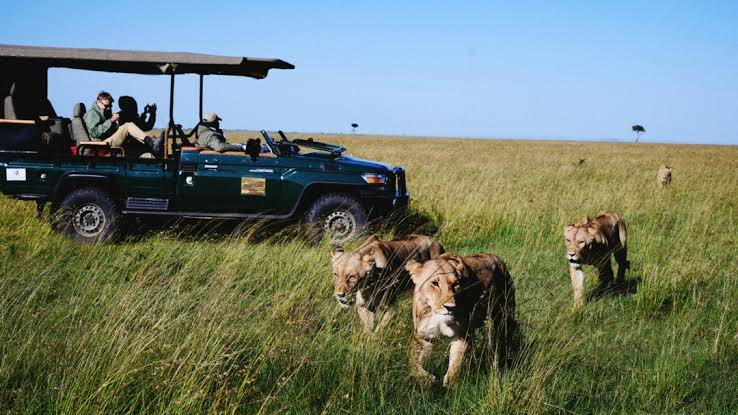
The Mara is worth visiting in July or August if open-country game drives are what you want. The mistake is giving yourself one full day and expecting it to cover a crossing, several big cats and a relaxed lunch. Three nights give you two full viewing days on a typical itinerary. Use one drive to look for the herds if they’re within reach and another to explore for resident wildlife. That way, the whole trip doesn’t depend on what happens at the river.
A camp in a neighbouring conservancy may suit you if you want to spend some drives away from the reserve’s busiest areas. Ask how many vehicles the conservancy permits at sightings and where you’ll actually drive. Also check whether the quote covers national reserve entry as well as conservancy access. If your plan is to visit the river every day, ask how long the drive takes from camp. You may be paying for a quieter base while spending much of the morning travelling to the same busy area.
If elephants matter more than wildebeest, consider Amboseli instead of the Mara. If you’re travelling with young children and want a less demanding week, Lake Nakuru and Lake Naivasha can give you a rhino-focused drive and a lakeside break. These places can still be busy. The difference is that your trip doesn’t revolve around an event that draws visitors to a few stretches of river.
Tanzania: Choose between the migration and a quieter circuit
If you want the Serengeti migration, book the camp for the area you’re likely to use, not for the country or park name on the itinerary. A northern camp can reduce the daily drive to the river, but it can’t give you exclusive access to a crossing. Ask your operator what you can see nearby on days when the herds are elsewhere. That answer tells you whether the camp is a good base in its own right.
The rest of the northern circuit has its own patterns. At the Ngorongoro Crater, an early descent may give you a quieter start, but you can still meet several vehicles at a popular sighting later in the morning. If you’d rather watch birds or spend time away from a cluster of vehicles, tell your guide. A private vehicle gives you more control over that choice, but it doesn’t make the crater private.
If quiet game drives matter more than a famous route, look at Ruaha National Park. Tanzania’s visitor figures show a substantial difference between Ruaha and the Serengeti, though no park is guaranteed to feel empty. A Ruaha-focused safari works best when you give it enough nights and check the transfer carefully. A quieter park can still cost more if reaching it requires an extra flight. Ask for the full itinerary and price before treating it as a lower-cost alternative.
Uganda and Rwanda: A busy month doesn’t mean a crowded gorilla encounter
July and August are popular trekking months in Uganda and Rwanda because they fall within a typically drier part of the year. That can make trail conditions more manageable, but it doesn’t guarantee dry ground or a short walk. Buy your permit for a date you can reach without a tight transfer. A permit that fits your route is more useful than one that forces you into a long or uncertain drive on trekking morning.
In Bwindi, Uganda Wildlife Authority allows up to eight visitors per gorilla family on a standard trek. The briefing point can feel busy, but that doesn’t mean everyone there will join you at the same sighting. July and August affect availability more directly: you may have fewer choices of date, sector or nearby lodge if you book late. Confirm the sector before paying for the room.
For Rwanda, use the same booking order. Confirm your Volcanoes National Park activity, then choose accommodation near the reporting point. If you can’t get the gorilla date you want, consider whether a different date or golden monkey tracking suits you. Don’t treat golden monkeys as a last-minute substitute everyone will enjoy. Choose it because you want that forest experience, then give it its own morning.
How to make a peak-season itinerary feel less crowded
Stay longer rather than adding more parks
When rooms are in demand, it can be tempting to stitch together whatever single nights are available. That can leave you packing each morning and arriving at busy areas at the same time as other people on transfer schedules. I’d rather spend three or four nights in one well-placed camp than two nights each in two camps connected by a long drive, unless the second camp adds something specific you want.
Ask about the drive, not just the room
Before you pay, ask how many passengers share a vehicle, whether camp guests follow fixed departure times and whether the guide can return early. These details matter if you’re travelling with children or want time for photography. Also confirm how many full viewing days the quote includes. An afternoon drive that depends on your flight arriving on time isn’t a substitute for a day with no transfer deadline.
Give the guide permission to leave a crowded sighting
Tell your guide what you’d consider a worthwhile alternative. You might prefer to watch a herd feed, look for birds or explore a quieter track rather than wait for a blocked view of one animal. If you do stay at a busy sighting, give wildlife room to move and let the guide decide where it’s appropriate to stop. A clear view isn’t worth blocking the route a herd is trying to use.
When it’s worth changing your dates
If you can travel outside the European school holidays, compare June or September with your July or August options. Ask for the same number of nights, similar accommodation and the same vehicle arrangement. September can still be popular near migration viewing areas, and June may suit a different part of the Serengeti. Moving the date helps only if the new trip gives you the experience you want at a pace and price you prefer.
If your dates are fixed, compare two routes instead. One might give you three nights near the Mara River. Another might give you three nights focused on elephants, forest trekking or a less visited park. Choose the trip you’d enjoy even if the famous sighting doesn’t happen. That’s a better test than asking which itinerary lists the most wildlife.
Frequently asked questions
Can I still have a quiet honeymoon in July or August?
Yes. Choose fewer bases, ask about passenger numbers on shared drives and keep some afternoons free. A smaller camp or quieter viewing area may suit you better than a famous location with a packed schedule. Confirm how long the transfers take before judging a lodge by its location on a map.
Is a private safari vehicle worth it during the school holidays?
It can be if you want to set departure times, shorten drives or move on when a sighting gets crowded. It won’t give you exclusive access to the park. For a couple happy to share, a small group may be good value. For a family with different meal and rest times, the flexibility can matter more.
What should I book first for July or August?
Book the hardest part to replace. For a primate trip, that’s usually the dated permit. For a fly-in safari, make sure the camp, room and flight all work together. Ask which reservations are confirmed and when any provisional hold expires before buying tickets you can’t change.