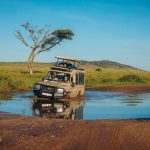
January and February Safaris: Dry Spells and Calving Season Conditions
Choose February and stay near Ndutu if wildebeest calving is the main reason for your safari. If you’d rather take advantage of a typically drier spell for game drives or gorilla trekking, look at Kenya, Uganda or Rwanda in either January or February. The same dates that can bring drier conditions to some of those destinations can bring the fresh grass that attracts wildebeest to Tanzania’s southern plains.
The best January and February safaris are planned around the experience you want, not a general promise of good weather. A wildlife photographer may welcome rain over Ndutu if it brings fresh grazing and keeps the herds in the area. A traveller heading to Bwindi may care more about trail grip and how far the lodge is from the briefing point. Choose the destination first, then check recent conditions before you go.
January and February safaris at a glance
| Your priority | Where to start planning | What to keep flexible |
|---|---|---|
| Wildebeest calving | Ndutu and the southern Serengeti plains in Tanzania | Where you drive each day, since the herds move with rain and grazing |
| Classic game drives | Amboseli, the Maasai Mara or Lake Nakuru in Kenya | Drive lengths and which areas you explore after rain |
| Gorillas and chimpanzees | Bwindi and Kibale in Uganda | The afternoon after each trek and your plans for the next transfer |
| A shorter gorilla trip | Kigali and Volcanoes National Park in Rwanda | The afternoon after trekking and any Lake Kivu extension |
| Birdwatching | Uganda’s wetlands or Kenya’s Rift Valley lakes | Boat departures and which sites you visit based on recent observations |
What dry spells mean in January and February
The Kenya Meteorological Department describes January and February as generally sunny and dry months in Kenya. Rwanda’s climate reporting places them within a shorter dry season, and Uganda Wildlife Authority identifies December to February as a drier period in Bwindi. These are regional or local patterns, not guarantees. The forest can still be damp underfoot, and a shower that barely interrupts a game drive can slow a road transfer later that day.
In Tanzania, Ndutu’s appeal depends in part on rain. When the short-grass plains have fresh growth, they offer good grazing for wildebeest during calving season. Herds may spread out if there’s green grass and water across a wide area, or concentrate where conditions suit them. A guide who knows where it has rained recently can give you a better sense of what’s possible than a calendar alone.
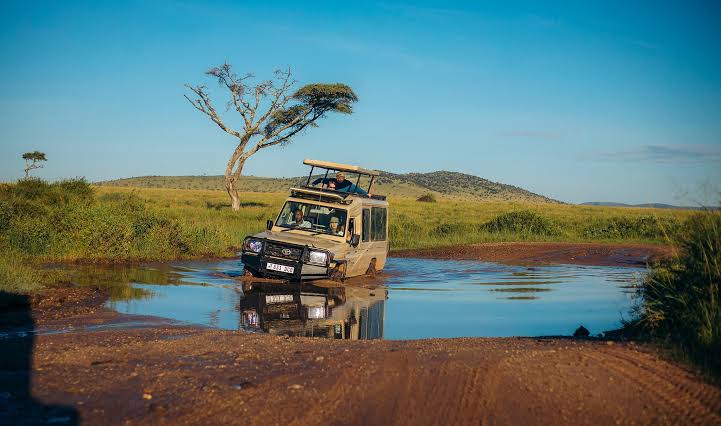
When you compare lodges, ask two specific questions. How far is the lodge from the area you expect to explore? Which tracks can you use if it rains overnight? A campsite may look close to the plains on a map but require a longer drive when the direct route is difficult. That’s a practical difference you’ll feel every morning, whether or not the rain reaches your camp.
Tanzania: How to plan a calving safari around Ndutu
Is January or February better for wildebeest calves?
February is the stronger starting point if your main goal is to look for newborn calves. Tanzania National Parks describes the broad calving window as January to March, with the southern short-grass plains around Ndutu forming an important part of it. January can still be rewarding, particularly if you want to watch herds gathering or grazing. What you see depends on where the animals have found suitable pasture, not the date printed on your booking.
You don’t need to see a birth for the trip to be worthwhile. Watching calves keep up as a herd starts moving, or seeing adults and calves settle to graze after a shower, can be just as absorbing. Predators are part of the landscape, but don’t assume the presence of calves means you’ll see a hunt. If you’re travelling with children, explain in advance what they might see and let your guide know if you’d rather move on from a distressing sighting.
Choose your camp for the southern plains
Ask for the camp’s exact location. “Serengeti safari” can describe a trip based around central Seronera, northern river country or the southern plains. They aren’t interchangeable. If Ndutu is the reason for your trip, choose a camp with practical access to that area rather than relying on long daily drives from a base chosen for another season.
I’d book three nights in the Ndutu area if calving is the main goal. That generally gives you two full viewing days. If the first day is wet or the herds are scattered, you have another morning to try a different area. Three nights also let you vary the pace. You can take a longer drive one day, then spend the next morning watching one herd without worrying about making it to another camp.
For a longer northern circuit, pair Ndutu with Ngorongoro Crater and, if you have enough time, Tarangire. Give the crater a dedicated outing rather than adding the descent to an already long transfer. Before paying, ask which conservation-area and park charges apply to the camps and routes on your itinerary, and whether the separate crater service charge is included.
Kenya: Use the drier spell for game drives and birdwatching
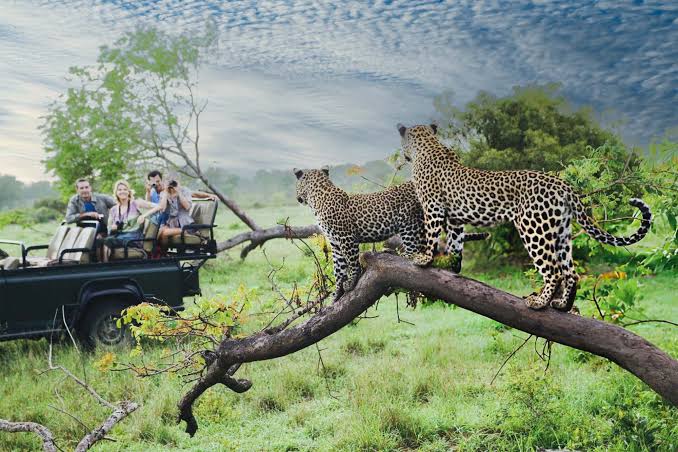
The Maasai Mara is worth considering in January and February for resident wildlife. Don’t book it expecting the main Serengeti–Mara migration herds to be there at this time of year. Choose it because you’d enjoy looking for lions and other animals on open grassland, returning to a good sighting or exploring a different part of the reserve on your second day.
Choose Amboseli instead if elephants are your priority. Spend time around the wetlands and open plains rather than judging the day by whether Kilimanjaro appears. For a shorter trip or a family that wants less time in the vehicle, consider Lake Nakuru and Lake Naivasha. Nakuru gives you a chance to look for rhinos. At Naivasha, a lake outing or time spent watching birds from shore offers a change from game drives.
Book early or late drives if you’d rather avoid the warmer part of the day, but bring a layer for the first hour. An open vehicle can feel cool before sunrise even when the afternoon will be warm. If birding is your priority, ask about recent sightings at the exact lake you plan to visit. Large flamingo flocks aren’t guaranteed at Nakuru, and adding another lake on the strength of an old photograph can mean extra driving for little reward.
Uganda and Rwanda: Make the most of the shorter dry season
Uganda: Plan around the trek rather than the lodge
January and February both work for a western Uganda itinerary that pairs Kibale chimpanzee tracking with Bwindi gorilla trekking. If you have a week or more, add Queen Elizabeth National Park for a game drive and a Kazinga Channel cruise. If you have only a few days, choose one trek and give yourself time to get to the briefing point. Even when the roads are good, a short trip can feel rushed if you place two dated activities back to back.
Book the Bwindi permit and sector first, then choose the lodge. Arrive the day before your trek and leave the afternoon free. Drier conditions can make walking more manageable, but they won’t tell you how far the gorillas have moved or whether the final stretch will be slippery. Pack a light waterproof layer and footwear with good grip rather than changing your packing list based on a promising forecast.
If you want something less strenuous, begin with a guided outing at Mabamba Bay to look for Shoebill, or add a birding walk at Bigodi near Kibale. Uganda Wildlife Authority identifies January as one of the useful months for birdwatching. If you also plan to visit northern Uganda in February, ask about daytime heat and what that means for the timing of your drives.
Rwanda: Keep the day after your trek flexible
Rwanda works well if you want Kigali and one early-morning activity in Volcanoes National Park. Choose either gorilla trekking or golden monkey tracking for a short itinerary and stay near Musanze or Kinigi the night before. Rwanda’s shorter dry season can still include rain, so ask about the route on the day rather than assuming all trails will be firm.
If you want to add Lake Kivu, don’t make a boat outing depend on returning from the forest by a particular hour. Drive to the lake when the trek is finished and keep the following morning open. If you’d rather see savannah wildlife, use the extra time for Akagera instead of trying to fit both the lake and the park into the same short trip.
What to check before you pay
- For Ndutu, confirm the camp location and viewing time. Ask which areas your guide expects to reach and how many drives are free of transfer deadlines.
- For a primate safari, match the permit to the lodge. Get the exact date, briefing point and transfer arrangements in writing before paying for accommodation.
- For early January, check when festive rates end. Don’t assume every lodge changes its rates on 1 January. Compare the total cost, not just the room rate.
- For any fly-in route, confirm the airstrip and return buffer. Ask about baggage rules and what happens if rain delays the flight or the drive to camp. Avoid a tight connection to a separately booked international flight.
Frequently asked questions
Is February always better than January for a safari?
No. February is my first choice for a trip built around wildebeest calves, but January can work well for general wildlife, birding and primate trekking. If the dates are flexible, compare the camps and permits you can actually book. Three well-placed nights in January may suit you better than a rushed February trip.
Can it rain during a January or February dry spell?
Yes. A drier season describes the usual pattern, not the weather on your departure date. Take rain protection and check local access shortly before travelling. In Ndutu, rain can be part of what makes the trip worthwhile because it supports the fresh grazing the wildebeest use.
Can I combine Ndutu and gorilla trekking in one week?
It’s possible to arrange, but I’d usually choose one for a week. Regional flights and road transfers take time, and a dated gorilla permit leaves little room to recover from a delay. Combine them when you can give Ndutu several nights and still arrive near your trekking sector the day before your permit.