Long Rains Safari Planning: Is a Green Season Trip Worth It?
A green season safari is worth it if you’re happy to stay longer in fewer places and let your guide adapt to the weather. You can get greener landscapes, rewarding birdwatching and, in some areas, fewer vehicles than during the busiest dry-season weeks. The trade-off is that rain can slow road transfers, close tracks and make forest walks harder. If you have four days, several parks and a tight flight connection, I’d simplify the route or choose a drier travel window.
For long rains safari planning, start with March to May in much of Kenya and northern Tanzania. March can be a transition month, while April and May often call for more flexibility. Uganda and Rwanda also have wetter periods around this time, but conditions vary by location and elevation. Treat these months as a guide to what’s typical, not a forecast for your camp. The useful question is what you can still do if it rains heavily the night before your main outing.
Long rains safari planning at a glance
| If you care most about… | Is the green season worth considering? | How to plan |
|---|---|---|
| Photography and green landscapes | Yes, if you can wait for good light and handle occasional rain | Stay several nights in one camp and protect your camera from spray and dust |
| Birdwatching | Yes, if your target birds and viewing sites suit the dates | Book a birding guide and pair a forest or wetland walk with a more accessible alternative |
| Lower costs | Sometimes. Lodge offers and permit rates vary | Compare the full price, including flights, park entry and any extra nights |
| Gorilla trekking | Yes, if you’re comfortable with the possibility of muddy trails | Book the permit first and stay near the correct briefing point |
| Several parks in a short trip | Usually a poor fit if the route depends on long, precise transfers | Drop a stop or choose a drier period |
| One particular migration sighting | Only if the area makes sense for that stage of the migration | Ask about recent herd movements and what you can see if the herds are elsewhere |
What changes when the long rains arrive?
A clear morning doesn’t mean the tracks are dry
The rain you see from your lodge is only part of the story. Rain upstream or overnight can affect a crossing even after the sky clears. A main road may be usable while the last stretch to camp is not. That distinction matters if you’re choosing between two lodges near the same park. Ask which gate your operator plans to use, whether the lodge depends on a river crossing and what the alternative route looks like.
Don’t assume a 4×4 makes every route usable. A suitable vehicle gives your guide options, but a flooded crossing or closed track is still a reason to turn back. Ask how much longer the alternative takes and whether you can still reach your lodge in daylight. If the answer depends on making an international flight the same evening, shift that transfer to the previous day.
Wildlife can spread out as water and grazing return
In dry conditions, reliable water sources can make it easier to know where to start looking. After rain, temporary pools and fresh grass give animals more places to feed and drink. A quiet waterhole may tell you more about the availability of water elsewhere than about the number of animals in the park. A guide may spend more time looking for movement across the plains or checking habitat you’d pass by in another season.
A green landscape also changes how easy it is to see wildlife. Open plains can be good for watching herds, while taller vegetation can make smaller animals harder to spot. If you’re interested in birds, don’t assume that a rainy-season label means every species you want is present. Check the habitat, the timing of any migrants on your list and whether your guide knows where to look.
Where a green season safari makes sense
Kenya: Start with one good base in the Maasai Mara
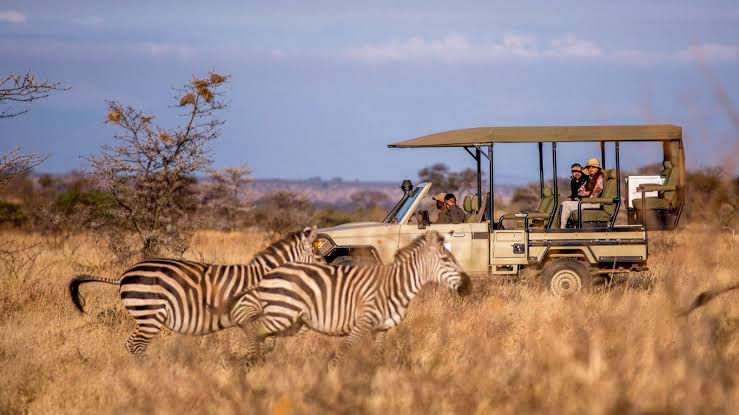
The Maasai Mara can work well if you’re going for resident wildlife and can spend several nights in one camp. You don’t need the Great Migration to have a rewarding trip. Use one drive to explore accessible grassland and another to revisit an area your guide found productive. If a track closes, you haven’t lost the only morning you set aside for the park.
Before booking, ask whether your camp is inside the reserve, across a gate or in a neighbouring conservancy. That affects where you’ll drive, which fees apply and how much wildlife time you lose to a detour. If you want a shorter route, consider Lake Nakuru for a rhino-focused drive or Lake Naivasha for birdwatching. Don’t add both lakes simply because their names often appear together. If you book a boat outing, have a shore-based plan in case it can’t run.
Tanzania: Choose a Serengeti camp for its location and access
Tanzania’s northern circuit can be rewarding in the long rains if you’re there to enjoy the scenery and resident wildlife. Give the Serengeti enough time to change the plan after a wet morning. Ask where the camp will actually be during your stay, particularly if it’s a mobile camp. Some camps close or relocate seasonally, and an old map or brochure may show a location that doesn’t apply to your dates.
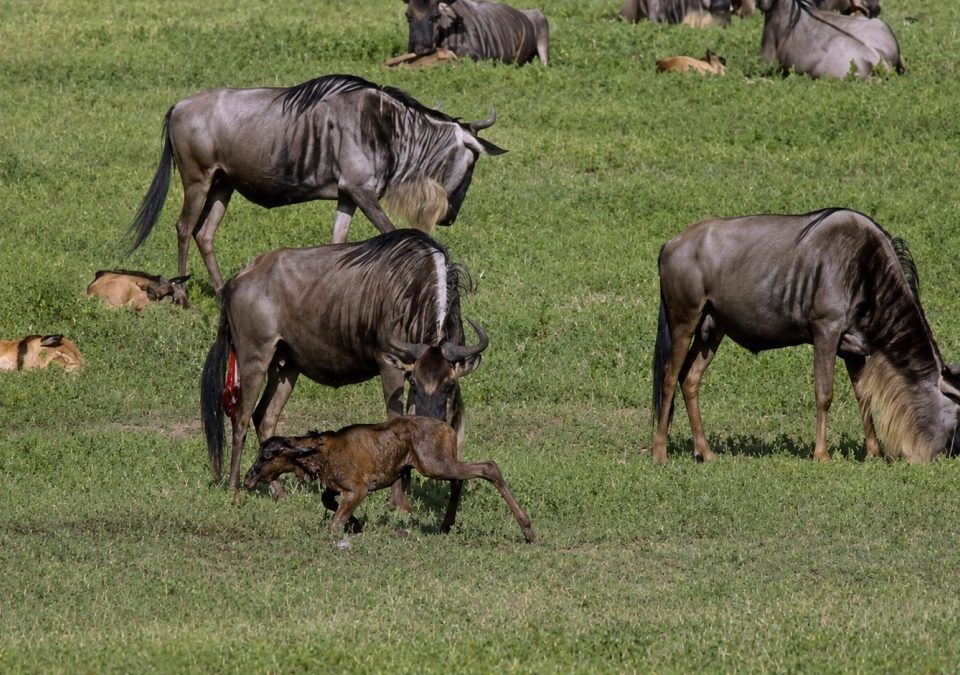
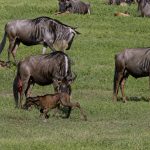
If you’re interested in the migration, don’t assume the herds will be around Ndutu throughout April and May. Their movements depend on rainfall and grazing as they move away from the southern plains. Ask where your guide expects to look and what a day would involve if the herds are farther away. A camp that gives you worthwhile drives nearby is usually a better choice than one that requires a long daily search.
If you have only four or five days, consider Tarangire and Ngorongoro rather than forcing a long Serengeti transfer into the trip. If the Serengeti is the main reason you’re going, do the opposite. Give it several nights and drop another stop. Either choice is better than having three parks on paper and little time in any of them.
Uganda: Compare lower permit rates with wetter trails
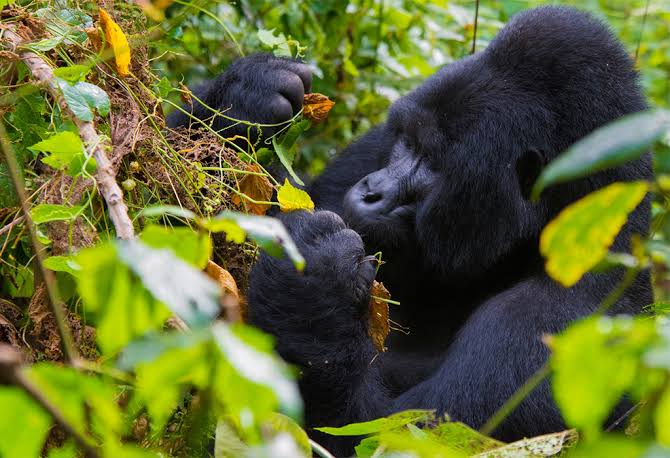
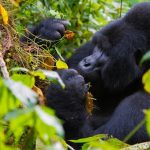
Uganda can be a good green season choice if gorilla trekking is your main goal and you’re comfortable on slippery ground. Under Uganda Wildlife Authority’s published January 2027 to June 2028 tariff, the standard Bwindi permit for a foreign non-resident is US$800, with a published US$600 low-season gorilla tracking rate in April, May and November. Confirm eligibility, availability and the terms for your exact date before paying. A lower permit price doesn’t make the trek shorter or guarantee easier access to your lodge.
Choose the lodge by the sector on your permit. Arrive the previous day and leave the afternoon after the trek free. For birdwatchers, May is also a month to consider. Uganda Wildlife Authority identifies May and June as important nesting months in Bwindi and Mgahinga, while noting that rains can still interfere with forest birding. Give yourself more than one outing if you’re travelling for particular birds.
Rwanda: Keep the route short and protect your trekking morning
A short Rwanda holiday can work well around Kigali and Volcanoes National Park. Confirm one primate activity, stay near the briefing point the previous night and keep the rest of trekking day open. If you’re adding Lake Kivu, put the lake outing on the following morning rather than paying for a boat you can only catch if the trek finishes early.
If you’d rather spend more time in a vehicle than on a wet forest path, consider Akagera for savannah and wetland viewing. Ask which areas your guide can reach after heavy rain and what they would do if a track is unavailable. You’ll get a more useful answer by asking about a specific camp and route than by asking whether Rwanda is a good April destination in general.
How to tell if the green season actually saves money
Compare two quotes for the same number of travellers, rooms and full viewing days. A lower nightly camp rate is useful, but it may be offset by a flight, a longer transfer or an extra airport night. Check park entry, vehicle charges, permits and optional outings separately. If a cheaper quote includes only one full game drive while the other gives you two, you’re comparing two different trips.
Ask what happens if an activity can’t run. A camp might offer a different drive, while a boat operator or airline may have separate terms. Get the alternatives, any added costs and the cancellation terms in writing. If you’re booking around Easter, ask whether a festive supplement applies even when the lodge otherwise advertises green season rates.
A green season itinerary with room for delays
For a six-day Kenya safari, arrive in Nairobi on Day 1 and travel to the Mara on Day 2. Stay three nights so Days 3 and 4 are available for drives. Return to Nairobi on Day 5 and fly home on Day 6. If rain slows the arrival drive, you still have two full viewing days. If it slows the return, you still have the airport night.
Use the same logic for a forest trip. Travel to your trekking area a day early, protect your permit morning and put an optional outing after the trek rather than before your flight. Pack a waterproof layer, dry bags for electronics and footwear with good grip. The most useful weather backup is time. Leave enough of it that a delay changes one outing rather than the whole holiday.
Frequently asked questions
Is April or May better for a green season safari?
Neither is automatically better. Compare the exact parks, camps and activities you want. If the dates are flexible, ask about access in both months and which camps will be open. For an Uganda trek, both months are listed in the published lower-rate period, so permit availability and the route may matter more than the month.
Does it rain all day during the long rains?
Not necessarily, but don’t assume every shower will pass quickly. You can have usable viewing time between showers while roads remain slow from earlier rain. Check recent conditions before departure and follow your guide’s advice about which outings can go ahead.
Who should choose the dry season instead?
Choose a typically drier window if your itinerary has little room for delays, you’re uncomfortable on slippery trails or you want the simplest possible road transfers. If you enjoy green landscapes and can stay several nights in one place, the long rains are worth considering.