Uganda and Rwanda in One Trip: How to Cross the Border Smoothly
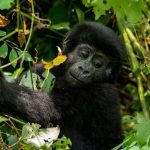
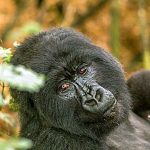
Visiting Uganda and Rwanda in one trip allows you to experience mountain gorillas, tropical forests, beautiful lakes, wildlife safaris and diverse cultural traditions without travelling long distances between countries. The two neighbouring destinations share land borders that make combining their attractions relatively straightforward.
Many travellers begin their safari in Uganda, explore Bwindi Impenetrable National Park and continue into Rwanda through the southwestern border crossings. Others arrive in Kigali before travelling towards Uganda’s gorilla trekking destinations.
Understanding immigration requirements, border procedures, transport arrangements and travel documentation helps prevent unnecessary delays. Whether you are travelling with a professional safari guide, driving independently or using public transport, preparing your documents before departure makes the journey considerably easier.
Choosing the Best Uganda and Rwanda Border Crossing
Uganda and Rwanda have several official land border crossings. However, tourists travelling between national parks commonly use Katuna, Cyanika and Kagitumba.
Choosing the correct crossing depends on your itinerary, accommodation location and intended destination.
| Border crossing | Ugandan side | Rwandan side | Recommended destinations |
|---|---|---|---|
| Katuna–Gatuna | Kabale region | Gicumbi region | Kigali, Lake Bunyonyi and eastern Bwindi |
| Cyanika | Kisoro region | Burera region | Volcanoes National Park, Mgahinga and southern Bwindi |
| Mirama Hills–Kagitumba | Ntungamo region | Nyagatare region | Akagera National Park and Lake Mburo |
Katuna–Gatuna Border Crossing
Katuna, known as Gatuna on the Rwandan side, connects Kabale with Kigali. It is a convenient crossing for travellers visiting Lake Bunyonyi, Ruhija and other destinations accessible through Kabale.
The surrounding countryside features cultivated hillsides, agricultural communities and attractive mountain scenery.
Cyanika Border Crossing
Cyanika is particularly convenient for travellers combining gorilla trekking in Uganda with Volcanoes National Park in Rwanda.
It connects Kisoro with northern Rwanda, making it suitable for visitors travelling between Rushaga, Nkuringo, Mgahinga and Musanze.
Mirama Hills–Kagitumba Border Crossing
This crossing suits visitors travelling between southwestern Uganda and eastern Rwanda. It is especially practical when combining Lake Mburo National Park with Akagera National Park.
Confirm border operating hours and current crossing conditions before departure, as arrangements may change.
Visa Requirements for Uganda and Rwanda in One Trip
International travellers should establish whether they require separate tourist visas or qualify for the East Africa Tourist Visa.
East Africa Tourist Visa
The East Africa Tourist Visa allows eligible international visitors to travel between Uganda, Rwanda and Kenya using one visa.
| Visa feature | Details |
|---|---|
| Standard cost | US$100 |
| Validity | 90 days |
| Participating countries | Uganda, Rwanda and Kenya |
| Entry conditions | Multiple entries within participating countries |
| Application | Through your first country of entry |
| Purpose | Tourism |
This visa is particularly useful for travellers planning to visit both Uganda and Rwanda. However, depending on your nationality and applicable exemptions, separate visas may sometimes be cheaper.
Leaving the participating countries generally ends the validity of the joint visa.
Separate Tourist Visas
Travellers can obtain individual tourist visas instead of purchasing the regional visa. Rwanda provides visa-on-arrival arrangements at official land borders for international visitors, with exemptions available for eligible nationalities.
For Uganda, travellers requiring a visa should secure the appropriate approval online before arriving at the border.
Citizens of East African Community member states generally benefit from regional movement arrangements. Confirm which identification documents apply to your nationality.
Essential Documents for Crossing the Border
Prepare your travel documents before leaving your accommodation. Keep original documents together in a secure, accessible travel folder.
| Required document | Purpose |
|---|---|
| Valid passport | Identity and immigration verification |
| Visa or approval document | Authorisation to enter |
| Yellow fever certificate | Health requirements where applicable |
| Accommodation confirmation | Evidence of travel arrangements |
| Safari itinerary | Explanation of your planned activities |
| Return or onward ticket | Evidence of intended departure |
| Vehicle documents | Customs clearance when driving |
International visitors should generally carry passports with at least six months of remaining validity.
Keep printed copies of important documents because mobile internet connections may become unreliable near border areas.
Step-by-Step Uganda and Rwanda Border Crossing Process
Step 1: Complete Departure Formalities
Upon reaching the border, proceed to the appropriate immigration counter for the country you are leaving.
Present your passport and any requested visa documentation. Immigration officers record your departure before directing you towards the next stage.
Step 2: Complete Entry Immigration
Present your passport and relevant visa documents to immigration officers responsible for your destination country.
You may be asked about your accommodation, intended length of stay and purpose of travel. Provide clear and accurate answers.
Step 3: Complete Health and Customs Checks
Health officials may request vaccination documentation or conduct additional screening according to prevailing public health requirements.
Customs officers may inspect luggage and vehicle documents. Declare restricted or taxable goods when required.
Step 4: Confirm Your Entry Permission
Before leaving the immigration area, check that your entry has been correctly recorded and that your permitted stay matches your travel plans.
Once all formalities are completed, continue your journey with your driver-guide or arranged transport.
Allow at least one to two hours for border procedures when planning your itinerary. Busy periods, documentation problems and additional inspections can cause delays.
Travelling Between Uganda and Rwanda by Road
Road transport is popular among safari travellers because it connects national parks directly without requiring airport transfers.
Private Safari Vehicles
Travelling with a professional driver-guide is generally the most convenient option. Your tour operator can coordinate immigration arrangements, vehicle documentation and accommodation transfers.
Some operators use the same vehicle throughout both countries, while others arrange a vehicle and guide change at the border.
Confirm these arrangements beforehand, particularly when travelling with children or carrying substantial luggage.
Self-Drive Border Crossings
Independent travellers must prepare additional documentation when taking a vehicle across the border.
Requirements may include vehicle registration documents, written permission from the rental company, valid driving licences, temporary import documentation and appropriate cross-border motor insurance, such as the COMESA Yellow Card.
Remember that Uganda follows left-hand traffic rules, while Rwanda follows right-hand traffic rules. Pay particular attention when leaving the border area.
Public Transport
International buses operate between Kampala and Kigali, subject to prevailing schedules and border conditions. This option generally costs less than private transport but offers limited flexibility for visiting national parks.
Travellers using public transport should keep passports, money and other valuables in their hand luggage.
Estimated Driving Times Between Popular Destinations
| Travel route | Approximate duration |
|---|---|
| Kampala to Kigali | 9–11 hours |
| Kigali to southern Bwindi | 4–5 hours |
| Kigali to Lake Bunyonyi | 3–4 hours |
| Musanze to Mgahinga | 2–3 hours |
| Kigali to northern Bwindi | 6–7 hours |
These are planning estimates. Border delays, traffic, weather and accommodation locations can increase travelling times.
Important Differences Between Uganda and Rwanda
Understanding local differences helps you adjust quickly after crossing.
| Travel consideration | Uganda | Rwanda |
|---|---|---|
| Currency | Ugandan shilling | Rwandan franc |
| Time zone | UTC+3 | UTC+2 |
| Driving side | Left | Right |
| Widely used languages | English and local languages | Kinyarwanda, English and French |
| Mobile networks | MTN and Airtel | MTN and Airtel |
Rwanda is one hour behind Uganda. Adjust your watch and confirm accommodation, airport and trekking schedules using local time.
Rwanda also restricts plastic carrier bags. Use reusable cloth bags when packing your belongings.
Health and Vaccination Requirements
Travellers entering Rwanda from Uganda should carry a valid yellow fever vaccination certificate. Health documentation requirements may change according to disease outbreaks and government regulations.
Consult a travel health professional before departure about vaccinations, malaria prevention and personal medication.
Check current public health notices and border restrictions shortly before travelling. Do not assume that having a valid visa guarantees entry during temporary health emergencies.
Recommended Combined Uganda and Rwanda Safari
A seven-day itinerary provides a practical introduction to both countries.
| Day | Destination and activity |
|---|---|
| Day 1 | Arrival in Entebbe |
| Day 2 | Transfer to Bwindi |
| Day 3 | Mountain gorilla trekking |
| Day 4 | Cross Cyanika into Rwanda |
| Day 5 | Golden monkey trekking in Volcanoes |
| Day 6 | Cultural experiences and Kigali transfer |
| Day 7 | Kigali sightseeing and departure |
Longer itineraries can include Kibale National Park, Queen Elizabeth National Park, Lake Bunyonyi, Lake Kivu and Akagera National Park.
Common Border Crossing Mistakes to Avoid
Travellers sometimes experience delays because they arrive without appropriate visa approvals, vehicle insurance or vaccination documents.
Avoid scheduling gorilla trekking immediately after a lengthy international road transfer. Arrive near your trekking headquarters the previous evening.
Carry sufficient local currency, use authorised foreign exchange services and avoid unofficial individuals offering immigration assistance.
Frequently Asked Questions
Can I visit Uganda and Rwanda using one visa?
Yes. Eligible travellers can use the East Africa Tourist Visa to visit both countries within its validity period.
Can I cross into Uganda after arriving in Kigali?
Yes. Katuna and Cyanika provide convenient routes towards southwestern Uganda, subject to current border conditions and immigration requirements.
Do I need separate gorilla permits?
Yes. Uganda and Rwanda issue separate gorilla trekking permits. A permit purchased in one country cannot be used in another.
Can I cross the border at night?
Operating hours vary between crossing points. Daytime travel is generally preferable because transport arrangements and assistance are easier to organise.
Visiting Uganda and Rwanda in one trip provides excellent opportunities for wildlife encounters, cultural experiences and scenic adventures. Choosing the correct border crossing, preparing immigration documents and arranging reliable transport will help you enjoy a comfortable journey between these neighbouring East African countries.