Family Gorilla Safari: Planning Around Age Limits and Kids
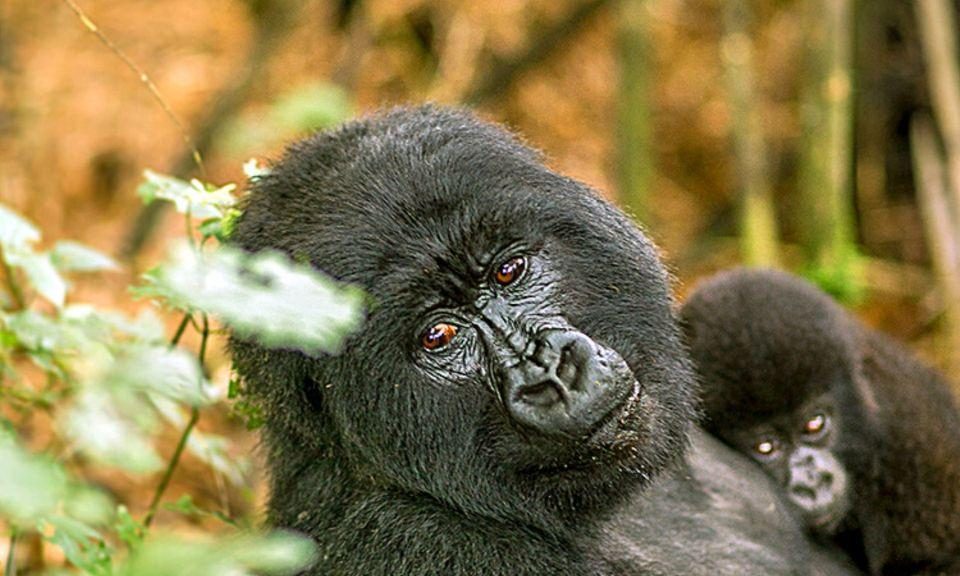
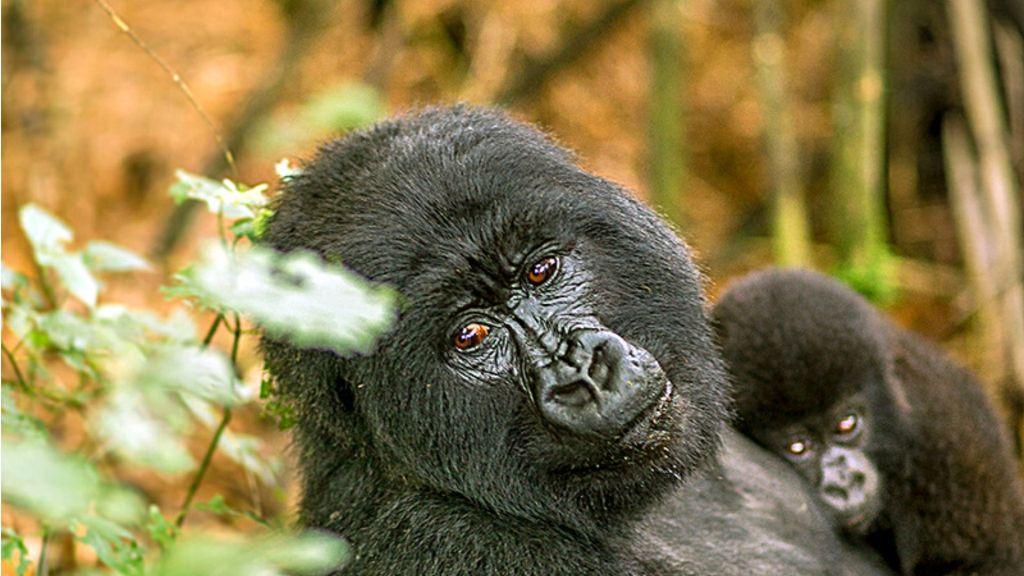
A family gorilla safari offers parents and children an opportunity to discover East Africa’s wildlife, learn about conservation and spend quality time together. However, planning this type of holiday requires careful consideration because mountain gorilla trekking has minimum age restrictions.
Uganda and Rwanda generally require visitors to be at least 15 years old for standard gorilla trekking. Families travelling with younger children must therefore arrange alternative activities while eligible family members participate in the forest experience.
Fortunately, both countries offer plenty of family-friendly attractions, including wildlife game drives, boat cruises, cultural visits and guided nature walks. With suitable accommodation, manageable driving distances and flexible activities, you can organise a rewarding safari that accommodates everyone’s interests, ages and physical abilities.
Understanding the Gorilla Trekking Age Limit
The minimum age requirement is one of the most important considerations when organising a family safari involving mountain gorillas.
Uganda Wildlife Authority and the Rwanda Development Board set the minimum age for standard gorilla trekking at 15 years. Children below this age should have alternative activities arranged before their parents enter the forest.
Different wildlife activities have different age requirements.
| Wildlife activity | Destination | Minimum age |
|---|---|---|
| Mountain gorilla trekking | Bwindi, Uganda | 15 years |
| Mountain gorilla trekking | Mgahinga, Uganda | 15 years |
| Mountain gorilla trekking | Volcanoes National Park, Rwanda | 15 years |
| Chimpanzee trekking | Kibale, Uganda | 12 years |
| Golden monkey trekking | Volcanoes National Park, Rwanda | 12 years |
| Wildlife game drives | Selected national parks | Confirm with operator |
| Boat safaris | Selected lakes and rivers | Confirm with operator |
| Community visits | Uganda and Rwanda | Generally suitable for families |
Confirm age requirements before purchasing permits or paying accommodation deposits.
Why Is Gorilla Trekking Restricted to Older Children?
Mountain gorillas are vulnerable to infectious diseases carried by humans. Trekking regulations help protect their health while maintaining visitor safety.
Forest walks can also involve difficult terrain, steep slopes and several hours of physical activity. Visitors must remain calm and follow instructions when approaching wild animals.
Older children are generally better prepared to understand these requirements. Nevertheless, reaching the minimum age does not automatically mean a teenager is physically ready for trekking.
Choosing Uganda or Rwanda for a Family Gorilla Safari
Both countries offer rewarding family holidays, although travelling distances, accommodation choices and available activities differ.
Uganda for Families
Uganda is particularly suitable for families interested in combining several wildlife experiences. Children can enjoy watching zebras in Lake Mburo National Park, elephants in Queen Elizabeth National Park and hippos along the Kazinga Channel.
Bwindi also provides opportunities for community visits, birdwatching and educational activities.
However, road transfers can be lengthy. Families with younger children may prefer domestic flights or additional overnight stops.
Rwanda for Families
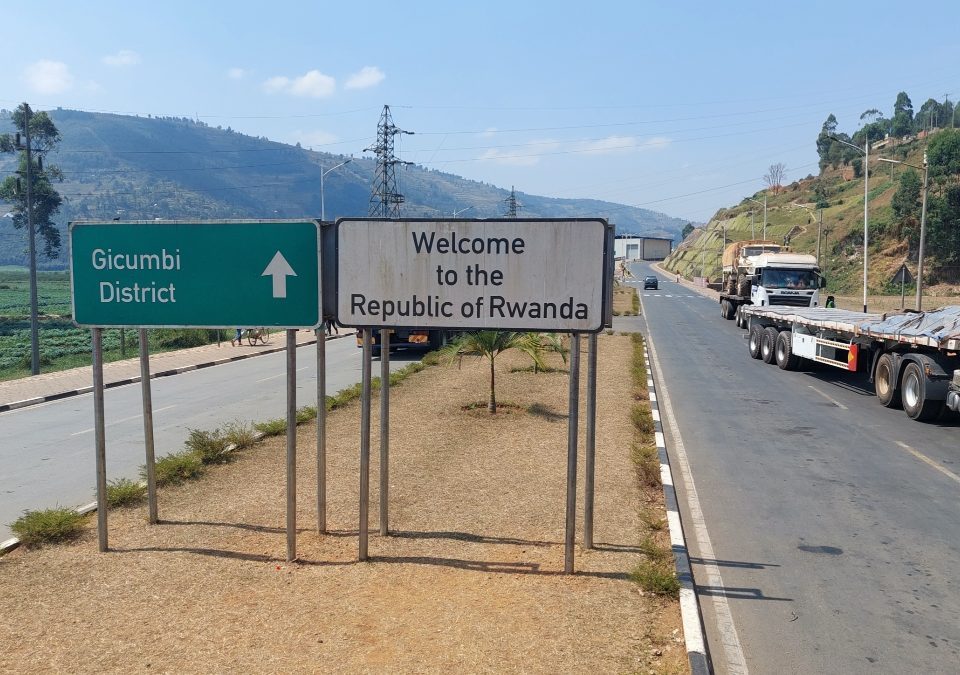
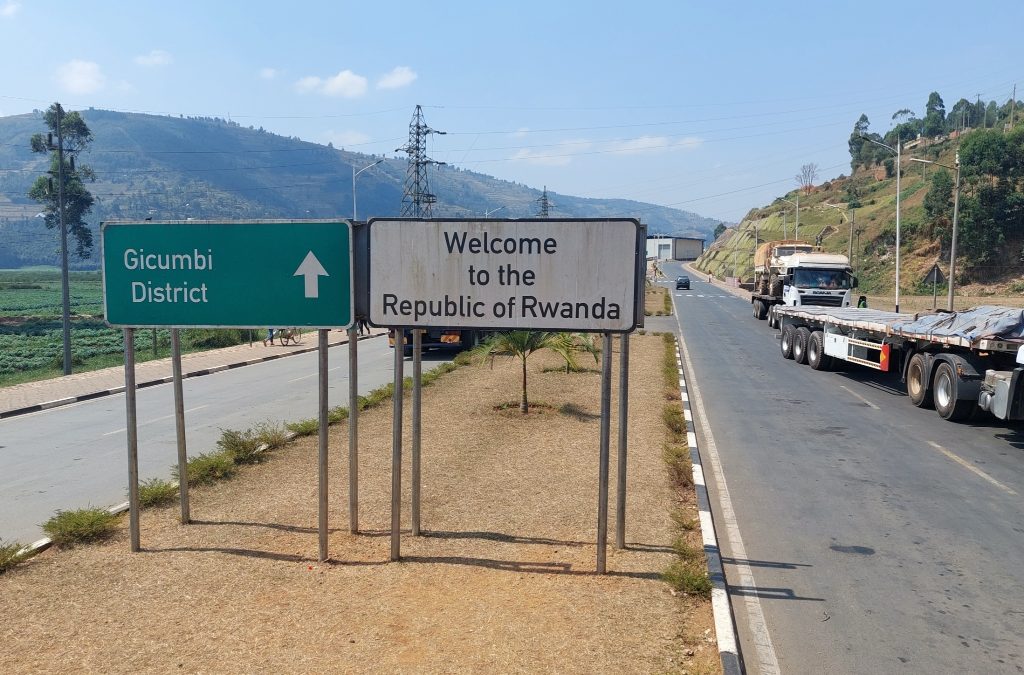
Rwanda offers shorter driving distances between Kigali and Volcanoes National Park. This makes travelling easier for families who prefer spending less time inside safari vehicles.
Children can enjoy cultural experiences, conservation exhibitions, lakeside activities and wildlife viewing in Akagera National Park.
Rwanda is especially convenient for shorter family holidays lasting five to seven days.
Recommended 8-Day Family Gorilla Safari Itinerary
This Uganda itinerary combines family-friendly wildlife experiences with sufficient flexibility for parents to undertake separate gorilla treks.
| Day | Destination | Main family activity |
|---|---|---|
| Day 1 | Entebbe | Arrival and relaxation |
| Day 2 | Lake Mburo | Wildlife game drive |
| Day 3 | Queen Elizabeth | Scenic transfer |
| Day 4 | Queen Elizabeth | Game drive and boat cruise |
| Day 5 | Bwindi | Community experience |
| Day 6 | Bwindi | First parent’s gorilla trek |
| Day 7 | Bwindi | Second parent’s gorilla trek |
| Day 8 | Entebbe | Return journey |
Day 1: Arrival in Entebbe
Arrive at Entebbe International Airport and transfer to family-friendly accommodation.
Depending on your arrival time, visit Entebbe Botanical Gardens or spend the afternoon relaxing near Lake Victoria.
Allow children sufficient time to recover after their international journey.
Day 2: Lake Mburo National Park
Travel to Lake Mburo National Park, where children can observe zebras, impalas, giraffes and other grassland animals.
Arrange a short afternoon game drive rather than spending several hours searching for wildlife. Younger children often enjoy frequent stops and opportunities to ask questions.
Day 3: Transfer to Queen Elizabeth National Park
Continue towards Queen Elizabeth National Park through western Uganda’s agricultural countryside.
Stop regularly for refreshments, bathroom breaks and photographs. Upon arrival, allow children to relax before dinner.
Day 4: Wildlife Game Drive and Boat Cruise
Enjoy a morning game drive searching for elephants, buffaloes, antelopes and predators.
During the afternoon, join an age-appropriate boat cruise along the Kazinga Channel. Watching hippos and waterbirds can be particularly exciting for younger visitors.
Confirm that suitable children’s life jackets are available.
Day 5: Transfer to Bwindi
Travel towards Bwindi Impenetrable National Park and check into your accommodation.
Spend the afternoon participating in a community-led cultural activity. Children may enjoy traditional storytelling, crafts and learning about local farming practices.
Day 6: First Parent’s Gorilla Trek
One parent participates in mountain gorilla trekking while the other remains with younger children.
Arrange enjoyable activities such as supervised nature walks, storytelling or lodge-based entertainment.
Eligible teenagers can accompany the trekking parent if they have confirmed permits.
Day 7: Second Parent’s Gorilla Trek
The second parent joins a scheduled gorilla trek while the first spends time with the children.
This arrangement allows both parents to experience mountain gorillas without requiring external childcare.
Day 8: Return to Entebbe
After breakfast, begin your return journey. Consider a domestic flight to reduce travelling time.
Allow an additional overnight stay in Entebbe if your international departure schedule requires it.
Activities for Children Below 15 Years
Children who cannot participate in gorilla trekking can still enjoy memorable wildlife and cultural experiences.
Community and Cultural Visits
Community visits introduce children to traditional music, dancing, food preparation and craftsmanship. Choose interactive experiences where children can participate rather than simply observe.
Birdwatching and Nature Walks
Short, guided nature walks help children learn about butterflies, birds, plants and animal tracks. Select routes appropriate for their ages and physical abilities.
Lodge-Based Activities
Some safari lodges organise supervised children’s activities, including drawing, storytelling, gardening and conservation lessons. Confirm availability and supervision arrangements before booking.
Choosing Family-Friendly Safari Accommodation
Suitable accommodation makes travelling with children considerably easier. Look for family cottages, interconnected rooms, flexible meal arrangements and reliable bathroom facilities.
Ask whether the property provides children’s meals, early dinners and qualified childcare services.
Many safari lodges are unfenced, meaning wildlife can move through their grounds. Children should remain supervised, particularly after dark.
Choose accommodation close to trekking headquarters and scheduled wildlife activities.
How Much Does a Family Gorilla Safari Cost?
Family safari expenses depend on the children’s ages, accommodation arrangements, transport and number of gorilla permits required.
| Safari expense | Planning consideration |
|---|---|
| Gorilla permits | Required for each eligible trekker |
| Accommodation | Family rooms may reduce costs |
| Safari transport | Shared private vehicle |
| Children’s meals | Confirm applicable discounts |
| Wildlife activities | Age-based charges may apply |
| Childcare | Additional charges may apply |
For example, two parents and two children below 15 require only two gorilla permits if both parents trek once.
Avoid purchasing permits for children who have not reached the required age.
Best Time for a Family Gorilla Safari
June to August and December to February generally offer relatively dry conditions for forest trekking in Uganda and Rwanda.
These periods also coincide with several international school holidays, making early reservations particularly important.
Families travelling during rainy months should prepare for muddy roads, slippery paths and changes to outdoor activities.
Frequently Asked Questions
Can a 14-year-old participate in gorilla trekking?
The standard minimum age is 15 years. Plan your safari after the child’s fifteenth birthday.
Can both parents trek on the same day?
Yes, provided younger children remain with a trusted adult or appropriately arranged childcare provider.
Are safaris suitable for toddlers?
Yes, when itineraries include short transfers, regular breaks, suitable accommodation and age-appropriate activities.
Should children prepare before travelling?
Yes. Discuss wildlife safety, organise suitable clothing and consult a travel health professional about vaccinations and malaria prevention.
A family gorilla safari can accommodate different ages and interests through careful planning. Respecting trekking age limits, arranging alternative children’s activities and choosing comfortable accommodation allows everyone to enjoy East Africa’s remarkable wildlife and cultural experiences together.