Gorilla Trekking in April and May: Low-Season Savings and Challenges
Gorilla trekking in April and May offers an attractive opportunity for travellers seeking affordable mountain gorilla encounters, quieter accommodation and beautiful green forest scenery. These months fall within the longer rainy season in Uganda and Rwanda, when international visitor numbers are generally lower than during the peak travel months.
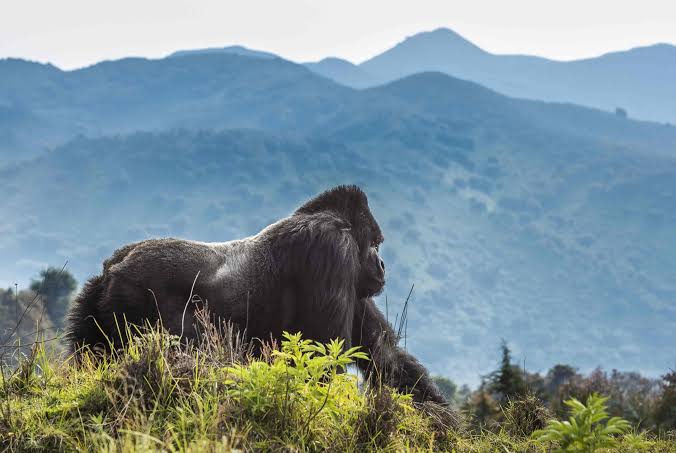
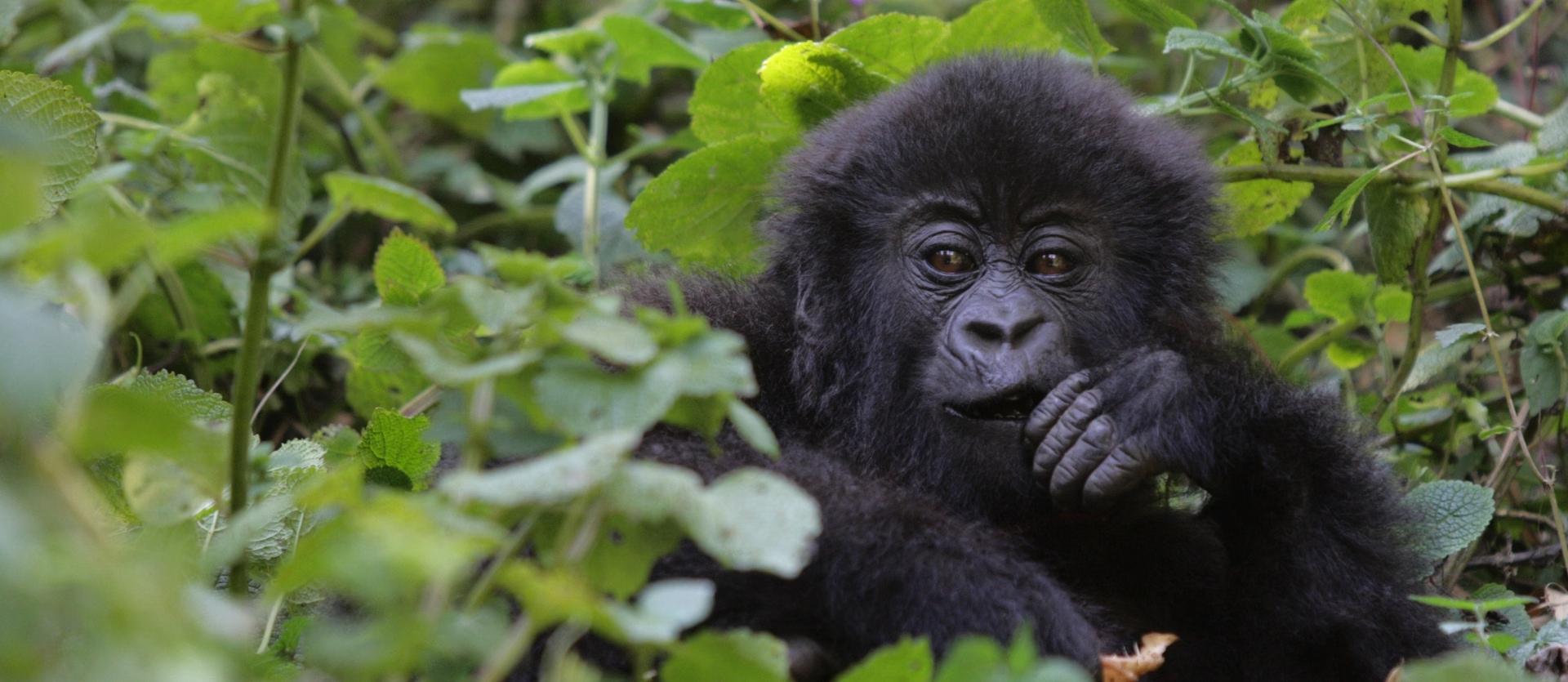
Although frequent rainfall can make forest trails muddy and mountain roads challenging, gorilla trekking remains available under suitable conditions. Visitors can observe mountain gorillas feeding, resting and interacting within their natural habitats.
April and May are particularly appealing to budget-conscious travellers, wildlife photographers and visitors with flexible holiday schedules. With reliable transport, waterproof equipment and careful accommodation selection, you can enjoy a rewarding gorilla safari while potentially spending less than you would during the peak season.
April and May Gorilla Trekking at a Glance
Both months offer financial advantages, although rainfall and walking conditions may differ slightly.
| Travel consideration | April | May |
|---|---|---|
| Rainfall | Frequent and sometimes heavy | Frequent, potentially easing later |
| Forest conditions | Muddy and slippery | Wet with possible gradual improvement |
| Uganda international permit | $600 | $600 |
| Visitor demand | Generally lower | Generally lower |
| Accommodation availability | Often favourable | Often favourable |
| Photography | Misty forests and soft lighting | Green vegetation and varied lighting |
| Road conditions | Potentially challenging | Variable |
| Recommended transport | Four-wheel-drive vehicle | Four-wheel-drive vehicle |
Weather patterns vary annually, so neither month guarantees particular trekking conditions.
Gorilla Trekking in April
Weather and Forest Conditions
April is generally among the wettest months in southwestern Uganda and northwestern Rwanda. Rainfall can occur during the morning, afternoon or evening, with some showers lasting several hours.
Forest trails become muddy, while exposed tree roots and steep slopes require additional care. Visitors should expect wet vegetation even when rainfall temporarily stops.
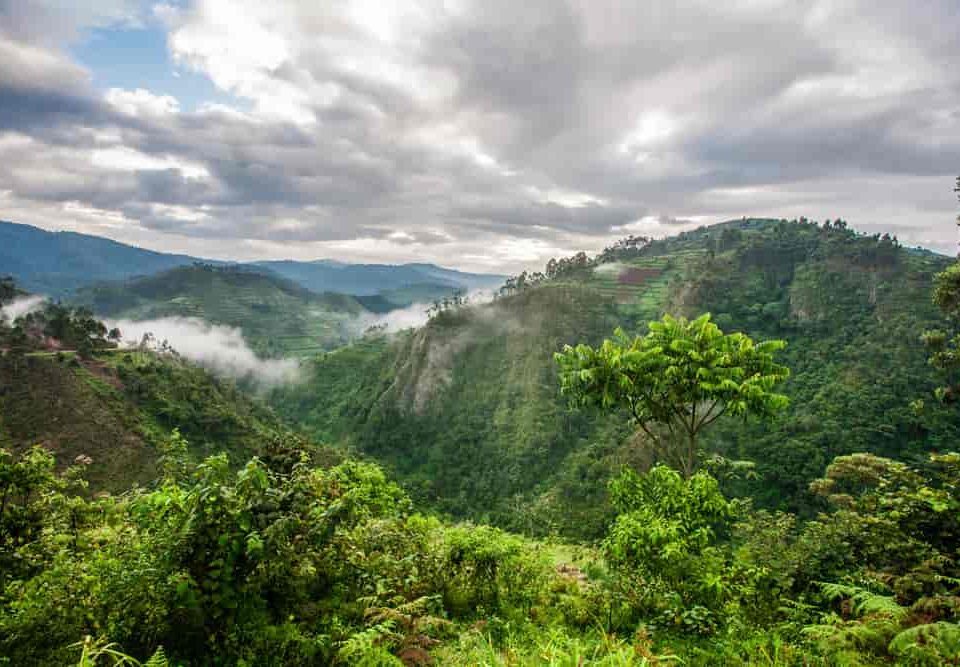
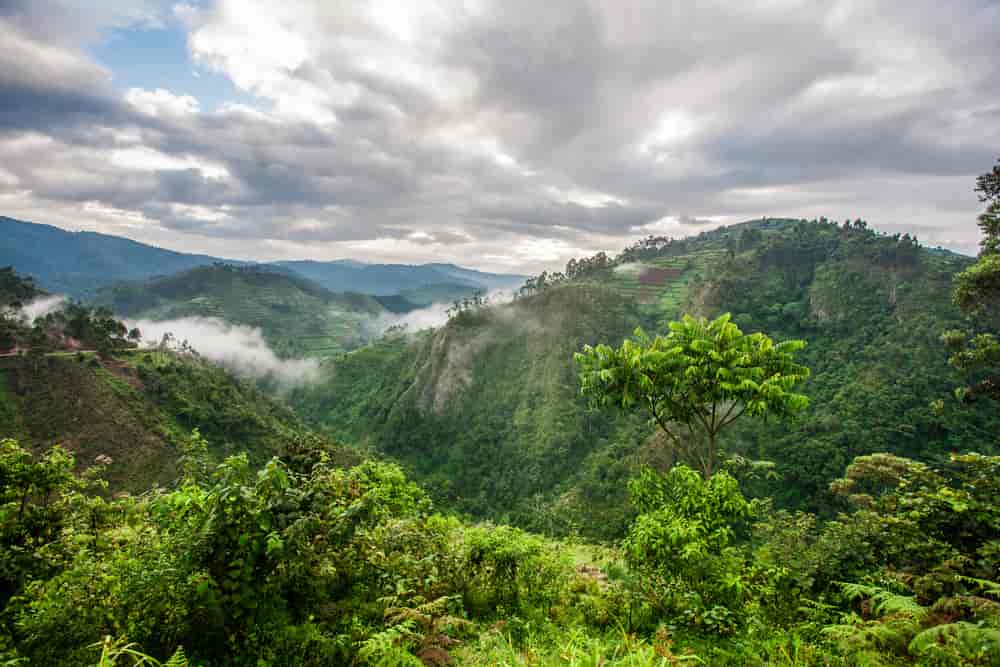
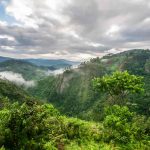
Despite these challenges, the forest becomes particularly attractive. Fresh foliage, flowering plants and mist-covered hills provide beautiful natural surroundings.
April suits adventurous travellers who are comfortable walking in wet conditions and appreciate quieter safari destinations.
Accommodation and Visitor Numbers
April generally experiences lower tourism demand than July and August. Travellers may find greater flexibility when selecting accommodation near their preferred gorilla trekking headquarters.
Some lodges introduce seasonal discounts, although Easter holidays can temporarily increase demand.
Confirm accommodation availability and ask about any low-season offers before paying your deposit.
Gorilla Trekking in May
Weather and Walking Conditions
May remains part of the longer rainy season. However, rainfall may gradually decrease towards the end of the month as June approaches.
Visitors travelling during late May may experience more favourable walking conditions, although heavy rainfall remains possible.
Mountain gorilla habitats retain considerable moisture, meaning waterproof equipment is still necessary.
May offers a reasonable balance for travellers seeking discounted permits while approaching the relatively drier months.
Opportunities for Wildlife Photography
May provides attractive opportunities for photographers interested in capturing mountain gorillas surrounded by rich green vegetation.
Overcast skies can soften natural light, reducing harsh shadows across gorilla faces. However, dense vegetation and rainfall may require higher ISO settings and wider camera apertures.
Waterproof camera protection is essential throughout the trek.
Low-Season Gorilla Trekking Permit Savings
One of the strongest reasons to consider gorilla trekking in April and May is Uganda’s discounted permit programme.
The Uganda Wildlife Authority introduced reduced permit rates in February 2026 for April, May and November. These discounts also appear in the revised 2027–2028 conservation tariff.
| Visitor category | Standard permit | Low-season permit | Savings |
|---|---|---|---|
| Foreign non-residents | $800 | $600 | $200 |
| Foreign residents | $700 | $500 | $200 |
For two foreign non-resident travellers, gorilla permits cost $1,200 during April or May instead of $1,600 during standard pricing periods.
A group of four eligible travellers can save $800.
Discounted permits cannot be rescheduled. Confirm your travel arrangements carefully before purchasing them.
Additional Chimpanzee Trekking Savings
Uganda also offers discounted chimpanzee trekking permits during April, May and November.
| Activity | Foreign non-residents | Foreign residents |
|---|---|---|
| Gorilla trekking | $600 | $500 |
| Kibale chimpanzee trekking | $200 | $150 |
| Combined permit cost | $800 | $650 |
Combining both primate experiences during the low season can make an extended Uganda wildlife holiday more affordable.
These prices cover permits rather than complete safari packages.
Main Challenges of Gorilla Trekking in April and May
Slippery and Physically Demanding Trails
Heavy rainfall can make climbing and descending forest slopes more demanding. Mud may reduce traction, while wet vegetation makes maintaining balance difficult.
Visitors should wear waterproof hiking boots with reliable grip and consider hiring a local porter. Walking sticks provide additional support when crossing uneven ground.
Take regular breaks when necessary and follow your ranger’s instructions.
Difficult Road Conditions
Several access roads around Bwindi and Mgahinga pass through mountainous countryside. Prolonged rainfall can create deep mud, slippery surfaces and occasional transport delays.
Choose a well-maintained four-wheel-drive safari vehicle with suitable tyres and dependable suspension.
Booking accommodation close to your trekking headquarters reduces unnecessary driving during wet conditions.
Protecting Personal Belongings
Rainfall can damage cameras, mobile phones and important travel documents. Carry waterproof storage bags and keep spare clothing inside your backpack.
A breathable rain jacket and quick-drying trousers provide greater comfort than heavy clothing that absorbs moisture.
Uganda or Rwanda for Low-Season Gorilla Trekking?
Both countries offer rewarding mountain gorilla encounters during April and May. However, transport arrangements and permit prices differ.
| Travel consideration | Uganda | Rwanda |
|---|---|---|
| Main trekking destination | Bwindi | Volcanoes National Park |
| Road transfer from main airport | Generally longer | Approximately 2–3 hours |
| Forest environment | Dense tropical forest | Mountainous forest and bamboo |
| Accommodation | Budget to luxury | Budget to premium luxury |
| Low-season permit savings | Available in designated months | Separate eligibility conditions |
Uganda is particularly attractive to travellers prioritising permit savings, while Rwanda offers shorter road transfers from Kigali.
Recommended Six-Day Low-Season Gorilla Safari
A flexible itinerary provides additional time for rest and unexpected weather-related delays.
| Day | Destination | Main activity |
|---|---|---|
| Day 1 | Entebbe | Arrival and relaxation |
| Day 2 | Kibale National Park | Scenic transfer |
| Day 3 | Kibale Forest | Chimpanzee trekking |
| Day 4 | Bwindi | Forest lodge transfer |
| Day 5 | Bwindi Forest | Mountain gorilla trekking |
| Day 6 | Entebbe | Return journey |
Consider an additional night in Bwindi or Entebbe if your international flight schedule allows.
What to Pack for April and May Gorilla Trekking
Wet-season equipment should provide protection against rainfall, mud and cool mountain temperatures.
| Essential item | Purpose |
|---|---|
| Waterproof hiking boots | Grip on muddy trails |
| Hooded rain jacket | Protection against rainfall |
| Quick-drying trousers | Comfortable forest walking |
| Waterproof gaiters | Keeping mud outside boots |
| Gardening gloves | Protection against vegetation |
| Dry bags | Protecting electronics |
| Spare hiking socks | Maintaining foot comfort |
| Lightweight fleece | Warmth during cool mornings |
| Walking stick | Additional stability |
Carry sufficient drinking water and energy snacks. Physical activity remains demanding even when temperatures are relatively cool.
Frequently Asked Questions
Is April or May better for gorilla trekking?
Late May may offer improving weather conditions, while April generally experiences heavier rainfall. Both months qualify for Uganda’s seasonal permit discounts.
Are gorilla sightings reliable during the rainy season?
Mountain gorillas remain within their natural forest habitats throughout the year. Experienced trackers help locate habituated families, although wildlife sightings cannot be guaranteed.
Can I reschedule a discounted Uganda gorilla permit?
No. Uganda Wildlife Authority does not permit rescheduling of discounted low-season permits.
Are lodges cheaper during April and May?
Some accommodation providers offer seasonal reductions. Compare individual lodge prices because discounts are not universal.
Should first-time visitors consider the rainy season?
Yes, provided they are comfortable with potentially demanding walking conditions. Suitable footwear, porter assistance and realistic expectations are particularly important.
Gorilla trekking in April and May provides an attractive combination of discounted Uganda permits, quieter accommodation and beautiful forest scenery. Although rainfall creates additional challenges, careful preparation and reliable transport can improve your experience considerably.
Travellers with flexible schedules and reasonable physical fitness can enjoy meaningful mountain gorilla encounters while benefiting from low-season savings.