Bwindi Weather and Temperature: What to Expect Through the Year
Understanding Bwindi weather and temperature is essential when planning a mountain gorilla trekking adventure in southwestern Uganda. Bwindi Impenetrable National Park experiences a tropical mountain climate characterised by relatively cool temperatures, high humidity, frequent rainfall and changing weather conditions throughout the year.
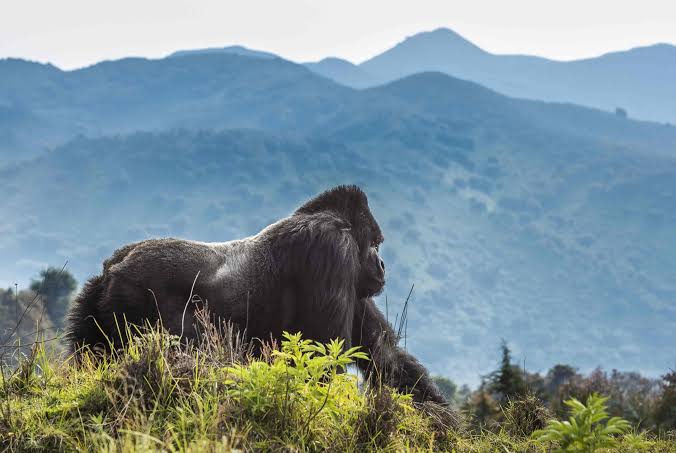
Unlike Uganda’s warmer savannah national parks, Bwindi contains mountainous terrain and dense tropical forests that remain green throughout the seasons. Visitors can experience sunshine, mist and rainfall within a single day.
Although June to August and December to February generally offer relatively dry conditions, rainfall remains possible during every month. Understanding seasonal weather patterns helps you choose suitable travel dates, pack appropriate clothing and prepare for forest trekking.
Whether you are visiting Bwindi for gorilla trekking, birdwatching or nature walks, knowing what to expect makes your safari more comfortable and enjoyable.
Understanding Bwindi’s Tropical Mountain Climate
Bwindi Impenetrable National Park lies near the equator, but its high elevation prevents it from experiencing the consistently hot temperatures associated with many tropical destinations.
The forest’s elevation ranges from approximately 1,160 metres to over 2,600 metres above sea level. These differences in altitude create varying temperatures and rainfall patterns across the park.
Lower areas generally experience warmer conditions, while higher mountain ridges remain considerably cooler.
Bwindi receives approximately 1,130 to 2,390 millimetres of rainfall annually. This rainfall supports dense vegetation, permanent streams and the rich biodiversity that makes the forest an important mountain gorilla habitat.
Average Bwindi Weather and Temperature
Visitors should prepare for cool mornings, mild afternoons and noticeably colder evenings, particularly when staying at higher elevations.
| Time of day | Approximate temperature |
|---|---|
| Early morning | 7–15°C |
| Late morning | 15–22°C |
| Afternoon | 20–27°C |
| Evening | 10–17°C |
| Night | 7–15°C |
These are broad temperature ranges rather than fixed daily averages. Conditions vary according to altitude, cloud cover and location.
Visitors staying near Ruhija or Nkuringo may experience cooler temperatures than those staying in lower parts of Buhoma.
Bwindi Weather Month by Month
Understanding monthly weather patterns allows you to select travel dates that suit your interests, budget and physical abilities.
| Month | General weather | Forest trail conditions |
|---|---|---|
| January | Relatively dry | Generally firm |
| February | Relatively dry | Favourable |
| March | Increasing rainfall | Becoming muddy |
| April | Frequent heavy rainfall | Slippery |
| May | Continued rainfall | Wet and muddy |
| June | Decreasing rainfall | Gradually improving |
| July | Relatively dry | Generally favourable |
| August | Relatively dry | Generally firm |
| September | Increasing rainfall | Variable |
| October | Frequent showers | Wet |
| November | Rainy and humid | Muddy |
| December | Transition towards drier weather | Generally improving |
These seasonal patterns should guide your planning rather than serve as precise weather forecasts.
January and February
January and February generally experience relatively low rainfall, making them attractive months for mountain gorilla trekking.
Forest trails may be easier to navigate, while road transfers to remote lodges are generally more comfortable.
Visitors should still carry waterproof jackets because sudden showers remain possible.
March, April and May
These months form Bwindi’s longer rainy season. April is often particularly wet, with rainfall creating muddy trails and slippery mountain roads.
The forest becomes beautifully green, and accommodation may be quieter outside holiday periods.
Travellers visiting during these months should prioritise waterproof equipment, reliable transport and flexible schedules.
June, July and August
June to August represents Bwindi’s main relatively dry season. These months attract many international visitors because walking conditions are generally more manageable.
Interestingly, June and July can also bring particularly cool conditions despite receiving less rainfall.
Book gorilla permits early and carry warm clothing for mornings and evenings.
September, October and November
Rainfall generally increases during September before becoming more frequent in October and November.
Visitors can expect lush vegetation, misty hills and occasional challenging road conditions.
These months can be rewarding for photographers and travellers who prefer quieter accommodation.
December
December generally marks the transition towards the shorter dry season.
Rainfall gradually becomes less frequent, although forest conditions remain unpredictable.
Accommodation and gorilla permits can become particularly competitive during Christmas and New Year holidays.
Weather Differences Between Bwindi’s Four Trekking Sectors
Bwindi’s four gorilla trekking sectors experience different local climates because of their geographical positions and elevations.
Buhoma Sector
Buhoma occupies the northern part of Bwindi and generally experiences warmer conditions than higher mountain sectors.
Its relatively sheltered forest environment contains dense vegetation and considerable humidity.
Visitors should prepare for rainfall regardless of the season.
Ruhija Sector
Ruhija is one of Bwindi’s higher-altitude trekking areas. Mornings and evenings can feel particularly cold, while mist frequently covers surrounding forest ridges.
Warm clothing is especially useful when staying in this sector.
Ruhija also attracts birdwatchers interested in highland forest species.
Rushaga Sector
Rushaga lies in southern Bwindi, surrounded by mountainous countryside and tropical vegetation.
Weather conditions can change rapidly, with sunshine followed by sudden showers.
Reliable waterproof footwear is important because several trekking routes involve uneven and steep terrain.
Nkuringo Sector
Nkuringo features elevated ridges and impressive views of surrounding mountains.
Its exposed locations can experience cooler temperatures and stronger winds than sheltered forest valleys.
Visitors staying at lodges along mountain ridges should carry warm evening clothing.
How Bwindi Weather Affects Gorilla Trekking
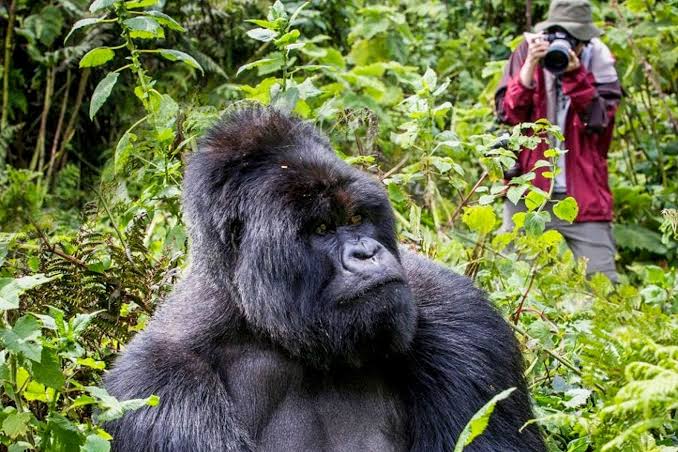
Weather influences walking conditions more than the likelihood of encountering mountain gorillas.
Gorillas remain within their forest habitat throughout the year, moving regularly in search of food and suitable resting areas.
During rainy conditions, visitors may require additional time to navigate slippery slopes. Relatively dry weather can make walking easier, although steep terrain remains physically demanding.
Trackers monitor habituated gorilla families regardless of the season. No particular weather condition guarantees a shorter trek.
How Weather Affects Road Transport to Bwindi
Several roads connecting Bwindi’s trekking sectors and surrounding accommodation facilities remain unpaved.
Heavy rainfall can create muddy surfaces, potholes and slippery slopes. A reliable four-wheel-drive safari vehicle is particularly useful during wetter months.
Domestic flights to Kihihi and Kisoro may also experience weather-related delays. Allow sufficient flexibility when arranging connections with international flights.
Best Time to Visit Bwindi for Different Activities
| Activity | Recommended months |
|---|---|
| Gorilla trekking | January, February, June to August |
| Birdwatching | Year-round |
| Forest photography | April, May, October and November |
| Community visits | December to February, June to August |
| Nature walks | Relatively dry months |
| Budget safari holidays | April, May and November |
These recommendations reflect general seasonal advantages. Most activities remain available throughout the year.
What to Pack for Bwindi’s Weather
Packing suitable clothing helps you remain comfortable during changing forest conditions.
Essential items include waterproof hiking boots, a breathable rain jacket, quick-drying trousers, long-sleeved shirts, gardening gloves and warm clothing.
Carry spare hiking socks, waterproof storage bags and a protective backpack cover.
Wear lightweight layers that you can remove when climbing steep slopes and put back on when resting.
Photographers should carry waterproof camera covers and microfibre cleaning cloths to protect equipment against rainfall and humidity.
Choosing Accommodation for Bwindi’s Climate
When selecting accommodation, consider the property’s elevation, room facilities and distance from your trekking headquarters.
Lodges offering hot showers, warm bedding, fireplaces and equipment drying facilities can provide additional comfort during cold or rainy periods.
Ask whether the property provides extra blankets and assistance with cleaning muddy hiking boots.
Staying close to your trekking headquarters also reduces early morning travel along potentially slippery roads.
Frequently Asked Questions
Does Bwindi experience cold weather?
Yes. Higher-altitude areas can experience temperatures around 7°C during particularly cool mornings and nights.
Which months are wettest in Bwindi?
March to May and September to November generally receive increased rainfall, with April often among the wettest months.
Which month is driest in Bwindi?
July is generally among the driest months, although rainfall remains possible.
Does rainfall affect gorilla trekking availability?
Gorilla trekking generally continues during rainfall unless park authorities determine that conditions are unsafe.
Is Bwindi hotter than Kampala?
Bwindi is generally cooler than Kampala because of its mountainous terrain and higher elevation.
Do I need warm clothing for Bwindi?
Yes. A lightweight fleece, warm socks and suitable evening clothing are recommended throughout the year.
Bwindi weather and temperature vary according to elevation, season and daily forest conditions. Relatively dry months provide favourable walking conditions, while rainy months offer beautiful green scenery and potentially quieter accommodation. Preparing for rainfall and cool temperatures throughout the year helps you enjoy a comfortable gorilla trekking adventure in Uganda.