Best Months to Combine Gorillas With Wildebeest Migration Viewing
The best months to combine gorillas with wildebeest migration viewing are January, February, July, August and September. These months generally offer favourable mountain gorilla trekking conditions in Uganda and Rwanda while providing opportunities to witness different stages of the Great Wildebeest Migration in Kenya and Tanzania.
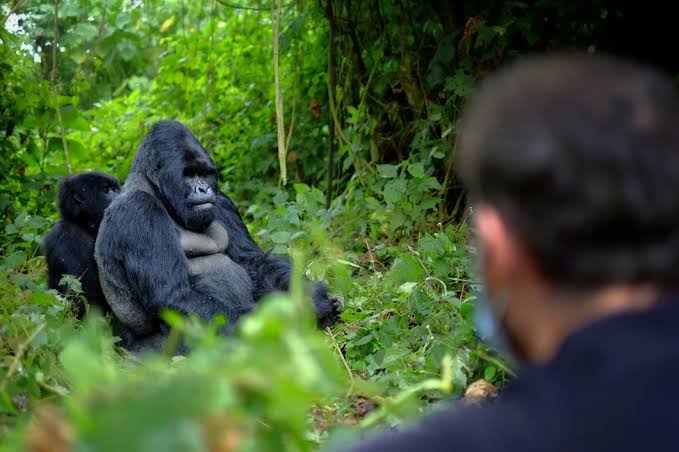
Combining mountain gorilla encounters with migration viewing allows travellers to experience two remarkable African wildlife attractions within one holiday. You can observe gorilla families feeding and interacting in tropical mountain forests before exploring expansive grasslands occupied by wildebeest, zebras and predators.
However, successful safari planning requires an understanding of regional rainfall patterns, seasonal animal movements, permit availability and transport connections. The wildebeest migration follows natural grazing and rainfall conditions rather than a fixed calendar.
Choosing suitable travel dates helps you enjoy comfortable forest trekking, rewarding wildlife encounters and convenient connections between East Africa’s leading safari destinations.
Best Months to Combine Gorillas With Wildebeest Migration Viewing at a Glance
The most suitable travel month depends on whether you prefer watching newborn wildebeest, large migrating herds or dramatic river crossings.
| Month | Gorilla trekking conditions | Migration viewing destination |
|---|---|---|
| January | Relatively dry | Southern Serengeti and Ndutu |
| February | Favourable forest trails | Ndutu calving grounds |
| March | Increasing rainfall | Southern Serengeti |
| April | Wet forest conditions | Central and southern Serengeti |
| May | Frequent rainfall | Central Serengeti and Western Corridor |
| June | Improving forest conditions | Western Corridor |
| July | Relatively dry | Northern Serengeti |
| August | Excellent walking conditions | Northern Serengeti and Masai Mara |
| September | Transitional weather | Masai Mara and northern Serengeti |
| October | Increasing rainfall | Northern Serengeti and Masai Mara |
| November | Wet forest conditions | Serengeti southward migration |
| December | Becoming drier | Southern Serengeti plains |
The migration continues throughout the year, but the location of the herds varies according to rainfall and grazing availability.
Understanding the Great Wildebeest Migration
The Great Wildebeest Migration involves approximately 1.5 million wildebeest, accompanied by hundreds of thousands of zebras and other grazing animals moving through the Serengeti-Mara region.
The animals travel in search of fresh grass and reliable water sources. Predators such as lions, cheetahs, leopards and spotted hyenas follow or intercept these moving herds.
The migration includes several important stages, including calving, northward movement, river crossings and the return towards southern Tanzania.
Understanding these stages helps you select suitable accommodation near the expected location of the herds.
Gorilla Trekking and Wildebeest Migration in January
January is an excellent month for combining mountain gorilla trekking with migration viewing in southern Tanzania.
Uganda generally experiences relatively dry conditions, making forest trails easier to navigate. Rwanda also experiences favourable trekking weather during much of January.
Meanwhile, wildebeest gather around the nutrient-rich grasslands of southern Serengeti and Ndutu.
Visitors may observe large herds feeding across open plains, alongside resident predators searching for hunting opportunities.
January suits travellers who prefer open landscapes, wildlife photography and potentially quieter conditions than the busiest river-crossing months.
Gorilla Trekking and Wildebeest Migration in February
February is particularly attractive for visitors interested in wildebeest calving.
Large numbers of wildebeest calves are born across the southern Serengeti plains during a concentrated period, typically around late January and February.
The presence of vulnerable young animals attracts predators, creating interesting opportunities to observe natural wildlife behaviour.
Bwindi and Mgahinga generally experience relatively favourable trekking conditions during February.
Rwanda also offers rewarding gorilla encounters, although rainfall can increase during the second half of the month.
February is especially suitable for wildlife photographers, honeymooners and travellers interested in animal behaviour.
Gorilla Trekking and Wildebeest Migration in June
June marks the beginning of the main dry season across much of southwestern Uganda and Rwanda.
Forest trails gradually become firmer, improving walking comfort for gorilla trekkers.
In Tanzania, migrating wildebeest frequently move through the Western Corridor towards northern Serengeti. Some herds may encounter the Grumeti River during this period.
June can provide attractive accommodation options before the busiest July and August travel weeks.
However, safari planners should confirm the approximate location of migrating herds before selecting accommodation.
Gorilla Trekking and Wildebeest Migration in July
July is one of the most popular months for combining mountain gorillas with migration experiences.
Relatively dry conditions generally improve accessibility to gorilla trekking destinations. In Tanzania, migrating herds may reach northern Serengeti and areas surrounding the Mara River.
Visitors may witness large wildebeest gatherings and potentially observe river crossings.
July also coincides with international school holidays, increasing demand for safari accommodation, domestic flights and gorilla permits.
Booking six to twelve months ahead is advisable.
Gorilla Trekking and Wildebeest Migration in August
August is among the strongest months for combining gorilla trekking with migration viewing in Kenya and northern Tanzania.
Large wildebeest herds may occupy the Masai Mara and northern Serengeti, depending on grazing conditions.
Uganda and Rwanda generally provide favourable forest walking conditions, although occasional rainfall remains possible.
August is particularly attractive for visitors interested in Mara River crossings. However, wildebeest may gather near riverbanks for extended periods without crossing.
Allow several days in the migration region to improve your viewing opportunities.
Gorilla Trekking and Wildebeest Migration in September
September offers a rewarding combination of relatively favourable trekking conditions and continued migration activity.
Northern Serengeti and the Masai Mara can still contain substantial wildebeest herds.
Visitor demand may gradually decrease in some gorilla trekking destinations after the international summer holidays.
However, September remains a busy migration month, particularly around popular river-crossing locations.
Travellers should prepare for increasing rainfall in southwestern Uganda and Rwanda towards the end of September.
Best Gorilla Trekking Destinations for a Combined Safari
Bwindi Impenetrable National Park, Uganda
Bwindi offers mountain gorilla trekking across four sectors: Buhoma, Ruhija, Rushaga and Nkuringo.
Its diverse accommodation options make it suitable for budget, midrange and luxury safari travellers.
Domestic flights to Kihihi or Kisoro can help reduce road travelling time, depending on your chosen trekking sector.
Mgahinga Gorilla National Park, Uganda
Mgahinga provides mountain gorilla encounters within beautiful volcanic landscapes.
Visitors can also participate in golden monkey trekking and cultural experiences before continuing towards Kenya or Tanzania.
Volcanoes National Park, Rwanda
Volcanoes National Park offers convenient access from Kigali, making it attractive for shorter combined safari itineraries.
Travellers can complete their gorilla trekking experience before connecting through regional airports towards Kenya or Tanzania.
Best Migration Destinations to Combine With Gorillas
| Migration destination | Recommended months | Main wildlife experience |
|---|---|---|
| Ndutu Conservation Area | January to February | Wildebeest calving |
| Southern Serengeti | December to March | Large grazing herds |
| Western Serengeti | May to July | Northward migration |
| Northern Serengeti | July to October | Potential Mara River crossings |
| Masai Mara | July to October | Migrating herds and predators |
These periods represent typical seasonal movements rather than guaranteed wildlife locations.
Recommended 12-Day Gorilla and Migration Safari
| Day | Destination | Main activity |
|---|---|---|
| Day 1 | Entebbe | Arrival and relaxation |
| Day 2 | Kibale National Park | Road transfer |
| Day 3 | Kibale Forest | Chimpanzee trekking |
| Day 4 | Queen Elizabeth National Park | Wildlife viewing |
| Day 5 | Bwindi | Transfer to forest accommodation |
| Day 6 | Bwindi Forest | Mountain gorilla trekking |
| Day 7 | Entebbe | Return transfer |
| Day 8 | Tanzania | Regional flight and transfer |
| Day 9 | Serengeti or Ndutu | Migration viewing |
| Day 10 | Serengeti or Ndutu | Full-day game drive |
| Day 11 | Serengeti or Ndutu | Wildlife photography |
| Day 12 | Departure airport | Return flight connections |
The Tanzanian section should follow the expected migration location during your selected travel month. An additional transfer day may be necessary depending on flight schedules.
Practical Tips for Planning Your Combined Safari
Reserve your gorilla permit before confirming other arrangements. Choose migration camps according to seasonal wildlife movements rather than accommodation prices alone.
Spend at least three nights in the migration region, particularly when hoping to witness river crossings.
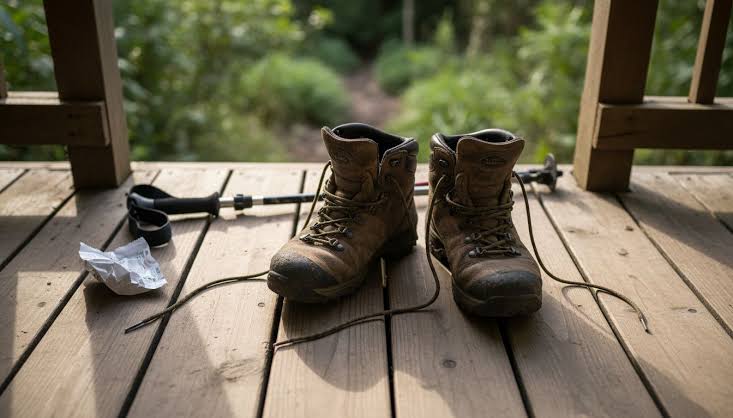
Pack suitable clothing for both cool mountain forests and warm savannah environments. Confirm baggage restrictions when using small safari aircraft, and allow sufficient time between international and domestic flight connections.
Frequently Asked Questions
What is the best overall month to combine gorillas and wildebeest migration?
August is an excellent choice for potential river crossings, while February is particularly rewarding for wildebeest calving and gorilla trekking.
Can I combine Uganda gorillas with the Masai Mara?
Yes. Regional flights and domestic safari connections make this combination possible, particularly between July and October.
Are wildebeest river crossings guaranteed?
No. River crossings depend on animal movements, rainfall, grazing conditions and natural behaviour.
How many days do I need for a combined safari?
Approximately 10 to 14 days allows sufficient time for gorilla trekking, regional transfers and several migration game drives.
Which month is best for wildlife photography?
February offers rewarding calving photography, while August and September provide opportunities to photograph large migrating herds and potential river crossings.
The best months to combine gorillas with wildebeest migration viewing depend on your preferred wildlife experiences. January and February are excellent for calving encounters, while July, August and September provide attractive opportunities for observing migrating herds and potential river crossings.
Early reservations, carefully selected accommodation and flexible travel arrangements help you enjoy both mountain gorilla encounters and Africa’s remarkable wildebeest migration within one safari holiday.