Peak Season vs Shoulder Season on an East African Safari
Understanding the differences between peak season vs shoulder season on an East African safari can help you choose suitable travel dates, manage your budget and enjoy rewarding wildlife encounters. Uganda, Rwanda, Kenya and Tanzania experience different seasonal conditions that influence wildlife movements, accommodation prices, visitor numbers and outdoor activities.
Peak-season travel generally offers favourable weather, comfortable game drives and excellent opportunities to witness major wildlife events. However, increased tourism demand can result in higher accommodation prices and limited permit availability.
The shoulder season provides an attractive alternative for travellers seeking quieter national parks, competitive accommodation rates and beautiful landscapes. Although occasional rainfall may affect travel arrangements, wildlife experiences remain rewarding.
Choosing between these seasons depends on your interests, available budget, physical abilities and preferred safari destinations. Understanding regional differences is essential because East African countries do not follow identical wildlife and weather calendars.
What Is Peak Season on an East African Safari?
Peak season refers to periods when tourism demand is highest because of favourable weather, international holidays and major wildlife events.
Across much of East Africa, June to September is a popular safari period. However, Tanzania’s wildebeest calving season in February and the Christmas holidays also attract considerable demand.
During peak season, visitors generally benefit from easier road access, favourable wildlife viewing and relatively comfortable forest trekking conditions.
Popular accommodation facilities, domestic flights and gorilla permits can become fully booked several months ahead.
What Is Shoulder Season on an East African Safari?
Shoulder season refers to the transitional periods between busy tourism months and quieter low-season periods.
March, early June, September, October and November may fall within shoulder-season pricing at some destinations. However, individual lodges and national parks follow different seasonal calendars.
Shoulder season can offer a reasonable balance between wildlife viewing, accommodation costs and visitor numbers.
April and May are generally considered low-season months across many destinations because of heavier rainfall. Travellers should therefore distinguish between shoulder-season offers and traditional rainy-season discounts.
Peak Season vs Shoulder Season: Quick Comparison
| Travel consideration | Peak season | Shoulder season |
|---|---|---|
| Accommodation prices | Generally higher | Potentially lower |
| Visitor numbers | Higher | Generally fewer |
| Weather | Often relatively dry | More variable |
| Wildlife visibility | Generally favourable | Good but variable |
| Gorilla permit demand | High | Potentially lower |
| Road accessibility | Generally easier | Weather dependent |
| Photography | Clear conditions and open landscapes | Green scenery and softer light |
| Booking flexibility | More limited | Generally greater |
| Safari experience | Popular wildlife events | Quieter wildlife encounters |
Seasonal classifications vary between countries, national parks and accommodation providers.
Peak and Shoulder Seasons by Country
Uganda Safari Seasons
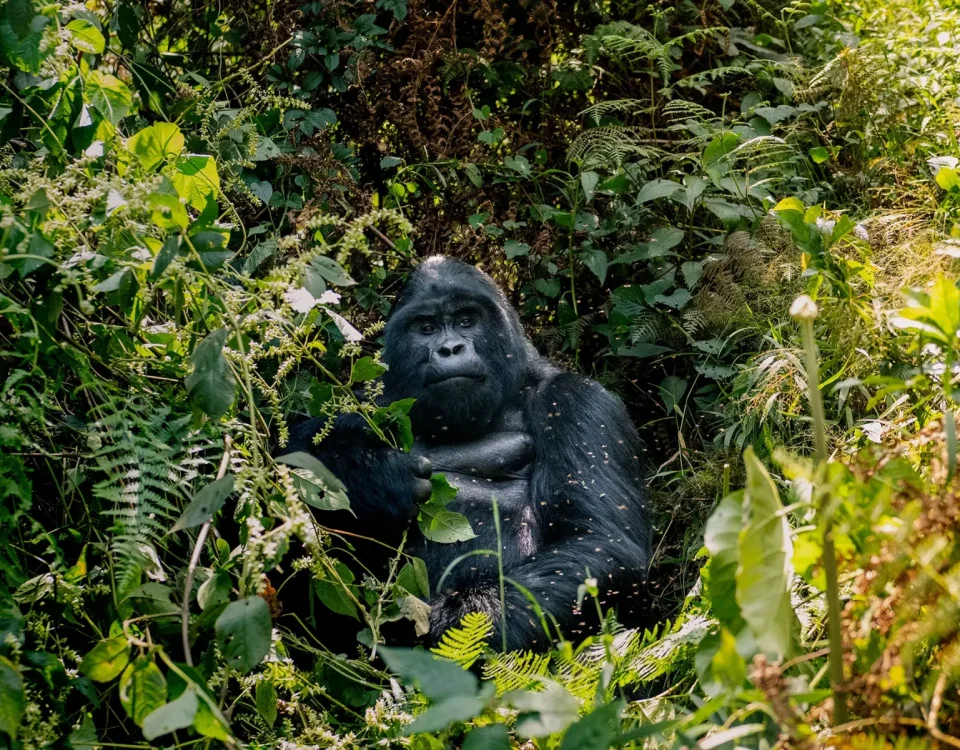
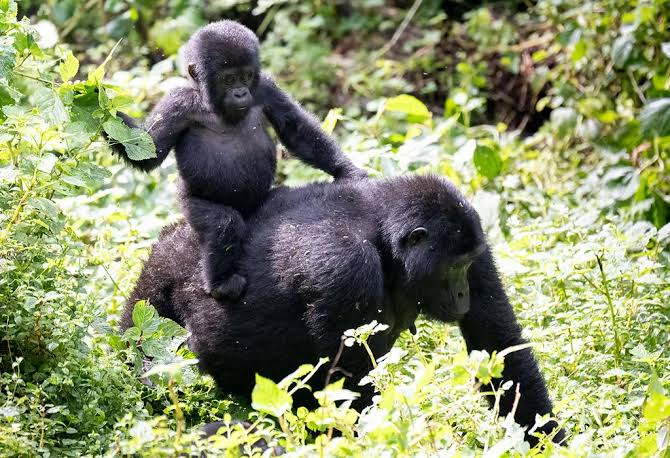
Uganda’s popular gorilla trekking months generally include June to August and December to February. Relatively low rainfall can improve forest walking conditions in Bwindi Impenetrable National Park and Mgahinga Gorilla National Park.
March and September offer transitional conditions, while April, May and November provide opportunities for discounted primate trekking permits.
Travellers combining gorilla trekking with Queen Elizabeth National Park or Kibale National Park may find shoulder-season travel particularly rewarding.
Rwanda Safari Seasons
Rwanda experiences strong tourism demand between June and September, particularly around Volcanoes National Park.
January and February also attract visitors seeking relatively favourable trekking conditions.
March, October and November can offer quieter accommodation and attractive forest scenery. However, rainfall may make mountain trails more challenging.
Kenya Safari Seasons
Kenya’s Masai Mara National Reserve attracts considerable demand between July and October because of the Great Wildebeest Migration.
January and February also provide excellent opportunities to observe resident wildlife.
March and June may offer better accommodation rates at selected properties. November can be attractive for travellers seeking greener landscapes and fewer safari vehicles.
Tanzania Safari Seasons
Tanzania experiences several busy periods because of the changing location of migrating wildebeest.
January to March attracts visitors interested in the southern Serengeti and Ndutu calving season. July to October is popular for wildlife viewing in northern Serengeti.
April and May generally experience lower tourism demand, while transitional months can offer competitive accommodation prices.
Advantages of Peak-Season Safaris
Favourable Wildlife Viewing
During relatively dry periods, animals may gather around permanent water sources. Shorter vegetation can also improve visibility across savannah landscapes.
These conditions provide rewarding opportunities to observe elephants, buffaloes, antelopes and predators.
Comfortable Gorilla Trekking Conditions
Relatively firm forest trails can make walking more manageable in Uganda and Rwanda.
Senior travellers and inexperienced hikers may particularly appreciate these conditions, although trekking difficulty still depends on gorilla movements.
Major Wildlife Events
Peak-season travel can coincide with wildebeest migration activity in Kenya and Tanzania.
Visitors interested in river crossings may prefer travelling between July and October, while those interested in newborn wildebeest should consider February in southern Serengeti.
Neither event can be guaranteed on a particular date.
Disadvantages of Peak-Season Safaris
Higher accommodation prices are among the main disadvantages of peak-season travel. Popular safari camps may charge considerably more than during quieter periods.
Crowded wildlife viewing areas can also affect your experience, particularly near famous river crossings in the Masai Mara and Serengeti.
Travellers with fixed holiday dates may find their preferred lodges fully booked. Changing confirmed reservations can also become difficult when alternative accommodation is limited.
Advantages of Shoulder-Season Safaris
Potentially Lower Safari Costs
Many accommodation providers offer competitive rates between their busiest travel periods.
These savings may allow you to upgrade your accommodation, extend your safari or include additional wildlife activities without substantially increasing your budget.
Fewer Safari Vehicles
Shoulder-season travel can provide quieter wildlife encounters, particularly in less frequently visited national parks.
Photographers may appreciate having fewer vehicles obstructing their views, while couples can enjoy more peaceful accommodation.
Beautiful Green Landscapes
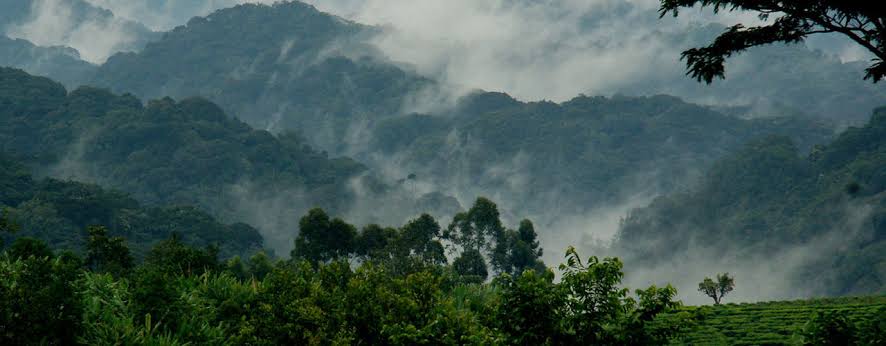
Occasional rainfall creates fresh vegetation, attractive skies and impressive photographic backgrounds.
Birdwatchers may also encounter seasonal migratory species, particularly when travelling towards November.
Disadvantages of Shoulder-Season Safaris
Unpredictable weather remains the principal challenge. Rainfall may make forest trails slippery, create muddy game tracks and occasionally delay transport arrangements.
Some seasonal safari camps may operate reduced services or close temporarily during wetter periods.
Travellers should confirm accommodation availability, road conditions and domestic flight schedules before finalising their itineraries.
Comparing Peak and Shoulder-Season Safari Prices
The following example illustrates potential accommodation savings for two travellers spending seven nights on safari.
| Accommodation category | Peak season per night | Shoulder season per night | Seven-night savings |
|---|---|---|---|
| Budget | $120 | $90 | $210 |
| Midrange | $250 | $190 | $420 |
| Luxury | $600 | $450 | $1,050 |
| Premium luxury | $1,200 | $900 | $2,100 |
These figures are hypothetical room rates rather than confirmed accommodation quotations. Actual savings depend on individual properties and travel dates.
Uganda’s Seasonal Trekking Permit Savings
Under Uganda Wildlife Authority’s revised tariff effective January 2027, foreign non-resident visitors can benefit from reduced primate permit prices during April, May and November.
| Activity | Standard permit | Discounted permit |
|---|---|---|
| Mountain gorilla trekking | $800 | $600 |
| Kibale chimpanzee trekking | $300 | $200 |
| Combined activities | $1,100 | $800 |
A couple undertaking both activities during these designated months can save $600.
Discounted permits cannot be rescheduled, making confirmed travel dates particularly important.
Which Season Is Best for Different Travellers?
Families may prefer relatively dry months that coincide with school holidays. Senior travellers may also appreciate firmer forest trails and more comfortable road conditions.
Budget travellers should consider shoulder-season accommodation offers and designated low-season permit discounts.
Photographers can benefit from travelling during transitional months when green vegetation and softer natural lighting create interesting compositions.
Honeymooners may prefer quieter accommodation during shoulder season, while migration enthusiasts should prioritise wildlife movements rather than accommodation prices.
Frequently Asked Questions
Is shoulder season cheaper than peak season?
Generally, accommodation may be more affordable. However, permits, park fees and flights do not always follow identical seasonal pricing arrangements.
Can I see the Big Five during shoulder season?
Yes. Lions, leopards, elephants, buffaloes and rhinos inhabit various East African protected areas throughout the year.
Which season is better for gorilla trekking?
Relatively dry months generally provide easier walking conditions, while wetter months may offer financial savings in Uganda.
Is September peak season or shoulder season?
September may be a shoulder month in parts of Uganda but remains a busy migration period in Kenya and northern Tanzania.
How early should I book a peak-season safari?
Booking six to twelve months ahead is advisable, particularly when combining gorilla trekking with wildebeest migration experiences.
Choosing between peak season and shoulder season on an East African safari depends on your wildlife interests, budget and travelling preferences. Peak season generally provides favourable weather and opportunities to witness major wildlife events, while shoulder season offers potential savings and quieter surroundings.
Consider each destination independently, compare seasonal quotations and prepare for changing weather conditions to enjoy a rewarding East African safari.