Best Hiking Boots for Gorilla Trekking in Bwindi
Choosing the best hiking boots for gorilla trekking in Bwindi is essential for maintaining comfort, stability and protection while exploring Uganda’s mountainous rainforest. Bwindi Impenetrable National Park contains steep slopes, muddy trails, exposed tree roots, wet vegetation and uneven forest surfaces that require reliable footwear.
Unlike ordinary nature walks, gorilla trekking can involve several hours of walking through dense vegetation and challenging terrain. Unsuitable footwear may cause blisters, foot pain, slipping and unnecessary fatigue.
Waterproof hiking boots with reliable ankle support, durable rubber soles and comfortable cushioning are generally the most practical choice. However, the ideal pair depends on your foot shape, physical condition, trekking experience and travel season.
Whether you are visiting Buhoma, Ruhija, Rushaga or Nkuringo, investing in suitable hiking boots and wearing them before your safari can significantly improve your overall gorilla trekking experience.
Why Hiking Boots Are Important for Gorilla Trekking
Bwindi Impenetrable National Park covers a mountainous landscape with elevations ranging from approximately 1,160 to 2,607 metres above sea level. Its dense vegetation and frequent rainfall create challenging walking conditions throughout the year.
During gorilla trekking, visitors may encounter slippery slopes, muddy paths, loose stones, fallen branches and shallow streams.
Suitable hiking boots provide better traction, protect your feet against rough surfaces and improve walking stability. They also help prevent mud, insects and vegetation from entering your footwear.
Even during relatively dry months, shaded forest trails can remain damp. Therefore, choosing appropriate footwear is important regardless of your travel dates.
Features of the Best Hiking Boots for Gorilla Trekking in Bwindi
1. Waterproof Protection
Waterproof hiking boots are particularly useful because rainfall can occur throughout the year in Bwindi.
Boots containing waterproof membranes, such as Gore-Tex, help prevent external moisture from reaching your feet under normal walking conditions.
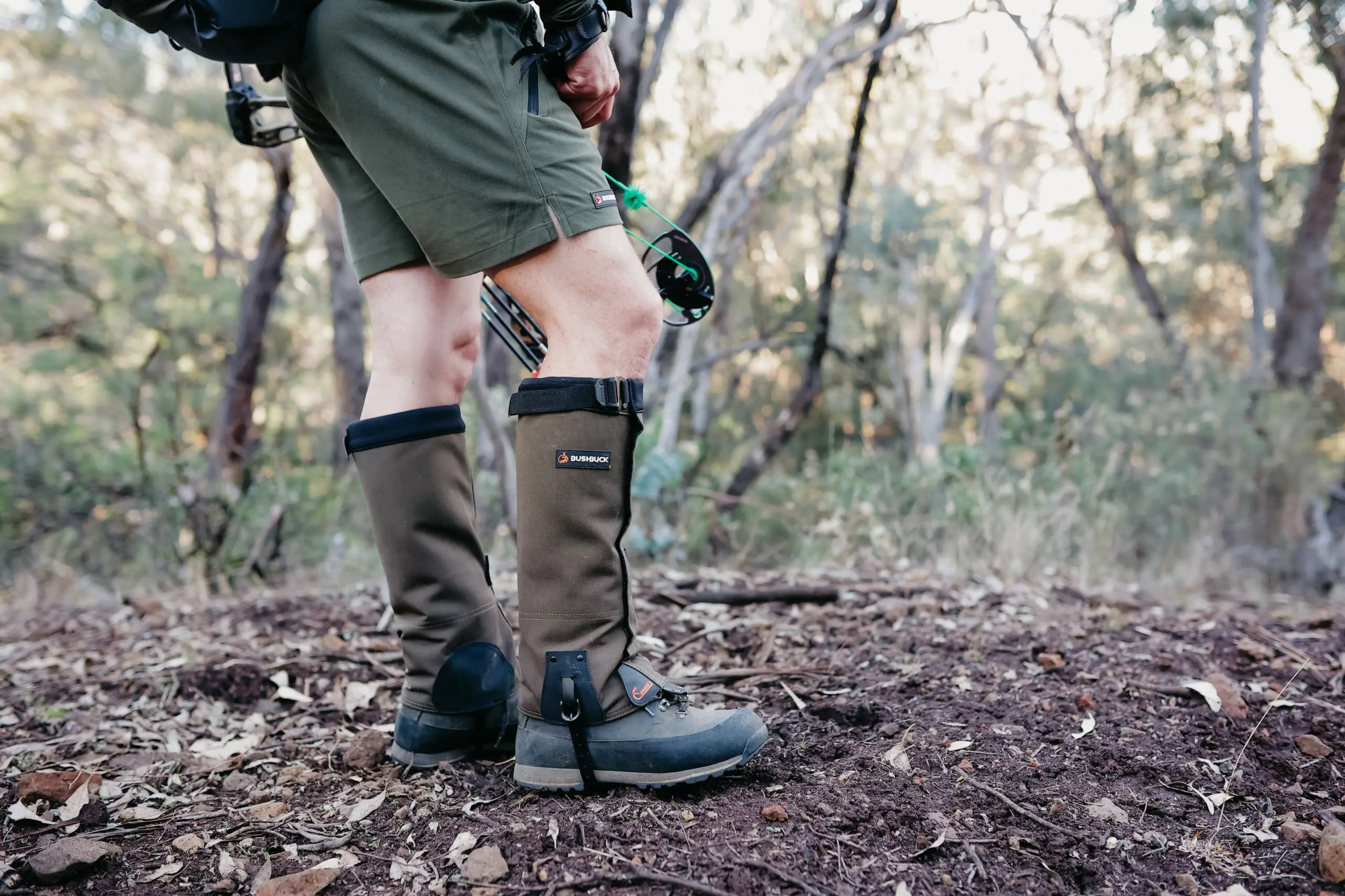
However, water can still enter through the opening above your ankle. Wearing waterproof gaiters provides additional protection when walking through wet vegetation and deeper mud.
Dry feet generally improve comfort and reduce the likelihood of friction-related blisters.
2. Strong Ankle Support
Bwindi contains steep and uneven terrain that requires careful foot placement.
Mid-cut and high-cut hiking boots provide additional coverage and support around the ankles. This can improve comfort and stability when navigating difficult surfaces, although boots alone cannot prevent ankle injuries.
Travellers with previous ankle problems should consider professional footwear advice before purchasing hiking boots.
3. Reliable Rubber Outsoles
The quality of the outsole determines how effectively your footwear grips different surfaces.
Choose hiking boots with deep, widely spaced tread patterns that can provide traction on muddy ground and release accumulated mud.
Smooth-soled shoes are unsuitable for challenging forest conditions.
Even high-quality hiking boots can slip on wet roots and rocks, so careful walking remains essential.
4. Comfortable Cushioning
Gorilla trekking can involve several hours of continuous walking. Comfortable cushioning helps reduce pressure on your heels and the soles of your feet.
Choose boots with supportive midsoles and enough flexibility for natural foot movement.
Extremely rigid mountaineering boots are generally unnecessary for standard gorilla trekking.
5. Breathable Materials
Bwindi’s humid forest environment can cause considerable sweating during demanding climbs.
Breathable hiking boots help manage internal moisture, although waterproof membranes generally reduce ventilation compared with non-waterproof footwear.
Lightweight synthetic materials may provide a comfortable balance between protection, durability and breathability.
Recommended Types of Hiking Boots for Bwindi
| Hiking boot type | Main advantage | Suitability |
|---|---|---|
| Waterproof mid-cut boots | Balanced protection and flexibility | Excellent |
| Waterproof leather boots | Durability and protection | Excellent |
| Synthetic hiking boots | Lightweight construction | Very good |
| High-cut trekking boots | Additional ankle coverage | Very good |
| Trail running shoes | Lightweight and breathable | Conditional |
| Heavy mountaineering boots | Rigid construction | Generally unnecessary |
| Ordinary trainers | Limited mud traction | Not recommended |
| Sandals | Minimal foot protection | Unsuitable |
Waterproof mid-cut hiking boots are generally the most practical option for first-time gorilla trekkers.
Best Hiking Boot Brands for Gorilla Trekking
Several established outdoor footwear brands produce boots suitable for tropical forest hiking. The following models are examples worth comparing according to your foot shape, budget and personal comfort.
Salomon X Ultra 4 Mid GTX
The Salomon X Ultra 4 Mid GTX combines relatively lightweight construction with waterproof protection and a supportive design.
Its outdoor tread pattern makes it suitable for uneven forest terrain.
These boots may appeal to travellers who prefer lighter footwear during extended walking activities.
Merrell Moab 3 Mid Waterproof
The Merrell Moab 3 Mid Waterproof is a popular hiking boot designed for general outdoor walking.
It features cushioning, ankle coverage and a durable rubber outsole.
It is worth considering for first-time hikers and travellers seeking comfortable footwear for multiple safari activities.
KEEN Targhee III Waterproof Mid
The KEEN Targhee III Waterproof Mid offers protective construction and a relatively spacious toe area.
Travellers who find narrow hiking boots uncomfortable may appreciate trying this model.
Its design is suitable for general hiking across uneven surfaces.
Lowa Renegade GTX Mid
The Lowa Renegade GTX Mid combines supportive construction with waterproof protection.
These boots may suit travellers seeking durable footwear for gorilla trekking and additional mountain hiking activities.
Columbia Newton Ridge Plus Waterproof
The Columbia Newton Ridge Plus Waterproof range provides practical options for travellers seeking relatively affordable hiking footwear.
Its waterproof construction and outdoor tread make it worth considering for general forest excursions.
Hiking Boot Price Comparison
| Hiking boot model | Indicative budget in USD |
|---|---|
| Columbia Newton Ridge Plus Waterproof | $75–$130 |
| Merrell Moab 3 Mid Waterproof | $120–$170 |
| KEEN Targhee III Waterproof Mid | $130–$190 |
| Salomon X Ultra 4 Mid GTX | $160–$210 |
| Lowa Renegade GTX Mid | $220–$290 |
These are broad budgeting estimates rather than confirmed retail prices. Actual costs vary according to country, retailer, model availability and seasonal discounts.
Comfort and correct sizing should take priority over brand reputation or price.
Best Hiking Boots for Bwindi’s Four Trekking Sectors
Buhoma Sector
Buhoma contains dense forest vegetation, humid valleys and uneven walking trails.
Lightweight waterproof mid-cut hiking boots generally provide suitable protection while maintaining flexibility during forest excursions.
Ruhija Sector
Ruhija occupies higher elevations and frequently experiences cool temperatures and misty conditions.
Waterproof hiking boots paired with comfortable hiking socks can improve warmth and protection during early morning trekking.
Rushaga Sector
Rushaga features steep slopes, mountainous terrain and dense vegetation.
Boots with aggressive tread patterns and supportive construction are particularly useful when navigating muddy inclines.
Nkuringo Sector
Nkuringo contains some challenging mountainous landscapes.
Reliable outsole traction, secure heel positioning and comfortable ankle coverage are important when climbing or descending steep forest slopes.
However, trekking difficulty in every sector depends on the location of your assigned gorilla family.
Hiking Boots for the Dry and Rainy Seasons
Bwindi experiences relatively dry periods between June and August and December and February. Its main rainy periods generally occur between March and May and September and November.
| Footwear feature | Dry season | Rainy season |
|---|---|---|
| Waterproof membrane | Recommended | Highly recommended |
| Deep outsole tread | Important | Particularly important |
| Ankle coverage | Recommended | Recommended |
| Gaiters | Useful | Highly recommended |
| Spare hiking socks | Recommended | Highly recommended |
| Breathable construction | Important | Important |
Do not assume that visiting Bwindi during the dry season eliminates the need for waterproof footwear.
How to Choose the Correct Hiking Boot Size
Try hiking boots while wearing the socks you intend to use during trekking.
Your toes should have sufficient room to move without pressing against the front of the boot. This becomes particularly important when descending steep slopes.
Your heel should remain reasonably secure without excessive movement.
Consider trying boots during the afternoon when your feet may have expanded slightly following normal daily activity.
Avoid purchasing excessively large boots because unnecessary movement inside the footwear can cause friction and reduce stability.
Breaking In Hiking Boots Before Gorilla Trekking
Never arrive in Bwindi wearing hiking boots that you have purchased but never used.
Begin wearing your boots approximately three to four weeks before departure. Start with short walks and gradually increase the distance.
Practise walking uphill, downhill and across uneven surfaces.
These practice walks help identify uncomfortable pressure points, sizing problems and areas where blisters may develop.
Best Socks and Gaiters for Gorilla Trekking
Merino wool or moisture-managing synthetic hiking socks provide practical alternatives to ordinary cotton socks. Cotton can retain moisture and become uncomfortable during prolonged walking.
Gaiters provide additional protection around your lower legs and boot openings. They help reduce the amount of mud, vegetation, insects and debris entering your footwear.
Carry at least one spare pair of hiking socks in your backpack.
Frequently Asked Questions
Can I wear trainers for gorilla trekking in Bwindi?
Ordinary trainers are not recommended because they generally provide limited traction and protection on muddy forest trails.
Are waterproof hiking boots necessary?
They are highly recommended because Bwindi experiences unexpected rainfall and damp forest conditions throughout the year.
Do I need expensive hiking boots?
No. Affordable, comfortable hiking boots with good traction and suitable protection can perform well during gorilla trekking.
Can I wear Wellington boots?
Wellington boots can provide excellent waterproof protection, but many models lack the cushioning and secure fit needed for prolonged mountain walking.
Should I buy hiking boots before travelling to Uganda?
Yes. Purchasing your boots early allows you to test their comfort and prepare for challenging forest terrain.
The best hiking boots for gorilla trekking in Bwindi combine waterproof protection, reliable traction, comfortable cushioning and a secure fit. Choosing suitable footwear before departure can improve your walking comfort and reduce unnecessary difficulties during your mountain gorilla encounter.
Invest in boots that fit properly, practise walking in them before your safari and prepare for unpredictable forest conditions throughout the year.