
Why Long Sleeves and Gaiters Matter in the Forest
Understanding why long sleeves and gaiters matter in the forest helps travellers prepare for comfortable and safe gorilla trekking experiences in Uganda and Rwanda. Tropical mountain forests contain dense vegetation, biting insects, thorny plants, muddy trails and exposed tree roots that can make walking challenging without suitable protective clothing.
Long-sleeved shirts protect your arms against scratches, insect bites, stinging plants and changing weather conditions. Gaiters provide additional protection around your ankles and lower legs, helping prevent mud, insects, moisture and forest debris from entering your hiking boots.
Whether you are trekking mountain gorillas in Bwindi Impenetrable National Park, exploring Mgahinga Gorilla National Park or visiting Rwanda’s Volcanoes National Park, suitable clothing can improve your overall trekking experience.
Choosing lightweight, breathable and durable materials allows you to remain comfortable while navigating challenging forest environments.
Why Protective Clothing Is Important in Tropical Forests
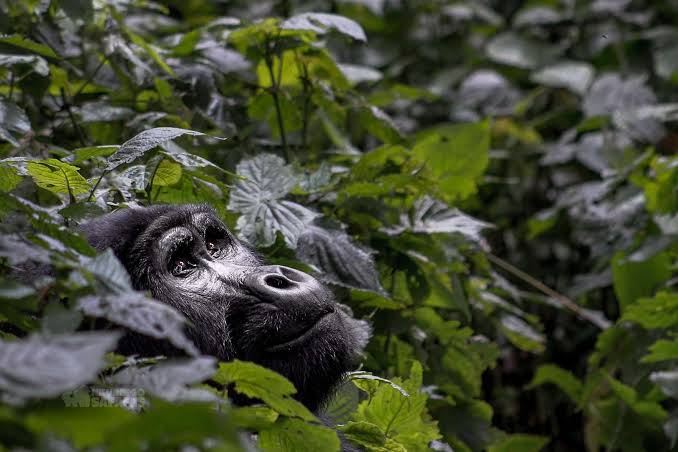
Gorilla trekking takes visitors through natural forest environments where walking conditions can change unexpectedly. Unlike established recreational hiking paths, some gorilla trekking routes pass through thick vegetation and uneven terrain.
Park rangers may clear sections of vegetation to help visitors reach their assigned gorilla family. However, trekkers can still encounter thorny branches, stinging nettles, crawling insects and slippery surfaces.
Protective clothing creates a physical barrier between your skin and these environmental challenges.
| Forest challenge | Recommended protection |
|---|---|
| Stinging nettles | Long-sleeved shirts and trousers |
| Biting insects | Gaiters, long sleeves and insect repellent |
| Thorny vegetation | Durable long-sleeved clothing |
| Muddy trails | Gaiters and waterproof hiking boots |
| Cold mornings | Long sleeves and lightweight fleece |
| Wet vegetation | Quick-drying clothing |
| Forest debris | Gaiters and secure boot openings |
Proper clothing allows you to concentrate on wildlife encounters rather than dealing with unnecessary discomfort.
Why Long Sleeves Matter During Gorilla Trekking
Protection Against Stinging Nettles
Stinging nettles grow in several mountain forest environments, particularly around the Virunga Mountains.
Contact with these plants can cause temporary skin irritation, itching and a burning sensation.
Long-sleeved shirts reduce direct contact between your arms and irritating vegetation. Choose fabric that provides adequate coverage without restricting movement.
Although some lightweight fabrics may not prevent every sting, they offer considerably better protection than exposed skin.
Protection Against Insect Bites
Bwindi and other tropical forests support numerous insect species, including mosquitoes, ants and biting flies.
Long sleeves reduce the amount of exposed skin available to biting insects.
Combine protective clothing with an appropriate insect repellent for better protection. Remember that clothing alone cannot eliminate the risk of insect bites or insect-borne diseases.
Preventing Scratches From Branches
Mountain gorillas frequently move through areas containing thick undergrowth. Reaching them may require walking past thorny plants, vines and low-hanging branches.
Long-sleeved shirts help reduce minor scratches and abrasions.
Durable hiking shirts are particularly useful because they provide protection while allowing comfortable arm movement.
Protection Against Sun Exposure
Although dense forest vegetation provides considerable shade, gorilla trekking sometimes begins in exposed agricultural landscapes or open mountain areas.
Long sleeves help protect your arms against ultraviolet radiation.
Travellers with sensitive skin may prefer lightweight hiking shirts designed with ultraviolet protection.
Maintaining Comfortable Body Temperature
Mountain forests can experience cool mornings, humid afternoons and unexpected showers.
Long sleeves provide additional warmth during early morning trekking briefings. Breathable fabrics also help manage perspiration when temperatures increase during demanding climbs.
Wearing several lightweight layers allows you to adjust your clothing as conditions change.
What Are Gaiters?
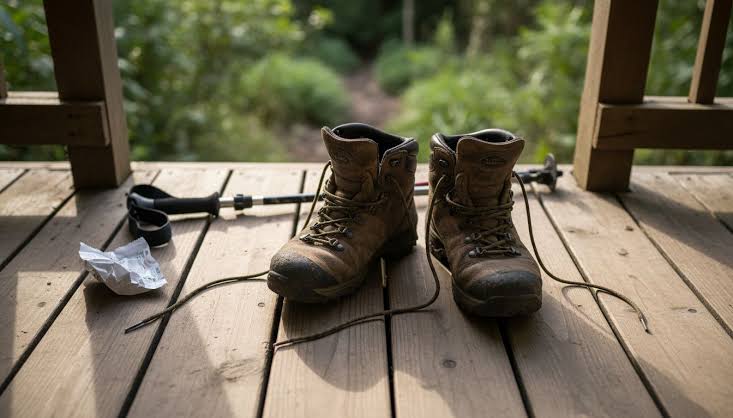
Gaiters are protective coverings worn around the lower legs and over the upper sections of hiking boots.
They normally feature adjustable straps, fastening systems and attachments that secure them around your footwear.
Their primary purpose is to reduce the entry of mud, stones, vegetation and insects through boot openings.
Gaiters are particularly useful for gorilla trekking because forest trails often contain wet vegetation and muddy ground.
Why Gaiters Matter During Gorilla Trekking
Keeping Safari Ants Away From Your Legs
Safari ants can occasionally cross forest trails in large numbers. These insects may crawl inside loose trouser openings and cause painful bites.
Gaiters create an additional barrier around your ankles, reducing opportunities for crawling insects to enter your clothing.
However, they do not provide complete protection. Follow your ranger’s instructions when encountering ant trails and avoid standing near active colonies.
Preventing Mud From Entering Hiking Boots
Bwindi’s forest trails can remain muddy even during relatively dry months.
When walking through deep mud, loose soil and water may enter hiking boots through their upper openings.
Properly fitted gaiters reduce this problem and help keep your socks and feet more comfortable.
Protecting Against Wet Vegetation
Forest vegetation frequently retains moisture after rainfall or overnight condensation.
Walking through wet grass and low-growing plants can quickly soak the lower sections of your trousers.
Water-resistant gaiters provide additional protection, particularly when combined with waterproof hiking boots.
Keeping Forest Debris Out of Footwear
Small stones, leaves, twigs and loose soil can enter hiking boots during forest walking.
These materials may cause irritation, discomfort and friction-related blisters.
Gaiters help keep unwanted debris outside your footwear, reducing the need to stop frequently to remove your boots.
Protecting Trousers From Damage
Walking through thorny undergrowth can damage lightweight hiking trousers.
Durable gaiters provide additional protection around the lower legs, where clothing frequently comes into contact with vegetation.
They can also reduce the amount of mud accumulating on your trousers.
Best Types of Gaiters for Gorilla Trekking
Different gaiter designs provide varying levels of protection.
| Gaiter type | Main advantage | Suitability for gorilla trekking |
|---|---|---|
| Ankle gaiters | Lightweight debris protection | Suitable for easier trails |
| Mid-calf gaiters | Balanced insect and mud protection | Very good |
| Knee-length gaiters | Extensive lower-leg coverage | Excellent for muddy conditions |
| Waterproof gaiters | Improved moisture protection | Excellent during rainy months |
| Breathable gaiters | Better ventilation | Suitable for warmer conditions |
| Heavy mountaineering gaiters | Maximum material durability | Generally unnecessary |
Mid-calf or knee-length hiking gaiters are usually practical choices for Bwindi and Volcanoes National Park.
Best Long-Sleeved Shirts for Forest Trekking
Choose clothing designed for active outdoor walking rather than heavy everyday clothing.
| Clothing material | Advantages | Suitability |
|---|---|---|
| Nylon | Lightweight and durable | Excellent |
| Polyester | Quick-drying and practical | Excellent |
| Merino wool | Temperature regulation | Very good |
| Cotton | Soft and comfortable when dry | Less suitable when wet |
| Technical fabric blends | Balanced durability and ventilation | Excellent |
Quick-drying synthetic hiking shirts generally perform well in humid tropical forests.
Choose shirts with adjustable cuffs, comfortable collars and sufficient room for movement.
Neutral colours such as olive green, khaki, brown and grey are practical for forest trekking. Avoid military-style camouflage clothing.
Clothing Recommendations for Different Trekking Destinations
Bwindi Impenetrable National Park
Bwindi contains dense vegetation, steep slopes and humid forest valleys. Long sleeves and gaiters are particularly useful when navigating muddy trails and thick undergrowth.
Visitors trekking in Rushaga and Nkuringo should prepare for potentially demanding mountain terrain.
Mgahinga Gorilla National Park
Mgahinga’s volcanic terrain and bamboo forests create different walking conditions from those experienced in Bwindi.
Long sleeves protect visitors against vegetation, while gaiters help prevent loose soil and moisture from entering hiking boots.
Volcanoes National Park
Rwanda’s Volcanoes National Park contains mountain forests where stinging nettles can be particularly uncomfortable.
Long trousers, long sleeves, protective gloves and gaiters provide useful protection throughout the trek.
Kibale National Park
Although Kibale is primarily known for chimpanzee trekking, protective clothing is equally useful within its tropical forest environment.
Long sleeves and gaiters help reduce exposure to insects and wet vegetation.
Do You Need Gaiters During the Dry Season?
Yes, gaiters remain useful during relatively dry months.
Bwindi and other tropical mountain forests can receive rainfall throughout the year. Shaded paths may remain damp, while insects and thorny vegetation remain present regardless of seasonal rainfall.
| Clothing item | Dry season | Rainy season |
|---|---|---|
| Long-sleeved shirt | Recommended | Recommended |
| Long hiking trousers | Recommended | Recommended |
| Lightweight gaiters | Very useful | Useful |
| Waterproof gaiters | Useful | Highly recommended |
| Waterproof jacket | Recommended | Essential |
| Spare hiking socks | Recommended | Highly recommended |
Choose your protective equipment according to expected trail conditions rather than relying entirely on the seasonal weather calendar.
How to Wear Gaiters Correctly
Correct fitting improves gaiter performance and walking comfort.
-
Put on your hiking socks, trousers and boots.
-
Position each gaiter over your lower trouser leg and boot.
-
Secure the front fastening system.
-
Attach the lace hook where provided.
-
Adjust the strap underneath your boot.
-
Tighten the upper fastening without restricting circulation.
-
Check that the gaiters remain secure when walking.
Practise wearing your gaiters before travelling to identify uncomfortable straps or incorrect sizing.
Common Clothing Mistakes During Gorilla Trekking
Some travellers wear short-sleeved shirts because they expect hot African weather. However, mountain forests require greater skin protection than open savannah destinations.
Other common mistakes include wearing heavy jeans, purchasing uncomfortable gaiters and choosing clothing that retains moisture.
Avoid excessively tight garments that restrict movement. Equally, avoid loose trouser openings that allow insects and debris to enter easily.
Carry spare socks and a dry shirt in a waterproof bag for changing after your trek.
Frequently Asked Questions
Are long sleeves compulsory for gorilla trekking?
Long sleeves are strongly recommended for protection against insects, scratches and irritating vegetation. Follow the specific clothing guidance provided by your trekking operator.
Can I tuck my trousers into socks instead of wearing gaiters?
Yes. Long hiking socks can provide a practical alternative, although gaiters generally offer better protection against mud and wet vegetation.
Will gaiters prevent all insect bites?
No. Gaiters reduce exposure to crawling insects but cannot guarantee complete protection.
Are waterproof gaiters necessary in Bwindi?
Waterproof gaiters are particularly useful during rainy months and when walking through wet vegetation.
Can I wear a short-sleeved shirt underneath a hiking jacket?
Yes, provided your outer layer offers sufficient arm protection. However, a breathable long-sleeved hiking shirt provides greater flexibility when temperatures increase.
How many long-sleeved shirts should I pack?
Two or three quick-drying hiking shirts are generally sufficient for a short gorilla safari, depending on laundry availability and additional activities.
Understanding why long sleeves and gaiters matter in the forest helps you prepare for challenging trekking conditions across Uganda and Rwanda. These protective clothing items reduce exposure to insects, thorny vegetation, mud, moisture and minor scratches.
Choose breathable long-sleeved shirts, durable hiking trousers and properly fitted gaiters. Combine them with comfortable waterproof hiking boots to improve your forest walking experience.
Suitable clothing allows you to enjoy mountain gorilla encounters while remaining comfortable and prepared for changing tropical forest conditions.