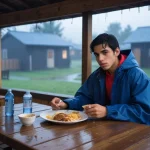

Why You Should Not Trek With a Cold or Flu
Understanding why you should not trek with a cold or flu is particularly important when planning a mountain gorilla safari in Uganda or Rwanda. What appears to be a minor respiratory illness in humans can have serious consequences for mountain gorillas, which are susceptible to many of the same infectious diseases.
During gorilla trekking, visitors spend time observing endangered primates in their natural forest habitats. Coughing, sneezing and breathing near these animals can create opportunities for disease transmission.
Trekking while unwell can also worsen your discomfort, particularly when walking through steep mountain forests where physical exertion and elevation increase the demands on your body.
Whether you are visiting Bwindi Impenetrable National Park, Mgahinga Gorilla National Park or Volcanoes National Park, reporting illness before entering the forest is a responsible decision that protects wildlife, fellow travellers and your own health.
Can Mountain Gorillas Catch Human Colds and Flu?
Yes. Mountain gorillas are closely related to humans and are vulnerable to several infectious organisms that cause respiratory illnesses in people.
A respiratory infection that causes relatively mild discomfort in a healthy adult may result in serious illness in a gorilla. Unlike humans, wild gorillas cannot visit a hospital when they develop breathing difficulties, fever or other complications.
Veterinarians working with wild gorillas face considerable challenges when monitoring and treating sick individuals in dense mountain forests.
Respiratory infections are among the leading causes of death in mountain gorillas. Some documented outbreaks have involved viruses of human origin.
Gorilla Doctors+1
How Respiratory Infections Can Spread to Gorillas
Respiratory viruses can spread through infectious particles released when people breathe, speak, cough or sneeze. Contaminated hands and surfaces may also contribute to transmission for some infections.
During gorilla trekking, visitors enter areas regularly occupied by gorilla families. Although park regulations establish viewing distances, gorillas occasionally move unexpectedly.
| Human activity | Potential health risk |
|---|---|
| Coughing near gorillas | Release of infectious respiratory particles |
| Sneezing | Spread of respiratory secretions |
| Touching vegetation with contaminated hands | Possible environmental contamination |
| Approaching gorillas too closely | Increased exposure to respiratory particles |
| Leaving used tissues behind | Contamination of the forest environment |
| Trekking while infectious | Increased risk to wildlife and other visitors |
Maintaining appropriate viewing distances reduces exposure, but it does not make trekking while sick acceptable.
Why Respiratory Illnesses Are Dangerous to Mountain Gorillas
Gorillas Can Develop Serious Complications
A respiratory infection can affect a gorilla’s breathing, appetite, energy levels and daily activities.
In some cases, viral respiratory illnesses may lead to secondary bacterial infections, including pneumonia. Such complications can become life-threatening without appropriate veterinary intervention.
Infants and other vulnerable individuals may face particularly serious health challenges.
Infections Can Spread Within Gorilla Families
Mountain gorillas live in social groups whose members frequently feed, rest, travel and interact together.
Infants remain close to their mothers, younger gorillas play together, and adults regularly share the same resting areas.
These social relationships create opportunities for an infectious disease to spread between family members. An infection affecting one individual could therefore develop into a wider outbreak.
Veterinary Treatment Is Challenging
Treating a sick gorilla in its natural habitat requires specialist veterinary expertise.
Veterinarians must locate the affected animal, assess its condition and determine whether medical intervention is necessary. Any treatment must minimise disturbance to the individual and its family.
Preventing disease transmission is generally preferable to managing an outbreak after it occurs.
Documented Respiratory Disease Outbreaks Among Gorillas
The danger of human respiratory viruses is supported by scientific research and veterinary observations.
In 2009, a respiratory disease outbreak among mountain gorillas in Rwanda involved human metapneumovirus, commonly abbreviated as HMPV. The virus contributed to the deaths of two gorillas.
More recently, Gorilla Doctors reported that a respiratory outbreak affecting Rwanda’s Kwitonda gorilla group in March 2025 was confirmed to involve human metapneumovirus.
These incidents demonstrate that respiratory disease transmission is a genuine conservation concern rather than a theoretical possibility.
Gorilla Doctors+1
However, identifying a human-origin virus does not necessarily establish which person introduced it or whether transmission occurred through tourism, research or another form of human contact.
Symptoms You Should Report Before Gorilla Trekking
Do not wait until you reach the gorillas to inform your ranger that you feel unwell.
Even mild respiratory symptoms should be reported before entering the forest.
| Symptom | Recommended action |
|---|---|
| Persistent coughing | Report symptoms and postpone trekking |
| Runny nose associated with illness | Inform your guide |
| Frequent sneezing | Seek assessment before trekking |
| Sore throat | Report symptoms to park officials |
| Fever or chills | Seek prompt medical assessment |
| Body aches and fatigue | Rest and seek medical advice |
| Difficulty breathing | Seek urgent medical assistance |
| Chest pain | Obtain emergency medical care |
Some symptoms may result from allergies or other non-infectious conditions. Nevertheless, park officials should be informed so that appropriate decisions can be made.
Why You Should Not Trek With a Cold or Flu for Your Own Health
Protecting mountain gorillas is the primary reason for avoiding trekking while infectious. However, undertaking strenuous physical activity while unwell can also affect your recovery.
Increased Physical Exhaustion
Gorilla trekking can involve between two and seven hours of walking, depending on the location of your assigned gorilla family.
When your body is fighting an infection, demanding climbs may leave you unusually tired. You may find it difficult to maintain your normal walking pace or complete the return journey comfortably.
Breathing Difficulties at Higher Elevations
Several mountain gorilla habitats occupy elevations above 2,000 metres. Reduced atmospheric pressure at higher elevations can make strenuous walking more demanding.
If you already have respiratory symptoms, climbing steep forest trails may increase your discomfort.
Visitors experiencing breathing difficulties should obtain medical assessment rather than attempting a demanding trek.
Dehydration and Delayed Recovery
Fever, reduced appetite and physical activity can increase the risk of dehydration.
Spending several hours in a humid forest while unwell may make it harder to maintain adequate hydration and rest.
Taking a recovery day at your accommodation is generally a more sensible decision than undertaking strenuous physical activity.
Gorilla Trekking Health Rules in Uganda and Rwanda
Wildlife authorities maintain health regulations to protect endangered mountain gorillas.
Uganda
The Uganda Wildlife Authority instructs visitors with colds or other infectious illnesses not to visit mountain gorillas.
These precautions apply to gorilla trekking activities in Bwindi Impenetrable National Park and Mgahinga Gorilla National Park.
Visitors should report symptoms to their safari operator and park officials before participating in trekking.
Uganda Wildlife Authority+1
Rwanda
Visitors to Volcanoes National Park must comply with health and conservation measures designed to reduce disease transmission.
If you develop respiratory symptoms, contact your safari operator and the relevant park officials before attending the trekking briefing.
Follow their instructions concerning health assessments, face masks and eligibility to participate.
Can You Trek With a Cold if You Wear a Face Mask?
No. Wearing a face mask should never be considered permission to participate in gorilla trekking while suffering from a contagious illness.
Although properly fitted masks reduce the spread of respiratory particles, they do not eliminate transmission risks.
Face masks are an additional conservation precaution for eligible visitors, alongside appropriate viewing distances and good personal hygiene.
Taking cold medication to suppress coughing or reduce fever does not necessarily mean you are no longer infectious.
What Happens to Your Gorilla Permit if You Become Sick?
Many travellers worry about losing money after purchasing an expensive gorilla trekking permit. This concern is understandable, particularly when a safari has been planned several months in advance.
The Uganda Wildlife Authority has provisions for considering certain permit cancellation and refund requests involving illness. Medical documentation may be required, and approval remains subject to applicable booking conditions.
Uganda Wildlife Authority
If you become ill before trekking:
-
Inform your safari operator immediately.
-
Obtain a medical assessment and retain supporting documentation.
-
Ask whether rescheduling or a refund is possible.
-
Contact your travel insurance provider.
-
Wait for official confirmation before changing your arrangements.
Do not assume that refunds or replacement permits are guaranteed. Discounted permits and different booking categories may have particular restrictions.
How to Reduce Your Risk of Getting Sick Before Gorilla Trekking
The days leading up to your safari deserve particular attention.
Wash your hands regularly, avoid unnecessary contact with people who are visibly unwell and consider wearing a well-fitting face mask in crowded airports.
Maintain adequate sleep, drink safe water and eat properly prepared meals.
Discuss seasonal influenza and other recommended vaccinations with your healthcare professional before travelling.
Including an additional day in your safari itinerary can provide useful flexibility if you need medical assessment or recovery time before trekking.
When Can You Trek After Recovering From a Cold or Flu?
Recovery periods vary depending on the illness and individual circumstances.
General public health guidance recommends resuming normal activities when symptoms have improved and fever has been absent for at least 24 hours without fever-reducing medication.
However, this guidance does not automatically establish eligibility for gorilla trekking. You may remain infectious after feeling better, and wildlife authorities may apply stricter requirements.
CDC+1
Obtain medical advice when necessary and follow the final decision of park officials.
Frequently Asked Questions
Can gorillas catch a common cold from humans?
Yes. Mountain gorillas are susceptible to several human respiratory viruses, some of which can cause severe illness.
Can I trek if I have a mild cough?
Report your symptoms before trekking. Even a mild cough may indicate a contagious respiratory infection.
What if my runny nose is caused by allergies?
Explain your symptoms and medical history to park officials. Allergies are not contagious, but respiratory infections can produce similar symptoms.
Will I receive a refund if I miss gorilla trekking because of illness?
A refund may be possible under certain booking conditions. Contact your safari operator and provide any required medical documentation.
Can I go chimpanzee trekking instead?
No, if you have a contagious respiratory illness. Chimpanzees and other great apes are also vulnerable to human infections.
Can antibiotics make me safe to trek?
Not necessarily. Antibiotics do not treat viral colds or influenza. Seek appropriate medical advice rather than using medication to conceal symptoms.
Understanding why you should not trek with a cold or flu is essential for responsible gorilla tourism. Human respiratory infections can threaten endangered mountain gorillas, while demanding forest walks may place additional strain on visitors who are already unwell.
Report symptoms early, seek medical advice and discuss alternative arrangements with your safari operator.
Missing a scheduled gorilla encounter can be disappointing, but protecting an entire gorilla family is more important than completing a single day’s activity. Responsible decisions by visitors contribute directly to the long-term survival of mountain gorillas in Uganda and Rwanda.