Staying Healthy on Safari: Water, Food and Hygiene Tips
Staying healthy on safari begins with sensible decisions about drinking water, food preparation, personal hygiene and protection against insect bites. Travelling through East Africa often involves spending several days in remote national parks, isolated safari lodges and mountainous regions where access to medical facilities may be limited.
A stomach infection, dehydration or an infected insect bite can interrupt your holiday and prevent you from participating in activities such as gorilla trekking or wildlife game drives. Fortunately, many common travel-related illnesses can be avoided through practical preparation and responsible daily habits.
Whether you are exploring Uganda, Rwanda, Kenya or Tanzania, understanding basic health precautions allows you to enjoy your surroundings without unnecessary worry.
This guide explains how to choose safe drinking water, eat responsibly, maintain personal hygiene and prepare for common health challenges during an African safari.
Staying Healthy on Safari: Essential Daily Precautions
Small daily habits can make a considerable difference to your health when travelling through remote African destinations.
| Health concern | Recommended precaution |
|---|---|
| Contaminated drinking water | Drink bottled or reliably treated water |
| Foodborne illness | Choose freshly prepared, thoroughly cooked meals |
| Dehydration | Drink water regularly throughout the day |
| Mosquito bites | Use insect repellent and protective clothing |
| Poor hand hygiene | Wash hands before meals and after toilet visits |
| Sunburn | Apply sunscreen and wear a protective hat |
| Physical exhaustion | Maintain a comfortable activity pace |
| Medical emergencies | Carry appropriate travel insurance |
Start practising these precautions upon arrival rather than waiting until you reach remote safari destinations.
Safe Drinking Water During an African Safari
Avoid Untreated Tap Water
Never assume that bathroom tap water at your safari lodge is suitable for drinking. Many remote accommodation facilities obtain water from boreholes, natural springs or rainwater collection systems.
Although these sources may provide clean water when properly treated, contamination can occur during storage and distribution.
Drink factory-sealed bottled water or water from a verified treatment system. Where water safety is uncertain, use safe drinking water when brushing your teeth.
Carry a Reusable Water Bottle
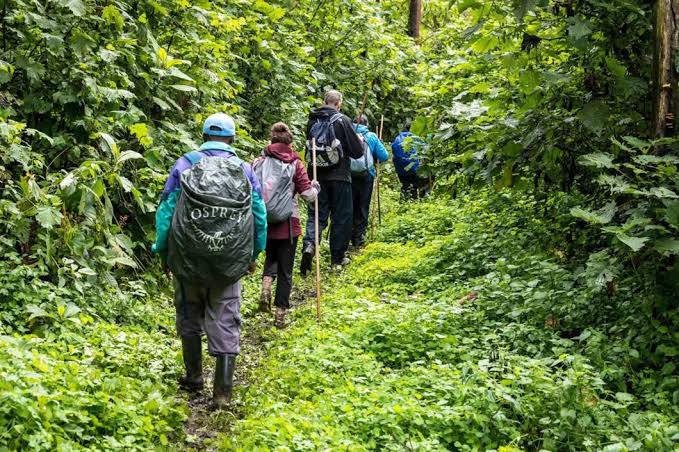
A reusable water bottle is particularly useful during game drives, gorilla trekking and guided nature walks.
Refill your bottle each morning using safe drinking water provided by your accommodation. Confirm whether additional drinking water will be available during longer excursions.
For mountain gorilla trekking, approximately two litres is a useful starting quantity, although individual requirements and walking durations vary.
Be Careful With Ice Cubes
Ice cubes can contain harmful microorganisms when prepared using contaminated water.
Before ordering cold drinks, ask whether the accommodation uses treated drinking water to make ice.
Freshly prepared hot tea and coffee are generally suitable when made with safe or properly boiled water.
Food Safety During East African Safaris
East Africa offers diverse traditional dishes, including Uganda’s matoke, Rwanda’s isombe, Kenya’s nyama choma and Tanzania’s pilau. Enjoying local cuisine is an important part of travelling, but food preparation requires attention.
Choose Freshly Cooked Meals
Food served thoroughly cooked and hot is generally a safer choice than meals left at room temperature for extended periods.
At buffet restaurants, select dishes that are still hot or have been properly refrigerated.
Avoid undercooked meat, raw eggs, unpasteurised milk and seafood that has not been properly prepared.
Eat Fruits That You Can Peel
Bananas, oranges and mangoes provide convenient snacks during road transfers and forest excursions.
Where food hygiene is uncertain, choose fruits that you can wash with safe water and peel yourself.
Exercise greater caution with pre-cut fruit, raw salads and uncooked vegetables when you cannot establish how they were washed.
Be Selective When Eating Street Food
You can enjoy traditional African street food while taking reasonable precautions.
Choose busy vendors preparing food in front of customers. Observe how they handle ingredients, utensils and drinking water.
Freshly cooked chapati, roasted maize and properly cooked meat may be reasonable choices when preparation conditions are hygienic.
Avoid food that has been exposed to flies or left uncovered for prolonged periods.
Maintaining Personal Hygiene on Safari
Wash Your Hands Regularly
Handwashing is particularly important during safaris because visitors frequently touch vehicle doors, binoculars, walking sticks and other shared equipment.
Wash your hands thoroughly with soap and safe water before eating, after using the toilet and after contact with animals or contaminated surfaces.
Carry Hand Sanitiser
Access to handwashing facilities can be limited during game drives and forest walks.
Carry a small bottle of hand sanitiser containing at least 60% alcohol.
Hand sanitiser is a useful temporary alternative, but washing with soap and water remains preferable, particularly when hands are visibly dirty.
Keep Your Personal Belongings Clean
Regularly clean reusable water bottles, eating utensils and frequently handled personal items.
Allow damp hiking clothing to dry properly after trekking.
Change sweaty socks and clothing when returning to your accommodation to reduce skin irritation and discomfort.
Staying Hydrated During Safari Activities
Dehydration can develop during long game drives, forest treks and mountain excursions, particularly when temperatures increase.
Visitors sometimes drink less water to avoid requesting toilet stops. However, limiting water intake unnecessarily can lead to headaches, fatigue and reduced concentration.
| Safari activity | Suggested starting water supply |
|---|---|
| Short nature walk | 500ml–1 litre |
| Morning game drive | Around 1 litre |
| Chimpanzee trekking | 1–2 litres |
| Mountain gorilla trekking | Around 2 litres |
| Full-day game drive | 2–3 litres |
These quantities are packing estimates rather than fixed hydration requirements. Carry additional water when conditions are particularly demanding.
Drink according to your needs and avoid excessive alcohol consumption before strenuous activities.
Protecting Yourself Against Mosquitoes and Other Insects
Malaria remains a significant health concern in many East African safari destinations.
Consult a travel health professional before departure about preventive malaria medication suitable for your itinerary.
Apply insect repellent containing an appropriate active ingredient, such as DEET or picaridin, according to its instructions.
Wear long trousers and long-sleeved shirts, particularly during early mornings and evenings. Use mosquito nets where provided and check that they are properly positioned.
Some disease-carrying mosquitoes also bite during daylight hours, making daytime protection important.
Check your skin and clothing for ticks after walking through grasslands and forest vegetation.
Protecting Yourself Against Sun Exposure
Visitors sometimes underestimate the strength of equatorial sunlight, particularly during cloudy weather or open vehicle game drives.
Apply broad-spectrum sunscreen with an SPF of at least 30 and reapply it according to the product instructions.
Wear a wide-brimmed hat, protective sunglasses and lightweight clothing that covers exposed skin.
Take advantage of shaded areas during rest periods and avoid unnecessary strenuous activity during the hottest part of the day.
Managing Travellers’ Diarrhoea During a Safari
Travellers’ diarrhoea can occur despite careful food and water precautions.
Common symptoms include loose stools, abdominal discomfort, nausea and occasional vomiting.
Carry oral rehydration salts and prepare them using safe drinking water according to the packet instructions.
Replacing lost fluids and electrolytes is particularly important during illness.
Discuss suitable emergency medication with your doctor before departure. Antibiotics are not necessary for every episode of diarrhoea and should only be used according to appropriate medical guidance.
Seek prompt medical attention if you experience bloody stools, fever, severe abdominal pain, persistent vomiting or signs of dehydration.
Health Precautions During Gorilla Trekking
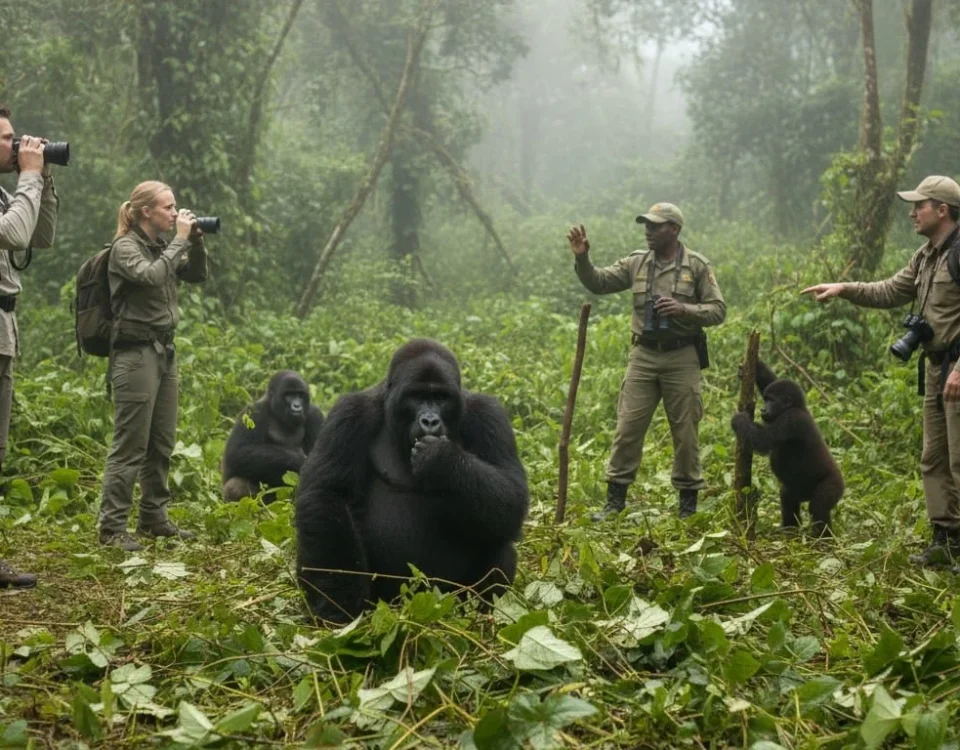
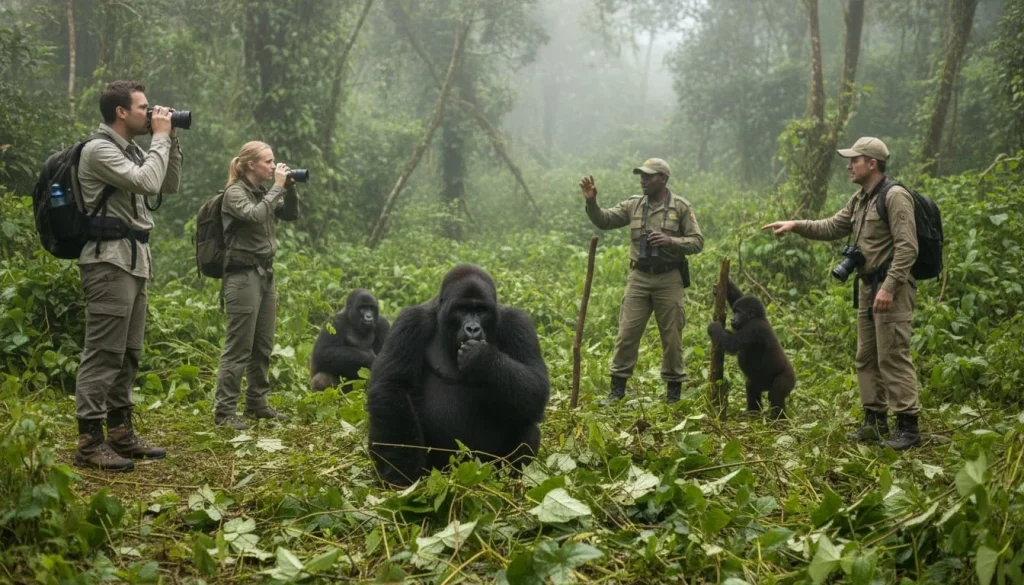
Mountain gorillas are susceptible to several infectious diseases carried by humans. Staying healthy on safari therefore contributes to wildlife protection as well as personal wellbeing.
Do not participate in gorilla trekking if you have symptoms of a contagious illness.
Follow ranger instructions concerning face masks, wildlife viewing distances and personal hygiene.
Carry sufficient drinking water and a safely prepared packed lunch. Eat and drink away from the gorillas in locations approved by your ranger.
Take regular breaks during demanding climbs and inform your guide immediately if you feel unwell.
Essential Safari Personal Health Kit
A compact health kit can be particularly useful when travelling through isolated wildlife destinations.
| Health kit item | Purpose |
|---|---|
| Hand sanitiser | Hand hygiene during excursions |
| Oral rehydration salts | Replacing lost fluids and electrolytes |
| Insect repellent | Reducing insect bites |
| Sunscreen | Protection against ultraviolet radiation |
| Adhesive dressings | Covering minor wounds |
| Blister plasters | Managing friction-related blisters |
| Personal medication | Managing existing health conditions |
| Face masks | Infection prevention where required |
| Digital thermometer | Checking body temperature |
| Insurance documents | Arranging emergency medical assistance |
Keep essential medication accessible and protect medical supplies against excessive heat and moisture.
Health Preparation Before Departure
Arrange a travel health consultation approximately four to six weeks before your safari.
Discuss recommended vaccinations, malaria prevention, existing medical conditions and any medication you regularly take.
Purchase travel insurance covering emergency medical treatment, evacuation and planned activities such as gorilla trekking.
Ask your safari operator about emergency arrangements in remote destinations. Knowing how to access medical assistance can be particularly valuable when staying several hours away from a major town.
Frequently Asked Questions
Is food at African safari lodges safe?
Many safari lodges maintain good food preparation standards. Nevertheless, choose thoroughly cooked meals and follow normal food hygiene precautions regardless of accommodation category.
Can I brush my teeth using tap water?
Use bottled or reliably treated water whenever the safety of tap water is uncertain.
Should I take malaria medication during an African safari?
Malaria prevention medication is recommended for many East African destinations. Consult your healthcare professional for advice specific to your itinerary.
What should I do if I develop a fever during my safari?
Seek urgent medical assessment, particularly if you have visited an area with malaria transmission. Fever after returning home also requires prompt attention.
Can I eat fresh salads during a safari?
Fresh salads may be suitable when prepared hygienically using safe water. Avoid them when food preparation standards are uncertain.
Staying healthy on safari requires consistent attention to safe drinking water, food preparation, personal hygiene and insect protection.
Carry appropriate medical supplies, remain hydrated and choose freshly prepared meals. Arrange vaccinations and malaria prevention before departure, and seek medical assistance promptly if concerning symptoms develop.
With sensible preparation and responsible daily habits, you can reduce avoidable health risks while enjoying East Africa’s wildlife, landscapes and traditional cuisine.