Walking Safaris: Seeing Wildlife on Foot With Armed Rangers
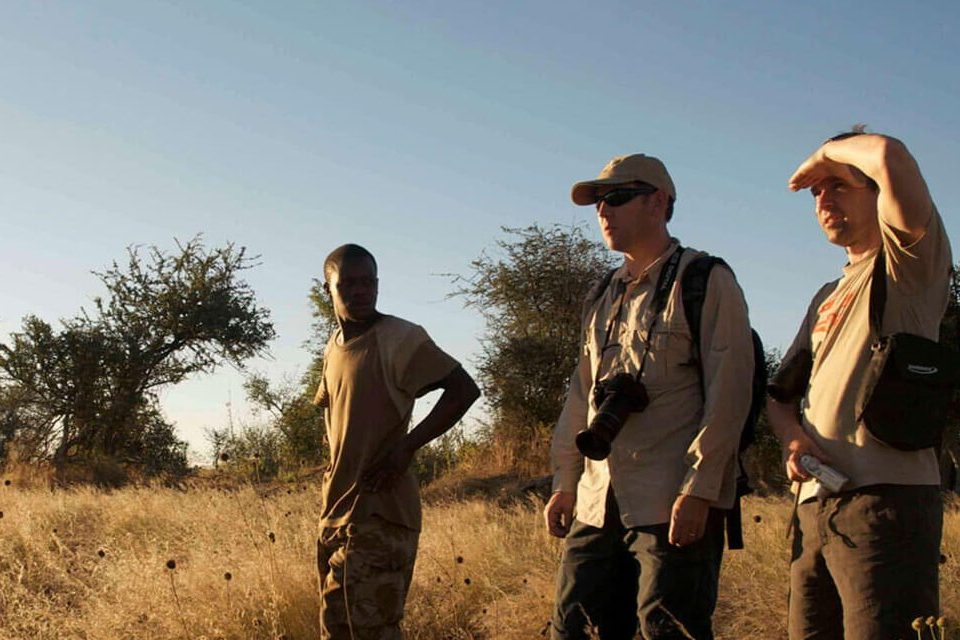
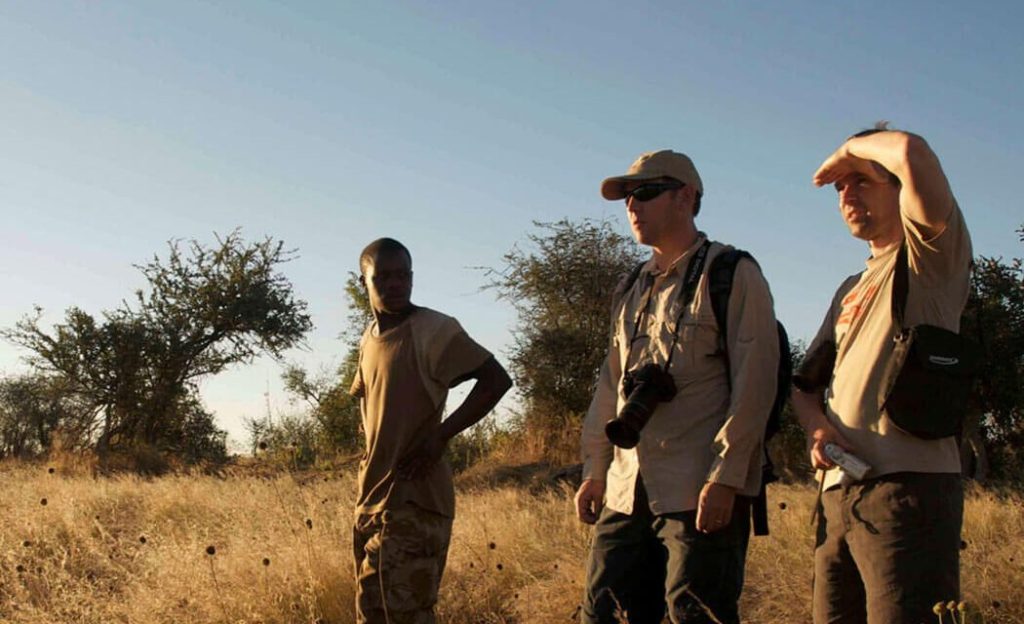
Walking safaris offer an opportunity to experience African wildlife without the barriers of a safari vehicle. Instead of observing animals through windows or from a raised roof, you explore designated wildlife areas on foot under the supervision of experienced guides and armed rangers where required.
Walking safaris in East Africa introduce you to details that are easily overlooked during conventional game drives. Animal tracks, bird calls, insects, medicinal plants and signs of recent wildlife activity become important parts of the experience.
You may encounter zebras, giraffes, antelopes, buffaloes and other animals, depending on the destination and prevailing conditions. However, the purpose of a walking safari is to understand the natural environment rather than approach dangerous wildlife.
Uganda, Kenya, Tanzania and Rwanda offer different guided walking experiences. Choosing the right destination and understanding the safety procedures will help you prepare for an enjoyable and responsible adventure.
What Is a Walking Safari?
A walking safari is a guided wildlife excursion that takes place on foot within an authorised wildlife area. Unlike ordinary hiking, the activity focuses on observing animals, identifying tracks, understanding vegetation and learning about the relationships between different species.
Walking safaris can last anywhere between one hour and several days. Short guided walks are suitable for travellers who want to experience the wilderness without undertaking physically demanding activities.
Longer walking safaris may involve travelling between temporary camps, exploring remote habitats and spending several days away from conventional safari vehicles.
The pace is generally slower than traditional hiking because guides frequently stop to explain wildlife behaviour, identify plants or observe animals from responsible distances.
Why Are Armed Rangers Necessary During Walking Safaris?
Walking through wildlife habitats involves risks that differ from those associated with vehicle-based game drives. Animals may respond differently to people on foot, particularly when they feel threatened or are protecting their young.
Armed rangers provide an additional level of protection during authorised walking activities. Their primary responsibilities include monitoring wildlife movements, assessing environmental conditions and guiding visitors through suitable areas.
Experienced rangers generally rely on knowledge of animal behaviour and careful route selection to prevent dangerous encounters. Carrying a firearm is a precaution rather than an indication that wildlife confrontations are expected.
Visitors should never carry personal weapons or attempt to manage wildlife encounters independently.
Best Destinations for Walking Safaris in East Africa
Several national parks and private conservancies offer authorised walking safaris.
| Destination | Country | Main walking safari attractions |
|---|---|---|
| Lake Mburo National Park | Uganda | Zebras, giraffes and impalas |
| Murchison Falls National Park | Uganda | Forest trails, river scenery and birds |
| Nyerere National Park | Tanzania | Remote wilderness and diverse wildlife |
| Ruaha National Park | Tanzania | Baobab landscapes and animal tracking |
| Tarangire National Park | Tanzania | Woodland habitats and elephant signs |
| Arusha National Park | Tanzania | Giraffes, forest wildlife and mountain scenery |
| Laikipia conservancies | Kenya | Wildlife tracking and conservation |
| Naboisho Conservancy | Kenya | Savannah wildlife and guided bush walks |
| Akagera National Park | Rwanda | Savannah vegetation and conservation experiences |
Walking activities depend on local regulations, weather conditions, ranger availability and authorised routes.
Walking Safaris in Uganda
Uganda offers several opportunities to explore wildlife habitats on foot, ranging from open savannah walks to guided forest excursions.
Lake Mburo National Park
Lake Mburo National Park is one of Uganda’s best destinations for walking safaris. Its relatively compact size, rolling hills and acacia woodland create interesting conditions for guided exploration.
Visitors may encounter zebras, impalas, elands, giraffes and various bird species while accompanied by an authorised ranger.
Your guide may also explain animal tracks, feeding habits, territorial markings and the importance of natural salt licks.
Early morning walks are particularly enjoyable because temperatures are generally cooler and wildlife may be more active.
Murchison Falls National Park
Murchison Falls offers guided nature experiences in designated areas, including forest trails and locations near the Nile.
These excursions introduce visitors to birdlife, vegetation, geological features and smaller wildlife species.
The experience differs from open savannah walking safaris because activities depend heavily on the selected trail and surrounding habitat.
Walking Safaris in Tanzania
Tanzania provides diverse walking safari experiences, particularly in parks where visitors can explore authorised wilderness areas away from busy game drive routes.
Nyerere National Park
Nyerere National Park offers excellent opportunities for guided wilderness walks. Its extensive landscapes include woodland, rivers, grasslands and seasonal wetlands.
Walking safaris introduce visitors to animal tracks, insects, birdlife and vegetation that support the park’s larger mammals.
Combining walking safaris with boat excursions and game drives provides a varied wildlife experience.
Ruaha National Park
Ruaha is particularly attractive to travellers seeking quieter wilderness experiences. Its rocky terrain, baobab trees and river systems create distinctive walking environments.
Specialist safari camps may arrange short walks or longer guided expeditions, depending on operating permissions and seasonal conditions.
Arusha National Park
Arusha National Park offers ranger-guided walks through selected areas featuring open grasslands, forest vegetation and views towards Mount Meru.
It is a convenient option for travellers beginning or completing a northern Tanzania safari.
Walking Safaris in Kenya
Kenya’s private conservancies provide some of the country’s most interesting opportunities for walking safaris.
Laikipia and selected conservancies bordering the Maasai Mara offer guided activities focusing on wildlife observation, traditional tracking knowledge and conservation.
Local guides often explain how communities identify animal movements, understand seasonal changes and coexist with wildlife.
Multi-day walking safaris are available through specialist operators in selected areas.
However, walking is not permitted throughout every national park or reserve. Confirm that your planned activity takes place within an authorised area.
Walking Safaris in Rwanda
Akagera National Park provides opportunities to experience Rwanda’s savannah landscapes through guided walking activities.
Visitors can learn about wildlife habitats, smaller animals, birdlife and conservation management.
The park’s conservation-focused boundary walks also provide opportunities to understand how protected-area management helps reduce conflict between wildlife and neighbouring communities.
Confirm which guided walking experiences are operating during your intended visit.
What Wildlife Can You See During a Walking Safari?
Walking safaris offer a different viewing experience from conventional game drives. Large mammals may be visible, but smaller wildlife and environmental details often receive greater attention.
| Wildlife or natural feature | What you may observe |
|---|---|
| Zebras | Herd movements and grazing behaviour |
| Giraffes | Feeding habits and browsing patterns |
| Antelopes | Tracks and social behaviour |
| Elephants | Footprints, dung and feeding signs |
| Birds | Calls, nests and feeding activities |
| Termites | Mounds and colony activity |
| Butterflies | Seasonal movements |
| Plants | Traditional uses and ecological importance |
| Predators | Tracks and other evidence of their presence |
Sightings depend on the destination and natural wildlife movements. Responsible guides may change routes or avoid particular animals when circumstances require additional caution.
What Happens During a Walking Safari?
Most walking safaris begin with a safety briefing. Your guide explains the activity, expected walking conditions and important instructions.
Throughout the walk, the group stops at interesting locations to observe wildlife, identify tracks and discuss the surrounding environment.
Rangers may adjust the planned route according to weather conditions, recent wildlife movements or unexpected encounters.
A typical short walking safari may last between two and three hours, although longer excursions are available.
Unlike game drives, walking safaris encourage visitors to notice sounds, smells and smaller environmental changes. You may hear birds calling, identify fresh animal tracks or learn how different insects contribute to soil fertility.
Are Walking Safaris Safe?
Professionally organised walking safaris incorporate safety procedures intended to reduce risks. However, walking through wildlife habitats is never completely risk-free.
Always remain with your group, follow ranger instructions and avoid approaching animals independently.
Never attempt to touch wildlife, attract animals with food or move away from the group to take photographs.
If an unexpected wildlife encounter occurs, remain calm and follow the ranger’s directions rather than attempting to decide how to respond independently.
Choose operators employing qualified guides with appropriate walking safari experience and emergency procedures.
What to Wear on a Walking Safari
Comfortable clothing and suitable footwear are essential when exploring wildlife habitats on foot.
| Packing item | Recommended purpose |
|---|---|
| Neutral-coloured shirt | Suitable outdoor clothing |
| Lightweight long trousers | Protection against vegetation and insects |
| Walking boots | Comfort and reliable grip |
| Wide-brimmed hat | Sun protection |
| Sunscreen | Protection against ultraviolet exposure |
| Insect repellent | Mosquito protection |
| Reusable water bottle | Maintaining hydration |
| Small backpack | Carrying essential equipment |
| Binoculars | Observing distant wildlife |
| Lightweight camera | Wildlife and landscape photography |
Avoid heavy camera bags, uncomfortable footwear and unnecessary accessories that may make walking more tiring.
Photography During Walking Safaris
Walking safaris provide opportunities to photograph subjects that are difficult to observe from vehicles. These include insects, animal tracks, flowers, birdlife and interesting natural textures.
A lightweight camera with a versatile zoom lens is generally more practical than carrying several heavy telephoto lenses.
Photograph wildlife only when your guide confirms that stopping is appropriate. Avoid flash photography and never move away from your group to achieve a better composition.
Walking Safari Costs and Booking Arrangements
The cost of a walking safari depends on the destination, excursion duration, group size and whether the activity is included in your accommodation package.
Some national parks charge separate walking activity fees in addition to park entrance charges. Specialist multi-day walking safaris may include accommodation, meals, guides and camping equipment.
Request an itemised quotation before booking and confirm minimum age requirements, fitness expectations and cancellation conditions.
Frequently Asked Questions
Can beginners participate in walking safaris?
Yes. Short guided walks are suitable for many beginners with reasonable mobility and fitness.
Are walking safaris suitable for children?
Age restrictions vary between destinations and operators. Confirm eligibility before booking family walking activities.
Do all walking safaris require armed rangers?
No. Requirements depend on the protected area, wildlife present and local regulations.
Can you see lions during a walking safari?
Lions may be present in certain walking safari destinations. However, guides prioritise safety and may deliberately avoid encounters with dangerous wildlife.
What is the best time for walking safaris?
Early morning generally provides cooler temperatures and favourable wildlife observation conditions.
Are walking safaris better than game drives?
Both experiences offer different advantages. Walking safaris focus on environmental details, while game drives generally provide greater opportunities to observe large mammals across extensive areas.
Walking safaris offer a rewarding opportunity to understand East Africa’s wildlife and natural environments beyond traditional game drives.
Choose destinations with authorised walking activities, experienced guides and suitable safety procedures. Prepare comfortable clothing, carry essential equipment and follow ranger instructions throughout your excursion.
By exploring wildlife habitats responsibly on foot, you can develop a deeper appreciation of the animals, plants and natural processes that make East Africa such an interesting safari destination.