Is Uganda Safe for Tourists? What You Should Know Before You Go
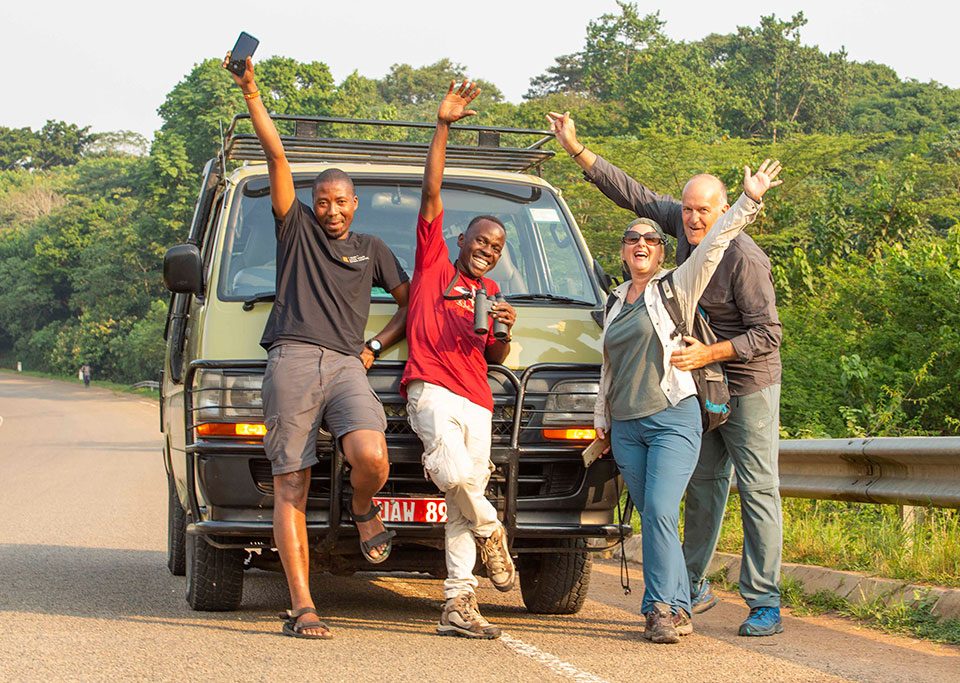
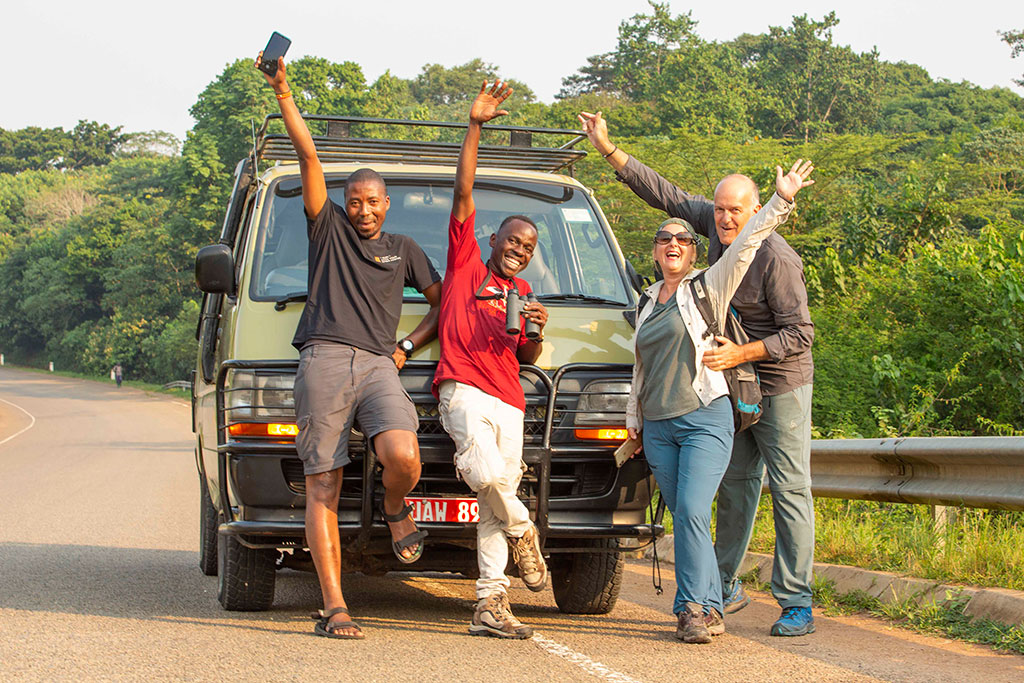
Uganda attracts travellers interested in mountain gorilla trekking, wildlife safaris, birdwatching, cultural experiences and outdoor adventures. Its national parks, tropical forests and welcoming communities make it an appealing destination for international visitors. However, understanding potential travel risks is an important part of preparing for your holiday.
Is Uganda safe for tourists? Many visitors complete their Ugandan safaris without serious incidents, particularly when travelling with reputable tour operators and following established tourism routes. Nevertheless, crime, road accidents, health concerns, terrorism risks and regional security conditions require attention.
Safety conditions differ between destinations, and travellers should avoid assuming that every part of the country presents the same level of risk.
Whether you are planning a gorilla trekking holiday, a family safari or an independent journey, knowing how to prepare, where to exercise caution and what precautions to follow can help you make informed travel decisions.
Is Uganda Safe for Tourists in 2026?
As of 27 November 2026, international travel advisories concerning Uganda differ considerably. The United States advises against travel to Uganda, while Canada recommends avoiding non-essential travel because of regional Ebola concerns, terrorism and crime. Australia also identifies particular security risks near international borders.
Uganda’s Ebola outbreak was declared over in August 2026. However, the continuing outbreak in neighbouring Democratic Republic of Congo has resulted in heightened regional health surveillance and border restrictions.
These circumstances should be taken seriously when planning a holiday. Travellers whose governments advise against visiting Uganda should consider postponing non-essential travel until recommendations change.
A national park remaining open to visitors does not necessarily mean that international travel advisories have been lifted.
Understanding Safety Risks in Uganda
Uganda’s safety concerns vary between urban centres, rural communities, protected wildlife areas and international border regions.
| Safety concern | Recommended precaution |
|---|---|
| Petty theft | Secure valuables and avoid displaying expensive equipment |
| Road accidents | Use reputable transport providers |
| Malaria | Obtain appropriate medical advice before departure |
| Terrorism | Monitor official security advisories |
| Border insecurity | Avoid areas subject to travel warnings |
| Wildlife encounters | Follow park ranger instructions |
| Food and water contamination | Use safe drinking water and hygienic food facilities |
| Regional disease outbreaks | Monitor current public health guidance |
Good preparation reduces exposure to certain risks, although no tour operator can guarantee complete safety.
Safety in Uganda’s Popular Tourist Destinations
Uganda’s tourism destinations are spread across different regions, each with its own security, environmental and transport considerations.
| Destination | Main safety considerations |
|---|---|
| Entebbe | Airport transfers, petty theft and health screening |
| Kampala | Traffic accidents, theft, demonstrations and terrorism |
| Bwindi Impenetrable National Park | Regional security, steep terrain and trekking conditions |
| Queen Elizabeth National Park | Wildlife safety and western border security |
| Murchison Falls National Park | Wildlife encounters, road conditions and boat safety |
| Kibale National Park | Forest trekking and wildlife precautions |
| Lake Bunyonyi | Boat safety and steep countryside roads |
| Jinja | Water sports and road safety |
| Kidepo Valley National Park | Regional security and proximity to South Sudan |
| Lake Mburo National Park | Wildlife safety and authorised walking activities |
Check regional travel advisories before selecting your destinations, particularly when visiting western and northeastern Uganda.
Security Near Uganda’s International Borders
The security situation in eastern Democratic Republic of Congo can affect neighbouring areas of western Uganda.
Australia advises travellers to reconsider visits within 50 kilometres of the DRC border, subject to specified geographical exceptions. It also advises against travel within 50 kilometres of the South Sudan border.
These restrictions are particularly relevant when planning safaris near international boundaries. Ask your operator to explain the proposed travel route and any alternative arrangements.
Is Kampala Safe for Tourists?
Kampala is Uganda’s commercial centre, with shopping centres, restaurants, markets, cultural attractions and accommodation facilities serving international visitors.
However, pickpocketing, phone snatching, robbery and traffic accidents are recognised concerns.
Keep your smartphone secure when travelling through crowded streets. Avoid walking alone in unfamiliar or poorly illuminated neighbourhoods after dark.
Arrange transport through your accommodation or a reputable taxi company. Avoid demonstrations and large political gatherings, even when they appear peaceful.
Carry only the money you need for daily activities and keep important travel documents in secure storage.
Is Gorilla Trekking in Uganda Safe?
Gorilla trekking is a regulated wildlife activity conducted under the supervision of authorised guides and rangers.
Visitors receive instructions before entering the forest, including guidance concerning wildlife behaviour, viewing distances and appropriate conduct.
However, gorilla trekking involves physical challenges and regional security considerations. Trails can become slippery, steep and difficult to navigate, particularly after rainfall.
Travellers visiting Bwindi or Mgahinga should review current security advice for southwestern Uganda before booking.
Wear suitable hiking boots, carry sufficient drinking water and inform your guide about any medical conditions or mobility limitations.
Do not participate in gorilla trekking when experiencing symptoms of a contagious illness.
Road Safety and Transport in Uganda
Road travel deserves particular attention when organising a Uganda safari. Driving standards, vehicle maintenance, road surfaces and traffic conditions vary considerably.
Choosing Safe Safari Transport
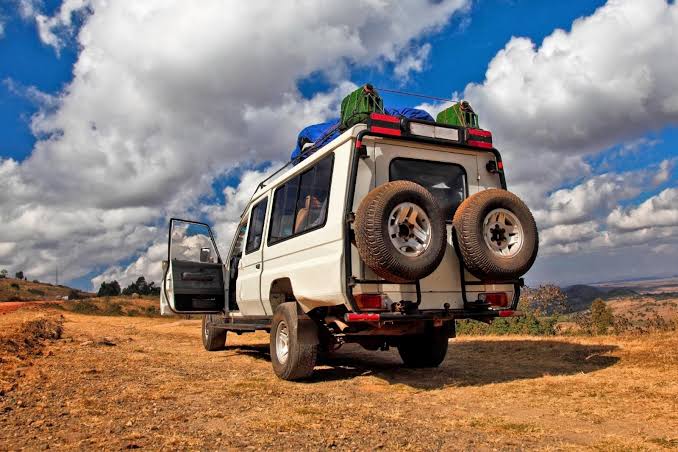
Book a reputable safari operator using well-maintained vehicles and experienced drivers.
Avoid unnecessary overnight journeys between national parks. Poor visibility, unlit vehicles, pedestrians and animals crossing roads can increase accident risks.
| Transport option | Recommended approach |
|---|---|
| Private safari vehicle | Choose an experienced professional driver |
| Domestic flights | Use established aviation operators |
| Airport transfers | Arrange transport before arrival |
| Boda bodas | Prefer safer alternative transport |
| Public buses | Choose reputable transport companies |
| Self-drive vehicles | Research routes and avoid night driving |
Always wear a seat belt and avoid pressuring your driver to complete long journeys within unrealistic timeframes.
Health Precautions for Travelling to Uganda
Preparing for potential health concerns is an essential part of safari planning.
Medical facilities in remote areas may have limited equipment and specialist services. Serious medical emergencies may require evacuation to Kampala or another country.
Malaria Prevention
Malaria is a significant health risk in Uganda.
Consult a travel health professional before departure about appropriate preventive medication. Carry insect repellent, wear protective clothing and sleep under mosquito nets where necessary.
Seek medical attention promptly if you develop a fever during or after your holiday.
Yellow Fever and Other Vaccinations
Yellow fever vaccination is recommended for many travellers visiting Uganda. Entry documentation requirements can change, so confirm the current rules before departure.
Your healthcare professional may also recommend vaccinations against hepatitis A, hepatitis B, typhoid and other diseases depending on your medical history and planned activities.
Ebola and Regional Health Concerns
Although Uganda’s 2026 Ebola outbreak was declared over, regional transmission remains a concern.
Follow current health screening requirements, practise regular hand hygiene and avoid physical contact with people displaying possible symptoms.
Check whether your onward destinations have introduced additional entry or health screening requirements for travellers arriving from Uganda.
Food and Drinking Water Safety
Drink sealed bottled water or water that has been appropriately treated.
Choose freshly prepared meals from establishments with satisfactory hygiene standards. Wash your hands regularly, particularly before eating.
Avoid swimming in untreated freshwater bodies without reliable local health and safety advice. Schistosomiasis, a parasitic infection associated with freshwater exposure, occurs in Uganda.
Carry oral rehydration salts and essential personal medication when visiting remote destinations.
Is Uganda Safe for Solo Female Travellers?
Solo female travellers can participate in organised safaris, cultural visits and guided wildlife activities. However, travelling independently requires additional preparation.
Choose accommodation with reliable security arrangements and organise transport through trusted providers.
Avoid isolated locations after dark and share your travel itinerary with someone you trust.
Unwanted attention, harassment and sexual assault are potential risks. Take uncomfortable situations seriously and seek assistance from trusted people or accommodation staff when necessary.
Current national travel advisories should guide your decision about whether to proceed with a solo holiday.
Safety for LGBTQ+ Travellers in Uganda
Uganda’s Anti-Homosexuality Act imposes severe penalties for certain same-sex sexual activities and related conduct. Some offences carry the possibility of the death penalty.
LGBTQ+ travellers may also face harassment, discrimination and threats to their personal safety.
These are significant legal and security considerations that should not be overlooked when planning a holiday.
Review specialist travel guidance and your government’s advice before deciding whether to visit Uganda.
Wildlife Safety During Game Drives and Walking Safaris
Uganda’s national parks contain powerful wild animals, including elephants, buffaloes, lions, crocodiles and hippopotamuses.
Although organised wildlife activities incorporate safety procedures, animals can behave unpredictably.
Remain inside your safari vehicle unless authorised to leave. Maintain appropriate viewing distances and never attempt to feed, touch or attract wildlife.
Walking safaris should only take place in authorised areas under professional supervision.
During boat cruises, wear a life jacket when instructed and follow the crew’s safety procedures.
Travel Insurance for Uganda
Comprehensive travel insurance is particularly important when visiting remote wildlife destinations.
Your insurance should provide appropriate coverage for emergency medical treatment, evacuation, trip cancellation and planned adventure activities.
Check whether gorilla trekking, white-water rafting, hiking and other specialist activities are included.
Travelling against your government’s official advice may invalidate some insurance policies. Obtain written confirmation of your coverage before making non-refundable payments.
How to Avoid Safari Booking Scams
Before paying for a Uganda safari, verify the identity and legitimacy of your tour operator.
Request a detailed itinerary, written payment conditions and confirmation of included services. Check whether the company holds the appropriate tourism licence.
Be cautious when an operator requests payment into an unrelated personal account or offers unusually cheap gorilla permits.
Keep copies of invoices, booking confirmations and payment records.
Frequently Asked Questions
Is Uganda safe for tourists right now?
As of November 2026, Uganda faces significant international travel warnings. Some governments advise against all or non-essential travel. Check your government’s current recommendations before booking.
Is Uganda safe for American tourists?
The United States currently maintains a Level 4 travel advisory for Uganda, recommending that American citizens do not travel.
Is it safe to visit Uganda’s national parks?
National parks operate regulated tourism activities, but wildlife hazards and regional security threats remain. Park accessibility does not override official travel warnings.
Can tourists drink tap water in Uganda?
Sealed bottled water or appropriately treated drinking water is generally preferable.
Is Uganda suitable for family safaris?
Uganda offers family-friendly wildlife activities. However, parents should consider current travel advisories, healthcare accessibility, transport safety and activity age restrictions.
Should I book a guided safari or travel independently?
A reputable guided safari provides logistical support and local knowledge, although it cannot eliminate security or health risks.
Is Uganda safe for tourists? The answer depends on current security conditions, health advisories, your itinerary and individual circumstances.
Uganda offers remarkable wildlife and cultural experiences, but travellers must take existing travel warnings seriously. Review official advice, arrange appropriate insurance and choose reputable tourism providers.
If your government advises against travelling to Uganda, consider postponing your safari. Responsible travel planning involves making informed decisions rather than overlooking potential risks.