How to Get to Tarangire National Park: A Complete Travel Guide
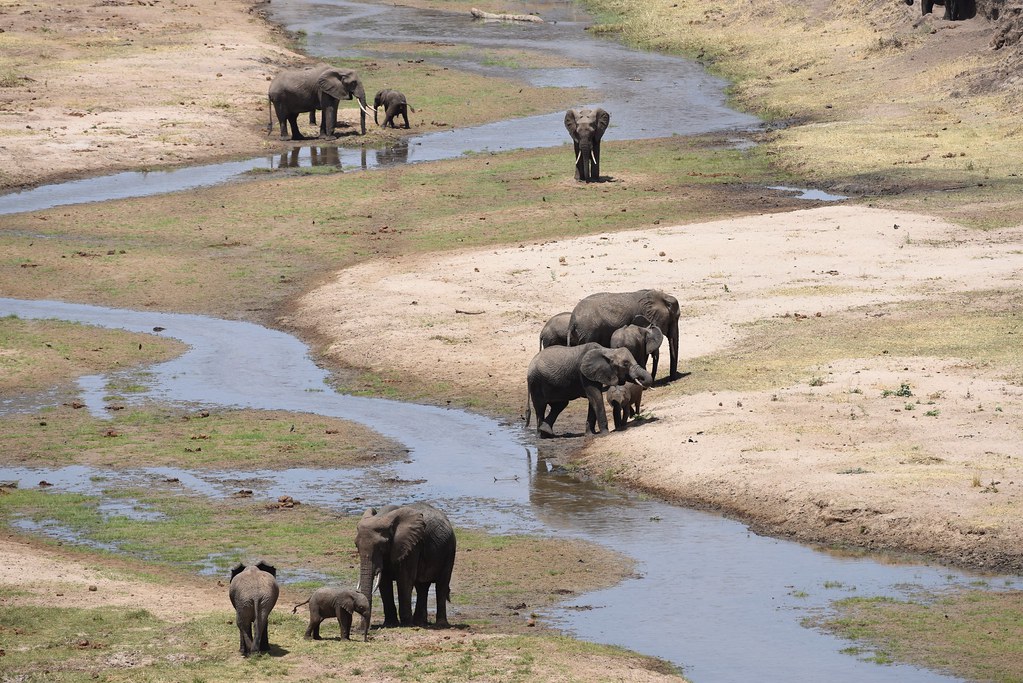
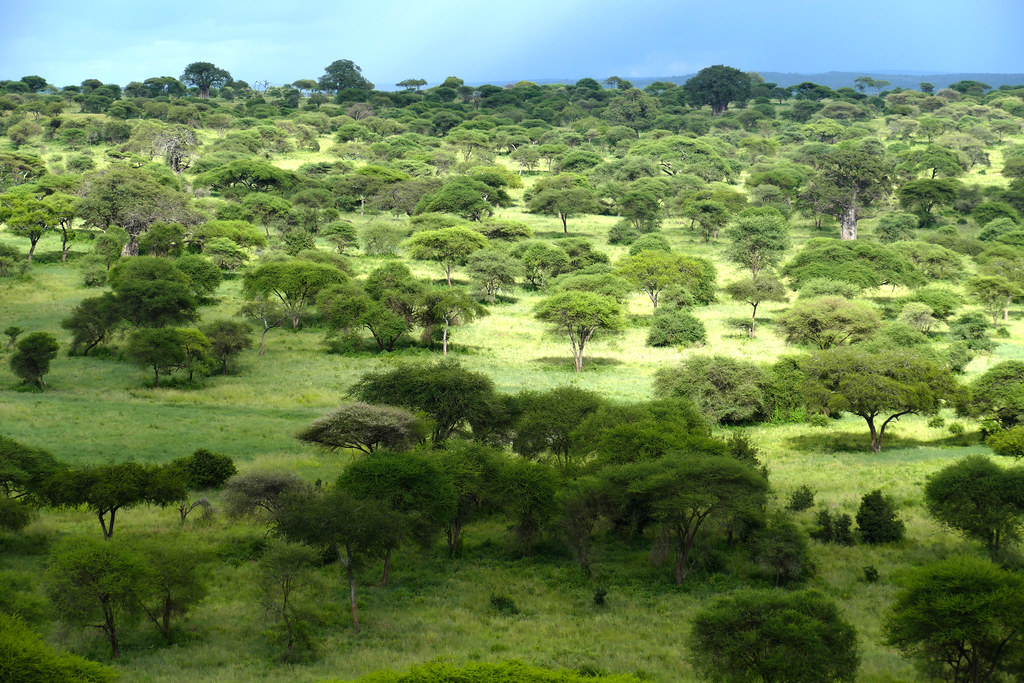
Tarangire National Park is one of northern Tanzania’s most rewarding safari destinations, famous for its vast elephant herds, ancient baobab trees, and sweeping savannah landscapes. Located slightly off the main northern safari circuit, Tarangire feels quieter and more exclusive than some of its famous neighbors, yet it remains surprisingly easy to reach. Understanding the different ways to get there helps travelers plan a smooth and enjoyable safari experience.
Where Tarangire National Park Is Located
Tarangire National Park lies in northern Tanzania, approximately 120 kilometers southwest of Arusha. The park forms part of Tanzania’s classic northern safari circuit, alongside Lake Manyara National Park, Ngorongoro Conservation Area, and Serengeti National Park. Its proximity to Arusha makes it an ideal first or last stop on a multi-park safari itinerary.
The park is named after the Tarangire River, which flows year-round and acts as a lifeline for wildlife during the dry season. This strategic location also influences how travelers approach the park.
Getting to Tarangire National Park by Road
Traveling by road is the most common and affordable way to reach Tarangire National Park, especially for visitors starting their journey in Arusha or Moshi.
From Arusha, the drive to Tarangire takes about two to three hours, depending on traffic, road conditions, and the park gate used. The journey begins on a well-paved highway heading toward Dodoma. After reaching the small town of Makuyuni, the route branches off toward the park entrance. The final stretch is typically on gravel roads, offering scenic views of Maasai villages, open plains, and distant hills.
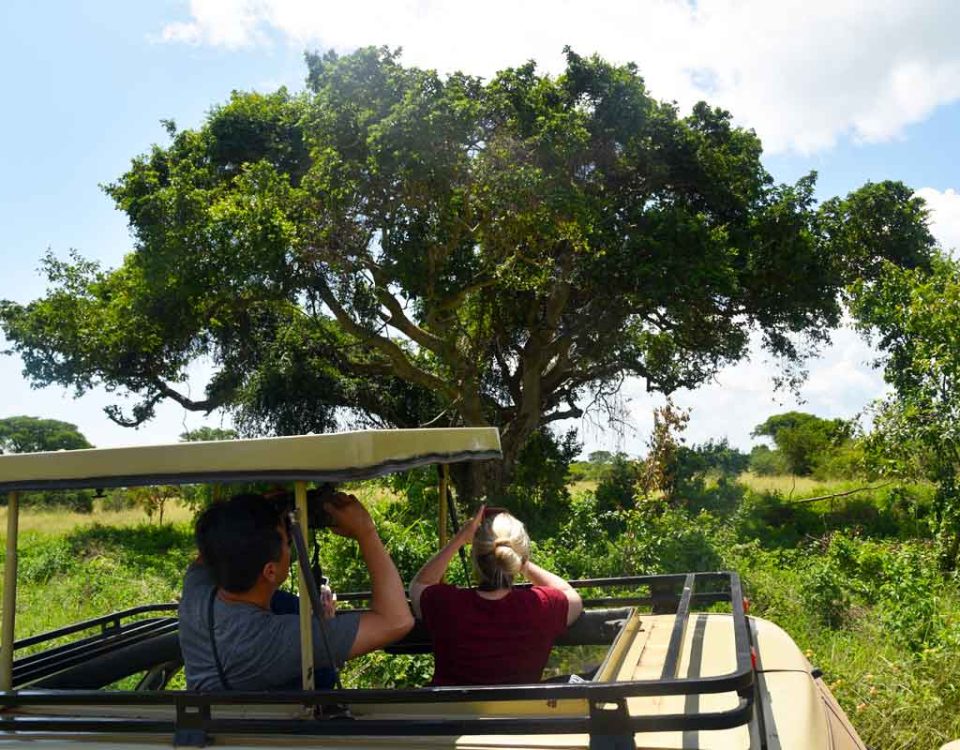
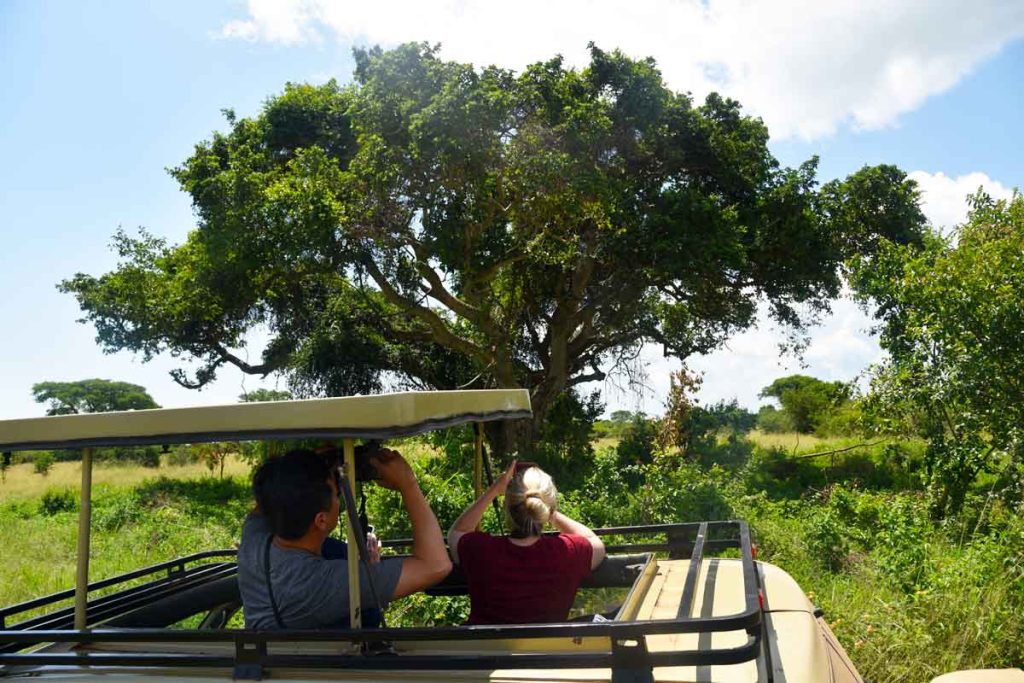
Most safari operators provide customized 4×4 safari vehicles with pop-up roofs, allowing guests to enjoy wildlife sightings even before entering the park. Self-drive travelers can also reach Tarangire by road, although a high-clearance four-wheel-drive vehicle is strongly recommended, especially during the rainy season.
Driving from Other Safari Destinations
Tarangire is easily accessible from other major parks in northern Tanzania. From Lake Manyara National Park, the drive takes about one to one and a half hours. From the Ngorongoro Conservation Area, travel time ranges from three to four hours depending on the specific location within the crater highlands.
These short travel distances make Tarangire a natural addition to a longer safari circuit, allowing travelers to transition smoothly between ecosystems without long or exhausting journeys.
Getting to Tarangire National Park by Air
For travelers seeking comfort, speed, or exclusivity, flying is an excellent option. Several domestic airlines operate scheduled and charter flights to airstrips near Tarangire National Park.
The main access point by air is Kuro Airstrip, located inside the park. Flights typically depart from Arusha Airport, Kilimanjaro International Airport, or Serengeti airstrips. Flight times from Arusha are usually around 30 to 45 minutes.
Flying directly into Tarangire offers breathtaking aerial views of the Rift Valley and surrounding landscapes. Upon landing, travelers are met by lodge guides or safari vehicles and can begin their game drive almost immediately.
Choosing Between Road and Air Travel
Both road and air travel options offer unique advantages. Road travel allows for scenic exploration and the opportunity to see rural Tanzanian life, while also being more budget-friendly. It works especially well for travelers on multi-park safaris who want a continuous journey across the northern circuit.
Flying, on the other hand, saves time and provides a more relaxed experience. It is ideal for travelers with limited time, luxury safari guests, or those combining Tarangire with distant destinations such as the Serengeti or Zanzibar.
Many safari itineraries combine both options, arriving by road and departing by air or vice versa, to balance experience and efficiency.
Entry Gates and Access Points
Tarangire National Park has several entry gates, with the main one being the Sangaiwe Gate, which is most commonly used by travelers coming from Arusha. Other gates provide access to different sections of the park and are often used by lodges located within or near specific regions of Tarangire.
Your chosen lodge or tour operator typically determines the most convenient gate, ensuring minimal travel time and maximum game viewing opportunities.
Best Time of Year for Travel Access
Tarangire is accessible year-round, but road conditions can vary by season. During the dry season, from June to October, roads are generally in excellent condition, making road travel smooth and reliable.
During the rainy seasons, especially from March to May, some roads can become muddy and challenging. While this does not prevent access, it makes four-wheel-drive vehicles essential and increases travel time. Flying becomes particularly attractive during these months.
Practical Travel Tips
Planning your route to Tarangire is best done through a reputable safari operator, who can coordinate transport, park permits, and lodge transfers seamlessly. Carry enough drinking water for road journeys, and keep cameras ready, as wildlife sightings can occur even before reaching the park gates.
If self-driving, ensure you have updated maps, sufficient fuel, and basic recovery equipment, especially during wet conditions. Respect speed limits and local communities along the way.
Final Thoughts
Getting to Tarangire National Park is straightforward, flexible, and well supported by Tanzania’s safari infrastructure. Whether you choose a scenic drive through rural landscapes or a short flight into the heart of the wilderness, the journey itself becomes part of the safari experience.
Once inside the park, the reward is immediate — towering baobabs, roaming elephant families, and a sense of wild space that defines Tarangire as one of Tanzania’s most underrated safari gems.
Related reading: Top 10 Luxury Holiday Destinations and Lake Manyara National Park’s tourist attractions.
Ready to see it for yourself? Explore our Tanzania safari tours, including the 6 Days Tanzania Wildlife Safari itinerary, or get in touch with our safari experts to start planning your trip.