How Much Is the Ngorongoro Conservation Fee?
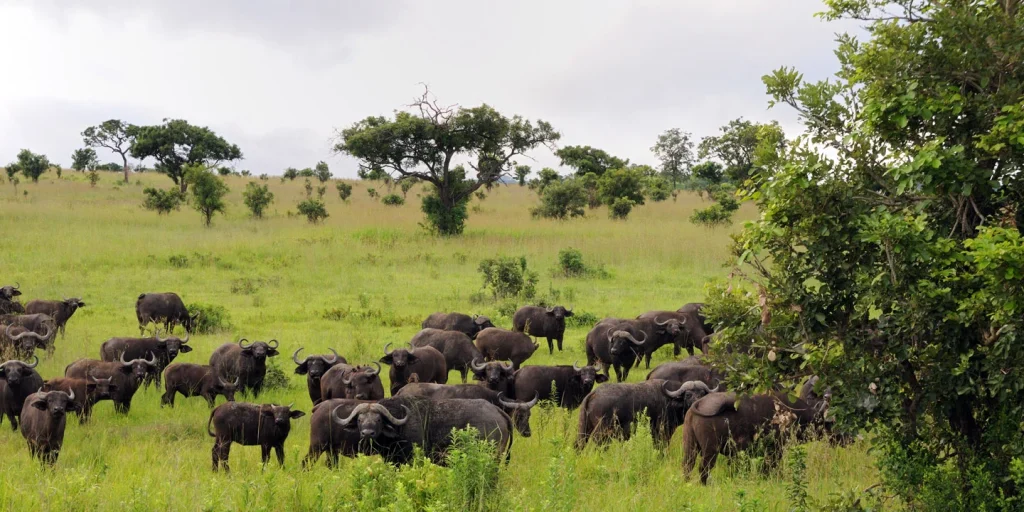
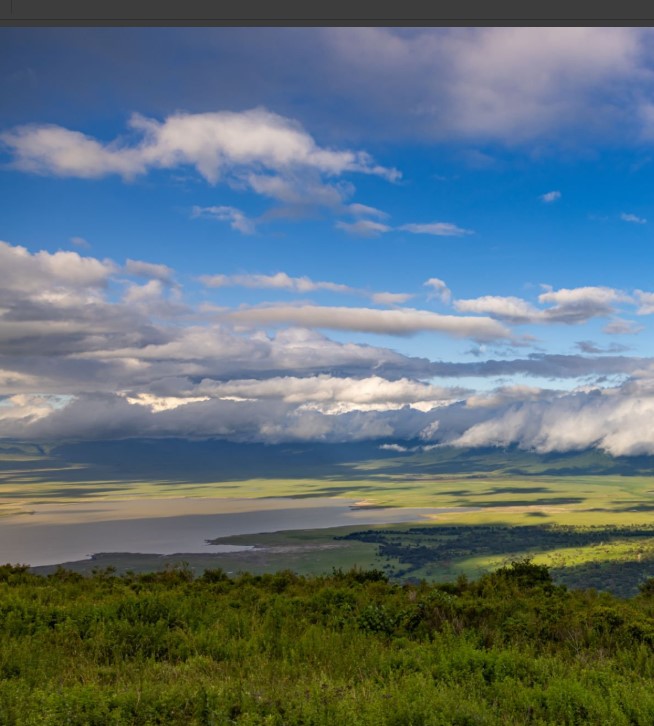
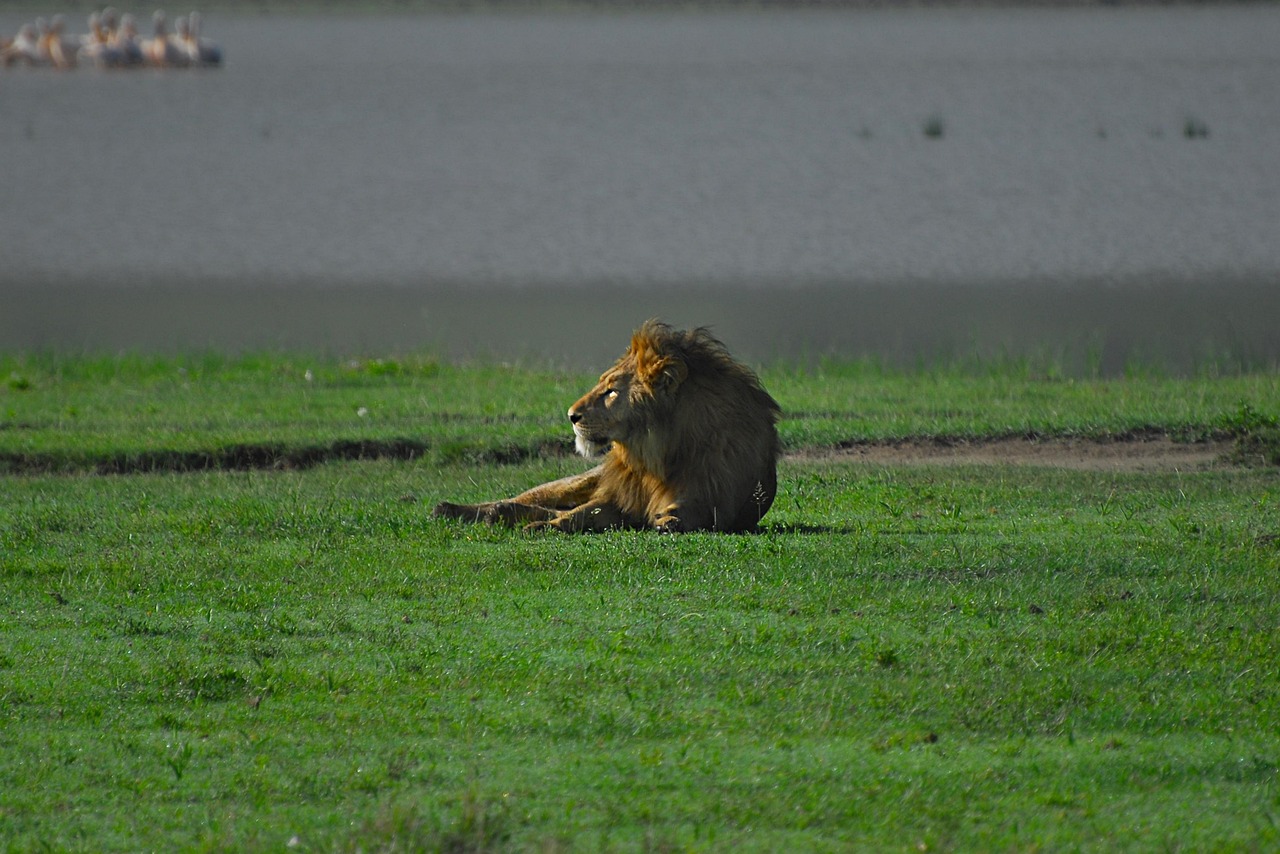
Nestled in the heart of Tanzania, the Ngorongoro Conservation Area (NCA) is one of the most unique and beautiful destinations on the African continent. This UNESCO World Heritage site, often called “Africa’s Eden,” is a place where nature’s grandeur and wildlife conservation come together in perfect harmony. The Ngorongoro Crater, a geological wonder formed millions of years ago, is home to a staggering array of wildlife, from elephants to lions, zebras to flamingos. Visitors to this incredible destination often wonder about the Ngorongoro Conservation Area fee. Understanding this cost is essential for planning a trip to one of the world’s most remarkable natural wonders.
In this article, we’ll explore the Ngorongoro Conservation Fee, breaking down the cost, the reasoning behind it, and how it contributes to the preservation of this extraordinary environment.
An Unforgettable Experience in Ngorongoro
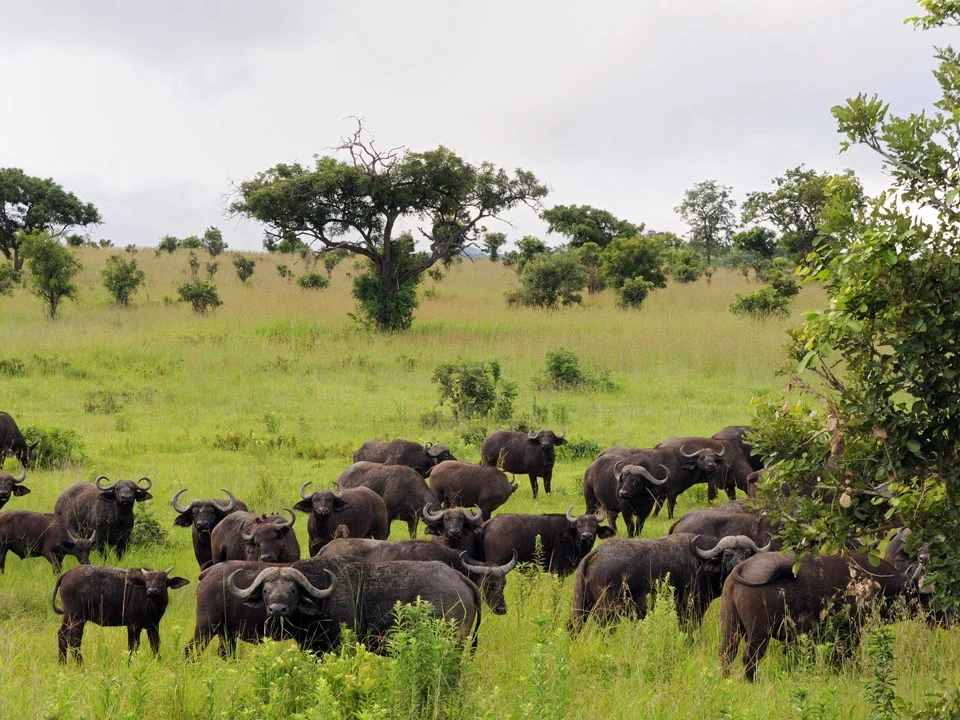
The Ngorongoro Conservation Area is much more than a traditional national park. It’s a multi-use landscape where local Maasai people coexist with wildlife. Here, the unique blend of cultural heritage and wildlife conservation creates an immersive experience for visitors. From the breathtaking views of the Ngorongoro Crater to the opportunity to witness the “Big Five” in their natural habitat, Ngorongoro offers a safari experience unlike any other.
As you embark on your journey to this conservation paradise, the first question on your mind might be the cost of entry. The Ngorongoro Conservation Fee helps ensure the protection of both the wildlife and the local Maasai communities who depend on the land.
What Is the Ngorongoro Conservation Fee?
The Ngorongoro Conservation Fee is the charge visitors must pay to access the Ngorongoro Conservation Area, which includes the famous Ngorongoro Crater. This fee is essential to sustaining the area’s conservation efforts, supporting wildlife management, and facilitating cultural preservation.
The fee structure can vary depending on the type of visitor, whether local or international, and the purpose of the visit. Here’s a breakdown of the key elements involved:
1. International Visitors’ Fees
For international tourists, the Ngorongoro Conservation Fee is structured based on different categories of visitors:
-
Adult Foreigners (Non-Residents): USD 70 per person per day
-
Children (Ages 5-15): USD 20 per child per day
-
Children Under 5: Free
These fees are essential for maintaining the conservation initiatives, such as wildlife monitoring, habitat restoration, and supporting the Maasai community, who share their land with the wildlife.
2. Tanzanian Residents’ Fees
Tanzanian citizens and East African residents benefit from a reduced fee structure:
-
Adult Tanzanian Residents: TZS 2,000 per person per day
-
Children (Ages 5-15): TZS 1,000 per child per day
-
Children Under 5: Free
This structure makes the Ngorongoro Conservation Area more accessible to the local population while still contributing to conservation efforts.
3. Special Fees for Activities
The Ngorongoro Conservation Area also offers visitors the opportunity to engage in specific activities, such as game drives, cultural tours, and trekking. These activities may come with additional fees, which help fund the respective initiatives:
-
Safari Vehicle Fees: If you are using your own vehicle for a safari within the Ngorongoro Crater, an additional fee of USD 200 per vehicle per day is charged.
-
Walking Safari Fees: For those looking to explore on foot, a walking safari permit costs around USD 50 per person.
-
Cultural Visit Fees: A visit to the Maasai villages and other cultural experiences may also involve an additional charge, typically ranging from USD 10-20 per person.
4. Multi-Day Pass
For travelers interested in visiting the Ngorongoro Conservation Area for more than one day, a multi-day pass is often available. This provides a cost-effective way to enjoy extended stays in the region. The exact price for multi-day passes will depend on the length of your stay and other factors, such as group size or vehicle type.
What the Ngorongoro Fee Covers
The fees collected for entry into the Ngorongoro Conservation Area serve several important purposes.
-
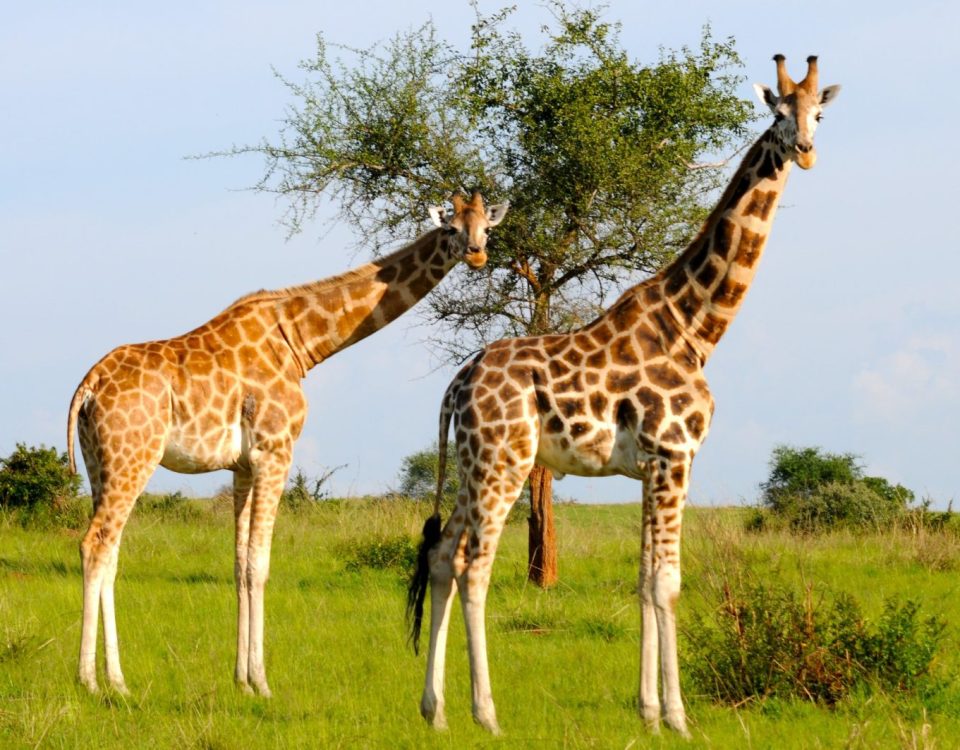
Wildlife Conservation: The money is used for the ongoing preservation of wildlife in the area. Ngorongoro is home to a rich variety of species, including endangered animals such as black rhinos and the rare wild dog. Conservation efforts include anti-poaching measures, veterinary care for wildlife, and research projects that help ensure the health and stability of the animal populations.
-
Maasai Community Support: The Maasai people, who have lived in Ngorongoro for centuries, rely on the land for their herding and farming practices. The fees help support the Maasai community, funding projects that improve their quality of life and preserve their cultural heritage. A portion of the revenue goes towards schools, healthcare, and infrastructure development in Maasai villages.
-
Park Maintenance and Infrastructure: The fee also helps to maintain the infrastructure of the area, including roads, visitor centers, and campgrounds. This ensures a smooth and enjoyable experience for tourists while minimizing the environmental impact of tourism.
-
Research and Education: A significant portion of the fee is invested in environmental research and educational programs, which aim to educate both locals and visitors about the importance of wildlife and environmental conservation.
Why Is the Ngorongoro Conservation Fee Necessary?
The Ngorongoro Conservation Area is a delicate ecosystem that requires careful management to maintain its biodiversity. The revenue generated from the conservation fees plays a crucial role in keeping the area protected and sustainably managed. Without these funds, it would be impossible to preserve the wildlife, protect the Maasai communities, and maintain the area’s unique ecosystem.
The fees also help control the number of visitors to the conservation area, ensuring that it doesn’t become overrun by tourism. Sustainable tourism is key to preserving the Ngorongoro Crater’s natural beauty and its rich wildlife.
Tips for Visitors to Ngorongoro
Before you embark on your trip to Ngorongoro, there are a few practical tips to help you make the most of your visit:
-
Plan Ahead: The Ngorongoro Conservation Area can get busy, especially during peak tourist seasons. Make sure to book your accommodation and permits in advance to avoid disappointment.
-
Be Prepared for Fees: Ensure that you are aware of the fees and have the appropriate currency on hand (USD for international visitors and Tanzanian shillings for residents). Some entry fees may also require you to pay in cash.
-
Respect the Environment: Ngorongoro is a pristine environment. Make sure to follow all park rules, such as staying in designated areas, avoiding littering, and respecting wildlife.
-
Guides and Vehicles: If you don’t have your own safari vehicle, consider hiring a local guide or renting a vehicle for the day. They can help you navigate the area and provide valuable insights into the wildlife and culture.
Conclusion: Worth the Investment
The Ngorongoro Conservation Fee may seem like an added cost, but it is an investment in the preservation of one of the world’s most remarkable natural wonders. The fees directly contribute to the protection of wildlife, the preservation of the Maasai culture, and the maintenance of this unique ecosystem. When you visit Ngorongoro, you are not just paying for entry; you are contributing to the future of this extraordinary region and its diverse inhabitants.
So, while planning your adventure to Ngorongoro, remember that the fee you pay helps ensure that generations to come will also have the opportunity to experience the wonder of Ngorongoro. It’s an experience that will leave you with lasting memories and a deeper appreciation for the delicate balance between conservation and culture.