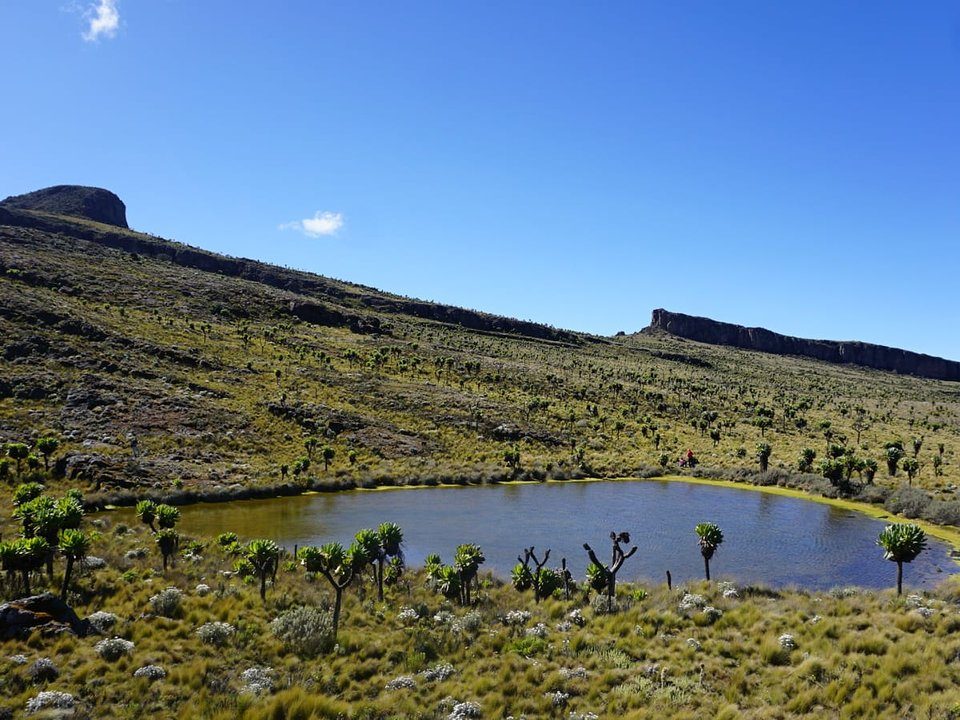
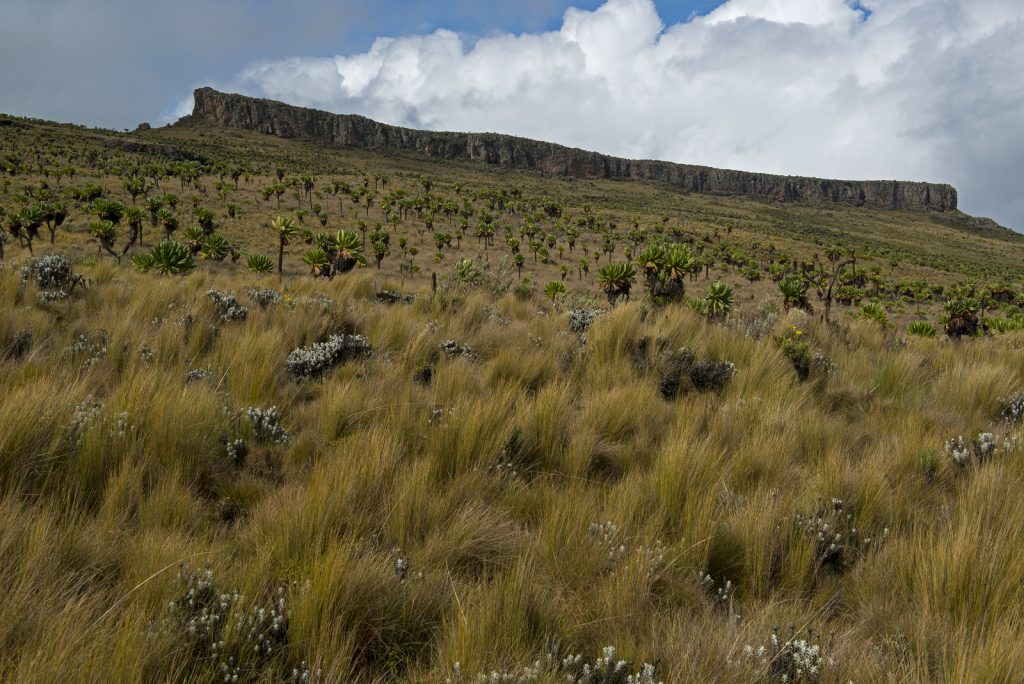
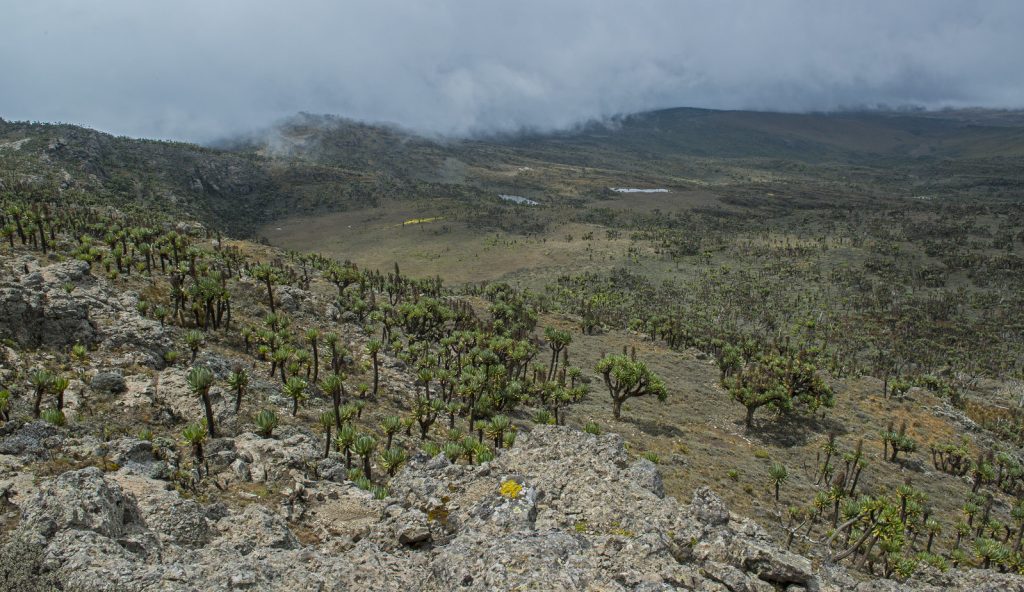
Information about Mgahinga Gorilla National Park: The smallest national park in Uganda, Mgahinga Gorilla National Park is situated in the Kisoro area in the southwest and borders the Virunga National Park in the Democratic Republic of the Congo and the Volcanoes National Park in Rwanda. The 33.7-square-kilometer national park was created in 1991 primarily to safeguard and preserve the endangered mountain gorillas.
76 mammal species, including forest elephants, buffaloes, bushbucks, black-faced duikers, huge forest hogs, golden cats, primate species such endangered mountain gorillas, golden monkeys, and more than 184 bird species may be found in Mgahinga Gorilla National Park.
The three Virunga volcanoes-Mt. Muhavura, which rises 4,127 meters above sea level, Mount Gahinga, which rises 3,474 meters, and Mount Sabinyo, which rises 3,645 meters-are also located within Mgahinga Gorilla National Park. Gahinga, a native term meaning piles of volcanic stones removed from farmlands at the base of volcanoes, is the source of the name of Mgahinga National Park.
Mgahinga Gorilla National Park’s top attractions
The most well-known and daring activity in Mgahinga Gorilla National Park is gorilla trekking. Mountain gorilla trekking entails searching through impenetrable forests for the primates and spending an hour with them in their natural environment.
Trekking begins early in the morning with a briefing at the park headquarters. Following that, you will begin trekking in the jungle with an expert park guide who is familiar with the trekking tracks. Mgahinga Gorilla National Park is home to the habituated gorilla family Nyakagezi. Because gorillas prefer to roam about in search of food, hiking with them might take anything from 30 minutes to 6 hours, depending on their location.
You can see other primate species, animals, birds, various plant and tree species, and more while trekking. After you locate the gorillas, you will be able to spend an hour with them in their natural habitat, where you can observe their habits, behaviors, and take pictures. You can also watch the gorillas feed, nurse, groom their young, relax, and capture the amazing moments about other people.
In Mgahinga Gorilla National Park, golden monkey trekking is an energetic activity that begins with a training at park headquarters regarding the guidelines to be followed while trekking. Following the briefing, you will be paired with a knowledgeable park guide and begin hiking through the jungle. Depending on where the golden monkeys are, this might take anything from 30 minutes to 4 hours, since they are energetic primates that prefer to roam about in quest of food.
You will follow bamboo leaf remnants during your trek because they don’t leave any markings like gorillas do. After you locate the golden monkeys, you will be permitted to spend an hour with them in their natural habitat, where you can watch them leap up tree branches, feed, play, take pictures, and document the amazing moments.
Volcano hiking
Hiking to any of the three dormant Virunga volcanoes in Mgahinga Gorilla National Park is an exciting and daring adventure. Mount Muhavura is the highest of the Virunga volcanoes, rising 4,127 meters above sea level. It takes approximately 8 to 10 hours to hike to the peak.
Great views of Lake Edward, the Rwenzori peaks, the Bwindi Impenetrable National Park, and other Virunga volcanoes await you after you reach the summit. At 3,474 meters above sea level, Mount Gahinga is the smallest Virunga volcano in Mgahinga Gorilla National Park. The hike takes between 6 to 8 hours round way, and once you reach the summit, you can take in views of a marsh riddled with craters.
At 3,669 meters above sea level, Mount Sabinyo is the third Virunga volcano in Mgahinga Gorilla National Park. It takes roughly eight hours to hike to the peak. When you reach the top, you will simultaneously be in the Democratic Republic of the Congo, Rwanda, and Uganda.
You must be physically healthy to climb any of the volcanic mountains, and while trekking, you will be treated to breathtaking views of the surrounding landscape, wildlife, and, if you’re lucky, mountain gorillas. You will also see a variety of bird species, as well as various plant and tree species.
Birding
One of the best places to go bird watching in Uganda is Mgahinga Gorilla National Park, which is home to over 184 species of recorded birds, including migratory, woodland, and Albertine endemic birds. During your birding safari, you can follow some of the best bird watching paths, like the bamboo trails that lead through the montane forest and the gorge trail that runs between Mount Sabinyo and Mount Gahinga.
The Rwenzori turaco, bronze sunbird, blue-headed sunbird, cape robin chat, dusky turtle dove, Rwenzori batis, western green tinker bird, olive woodpecker, kivu ground thrush, yellow-billed kite, handsome francolin, paradise flycatcher, crowned hornbill, yellow vented bulbul, archers robin chat, and red-faced woodland warbler are just a few of the many bird species you will be able to spot while bird watching with the assistance of an experienced guide.
Experience on the Batwa Trail
An intriguing activity in Mgahinga Gorilla National Park is the Batwa Trail Experience, which allows you to engage with the Batwa/pygmies who formerly inhabited the forest before it was gazetted as a national park.
You will be led by Batwa guides during the Batwa trail experience, who will share information about their culture, traditional forest life, and way of life. You will also visit their homesteads, see how they hunt and gather, learn about medicinal plants that were used to treat various illnesses, see how they make cups out of bamboo, visit the sacred Ngarama cave, which was once the Batwa King’s home, and take in their traditional songs and dance.
Accommodations in Mgahinga Gorilla National Park for your safari
During your safari, you can stay at a variety of lodging options in Mgahinga Gorilla National Park, including Mount Gahinga Lodge, Mount Gahinga Rest Camp, Mutanda Island Lodge, Kisoro Travelers Lodge, Mucha Hotel, Muhabura Motel, Kisoro Tourist Hotel, Mgahinga Community Camp, Mgahinga Gorilla Lodge, and many more. These options range from affordable to luxurious.
Mgahinga Gorilla National Park’s prime time to visit
Although it is possible to visit Mgahinga Gorilla National Park throughout the year, the ideal time to go is in the dry season, which runs from June to February. In contrast to the rainy season, when the hiking and gorilla trekking paths are muddy and slippery, making trekking challenging, access roads, hiking trails, and gorilla trekking trails will be passable during the dry season because the park receives little to no rainfall.
Since March, April, May, and November are the finest times of year for bird watching and the best times to see migratory bird species, visitors can also visit Mgahinga Gorilla National Park during the wet season.
The Mgahinga Gorilla National Park travel route
Situated in the southwest of Uganda, Mgahinga Gorilla National Park is accessible by road. From Kampala, you will go through Masaka, Mbarara, Kabale, Kisoro, and finally to the park headquarters, which takes between nine to ten hours in a four-wheel drive safari vehicle.
It takes roughly three to four hours to drive from Kigali Rwanda crossing via the Cyanika border to the park headquarters in Mgahinga Gorilla National Park.
A charter or scheduled flight from Entebbe International Airport or Kajjansi Airfield to Kisoro Airstrip and subsequently to the park headquarters is another way to get to Mgahinga Gorilla National Park.
Gorilla Trekking in the Democratic Republic of Congo
The Democratic Republic of Congo (DRC) is home to two gorilla species found nowhere else together: mountain gorillas in Virunga National Park and eastern lowland gorillas (Grauer’s gorillas, Gorilla beringei graueri) in Kahuzi-Biega National Park. Both are UNESCO World Heritage Sites.
Virunga National Park – Africa’s oldest national park, established in 1925 – covers 7,900 km² of remarkable ecological diversity, from the volcanic peaks of the Virunga Massif to the glaciers of the Rwenzori Mountains and the tropical lowland forests of the Congo Basin. The park is also home to hippos, elephants, okapis, and the entire cast of Congo rainforest wildlife.
Eastern Lowland Gorillas – A Unique Encounter
The eastern lowland gorilla (Grauer’s gorilla) is the world’s largest subspecies of gorilla, with silverbacks weighing up to 220kg. Found only in the DRC, Grauer’s gorillas are considerably rarer than mountain gorillas – their population has declined by more than 70% since the 1990s due to conflict, habitat loss, and poaching. Kahuzi-Biega National Park in South Kivu offers the only reliable trekking experience with habituated Grauer’s gorilla families.
A gorilla permit in the DRC costs USD 400 per person – significantly cheaper than Rwanda (USD 1,500) or Uganda (USD 800). The experience is raw, off-the-beaten-track, and unforgettable for travellers seeking something genuinely uncommon.
Practical Information for DRC Gorilla Trekking
Getting to Virunga and Kahuzi-Biega
The most common entry point to eastern DRC is via Kigali, Rwanda. Goma – the gateway to Virunga National Park – is just 80km from Kigali. Direct flights from Nairobi and Kampala also serve Goma. Bukavu (gateway to Kahuzi-Biega) is accessible from Goma by road (3-4 hours) or by light aircraft.
Is it safe to trek gorillas in the DRC?
Security in eastern DRC is complex and fluctuates. Virunga National Park and Kahuzi-Biega have experienced periods of closure due to armed group activity. Always check current security conditions with your tour operator and your government’s travel advisory before planning a DRC gorilla trek. Reputable operators with established local security networks are essential.
Recommended Tours: 8 Days Congo Gorillas & Nyiragongo Safari | 5 Days Lowland Gorilla Safari Congo