

Discover Tanzania’s Best Safari Itineraries for Every Budget
Tanzania Safari Itineraries Budget, Tanzania is a land of unparalleled natural beauty, is a dream destination for safari enthusiasts. From the vast plains of the Serengeti to the majestic heights of Mount Kilimanjaro, Tanzania offers a diverse range of experiences that cater to every type of traveler. Whether you’re a budget-conscious backpacker, a mid-range explorer, or a luxury seeker, Tanzania has something for everyone. In this article, we’ll explore the best safari itineraries for every budget, including must-visit places, transportation options, the best time to explore, and accommodations that suit your needs.
1. Budget Tanzania Safari Itineraries Budget
Places to Visit:
- Serengeti National Park: Witness the Great Migration, where millions of wildebeest, zebras, and gazelles traverse the plains in search of greener pastures.
- Ngorongoro Conservation Area: Explore the Ngorongoro Crater, a UNESCO World Heritage Site, home to a dense population of wildlife, including the Big Five.
- Tarangire National Park: Known for its large elephant herds and ancient baobab trees, Tarangire offers a more intimate safari experience.
Transport to Use:
- Public Transport: For the budget-conscious, public buses and shared taxis (dala-dalas) are the most economical way to get around. However, they can be crowded and less reliable.
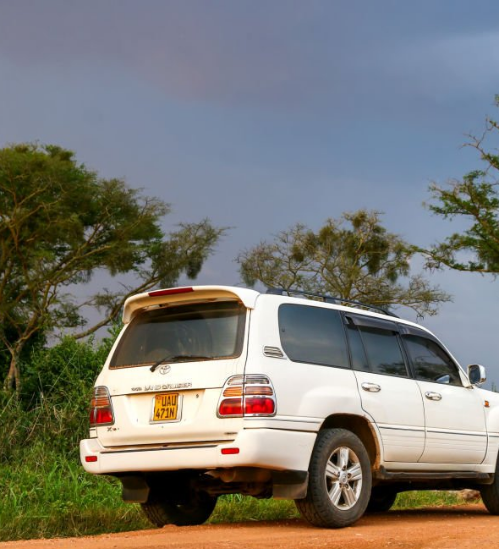
- Budget Safari Operators: Many local operators offer budget-friendly group safaris in 4×4 vehicles, which include park fees, accommodations, and meals.
Best Time to Explore:
- Dry Season (June – October): This is the best time for wildlife viewing as animals gather around water sources. The weather is also pleasant, with clear skies.
Accommodations:
- Camping: Budget travelers can opt for public campsites within the national parks. These sites offer basic facilities like shared bathrooms and cooking areas.
- Budget Lodges: There are several budget lodges and guesthouses near the parks that offer clean, comfortable rooms at affordable prices.
2. Mid-Range Safari Itinerary

Places to Visit:
- Serengeti National Park: Experience the thrill of game drives and witness the Great Migration in one of the world’s most famous wildlife reserves.
- Ngorongoro Crater: Descend into the crater for a chance to see the Big Five in a unique, volcanic landscape.
- Lake Manyara National Park: Known for its tree-climbing lions and diverse birdlife, Lake Manyara is a hidden gem.
Transport to Use:
- Private Safari Vehicles: Mid-range travelers can opt for private or semi-private 4×4 safari vehicles with a dedicated driver-guide. This offers more flexibility and comfort compared to group tours.
- Domestic Flights: For longer distances, consider domestic flights between major parks to save time and reduce travel fatigue.
Best Time to Explore:
- Dry Season (June – October): Ideal for wildlife viewing, with animals congregating around water sources. The weather is also cooler and more comfortable.
- Shoulder Season (January – March): This is the calving season in the Serengeti, offering a unique opportunity to see newborn animals. The parks are less crowded, and prices are lower.
Accommodations:
- Mid-Range Lodges: These lodges offer comfortable rooms, en-suite bathrooms, and often include amenities like swimming pools and restaurants. Examples include Serengeti Kati Kati Tented Camp and Ngorongoro Wildlife Lodge.
- Tented Camps: For a more authentic safari experience, mid-range travelers can stay in semi-permanent tented camps that offer a blend of comfort and adventure.
3. Luxury Safari Itinerary
Places to Visit:
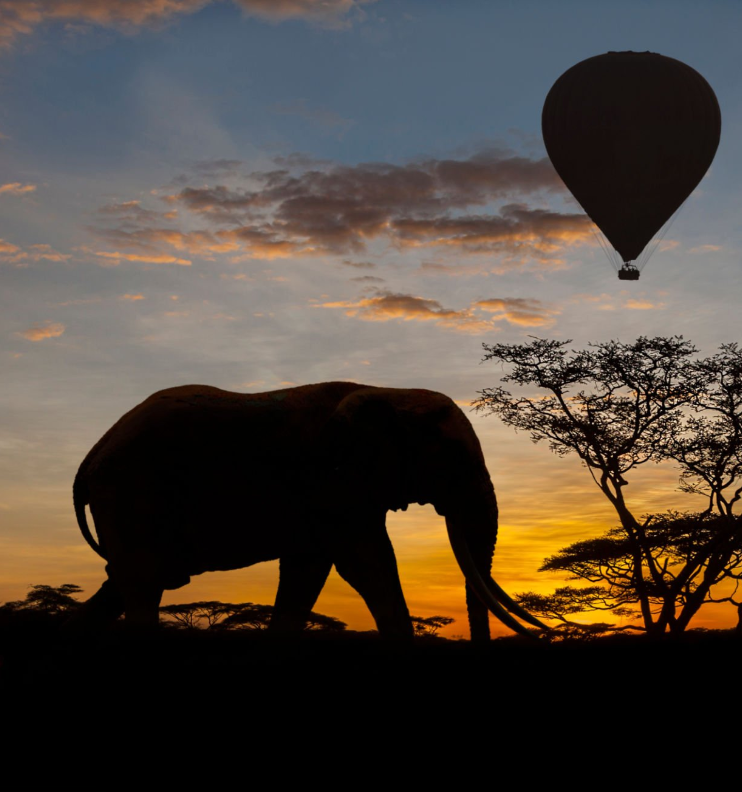
- Serengeti National Park: Enjoy exclusive game drives and hot air balloon safaris over the vast plains of the Serengeti.
- Ngorongoro Crater: Experience the ultimate luxury with private guided tours and gourmet picnics in the crater.
- Selous Game Reserve: One of the largest game reserves in Africa, Selous offers a more secluded and exclusive safari experience.
Transport to Use:
- Private Charter Flights: Luxury travelers can opt for private charter flights between parks, offering a seamless and comfortable travel experience.
- Luxury Safari Vehicles: Travel in style with private, fully-equipped 4×4 vehicles with pop-up roofs for optimal game viewing.
Best Time to Explore:
- Dry Season (June – October): The best time for wildlife viewing, with clear skies and comfortable temperatures.
- Green Season (November – May): This is the best time for birdwatching and photography, with lush landscapes and fewer tourists.
Accommodations:
- Luxury Lodges: Stay in world-class lodges that offer spacious suites, private balconies, and stunning views. Examples include Four Seasons Safari Lodge Serengeti and &Beyond Ngorongoro Crater Lodge.
- Boutique Tented Camps: For a more intimate experience, luxury travelers can stay in boutique tented camps that offer personalized service, gourmet dining, and exclusive game drives.
See also: Discover Hidden Beaches and Islands in Tanzania, Tanzania Cultural Tourism: Explore Traditions and Local Communities, plus Ntebeko Homestay.
Turning this into a trip is easy — check our Tanzania safari itineraries such as the 10 Days Tanzania Wildlife Safari, or talk to a safari consultant about a custom plan.
How to Prepare for Climbing Kilimanjaro
Preparing well is the single most important factor in successfully summiting Mount Kilimanjaro. Unlike technical mountaineering peaks, Kilimanjaro requires no ropes or climbing equipment — but it does demand cardiovascular fitness, mental resilience, and proper acclimatization. Start your preparation at least three months before your climb.
Begin with regular cardiovascular training including hiking, running, cycling, and stair climbing. Aim to hike with a loaded backpack on uneven terrain at least once a week. Strength training focusing on legs and core will help significantly on the steep sections, particularly the Barafu or Stella Point approaches to the summit.
Sleep at altitude before your climb if possible. Even a weekend at a mountain lodge at 3,000m will help your body begin to adapt. On the mountain, the golden rule is “pole pole” — slowly, slowly. Rushing is the most common cause of altitude sickness and failed summits.
Kilimanjaro Routes Compared
There are seven official routes up Kilimanjaro, each with different scenery, difficulty levels, and summit success rates. The most popular routes are:
- Machame Route (6–7 days): Known as the “Whiskey Route” for its challenging terrain, Machame is the most scenic and has a good acclimatization profile. Success rate: ~85% on 7-day itinerary.
- Lemosho Route (7–8 days): Starting from the west, Lemosho offers the most diverse scenery and the best acclimatization profile. Fewer crowds. Success rate: ~90%.
- Marangu Route (5–6 days): The only route with hut accommodation. Called the “Coca-Cola Route,” it is the shortest but has the lowest success rate (~65%) due to insufficient acclimatization time.
- Rongai Route (6–7 days): The only route approaching from the north, near the Kenyan border. Drier and less crowded, with good wildlife sightings in the lower zone.
- Northern Circuit (9 days): The longest route with the highest success rate (~95%). Circles the entire northern hemisphere of the mountain before the summit push.
Recommended Tours: 7 Days Kilimanjaro Climbing Machame Route | 8 Days Kilimanjaro Lemosho Route













