
Discover Tanzania’s Best Safari Lodges for a Memorable Stay
Tanzania, a land of breathtaking landscapes, diverse wildlife, and rich cultural heritage, is a dream destination for safari enthusiasts. From the vast plains of the Serengeti to the majestic heights of Mount Kilimanjaro, Tanzania offers an unparalleled experience for travelers seeking adventure, relaxation, and a deep connection with nature. One of the key elements that make a Tanzanian safari unforgettable is the choice of accommodation. Whether you’re a budget traveler, a mid-range explorer, or a luxury seeker, Tanzania has a wide array of safari lodges to suit every preference. In this article, we’ll explore some of the best safari lodges in Tanzania, the top places to visit, the best time to explore, and the most convenient modes of transport.
Top Places to Visit in Best Tanzania Safari Lodges
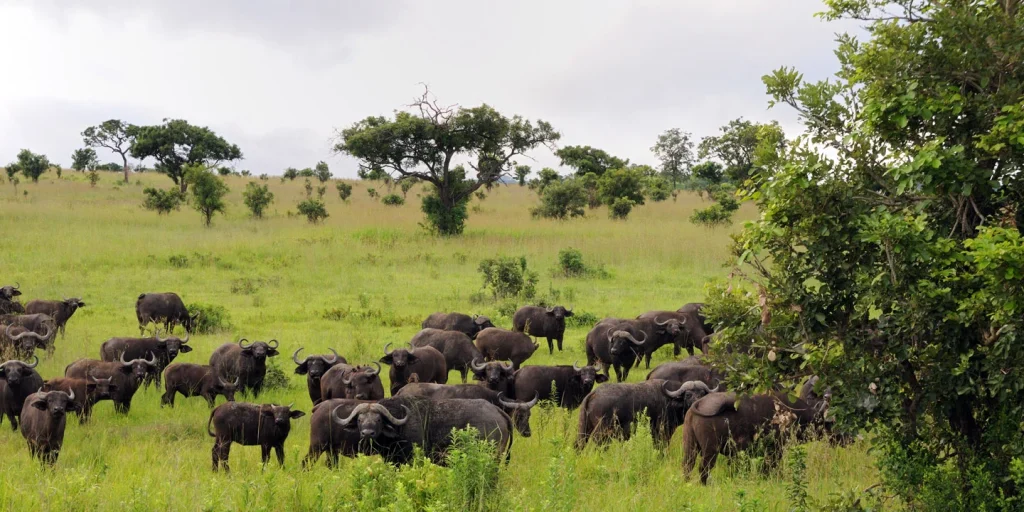
- Serengeti National Park: Famous for the Great Migration, where millions of wildebeest, zebras, and gazelles traverse the plains in search of greener pastures, the Serengeti is a must-visit. It’s also home to the Big Five (lion, leopard, elephant, buffalo, and rhino) and offers some of the best game-viewing opportunities in Africa.
- Ngorongoro Crater: A UNESCO World Heritage Site, the Ngorongoro Crater is a natural wonder and one of the best places to see wildlife in Tanzania. The crater’s floor is teeming with animals, including lions, elephants, and flamingos, making it a photographer’s paradise.
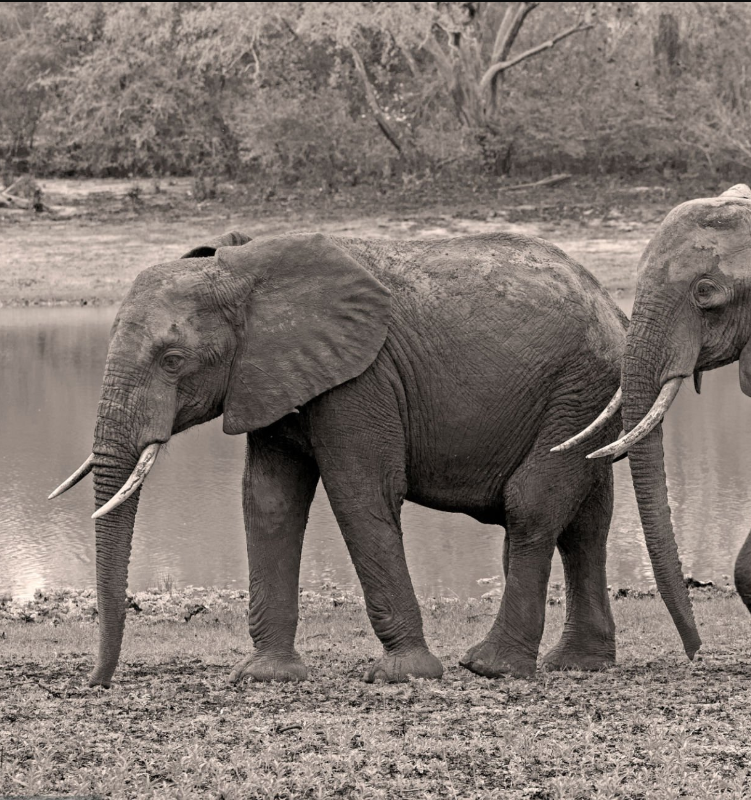
- Tarangire National Park: Known for its large elephant herds and iconic baobab trees, Tarangire is a hidden gem. It’s less crowded than the Serengeti but offers equally stunning wildlife encounters.
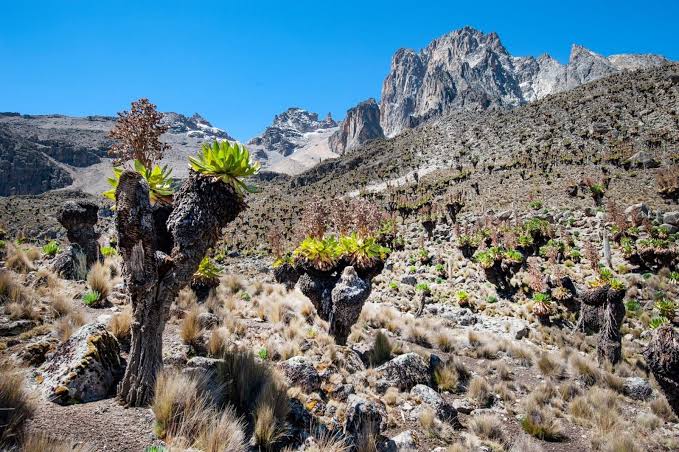
- Mount Kilimanjaro: For the adventurous, climbing Africa’s highest peak is a once-in-a-lifetime experience. Even if you’re not up for the climb, the surrounding areas offer beautiful views and cultural experiences.
- Zanzibar: After a safari, unwind on the pristine beaches of Zanzibar. The island is also rich in history, with Stone Town offering a glimpse into its Swahili and colonial past.
Best Time to Explore Best Tanzania Safari Lodges
The best time to visit Tanzania depends on what you want to experience:
- June to October (Dry Season): This is the peak safari season, offering excellent wildlife viewing as animals gather around water sources. The weather is cool and dry, making it ideal for game drives and outdoor activities.
- January to February (Calving Season): If you want to witness the Great Migration’s calving season in the Serengeti, this is the time to visit. It’s also a great time for birdwatching.
- November to December (Short Rains): This is the low season, with fewer tourists and lower prices. While there may be occasional rain, the landscapes are lush and green.
- March to May (Long Rains): This is the wettest period, and some lodges and parks may close. However, it’s a good time for budget travelers, and the scenery is stunning.
Transport Options in Tanzania
Getting around Tanzania is relatively easy, with several transport options available:
- Domestic Flights: The quickest way to travel between parks and regions is by domestic flights. Airlines like Coastal Aviation and Auric Air offer regular flights to major destinations like the Serengeti, Zanzibar, and Arusha.
- Private Transfers: For a more personalized experience, private transfers are a great option. Many lodges and tour operators offer private vehicles with experienced drivers.
- Safari Vehicles: Most safari lodges include game drives in 4×4 vehicles, which are specially designed for off-road terrain and optimal wildlife viewing.
- Public Transport: For budget travelers, buses and shared taxis (dala-dalas) are available, but they can be crowded and less reliable.
Best Safari Lodges in Best Tanzania Safari Lodges
Budget Accommodations
- Nyani Public Campsite (Serengeti): Located in the heart of the Serengeti, this campsite offers basic facilities but an unbeatable location. It’s perfect for travelers who want to immerse themselves in nature without breaking the bank.
- Kudu Campsite (Tarangire): Situated near Tarangire National Park, this campsite offers affordable rates and a peaceful atmosphere. It’s a great base for exploring the park’s wildlife.
- Masailand Safari Lodge (Arusha): A budget-friendly option near Arusha, this lodge offers comfortable rooms and easy access to nearby parks like Arusha National Park.
Mid-Range Accommodations
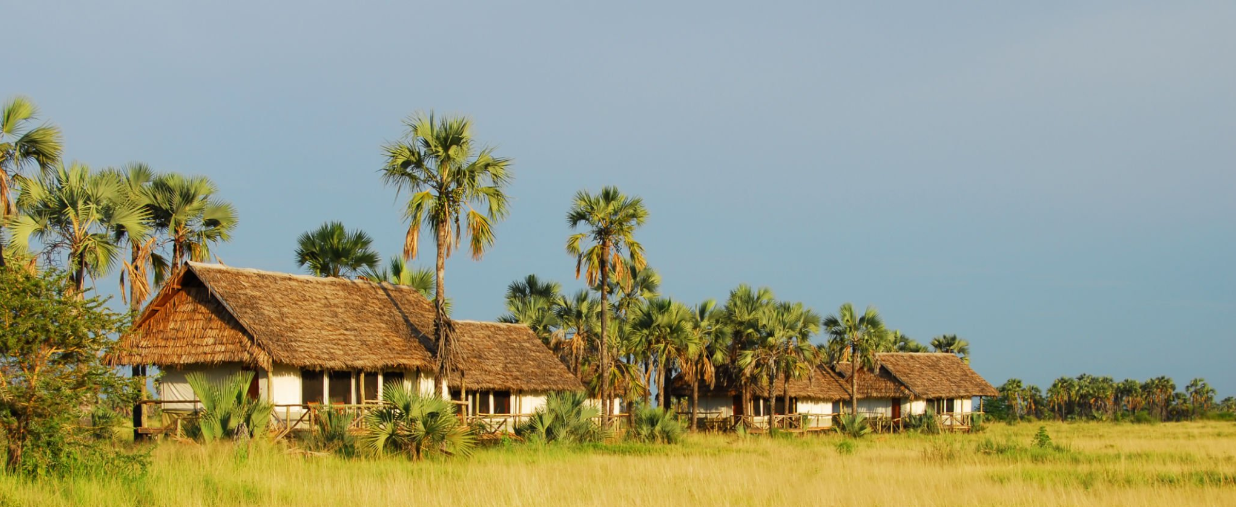
- Serengeti Kati Kati Tented Camp: This semi-permanent camp offers a blend of comfort and adventure. Located in the central Serengeti, it’s an excellent choice for witnessing the Great Migration.
- Ngorongoro Wildlife Lodge: Perched on the rim of the Ngorongoro Crater, this lodge offers stunning views and comfortable accommodations. It’s ideal for travelers who want a mix of luxury and affordability.
- Lake Manyara Wildlife Safari Camp: Located near Lake Manyara National Park, this camp offers spacious tents and a relaxed atmosphere. It’s a great option for families and couples.
Luxury Accommodations
- Four Seasons Safari Lodge (Serengeti): This world-class lodge offers unparalleled luxury, with infinity pools overlooking the savannah, gourmet dining, and personalized game drives. It’s the ultimate safari experience.
- Singita Grumeti (Serengeti): Known for its exclusivity and exceptional service, Singita Grumeti offers luxurious suites, private game drives, and gourmet cuisine. It’s perfect for honeymooners and luxury seekers.
- andBeyond Ngorongoro Crater Lodge: This lodge combines luxury with a unique design inspired by Maasai mud-and-stick houses. Located on the crater rim, it offers breathtaking views and top-notch service.
Worth reading next: Why Is Ruaha Known for Elephants?, What is the best time of year to go on a Tanzania safari?, plus Explore Tanzania’s Beautiful Waterfalls and Scenic Landscapes.
Want to experience this firsthand? Take a look at our range of Tanzania tours like our 6 Days Tanzania Wildlife Safari, or contact us to start planning.
How to Prepare for Climbing Kilimanjaro
Preparing well is the single most important factor in successfully summiting Mount Kilimanjaro. Unlike technical mountaineering peaks, Kilimanjaro requires no ropes or climbing equipment – but it does demand cardiovascular fitness, mental resilience, and proper acclimatization. Start your preparation at least three months before your climb.
Begin with regular cardiovascular training including hiking, running, cycling, and stair climbing. Aim to hike with a loaded backpack on uneven terrain at least once a week. Strength training focusing on legs and core will help significantly on the steep sections, particularly the Barafu or Stella Point approaches to the summit.
Sleep at altitude before your climb if possible. Even a weekend at a mountain lodge at 3,000m will help your body begin to adapt. On the mountain, the golden rule is “pole pole” – slowly, slowly. Rushing is the most common cause of altitude sickness and failed summits.
Kilimanjaro Routes Compared
There are seven official routes up Kilimanjaro, each with different scenery, difficulty levels, and summit success rates. The most popular routes are:
- Machame Route (6-7 days): Known as the “Whiskey Route” for its challenging terrain, Machame is the most scenic and has a good acclimatization profile. Success rate: ~85% on 7-day itinerary.
- Lemosho Route (7-8 days): Starting from the west, Lemosho offers the most diverse scenery and the best acclimatization profile. Fewer crowds. Success rate: ~90%.
- Marangu Route (5-6 days): The only route with hut accommodation. Called the “Coca-Cola Route,” it is the shortest but has the lowest success rate (~65%) due to insufficient acclimatization time.
- Rongai Route (6-7 days): The only route approaching from the north, near the Kenyan border. Drier and less crowded, with good wildlife sightings in the lower zone.
- Northern Circuit (9 days): The longest route with the highest success rate (~95%). Circles the entire northern hemisphere of the mountain before the summit push.
Recommended Tours: 7 Days Kilimanjaro Climbing Machame Route | 8 Days Kilimanjaro Lemosho Route