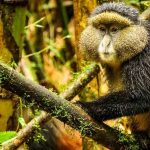
Nyungwe Forest National Park: Canopy Walk and Primates
Nyungwe Forest National Park is one of Rwanda’s most important wildlife destinations, famous for its chimpanzees, spectacular canopy walkway, rare monkeys and ancient mountain rainforest. Located in south-western Rwanda, the park provides visitors with opportunities to explore one of Africa’s richest forest habitats through guided nature walks, primate tracking, birdwatching and adventure activities.
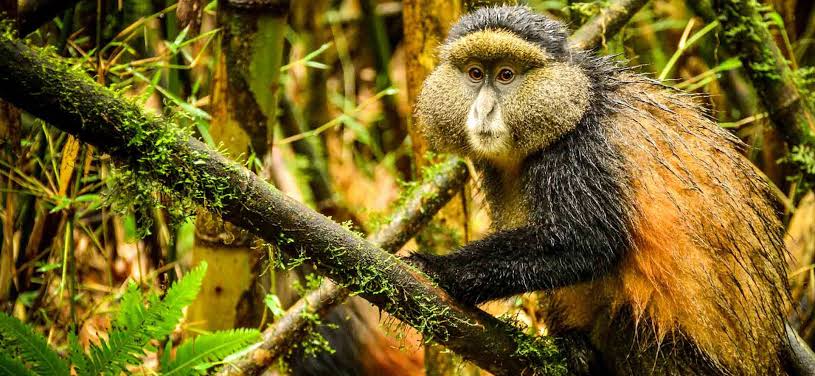
Covering approximately 1,019 square kilometres, Nyungwe protects extensive montane rainforest, bamboo vegetation, wetlands, waterfalls and forested valleys. The park supports 13 primate species, including chimpanzees, L’Hoest’s monkeys, black-and-white colobus monkeys and several other forest species.
One of its most famous attractions is the Nyungwe canopy walk, a suspended walkway approximately 160 metres long and reaching heights of around 70 metres above the forest floor.
Chimpanzee tracking is another major attraction. Visitors walk through the forest with experienced guides to observe chimpanzees in their natural environment.
Unlike Volcanoes National Park, which is famous for mountain gorilla trekking, Nyungwe focuses on chimpanzees, other forest primates, birdlife and rainforest adventures.
This complete Nyungwe Forest National Park guide explains the canopy walk, chimpanzee tracking, other wildlife, hiking trails, accommodation, safari prices and practical travel information for 2027.
Where Is Nyungwe Forest National Park Located?
Nyungwe Forest National Park is located in south-western Rwanda, near the border with Burundi.
The forest forms part of the Albertine Rift, a region recognised for its exceptional biodiversity and rare wildlife species.
The park connects with Burundi’s Kibira National Park, creating an important transboundary forest landscape.
Nyungwe was established as a national park in 2004 and became a UNESCO World Heritage Site in 2023.
Today, the park is managed through a partnership involving the Rwanda Development Board and African Parks.
Quick Facts About Nyungwe Forest National Park
| Feature | Details |
|---|---|
| Country | Rwanda |
| Location | South-western Rwanda |
| Park size | Approximately 1,019 km² |
| National park established | 2004 |
| UNESCO World Heritage status | 2023 |
| Main attractions | Chimpanzees and canopy walkway |
| Primate diversity | 13 species |
| Canopy walkway length | Approximately 160 metres |
| Maximum canopy walkway height | Approximately 70 metres |
| Main visitor centres | Uwinka, Gisakura and Gisovu |
| Recommended stay | 2–4 days |
Nyungwe Canopy Walk: Walking Above the Rainforest
The Nyungwe canopy walkway is one of Rwanda’s most exciting outdoor attractions.
Suspended above a forested valley, the walkway allows visitors to experience the rainforest from a completely different perspective.
The bridge stretches approximately 160 metres and reaches heights of around 70 metres above the ground.
Visitors can enjoy views across forest treetops, steep valleys and surrounding mountain vegetation.
How Does the Canopy Walk Work?
The canopy walk begins at Uwinka Visitor Centre.
Visitors join an organised guided excursion that follows the Igishigishigi Trail before reaching the suspended walkway.
The trail passes through natural rainforest vegetation where visitors may observe birds, monkeys and various plant species.
Once you reach the bridge, you cross carefully while enjoying views of the forest canopy.
The walkway is suspended, so some movement is normal.
Is the Nyungwe Canopy Walk Difficult?
The activity requires walking along forest trails and crossing a high suspended bridge.
It is generally manageable for visitors with reasonable mobility, although muddy paths and steps can make some sections challenging.
The height may be uncomfortable for people with a serious fear of heights.
Wear comfortable walking shoes with good grip and follow your guide’s instructions.
How Long Does the Canopy Walk Take?
Allow approximately two hours for the guided experience, including the forest walk and time on the bridge.
The exact duration depends on walking pace, weather and visitor arrangements.
Booking ahead is advisable, particularly during popular travel periods.
Chimpanzee Tracking in Nyungwe Forest National Park
Chimpanzee tracking is one of Nyungwe’s most rewarding wildlife activities.
The park protects chimpanzees living in natural rainforest habitats.
Visitors accompany authorised guides and trackers to search for communities that have become accustomed to monitored human visits.
The park identifies three semi-habituated chimpanzee communities associated with Cyamudongo, Mayebe and Gisovu.
Tourism visits to each community are limited to a maximum of eight people per day.
What Happens During Chimpanzee Tracking?
Chimpanzee tracking normally begins early in the morning.
Visitors receive a briefing covering safety, wildlife behaviour and forest conditions.
Afterwards, guides lead the group towards the area where chimpanzees were last located.
Chimpanzees move through large forest territories, often travelling between feeding and resting sites.
The walk may involve steep slopes, muddy trails and dense vegetation.
Once the chimpanzees are located, visitors may observe them feeding, grooming, communicating and moving through trees.
Are Chimpanzee Sightings Guaranteed?
No. Chimpanzees are wild animals, and their movements cannot be controlled.
They may travel quickly through the forest or remain high in the trees.
Tracking success can be high, but visibility and the quality of the encounter vary.
Visitors should remain patient and follow the guide’s instructions.
Other Primates Found in Nyungwe
Nyungwe is particularly important for primate conservation because it protects numerous monkey species.
Apart from chimpanzees, visitors may encounter black-and-white colobus monkeys, L’Hoest’s monkeys, blue monkeys, red-tailed monkeys and other primates.
Black-and-White Colobus Monkeys
Nyungwe is famous for its large groups of Angolan black-and-white colobus monkeys.
The park offers guided tracking experiences associated with a large group of more than 400 individuals near Uwinka.
Another smaller group is tracked from Gisakura.
These monkeys are recognised by their black-and-white fur and long tails.
Visitors may observe them resting, feeding and moving between forest trees.
L’Hoest’s Monkeys
L’Hoest’s monkeys inhabit the forest and are associated with the Albertine Rift.
They have dark fur and a distinctive white beard.
These monkeys may forage near the forest floor, although sightings depend on their movements.
Other Forest Primates
Nyungwe also supports species such as Hamlyn’s monkeys and several nocturnal primates.
Some are difficult to observe because they remain hidden in dense vegetation.
Specialised guided walks may improve your chances of encountering particular species.
Birdwatching in Nyungwe National Park
Nyungwe is one of Rwanda’s most important birdwatching destinations.
The park’s official visitor information identifies more than 320 recorded bird species, including numerous Albertine Rift endemics.
Its montane forest, wetlands and bamboo habitats support birds that may be difficult to find elsewhere.
Birds to Look for in Nyungwe
| Bird species | Main attraction |
|---|---|
| Great blue turaco | Large colourful forest bird |
| Rwenzori turaco | Albertine Rift mountain species |
| Red-collared mountain babbler | Social forest bird |
| Rwenzori batis | Small montane forest bird |
| Regal sunbird | Colourful nectar-feeding bird |
| Handsome francolin | Rarely seen forest bird |
| Grauer’s swamp warbler | Wetland specialist |
| Purple-breasted sunbird | Attractive mountain forest species |
A specialist bird guide can help locate birds through their calls and preferred habitats.
For serious birdwatchers, spending two or three days provides more opportunities than a brief visit.
Hiking Trails in Nyungwe Forest
Nyungwe has an extensive network of guided hiking routes.
Some are suitable for relatively short walks, while others require several hours or multiple days.
Igishigishigi Trail
This is the best-known route associated with the canopy walkway.
It offers rainforest scenery and access to the suspended bridge.
Isumo Waterfall Trail
The Isumo Waterfall Trail leads visitors through forest vegetation towards an impressive waterfall.
The route includes changes in elevation and can be slippery after rainfall.
Kamiranzovu Marsh Trail
This trail introduces visitors to a high-altitude wetland environment surrounded by forest.
It is interesting for vegetation, birdlife and unusual swamp habitats.
Mount Bigugu Trail
Mount Bigugu is Nyungwe’s highest mountain, reaching approximately 2,950 metres.
The hike is suitable for physically prepared visitors interested in mountain scenery and forest habitats.
New Adventure Activities in Nyungwe
Nyungwe has expanded its visitor activities beyond traditional forest walks.
In August 2025, park management introduced new adventure experiences, including the Nyungwe Canopy Zipline and Gisakura Rope Course.
Nyungwe Canopy Zipline
The zipline extends approximately 1,935 metres across three sections.
It provides a high-level view of the rainforest and is suitable for visitors seeking an organised adventure activity.
Gisakura Rope Course
The Gisakura Rope Course is approximately 280 metres long and includes 21 obstacles.
Activities involve suspended ropes, nets, logs and short ziplines.
Participation depends on the operator’s safety, age and physical requirements.
These activities are charged separately from ordinary park entry.
Best Time to Visit Nyungwe Forest National Park
Nyungwe can be visited throughout the year, although rainfall affects hiking conditions.
The forest has a generally cool, wet mountain climate.
| Period | General conditions |
|---|---|
| December–February | Relatively drier |
| March–May | Generally wetter |
| June–September | Popular relatively dry period |
| October–November | Rainfall often increases |
The relatively dry months may provide more comfortable hiking conditions.
However, rain remains possible throughout the year.
Chimpanzee movements and birdwatching conditions can vary seasonally, so no month guarantees particular sightings.
Nyungwe National Park Fees and Safari Costs
Nyungwe uses separate charges for park entry and selected guided activities.
The published 2025–2026 pricing scheme provides an international adult visitor entrance fee of approximately US$100 for the first day or night.
Under that scheme, chimpanzee tracking costs US$150 per international visitor, while the canopy walk costs US$40.
These are reference prices from the published scheme, not confirmed 2027 rates.
| Activity | Published reference price |
|---|---|
| International adult park entry, first day/night | US$100 |
| Chimpanzee tracking | US$150 |
| Canopy walk | US$40 |
Different rates apply to Rwandan citizens, eligible residents and other visitor categories.
Additional accommodation, transport, meals and activity expenses may apply.
Always confirm the latest official fees before booking your 2027 visit.
Accommodation Near Nyungwe Forest
Nyungwe offers accommodation for budget, mid-range and luxury travellers.
One&Only Nyungwe House
One&Only Nyungwe House is a premium property situated near the rainforest and surrounding tea plantations.
It offers high-end accommodation and personalised hospitality.
Nyungwe Top View Hill Hotel
Nyungwe Top View Hill Hotel is an established accommodation option offering scenic views of the surrounding landscapes.
Munazi Lodge
Munazi Lodge opened in 2025 and provides eco-friendly accommodation within the wider Nyungwe visitor area.
The property has nine A-frame cottages.
Campsites and Guesthouses
The park also offers accommodation arrangements around Uwinka, Gisakura and Gisovu.
These options may suit travellers seeking simpler facilities and convenient access to forest activities.
How to Get to Nyungwe From Kigali
Nyungwe is approximately 225 kilometres from Kigali by road.
The journey commonly takes five to six hours, depending on traffic, weather and stops.
Many visitors travel through Rwanda’s scenic south-western countryside.
Private safari vehicles are convenient because they provide direct transfers between Kigali, accommodation and visitor centres.
Travellers may also consider flights to Kamembe Airport, followed by a road transfer.
Flight availability and schedules should be confirmed in advance.
Example Three-Day Nyungwe Safari
Day 1: Kigali to Nyungwe
Depart Kigali in the morning and travel towards south-western Rwanda.
Arrive at your accommodation and enjoy the surrounding rainforest scenery.
Day 2: Chimpanzee Tracking and Canopy Walk
Begin early with an organised chimpanzee tracking experience.
After returning, enjoy lunch and rest.
If scheduling and fitness permit, participate in an afternoon canopy walk.
Day 3: Nature Walk and Return
Enjoy a guided forest walk or birdwatching experience.
Afterwards, begin your return journey to Kigali or continue towards Lake Kivu.
What to Pack for Nyungwe
Nyungwe’s rainforest environment requires suitable clothing and equipment.
Carry waterproof hiking boots, long trousers, a warm layer and a rain jacket.
A small backpack is useful for drinking water, snacks and personal belongings.
Bring binoculars for birdwatching and primate observation.
Protect cameras and electronic equipment from rain.
Insect repellent, sunscreen and personal medication are also useful.
For longer hikes, follow your guide’s equipment recommendations.
Frequently Asked Questions
Is Nyungwe Forest National Park worth visiting?
Yes. Nyungwe offers chimpanzee tracking, a spectacular canopy walkway, numerous monkey species, birdwatching and rainforest hiking.
How long is the Nyungwe canopy walkway?
The suspended walkway is approximately 160 metres long and reaches heights of around 70 metres.
Can you see chimpanzees in Nyungwe?
Yes. Nyungwe offers authorised chimpanzee tracking, although sightings cannot be guaranteed.
How many days do you need in Nyungwe?
Two or three days are suitable for chimpanzee tracking and the canopy walk. Longer stays allow additional hiking and birdwatching.
Are there mountain gorillas in Nyungwe?
No. Rwanda’s mountain gorilla trekking takes place in Volcanoes National Park.
Is the canopy walk suitable for children?
Eligibility depends on current park safety and age requirements. Families should confirm these before booking.
Can you visit Nyungwe from Kigali?
Yes. The road journey usually takes approximately five to six hours.
Is the canopy walk included in park entrance fees?
No. The canopy walk is a separately charged guided activity.
Nyungwe Forest National Park is one of Rwanda’s most rewarding destinations for rainforest wildlife and outdoor adventure. Its chimpanzees, large colobus monkey groups, rare birds and beautiful mountain landscapes make it an excellent addition to a Rwanda safari.
The canopy walkway provides a unique opportunity to observe the forest from above, while guided chimpanzee tracking introduces visitors to the behaviour of one of Africa’s most intelligent primates.
Beyond these attractions, Nyungwe offers waterfall hikes, specialist birdwatching, ziplines and community experiences.
For the best visit, allow at least two nights near the forest and confirm your activity reservations in advance.
Whether you are combining Nyungwe with Volcanoes National Park or exploring Rwanda’s southern highlands, Nyungwe Forest National Park offers an exceptional combination of primates, conservation and adventure.