Is Gorilla Trekking Dangerous? An Inspirational Journey into the Wild
Gorilla trekking is one of the most awe-inspiring wildlife experiences on Earth. The opportunity to come face-to-face with mountain gorillas in their natural habitat is a dream for many adventurers. However, a common question lingers in the minds of those considering this adventure: Is gorilla trekking dangerous?
The answer isn’t a simple yes or no. Like any adventure into the wild, gorilla trekking comes with risks, but with proper preparation, guidance, and respect for nature, it transforms into a life-changing experience rather than a perilous one. This article explores the realities of gorilla trekking, dispels myths, and inspires you to embrace the adventure responsibly.
Understanding the Risks: Is Gorilla Trekking Dangerous?
Before embarking on any journey, it’s essential to understand potential dangers. When it comes to gorilla trekking, the perceived risks often stem from misconceptions about wild animals, rugged terrain, and remote locations. Let’s break down the real risks and how to mitigate them.
1. Physical Challenges: Terrain and Endurance
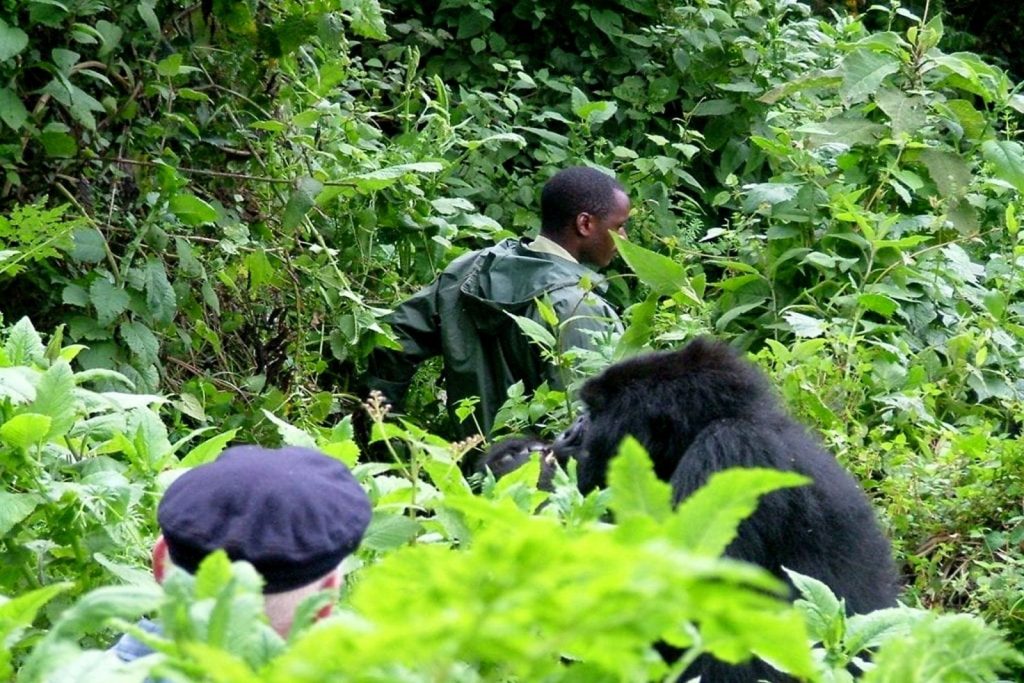
Gorilla trekking involves hiking through dense forests, steep hills, and sometimes muddy, slippery trails. The trek can last anywhere from 30 minutes to several hours, depending on the gorillas’ location.
Risk: Fatigue, muscle strains, or falls.
Solution: Physical preparation is key. Regular cardio and strength training before your trip will help. Wear sturdy hiking boots, use walking sticks provided by guides, and pace yourself.
2. Wildlife Encounters: Are Gorillas Dangerous?
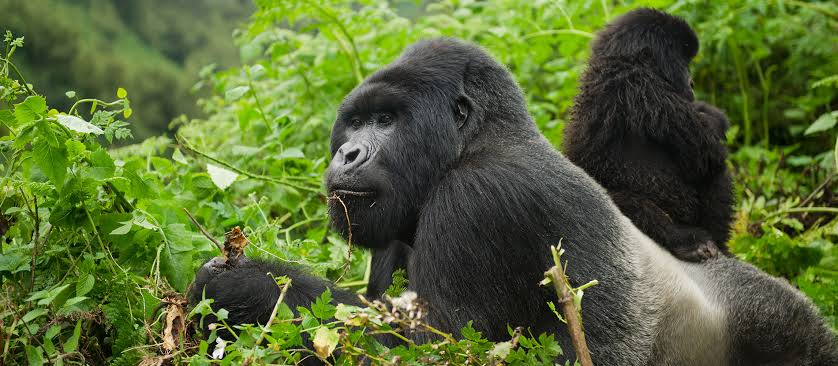
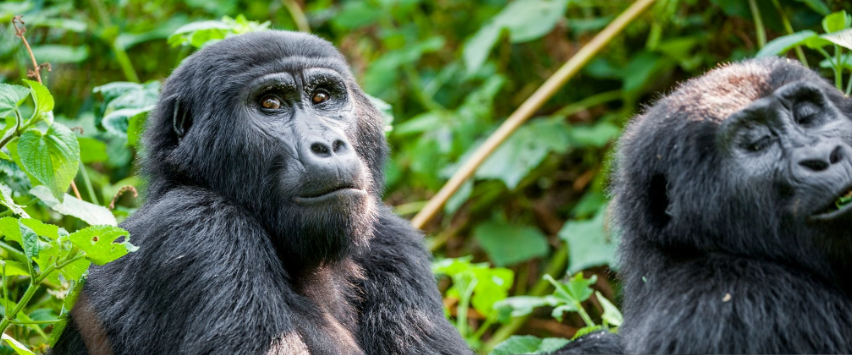
Mountain gorillas are gentle giants, but they are still wild animals weighing up to 400 pounds. They are protective of their families and can become aggressive if threatened.
Risk: Gorillas may charge or display dominance if they feel provoked.
Solution: Follow strict guidelines:
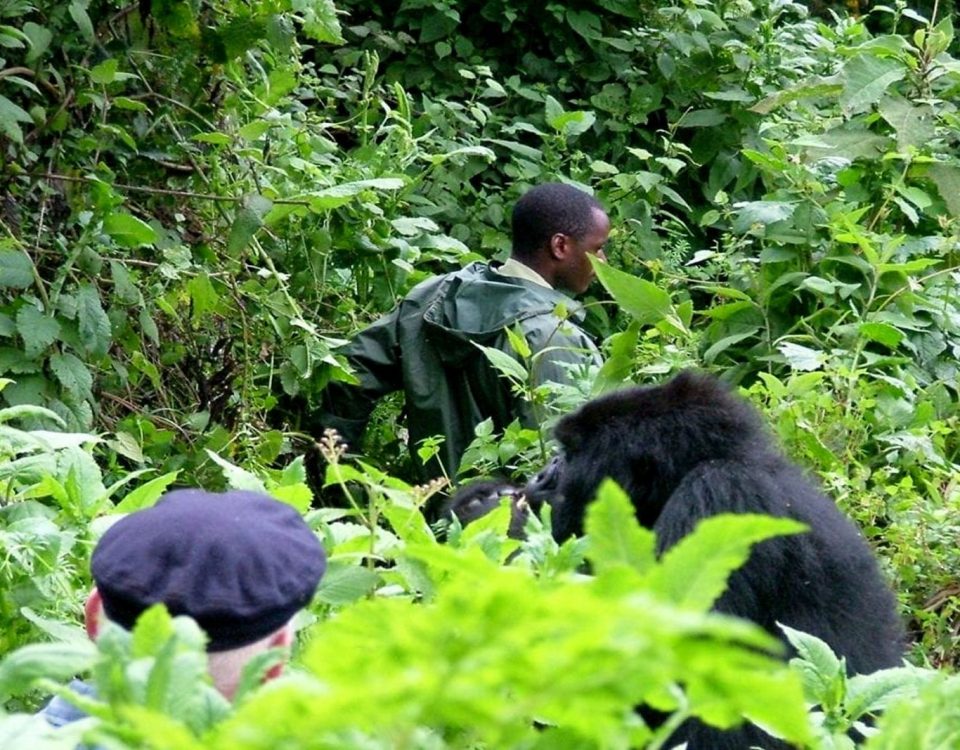
Maintain a 7-meter (21-foot) distance.
Avoid direct eye contact (seen as a challenge).
Stay quiet and move slowly.
If a gorilla charges, crouch down and avoid running.
Remarkably, gorilla attacks on humans are extremely rare. Their curious nature might bring them closer, but trained guides know how to read their behavior and keep trekkers safe.
3. Health Concerns: Diseases and Altitude Sickness
Gorillas share about 98% of human DNA, making them susceptible to human diseases-and vice versa. Additionally, trekking in high-altitude regions like Rwanda’s Volcanoes National Park or Uganda’s Bwindi Impenetrable Forest can affect some travelers.
Risk: Transmission of illnesses (like flu or COVID-19) or altitude sickness.
Solution:
Wear a mask if required (to protect gorillas).
Get necessary vaccinations before traveling.
Acclimatize a day or two before trekking if prone to altitude sickness.
4. Remote Locations: Access to Medical Help
Gorilla habitats are in remote areas with limited medical facilities.
Risk: Injuries or illnesses may require emergency evacuation.
Solution:
Choose reputable tour operators with emergency protocols.
Travel insurance covering medical evacuation is a must.
The Rewards Outweigh the Risks
Now that we’ve addressed the question, “Is gorilla trekking dangerous?”, let’s shift focus to why this experience is worth every challenge.
1. A Once-in-a-Lifetime Connection with Nature
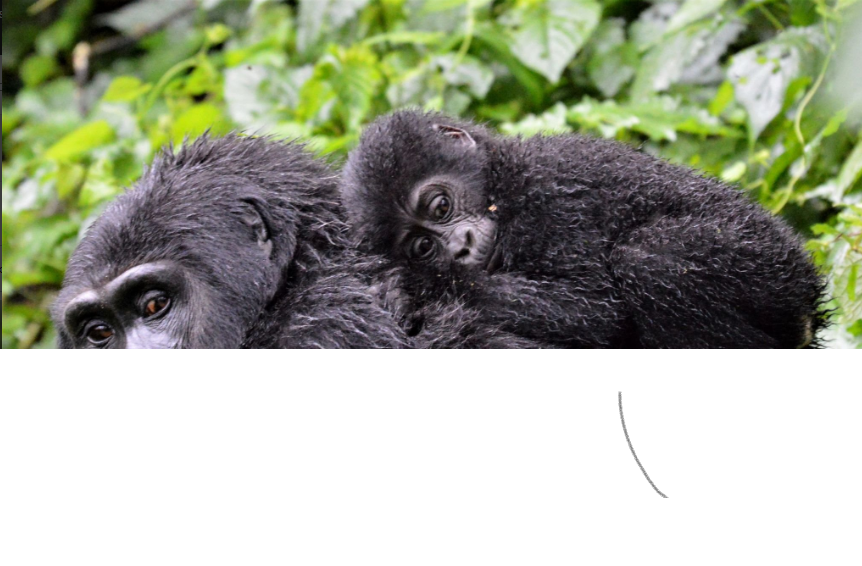
Few experiences compare to locking eyes with a silverback gorilla or watching a mother groom her baby just meters away. The intelligence, emotion, and sheer presence of these creatures leave trekkers in awe.
2. Conservation Impact
Your permit fee (often
700
?
700?1500) directly funds gorilla conservation, anti-poaching efforts, and community development. By trekking responsibly, you contribute to their survival.
3. Personal Growth and Resilience
Pushing through physical challenges, overcoming fears, and immersing yourself in the wild builds resilience. Many trekkers describe gorilla encounters as profoundly humbling and transformative.
How to Trek Safely: Minimizing the Dangers
Adventure always carries some risk, but smart choices make gorilla trekking safer:
Book with Licensed Operators – Ensure guides are experienced and follow safety protocols.
Follow Ranger Instructions – They know gorilla behavior best.
Pack Smart – Waterproof gear, insect repellent, and a first-aid kit are essential.
Respect the Rules – No flash photography, loud noises, or littering.
Embrace the Adventure
So, is gorilla trekking dangerous? It can be, if approached recklessly. But with preparation, respect for wildlife, and a spirit of adventure, it becomes one of the safest and most rewarding wildlife encounters on Earth.
The mountains may be steep, the path unpredictable, and the gorillas powerful-but that’s what makes the journey unforgettable. Life’s greatest rewards often lie just beyond our comfort zones. Will you take the step into the wild?
“In the end, we only regret the chances we didn’t take.” – Let gorilla trekking be a chance you embrace wholeheartedly.
Everything You Need to Know About Mountain Gorillas
The mountain gorilla (Gorilla beringei beringei) is one of the world’s most endangered great apes and one of its most magnificent wildlife spectacles. With fewer than 1,063 individuals remaining in the wild, every encounter with a habituated gorilla family is a rare and deeply moving privilege.
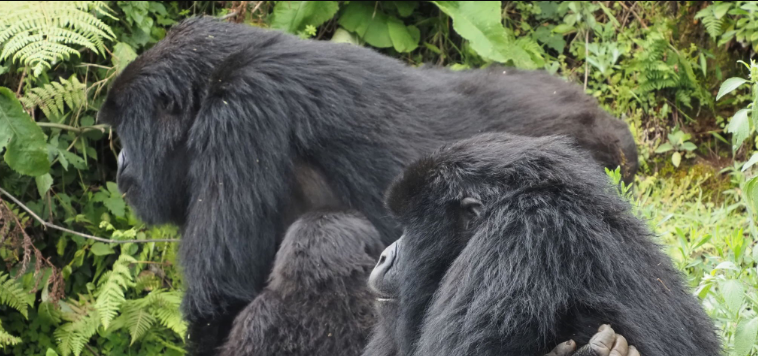
Mountain gorillas live in family groups of 5-30 individuals, led by a dominant silverback male. Gorillas are primarily herbivores, feeding on leaves, stems, bark, roots and fruits – a silverback can consume up to 34kg of vegetation per day. At dusk each individual builds a fresh sleeping nest from bent vegetation.
Where to See Mountain Gorillas
Mountain gorillas can only be seen in the wild – they do not survive in captivity. They exist in two populations:
- Bwindi Impenetrable Forest, Uganda: The largest gorilla population, home to over 400 individuals across 19 habituated families. Four trekking sectors: Buhoma, Ruhija, Rushaga, and Nkuringo.
- Virunga Massif: Shared between Uganda (Mgahinga), Rwanda (Volcanoes National Park), and the DRC (Virunga National Park). Home to around 600 gorillas across the six volcanic mountains.
Gorilla Trekking Permits – Uganda vs Rwanda
Both Uganda and Rwanda offer outstanding gorilla trekking experiences with important differences:
- Uganda (USD 800): More affordable permit. Greater number of habituated families and sectors. Bwindi terrain is more challenging but offers more choice. Also offers the Gorilla Habituation Experience (USD 1,500).
- Rwanda (USD 1,500): Higher permit cost but closer to Kigali airport (2.5 hours). More developed luxury lodge sector. Smaller park but highly managed experience with reliable gorilla sightings.
Recommended Tours: 4 Days Bwindi Gorilla Trekking Safari | 4 Days Rwanda Gorilla Trekking Safari