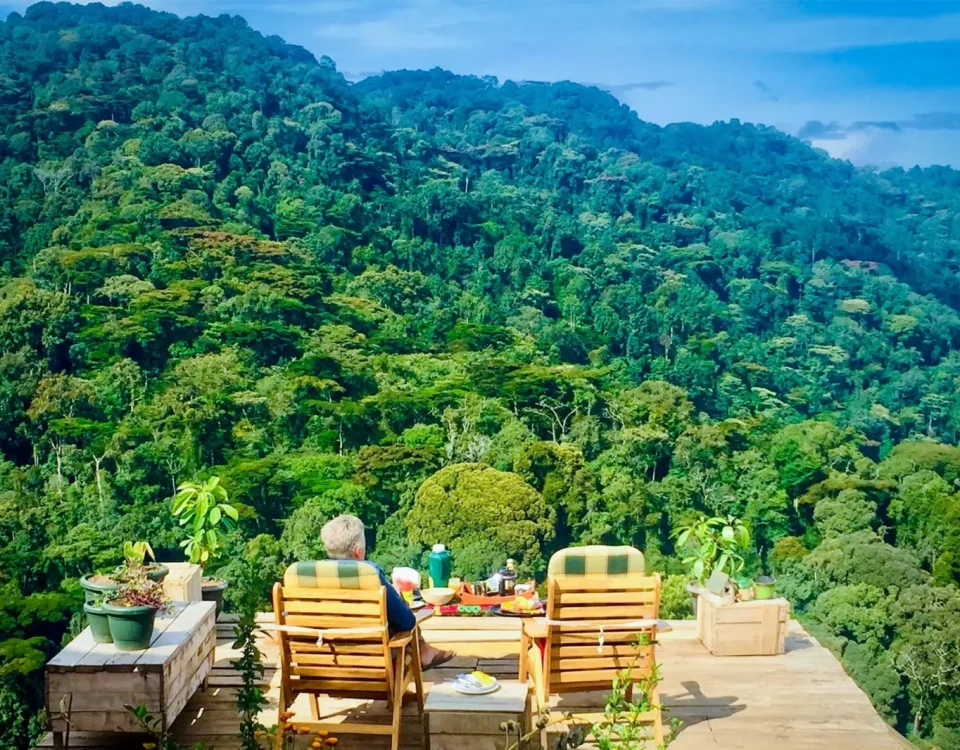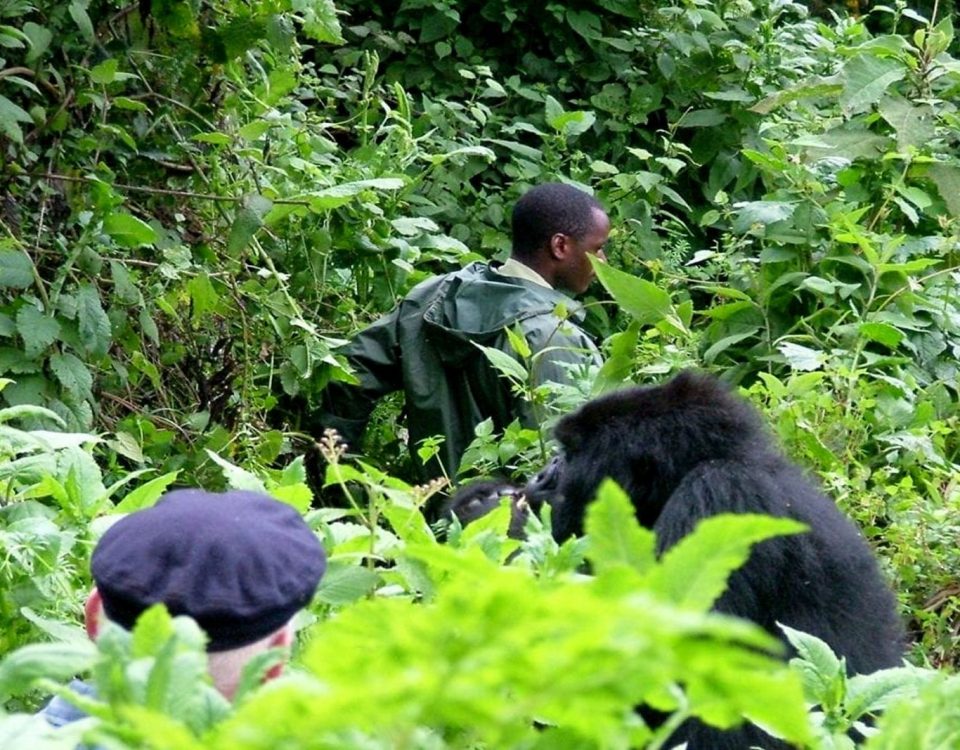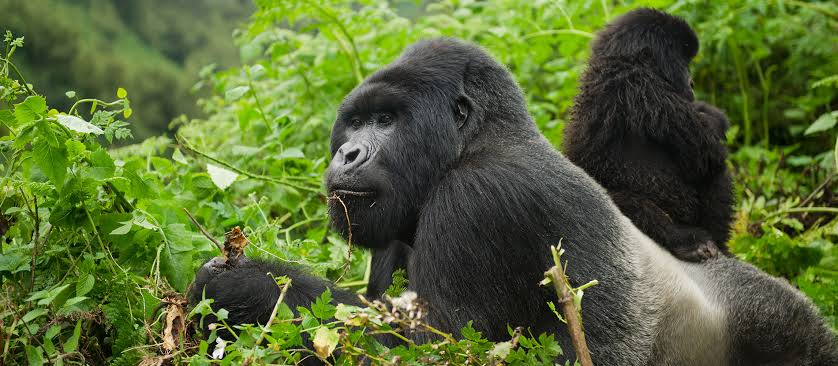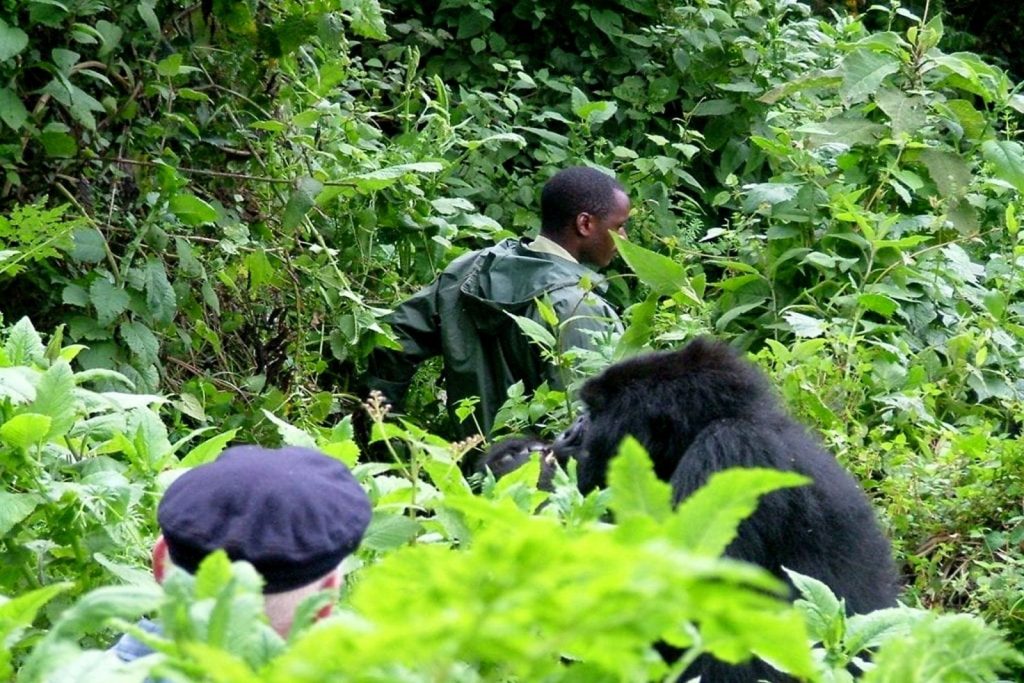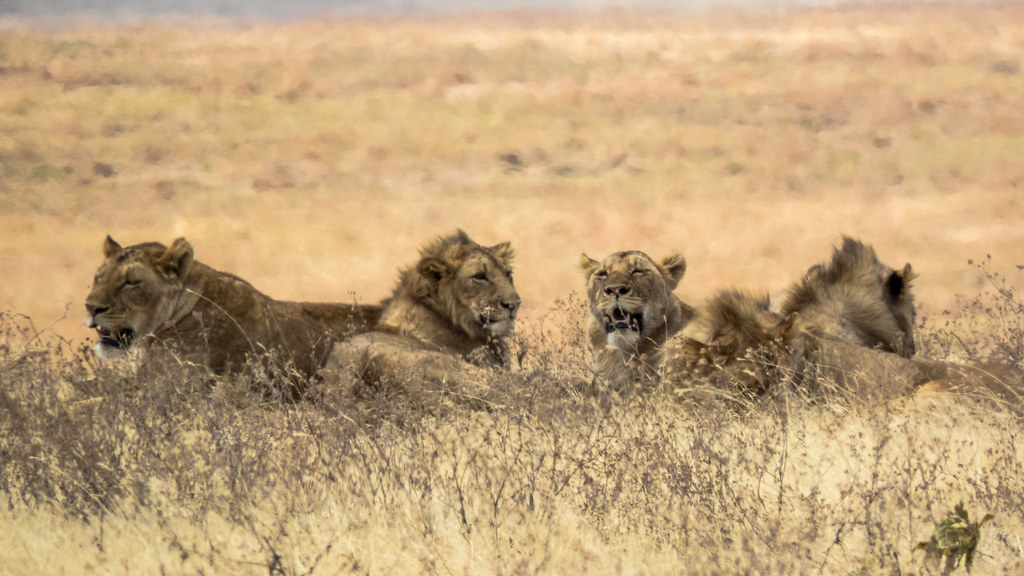
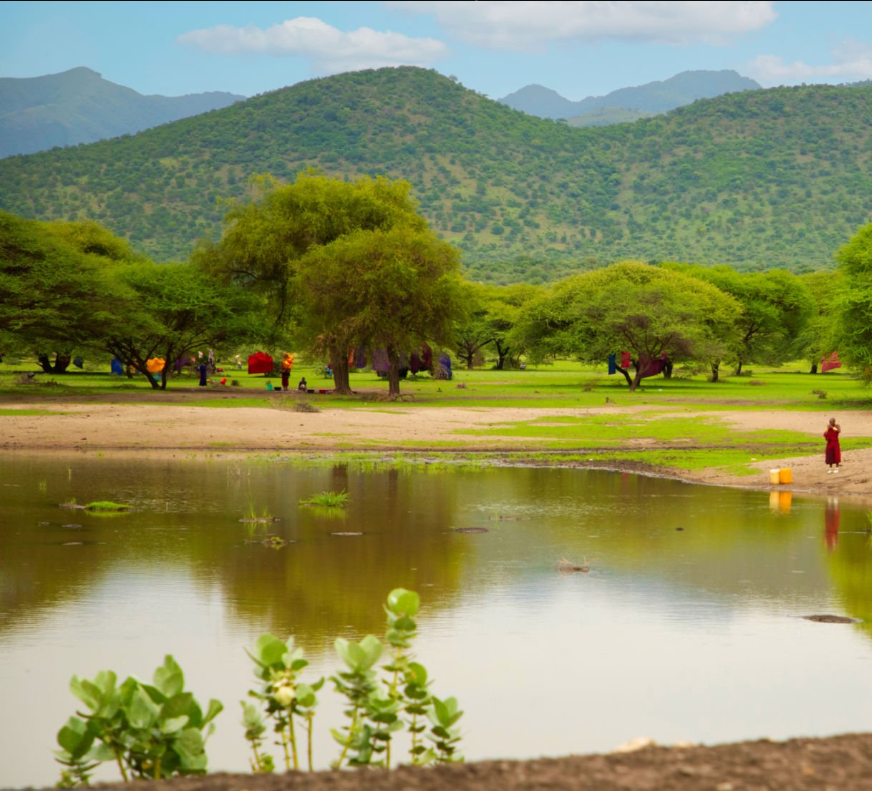
To protect these endangered creatures and their environment, strict rules are in place—many of which involve understanding what’s banned during gorilla trekking. At first glance, these restrictions might seem like limitations, but they are, in fact, profound lessons in respect, conservation, and mindfulness. By examining what’s banned during gorilla trekking, we uncover deeper truths about our relationship with nature, the importance of discipline, and how small sacrifices can lead to meaningful impact.
The Sacred Rules: What’s Banned During Gorilla Trekking
Before embarking on a gorilla trek, every visitor is briefed on the dos and don’ts. These rules are not mere formalities—they are lifelines for gorilla survival. Here’s a breakdown of key prohibitions and the wisdom behind them:
1. No Touching the Gorillas
One of the most critical rules is maintaining a safe distance (at least 7 meters) and never touching the gorillas. While it might be tempting to reach out, human touch can transmit diseases like the common cold, which can be fatal to gorillas due to their similar DNA.
Inspirational Lesson: Respect boundaries. Just as in human relationships, understanding and honoring personal space fosters trust and harmony. Gorillas teach us that love and admiration don’t always require physical contact—sometimes, the deepest connections are built on silent understanding.
2. No Flash Photography
Bright flashes can startle gorillas and disrupt their natural behavior. Cameras must be set to silent mode, and flash is strictly prohibited.
Inspirational Lesson: True beauty is best observed without disturbance. In life, we often try to force moments—capturing them aggressively instead of letting them unfold naturally. Gorilla trekking reminds us to appreciate life’s wonders without altering them.
3. No Eating or Drinking Near Gorillas
Food and drinks are banned during the encounter to prevent littering and avoid attracting gorillas to human food, which can harm their health and alter their natural diet.
Inspirational Lesson: Self-discipline leads to greater rewards. Delaying gratification—whether it’s a snack or an impulsive desire—ensures that we don’t compromise what truly matters.
4. No Loud Talking or Sudden Movements
Gorillas are sensitive to noise and sudden actions. Visitors must speak in whispers and move calmly to avoid causing stress.
Inspirational Lesson: Peace is found in stillness. In a world filled with noise and haste, gorillas remind us that gentleness and patience create deeper, more meaningful interactions.
5. No Visiting If You’re Sick
Even a minor illness can be deadly to gorillas. Anyone with a contagious sickness is barred from trekking.
Inspirational Lesson: Sometimes, the most responsible choice is stepping back. Putting others’ well-being before our own desires is the hallmark of true compassion.
6. No Littering
Nothing should be left behind—no wrappers, bottles, or any waste. Gorillas may ingest foreign objects, leading to injury or death.
Inspirational Lesson: Leave no trace. Our actions, no matter how small, have lasting consequences. Living mindfully ensures we protect the world for future generations.
7. No Direct Eye Contact (For Too Long)
In gorilla culture, prolonged eye contact can be seen as a challenge or threat. Visitors are advised to glance softly and look away periodically.
Inspirational Lesson: Humility and deference create harmony. Dominance and aggression are not the only ways to engage—sometimes, quiet respect fosters deeper bonds.
The Deeper Meaning Behind the Bans
Understanding what’s banned during gorilla trekking isn’t just about following rules—it’s about embracing a philosophy of coexistence. These guidelines reflect a profound truth: humans are not conquerors of nature but its custodians.
Conservation as a Way of Life
Gorilla populations have rebounded in recent years due to strict conservation efforts. By adhering to these bans, trekkers contribute to a legacy of preservation.
Inspirational Takeaway: Small, consistent actions lead to monumental change. Every rule followed is a step toward ensuring gorillas thrive for generations.
Mindfulness in the Wild
Gorilla trekking forces us to slow down, observe, and adapt. In a world addicted to speed and control, this experience teaches surrender—to nature’s pace, to silence, to humility.
Inspirational Takeaway: The greatest adventures require patience. Success, whether in trekking or life, comes not from force but from alignment with natural rhythms.
The Power of Sacrifice
Giving up the desire to touch, feed, or dominate gorillas is a sacrifice—but one that ensures their survival.
Inspirational Takeaway: True love is selfless. Protecting what we cherish sometimes means letting go of our own desires.
How These Lessons Apply Beyond the Forest
The principles behind what’s banned during gorilla trekking extend far beyond the jungle. They are metaphors for living intentionally:
-
Respect Boundaries – In relationships, business, and personal growth, honoring limits fosters trust.
-
Move with Purpose – Rash actions lead to chaos; deliberate movements create impact.
-
Protect What Matters – Whether it’s nature, health, or relationships, preservation requires discipline.
-
Silence Speaks Volumes – Sometimes, the most powerful communication is wordless.
A Call to Conscious Living
Gorilla trekking is more than an adventure—it’s a masterclass in ethical living. By examining what’s banned during gorilla trekking, we uncover a blueprint for a more respectful, mindful, and impactful existence.
The next time you face a restriction—whether in nature, work, or personal life—ask yourself: Is this rule a barrier or a bridge? Often, what seems like a limitation is actually a guiding light toward deeper connection and greater purpose.
Let the wisdom of the gorillas inspire you. Protect what you love. Move gently. Leave no trace. And remember: the greatest journeys are those walked with reverence.
Everything You Need to Know About Mountain Gorillas
The mountain gorilla (Gorilla beringei beringei) is one of the world’s most endangered great apes and one of its most magnificent wildlife spectacles. With fewer than 1,063 individuals remaining in the wild, every encounter with a habituated gorilla family is a rare and deeply moving privilege.
Mountain gorillas live in family groups of 5–30 individuals, led by a dominant silverback male. Gorillas are primarily herbivores, feeding on leaves, stems, bark, roots and fruits — a silverback can consume up to 34kg of vegetation per day. At dusk each individual builds a fresh sleeping nest from bent vegetation.
Where to See Mountain Gorillas
Mountain gorillas can only be seen in the wild — they do not survive in captivity. They exist in two populations:
- Bwindi Impenetrable Forest, Uganda: The largest gorilla population, home to over 400 individuals across 19 habituated families. Four trekking sectors: Buhoma, Ruhija, Rushaga, and Nkuringo.
- Virunga Massif: Shared between Uganda (Mgahinga), Rwanda (Volcanoes National Park), and the DRC (Virunga National Park). Home to around 600 gorillas across the six volcanic mountains.
Gorilla Trekking Permits — Uganda vs Rwanda
Both Uganda and Rwanda offer outstanding gorilla trekking experiences with important differences:
- Uganda (USD 800): More affordable permit. Greater number of habituated families and sectors. Bwindi terrain is more challenging but offers more choice. Also offers the Gorilla Habituation Experience (USD 1,500).
- Rwanda (USD 1,500): Higher permit cost but closer to Kigali airport (2.5 hours). More developed luxury lodge sector. Smaller park but highly managed experience with reliable gorilla sightings.
Recommended Tours: 4 Days Bwindi Gorilla Trekking Safari | 4 Days Rwanda Gorilla Trekking Safari