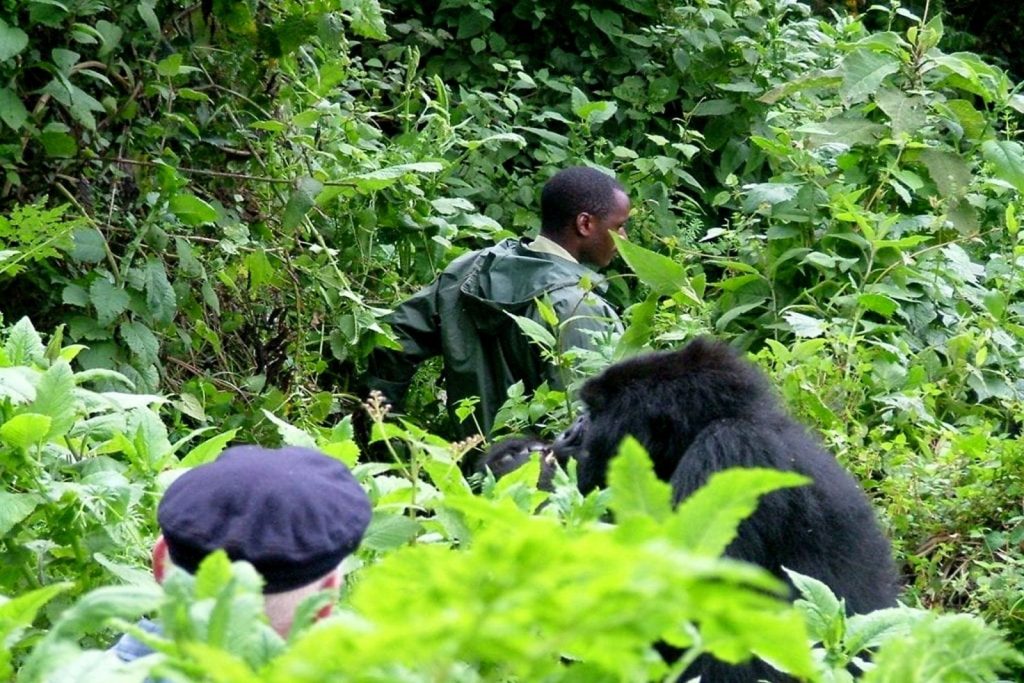
Gorilla trekking is a once-in-a-lifetime experience that allows adventurers to come face-to-face with majestic mountain gorillas in their natural habitat. However, many travelers are often taken aback by the high cost associated with this activity. The question, “Why is gorilla trekking expensive?” is common, and the answer lies in a combination of conservation efforts, limited accessibility, strict regulations, and the overall value of this extraordinary encounter.
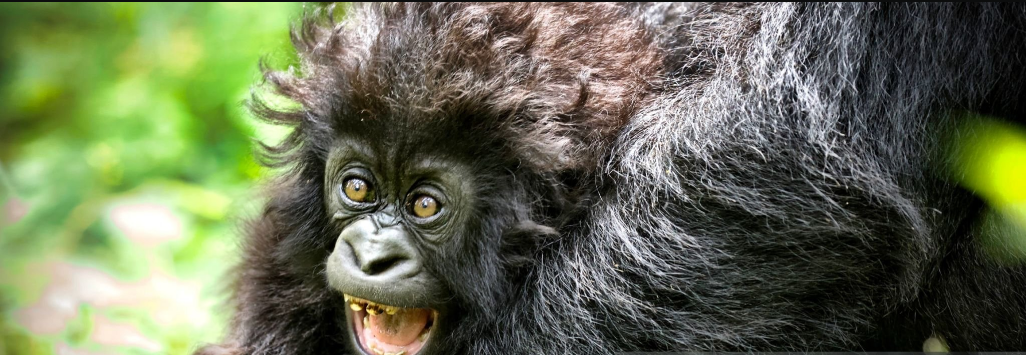
In this article, we will explore the reasons behind the high cost of gorilla trekking, shedding light on why it is worth every penny. From the rigorous conservation measures to the economic benefits for local communities, understanding these factors will help you appreciate why this experience is priced the way it is—and why it remains one of the most sought-after wildlife adventures in the world.
1. Conservation Efforts: Protecting an Endangered Species
One of the primary reasons why gorilla trekking is expensive is the significant investment in conservation. Mountain gorillas are critically endangered, with only about 1,000 individuals remaining in the wild, primarily in Uganda, Rwanda, and the Democratic Republic of Congo (DRC). The fees collected from gorilla trekking permits directly fund:
-
Anti-poaching patrols – Rangers work tirelessly to protect gorillas from illegal hunting and habitat destruction.
-
Veterinary care – Wildlife veterinarians monitor gorilla health, treating illnesses and injuries.
-
Habitat preservation – Reforestation and land protection initiatives ensure gorillas have a safe environment.
Without these funds, the survival of mountain gorillas would be at greater risk. The high cost of permits ensures that conservation programs remain sustainable, allowing future generations to witness these incredible creatures.
2. Limited Permits and High Demand
Another reason why gorilla trekking is expensive is the strict limit on the number of daily permits issued. To minimize human impact on gorilla families, governments enforce a cap on visitors:
-
Uganda (Bwindi & Mgahinga) – 160 permits per day
-
Rwanda (Volcanoes National Park) – 96 permits per day
-
DRC (Virunga National Park) – 72 permits per day
With such limited availability and high global demand, permits are priced accordingly. This exclusivity ensures that gorilla families are not overexposed to human presence, reducing stress and the risk of disease transmission.
3. The Cost of Maintaining National Parks
Gorilla trekking takes place in remote, protected national parks that require substantial funding to maintain. The permit fees contribute to:
-
Park infrastructure – Trail maintenance, ranger stations, and visitor facilities.
-
Security – Armed rangers protect both tourists and gorillas from potential threats.
-
Research programs – Scientists study gorilla behavior to improve conservation strategies.
Without these investments, trekking conditions would deteriorate, and the safety of both gorillas and tourists would be compromised.
4. Supporting Local Communities
A portion of gorilla trekking permit fees is allocated to community development projects. This ensures that local populations benefit from wildlife tourism, fostering a sense of ownership and reducing human-wildlife conflicts. Initiatives funded by trekking permits include:
-
Education programs – Building schools and providing scholarships for children.
-
Healthcare facilities – Improving access to medical care in remote villages.
-
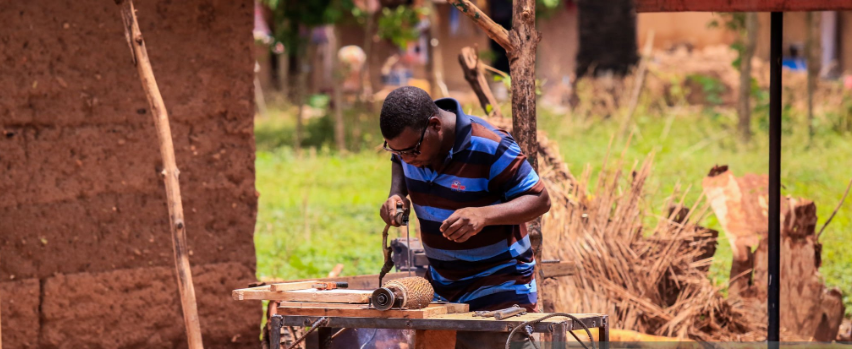
Sustainable livelihoods – Training locals in eco-tourism and handicraft production.
When you pay for a gorilla trekking permit, you’re not just funding conservation—you’re helping uplift entire communities.
5. The Logistics of Gorilla Trekking
The journey to see mountain gorillas is not easy. The cost of permits also covers the logistical challenges involved, such as:
-
Expert guides and trackers – Highly trained professionals lead treks, ensuring safety and increasing the chances of sightings.
-
Physical demands – Treks can last several hours through dense, steep terrain, requiring fitness and preparation.
-
Limited accessibility – Remote locations mean higher transportation and accommodation costs.
These factors contribute to the overall expense, ensuring a well-organized and safe experience for all visitors.
6. The Unmatched Value of the Experience
Despite the high cost, gorilla trekking offers an unparalleled wildlife encounter. Unlike zoo visits or safari drives, standing just meters away from wild gorillas in their natural habitat is a profound and emotional experience. The memories created are priceless, making the expense justifiable for many travelers.
Why Gorilla Trekking is Worth the Cost
So, why is gorilla trekking expensive? The answer is clear: the fees support critical conservation efforts, protect an endangered species, maintain national parks, uplift local communities, and ensure a safe, unforgettable experience.
While the cost may seem steep, the impact of your contribution extends far beyond your adventure. By choosing to go gorilla trekking, you become a part of a global effort to preserve these magnificent creatures for future generations.
If you’re considering this journey, remember—you’re not just buying a permit; you’re investing in the survival of mountain gorillas and the well-being of the people who coexist with them. And that, in itself, is priceless.
Gorilla trekking is more than just a tourist activity—it’s a conservation mission. The next time someone asks, “Why is gorilla trekking expensive?” you’ll know the answer lies in the profound value of protecting one of nature’s most incredible species.
Would you embark on this life-changing adventure? The gorillas are waiting.
Gorilla Trekking in the Democratic Republic of Congo
The Democratic Republic of Congo (DRC) is home to two gorilla species found nowhere else together: mountain gorillas in Virunga National Park and eastern lowland gorillas (Grauer’s gorillas, Gorilla beringei graueri) in Kahuzi-Biega National Park. Both are UNESCO World Heritage Sites.
Virunga National Park — Africa’s oldest national park, established in 1925 — covers 7,900 km² of remarkable ecological diversity, from the volcanic peaks of the Virunga Massif to the glaciers of the Rwenzori Mountains and the tropical lowland forests of the Congo Basin. The park is also home to hippos, elephants, okapis, and the entire cast of Congo rainforest wildlife.
Eastern Lowland Gorillas — A Unique Encounter
The eastern lowland gorilla (Grauer’s gorilla) is the world’s largest subspecies of gorilla, with silverbacks weighing up to 220kg. Found only in the DRC, Grauer’s gorillas are considerably rarer than mountain gorillas — their population has declined by more than 70% since the 1990s due to conflict, habitat loss, and poaching. Kahuzi-Biega National Park in South Kivu offers the only reliable trekking experience with habituated Grauer’s gorilla families.
A gorilla permit in the DRC costs USD 400 per person — significantly cheaper than Rwanda (USD 1,500) or Uganda (USD 800). The experience is raw, off-the-beaten-track, and unforgettable for travellers seeking something genuinely uncommon.
Practical Information for DRC Gorilla Trekking
Getting to Virunga and Kahuzi-Biega
The most common entry point to eastern DRC is via Kigali, Rwanda. Goma — the gateway to Virunga National Park — is just 80km from Kigali. Direct flights from Nairobi and Kampala also serve Goma. Bukavu (gateway to Kahuzi-Biega) is accessible from Goma by road (3–4 hours) or by light aircraft.
Is it safe to trek gorillas in the DRC?
Security in eastern DRC is complex and fluctuates. Virunga National Park and Kahuzi-Biega have experienced periods of closure due to armed group activity. Always check current security conditions with your tour operator and your government’s travel advisory before planning a DRC gorilla trek. Reputable operators with established local security networks are essential.
Recommended Tours: 8 Days Congo Gorillas & Nyiragongo Safari | 5 Days Lowland Gorilla Safari Congo