Have you ever wondered why some people seem to effortlessly maintain good habits—like exercising daily, reading regularly, or eating healthy—while others struggle to stick to them? The answer lies in a powerful psychological process called habituation. Understanding how does habituation work can unlock the secret to making positive behaviors automatic, freeing you from the constant battle of willpower.
In this article, we’ll explore the science behind habituation, how it shapes our daily lives, and practical strategies to harness its power. Whether you want to build better habits, break bad ones, or simply understand your brain better, this guide will inspire you to take control of your actions and transform your life.
What Is Habituation?
Habituation is a form of learning where the brain stops responding to a repeated stimulus over time. It’s why you no longer notice the hum of your refrigerator after living with it for a while, or why the thrill of a new car eventually fades. But beyond sensory adaptation, habituation plays a crucial role in habit formation.
When you repeat an action consistently, your brain begins to automate it, reducing the mental effort required. This is how does habituation work in habit-building—it turns deliberate actions into unconscious routines.
The Neuroscience of Habituation
Our brains are wired for efficiency. The more we perform a behavior, the stronger the neural pathways associated with it become. This process involves:
-
The Basal Ganglia – This brain region is responsible for habit formation. It takes over repetitive actions, allowing the prefrontal cortex (the decision-making part) to focus on new tasks.
-
Dopamine Reinforcement – When a behavior provides a reward (like satisfaction after a workout), dopamine reinforces the habit loop, making repetition more likely.
-
Synaptic Pruning – Unused neural connections weaken, while frequently used ones strengthen, making habitual actions faster and more automatic.
Understanding how does habituation work at a neurological level helps us see why consistency—not motivation—is the key to lasting change.
The Habituation Loop: Cue, Routine, Reward
Charles Duhigg, in The Power of Habit, explains that habits follow a three-step loop:
-
Cue – A trigger that initiates the behavior (e.g., feeling stressed).
-
Routine – The habitual action (e.g., eating junk food).
-
Reward – The positive reinforcement (e.g., temporary comfort).
To build good habits, we must manipulate this loop. By consistently pairing a cue with a new routine and reward, we can rewire our brains through habituation.
How to Make Habituation Work for You

Now that we understand how does habituation work, let’s explore practical ways to apply it:
1. Start Small and Be Consistent
The brain resists drastic changes. Instead of committing to an hour at the gym, start with 10 minutes daily. Repetition, not intensity, drives habituation.
2. Use Environmental Triggers
Place cues in your environment to prompt action. Want to read more? Leave a book on your pillow. Want to drink more water? Keep a bottle on your desk.
3. Stack Habits
Link a new habit to an existing one (a technique called “habit stacking”). For example:
-
After I brush my teeth, I will meditate for 2 minutes.
-
Before breakfast, I will write one gratitude note.
4. Reward Yourself
Dopamine reinforces habits. Celebrate small wins—whether it’s a mental pat on the back or a tangible reward—to strengthen the habit loop.
5. Be Patient
Research suggests it takes an average of 66 days for a habit to become automatic. Trust the process and keep going.
Breaking Bad Habits Through Reverse Habituation
Just as how does habituation work to build good habits, it can also help eliminate bad ones. To break a habit:
-
Identify the Cue and Reward – What triggers the habit? What need does it fulfill?
-
Replace the Routine – Swap the negative action with a positive one that delivers the same reward.
-
Repeat the New Behavior – Over time, the brain will habituate to the healthier alternative.
For example, if stress triggers smoking, replace cigarettes with deep breathing exercises. Eventually, the new response becomes automatic.
The Power of Habituation in Personal Growth
Beyond habits, habituation influences our emotions and perceptions. Here’s how:
1. Overcoming Fear
Exposure therapy uses habituation to reduce phobias. Repeated, controlled exposure to a fear (like public speaking) diminishes its emotional impact.
2. Cultivating Gratitude
When we habituate to blessings, we take them for granted. Combat this by practicing daily gratitude—forcing the brain to re-appreciate positives.
3. Enhancing Focus
Distractions lose their power when we habituate to deep work. By consistently resisting interruptions, we train our brains to stay engaged.
Inspiring Examples of Habituation in Action
1. The Writer’s Ritual
Stephen King writes 2,000 words daily, rain or shine. His brain has habituated to the routine, making creativity flow effortlessly.
2. The Athlete’s Discipline
Serena Williams didn’t rely on motivation to become a champion. She habituated rigorous training until excellence became second nature.
3. The Zen Monk’s Mindfulness
Monks habituate meditation, rewiring their brains for calmness. What seems difficult at first becomes effortless with repetition.
Embrace the Process
Understanding how does habituation work empowers us to design our lives intentionally. Habits are not about willpower—they’re about repetition and brain science. Every action you repeat is a vote for the person you want to become.
So start today. Pick one small habit, apply the principles of habituation, and trust the process. In time, you’ll look back and marvel at how automatic your best behaviors have become.
As Aristotle famously said, “We are what we repeatedly do. Excellence, then, is not an act, but a habit.”
Now, go make habituation work for you. Your future self will thank you.
East Africa Safari — Essential Travel Information
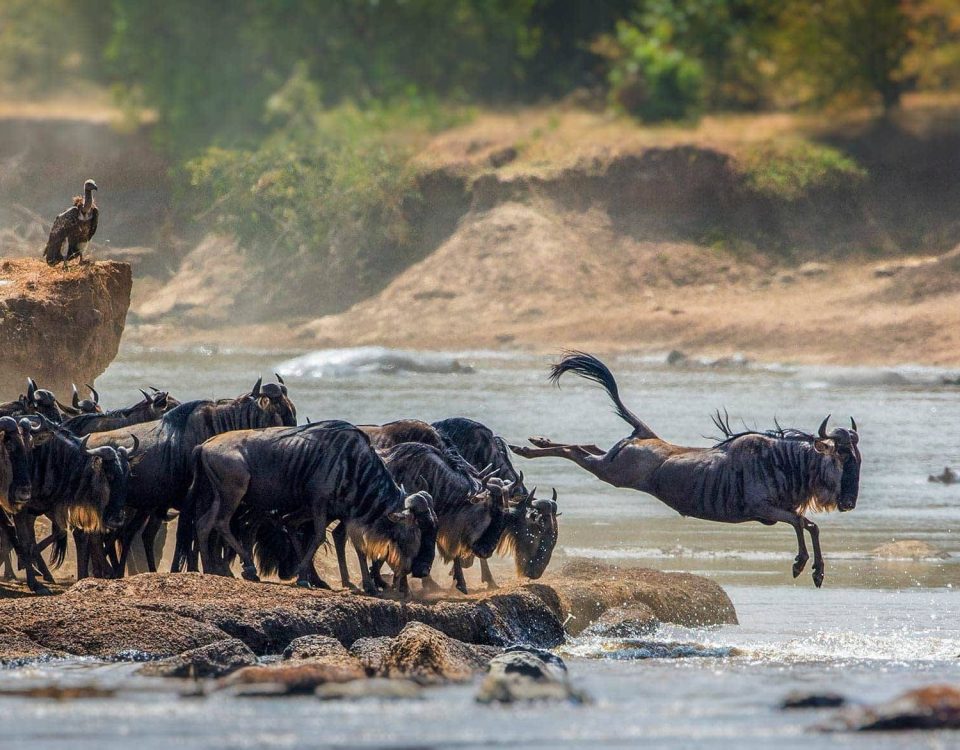
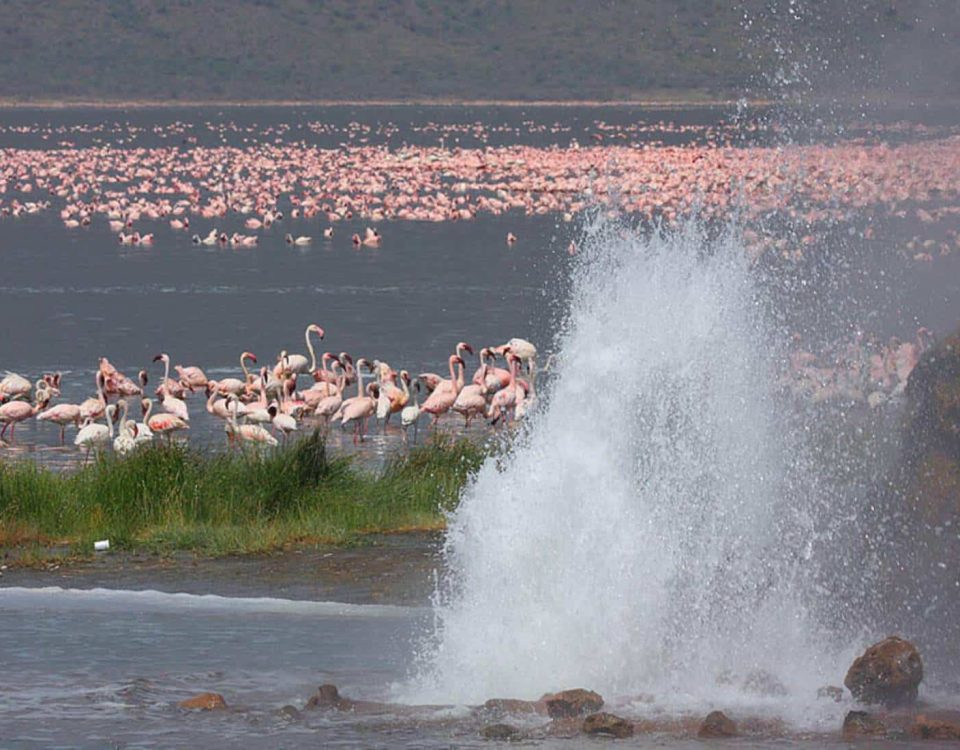
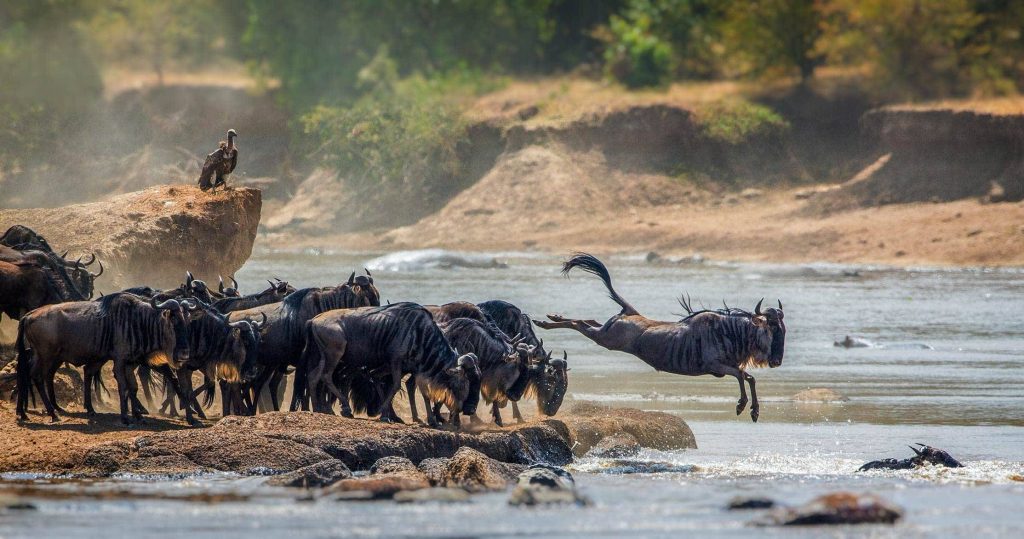
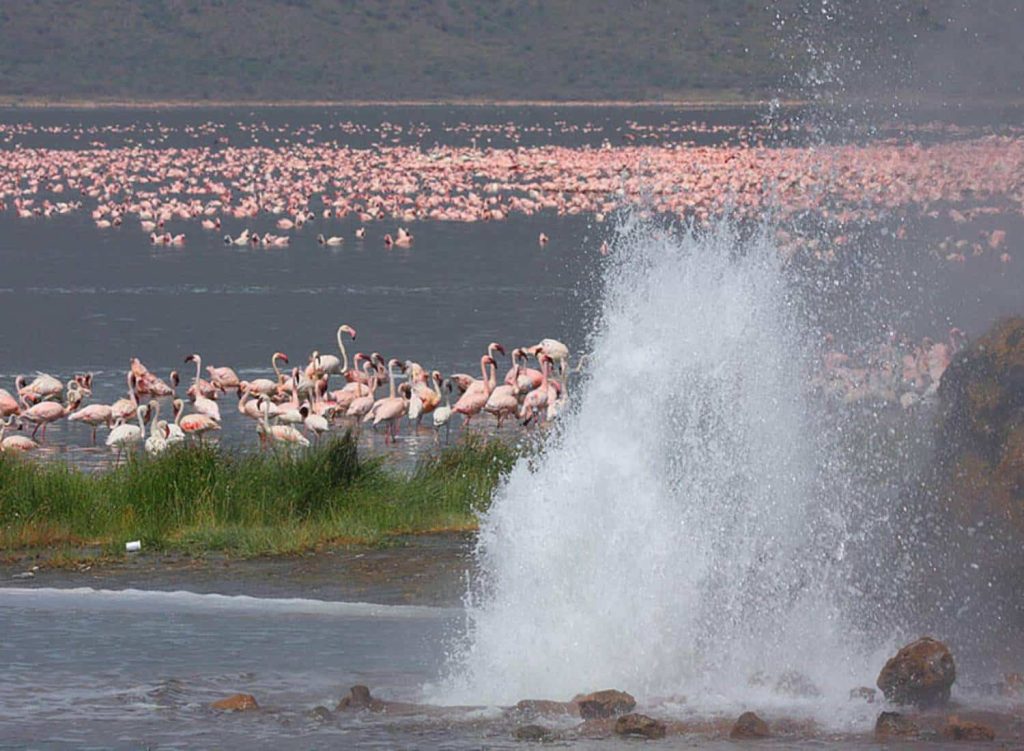
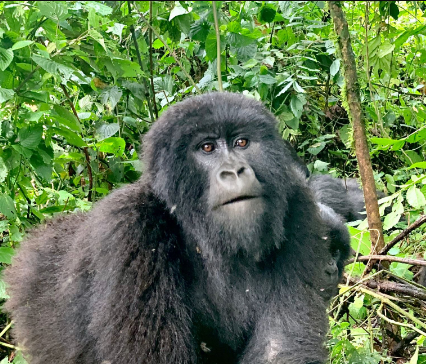
East Africa encompasses some of the world’s most iconic wildlife destinations. Uganda, Rwanda, Kenya, and Tanzania form the heart of the safari region, each offering distinct landscapes, wildlife, and travel experiences. Whether you’re seeking mountain gorillas in misty rainforests, the spectacular wildebeest migration across the Serengeti, or the intimate Big Five encounters of the Masai Mara, East Africa delivers an unparalleled variety of wildlife experiences within a relatively compact geographic region.
The region’s safari infrastructure is mature and well-developed, with a wide range of accommodation from budget campsites to ultra-luxury tented lodges. International air connections serve multiple gateway airports including Nairobi’s JKIA, Entebbe (Uganda), Kigali (Rwanda), Kilimanjaro International (Tanzania), and Julius Nyerere International (Dar es Salaam), giving visitors flexibility in designing multi-country itineraries.
East Africa Safari Planning Tips
- Best time to visit: The dry seasons — June to October and December to February — offer the best wildlife viewing across most of East Africa. The Masai Mara migration peaks in July–October. Gorilla trekking is year-round but June–September is most popular.
- Book early: Gorilla permits (Uganda and Rwanda), popular migration camps in the Serengeti and Masai Mara, and Kilimanjaro climb slots all have limited capacity. Book 6–12 months ahead for peak season.
- Combine countries: East Africa’s geography makes multi-country itineraries practical and rewarding. A classic 10-day circuit might combine Uganda gorillas + Queen Elizabeth wildlife + Rwanda gorillas. A 14-day trip adds the Serengeti and Masai Mara.
- Health preparation: Yellow fever vaccination is required for Uganda and Rwanda and recommended elsewhere in the region. Malaria prophylaxis is essential below 2,500m. Comprehensive travel insurance including medical evacuation coverage is non-negotiable.
- Currency: The US dollar is the de facto currency in most safari operations. Carry clean, undamaged USD bills printed after 2009 — older notes are routinely refused. Each country has its own local currency for smaller purchases.
Recommended Tours: 4 Days Bwindi Gorilla Trekking Safari | 8 Days Kenya Wildlife Safari