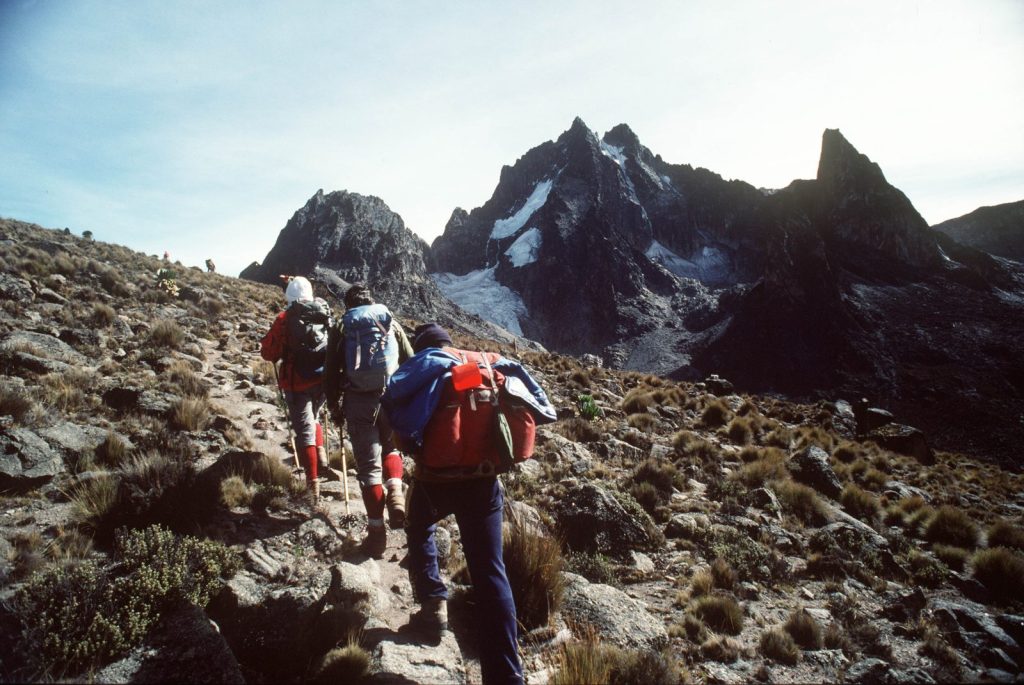
Altitude sickness, also known as acute mountain sickness (AMS), is a common challenge faced by adventurers, hikers, and travelers exploring high-altitude destinations. Whether you’re trekking to Machu Picchu, summiting Kilimanjaro, or skiing in the Rockies, knowing how to avoid altitude sickness can mean the difference between an unforgettable journey and a dangerous ordeal.
This guide will not only teach you the science-backed strategies to avoid altitude sickness but also inspire you to embrace high-altitude adventures with confidence and resilience.
Understanding Altitude Sickness: Why It Happens
Before learning how to avoid altitude sickness, it’s essential to understand what causes it. At higher elevations (typically above 8,000 feet or 2,400 meters), the air becomes thinner, meaning there’s less oxygen available. Your body must work harder to deliver oxygen to your tissues, leading to symptoms like:
-
Headache
-
Nausea or vomiting
-
Dizziness
-
Fatigue
-
Shortness of breath
-
Loss of appetite
In severe cases, altitude sickness can progress to life-threatening conditions like High Altitude Pulmonary Edema (HAPE) or High Altitude Cerebral Edema (HACE). But don’t let this scare you—with the right preparation, you can avoid altitude sickness and enjoy the breathtaking views safely.
Step 1: Gradual Acclimatization – The Golden Rule
The most effective way to avoid altitude sickness is to ascend slowly. Your body needs time to adjust to lower oxygen levels. Here’s how to do it right:
-
Follow the “Climb High, Sleep Low” Rule: If hiking, ascend no more than 1,000 feet (300 meters) per day once above 8,000 feet. Sleep at a lower altitude than your highest point of the day.
-
Take Rest Days: Plan acclimatization days every 2-3 days where you stay at the same elevation.
-
Listen to Your Body: If you feel symptoms, don’t push higher. Descend if necessary.
Inspirational Insight: Just as in life, rushing the process can lead to setbacks. Patience in acclimatization ensures you reach new heights safely.
Step 2: Stay Hydrated – Water Is Your Best Friend
Dehydration worsens altitude sickness symptoms. At high elevations, you lose water faster through respiration and sweat.
-
Drink 3-4 liters of water daily (more if active).
-
Avoid alcohol and caffeine (they dehydrate you).
-
Monitor urine color (aim for light yellow).
Motivational Thought: Just as water sustains life, persistence fuels success. Keep hydrating, keep moving forward.
Step 3: Eat Right – Fuel Your Body for High Altitude
Your metabolism works harder at elevation. Eating the right foods helps avoid altitude sickness:
-
Carbohydrates: They require less oxygen to metabolize. Eat whole grains, fruits, and energy bars.
-
Iron-rich foods: Helps oxygen transport (spinach, lentils, lean meats).
-
Small, frequent meals: Easier to digest than heavy meals.
Empowering Note: Your body is your greatest ally. Nourish it well, and it will carry you to incredible places.
Step 4: Medication & Natural Supplements
For extra protection, consider these options (consult a doctor first):
-
Acetazolamide (Diamox): Helps speed up acclimatization.
-
Ibuprofen: Reduces headache symptoms.
-
Natural aids: Ginkgo biloba, ginger (for nausea), and coca tea (used in the Andes).
Encouraging Reminder: Sometimes, a little support—whether medical or mental—makes all the difference. Don’t hesitate to use the tools available to you.
Step 5: Train Smart – Physical Preparation Matters
Being fit doesn’t guarantee you’ll avoid altitude sickness, but it helps your body cope better.
-
Cardio training: Build endurance with hiking, running, or cycling.
-
Strength training: Strengthen legs and core for uphill climbs.
-
Practice hikes: If possible, train at moderate altitudes before your trip.
Inspirational Push: Every step you take in preparation is a step closer to your summit. Train with purpose, climb with confidence.
Step 6: Recognize Symptoms Early – Act Before It’s Too Late
Even with precautions, mild symptoms may appear. Here’s what to do:
-
Mild AMS: Rest, hydrate, and wait before ascending further.
-
Moderate to Severe AMS: Descend immediately—no negotiation.
-
HAPE/HACE symptoms (extreme breathlessness, confusion): Seek emergency help.
Life Lesson: Awareness saves lives. Just as in challenges off the mountain, recognizing warning signs early prevents disaster.
Step 7: Mind Over Mountain – The Power of a Positive Mindset
Altitude affects not just the body but the mind. Anxiety and fatigue can amplify symptoms.
-
Practice deep breathing: Calms nerves and improves oxygen intake.
-
Stay positive: Fear worsens perceived symptoms.
-
Visualize success: See yourself strong at the summit.
Motivational Boost: The mind is the strongest muscle. Train it to believe in your ascent, and your body will follow.
Embrace the Journey, Respect the Altitude
Learning how to avoid altitude sickness isn’t just about safety—it’s about empowering yourself to explore the world’s most majestic heights without fear. Every mountaineer, from beginners to experts, must respect altitude and prepare wisely.
As you embark on your next high-altitude adventure, remember:
-
Ascend slowly – Great achievements take time.
-
Listen to your body – Self-awareness is key.
-
Stay resilient – Challenges make the summit even sweeter.
The mountains don’t discriminate; they test everyone equally. But with knowledge, preparation, and determination, you can avoid altitude sickness and stand triumphant at the peak, inspired by your own strength.
Now, go forth—your next great adventure awaits! 🏔️
Key Takeaways to Avoid Altitude Sickness (Quick Recap)
✅ Ascend gradually – Follow the “climb high, sleep low” rule.
✅ Hydrate constantly – Drink 3-4 liters of water daily.
✅ Eat smart – Focus on carbs and iron-rich foods.
✅ Consider medication – Diamox or natural supplements if needed.
✅ Train beforehand – Build endurance and strength.
✅ Monitor symptoms – Descend if symptoms worsen.
✅ Stay mentally strong – A positive mindset enhances performance.
By following these steps, you’ll not only avoid altitude sickness but also unlock the freedom to explore the world’s highest wonders safely and joyfully. Happy climbing!
How to Prepare for Climbing Kilimanjaro
Preparing well is the single most important factor in successfully summiting Mount Kilimanjaro. Unlike technical mountaineering peaks, Kilimanjaro requires no ropes or climbing equipment — but it does demand cardiovascular fitness, mental resilience, and proper acclimatization. Start your preparation at least three months before your climb.
Begin with regular cardiovascular training including hiking, running, cycling, and stair climbing. Aim to hike with a loaded backpack on uneven terrain at least once a week. Strength training focusing on legs and core will help significantly on the steep sections, particularly the Barafu or Stella Point approaches to the summit.
Sleep at altitude before your climb if possible. Even a weekend at a mountain lodge at 3,000m will help your body begin to adapt. On the mountain, the golden rule is “pole pole” — slowly, slowly. Rushing is the most common cause of altitude sickness and failed summits.
Kilimanjaro Routes Compared
There are seven official routes up Kilimanjaro, each with different scenery, difficulty levels, and summit success rates. The most popular routes are:
- Machame Route (6–7 days): Known as the “Whiskey Route” for its challenging terrain, Machame is the most scenic and has a good acclimatization profile. Success rate: ~85% on 7-day itinerary.
- Lemosho Route (7–8 days): Starting from the west, Lemosho offers the most diverse scenery and the best acclimatization profile. Fewer crowds. Success rate: ~90%.
- Marangu Route (5–6 days): The only route with hut accommodation. Called the “Coca-Cola Route,” it is the shortest but has the lowest success rate (~65%) due to insufficient acclimatization time.
- Rongai Route (6–7 days): The only route approaching from the north, near the Kenyan border. Drier and less crowded, with good wildlife sightings in the lower zone.
- Northern Circuit (9 days): The longest route with the highest success rate (~95%). Circles the entire northern hemisphere of the mountain before the summit push.
Recommended Tours: 6 Days Kilimanjaro Hiking Safari | 6 Days Tanzania Wildlife Safari