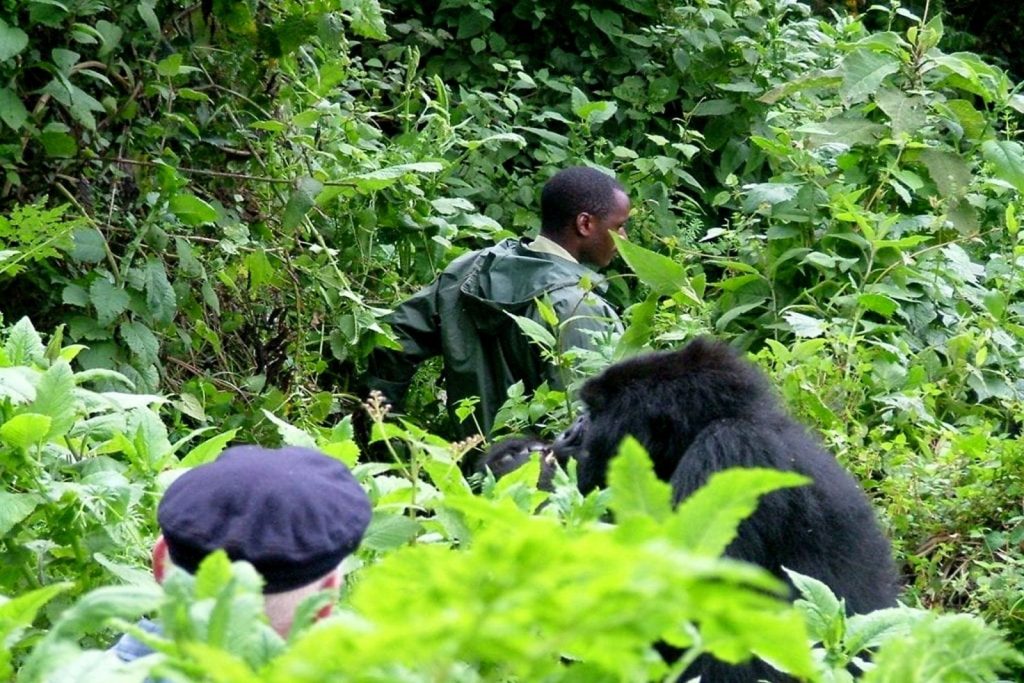

Gorilla trekking is one of the most extraordinary wildlife experiences on Earth, offering a rare opportunity to observe mountain gorillas in their natural habitat. However, this incredible adventure comes with a set of strict gorilla trekking rules designed to protect both the gorillas and the trekkers. These regulations are enforced rigorously to ensure the survival of these endangered species and the sustainability of ecotourism.
In this article, we will explore just how strict these gorilla trekking rules are, why they are necessary, and how adhering to them contributes to conservation efforts. Whether you’re planning a trek or simply curious about the process, understanding these guidelines will deepen your appreciation for this once-in-a-lifetime experience.
Why Are Gorilla Trekking Rules So Strict?
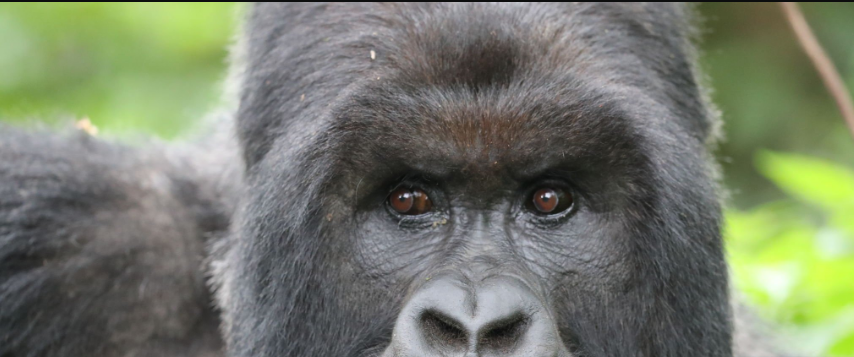
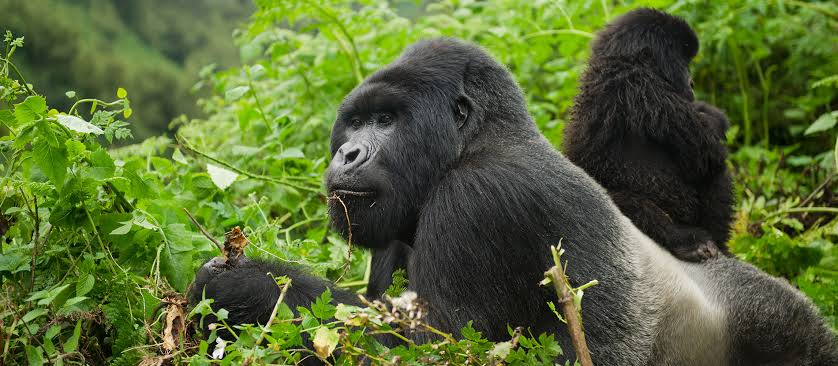
Mountain gorillas are critically endangered, with fewer than 1,000 individuals remaining in the wild. They inhabit only three countries: Uganda, Rwanda, and the Democratic Republic of Congo (DRC). Due to their fragile population, human interaction must be carefully controlled to prevent disease transmission, habitat disruption, and stress to the gorillas.
The gorilla trekking rules are not arbitrary—they are scientifically backed and enforced by park authorities, guides, and conservationists. Breaking these rules can have severe consequences, including fines, expulsion from the park, or even a ban on future treks.
Key Gorilla Trekking Rules and Their Enforcement
1. Limited Permits and Group Sizes
One of the most strictly enforced gorilla trekking rules is the limit on the number of visitors allowed per day. Only a small number of permits are issued (usually 8–12 per gorilla family), ensuring minimal human presence.
-
Enforcement: Permits must be booked months in advance, and rangers verify each trekker’s details before entry. No last-minute additions are allowed.
2. Maintaining a 7-Meter Distance
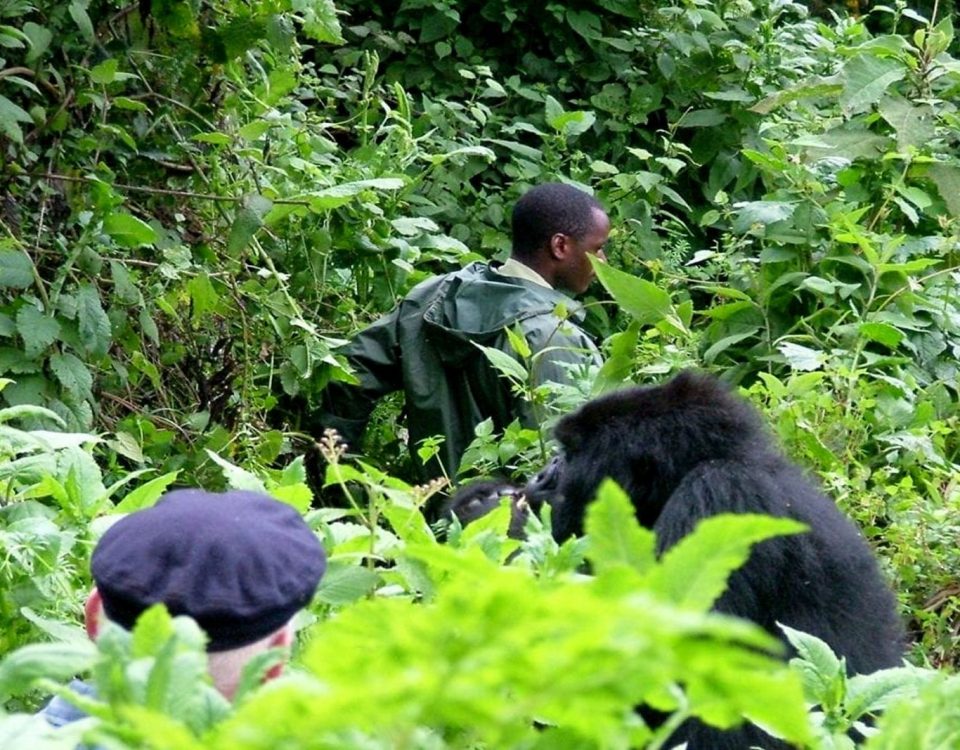
Trekkers must stay at least 7 meters (about 23 feet) away from the gorillas to reduce the risk of disease transmission.
-
Enforcement: Guides and armed rangers closely monitor interactions. If a gorilla approaches, visitors must slowly back away—touching them is strictly prohibited.
3. No Flash Photography
Bright flashes can startle gorillas, so photography must be done without flash.
-
Enforcement: Guides will warn or even confiscate cameras if visitors violate this rule.
4. Time Limit with the Gorillas
Visits are capped at one hour per group to minimize stress on the gorillas.
-
Enforcement: Rangers track time precisely and will signal when it’s time to leave, no exceptions.
5. No Eating or Drinking Near Gorillas
Food and drinks could attract gorillas, leading to dangerous encounters or habituation to human food.
-
Enforcement: All snacks must be consumed before reaching the gorillas, and backpacks are checked.
6. Mandatory Health Checks
Gorillas are highly susceptible to human diseases, especially respiratory infections.
-
Enforcement: Anyone showing signs of illness (coughing, sneezing, fever) is barred from trekking without refund.
7. Silence and Low Voices
Loud noises can agitate gorillas, so trekkers must speak softly.
-
Enforcement: Guides will immediately hush loud visitors; repeated offenses can lead to removal from the group.
8. No Littering
All waste must be carried out to protect the gorillas’ habitat.
-
Enforcement: Rangers inspect the area after each trek, and littering can result in heavy fines.
9. No Smoking or Spitting
Smoke and saliva can spread diseases to gorillas.
-
Enforcement: Smoking is banned in the park, and spitting near gorillas leads to immediate expulsion.
10. Following Guide Instructions Without Question
Guides and rangers have the final say in all situations.
-
Enforcement: Disobeying instructions can lead to being escorted out of the park.
The Consequences of Breaking Gorilla Trekking Rules
The enforcement of gorilla trekking rules is taken extremely seriously. Consequences for violations include:
-
Fines: Up to hundreds of dollars, depending on the offense.
-
Expulsion: Immediate removal from the trek without refund.
-
Legal Action: In extreme cases, repeat offenders may face legal penalties.
-
Permit Revocation: Future trekking permits may be denied.
These strict measures ensure that gorilla tourism remains sustainable and that the animals are not harmed by human presence.
The Positive Impact of Strict Gorilla Trekking Rules
While the rules may seem rigid, they have led to remarkable conservation success stories:
-
Population Growth: Mountain gorilla numbers have increased from 680 in 2008 to over 1,000 today.
-
Community Benefits: Permit fees fund conservation and local development, reducing poaching.
-
Scientific Research: Controlled tourism helps researchers monitor gorilla health and behavior.
By following these gorilla trekking rules, visitors play a direct role in protecting these majestic creatures for future generations.
Respect the Gorilla Trekking Rules, Protect the Gorillas
Gorilla trekking is a privilege, not a right. The strict gorilla trekking rules exist for a reason—they save lives, both human and gorilla. By adhering to these guidelines, trekkers contribute to one of the most successful conservation efforts in the world.
If you’re planning a trek, embrace these rules with respect and gratitude. The sight of a wild gorilla in its natural habitat is worth every regulation in place. Let’s ensure these incredible animals thrive for generations to come.
Gorilla Trekking in the Democratic Republic of Congo
The Democratic Republic of Congo (DRC) is home to two gorilla species found nowhere else together: mountain gorillas in Virunga National Park and eastern lowland gorillas (Grauer’s gorillas, Gorilla beringei graueri) in Kahuzi-Biega National Park. Both are UNESCO World Heritage Sites.
Virunga National Park — Africa’s oldest national park, established in 1925 — covers 7,900 km² of remarkable ecological diversity, from the volcanic peaks of the Virunga Massif to the glaciers of the Rwenzori Mountains and the tropical lowland forests of the Congo Basin. The park is also home to hippos, elephants, okapis, and the entire cast of Congo rainforest wildlife.
Eastern Lowland Gorillas — A Unique Encounter
The eastern lowland gorilla (Grauer’s gorilla) is the world’s largest subspecies of gorilla, with silverbacks weighing up to 220kg. Found only in the DRC, Grauer’s gorillas are considerably rarer than mountain gorillas — their population has declined by more than 70% since the 1990s due to conflict, habitat loss, and poaching. Kahuzi-Biega National Park in South Kivu offers the only reliable trekking experience with habituated Grauer’s gorilla families.
A gorilla permit in the DRC costs USD 400 per person — significantly cheaper than Rwanda (USD 1,500) or Uganda (USD 800). The experience is raw, off-the-beaten-track, and unforgettable for travellers seeking something genuinely uncommon.
Practical Information for DRC Gorilla Trekking
Getting to Virunga and Kahuzi-Biega
The most common entry point to eastern DRC is via Kigali, Rwanda. Goma — the gateway to Virunga National Park — is just 80km from Kigali. Direct flights from Nairobi and Kampala also serve Goma. Bukavu (gateway to Kahuzi-Biega) is accessible from Goma by road (3–4 hours) or by light aircraft.
Is it safe to trek gorillas in the DRC?
Security in eastern DRC is complex and fluctuates. Virunga National Park and Kahuzi-Biega have experienced periods of closure due to armed group activity. Always check current security conditions with your tour operator and your government’s travel advisory before planning a DRC gorilla trek. Reputable operators with established local security networks are essential.
Recommended Tours: 8 Days Congo Gorillas & Nyiragongo Safari | 5 Days Lowland Gorilla Safari Congo