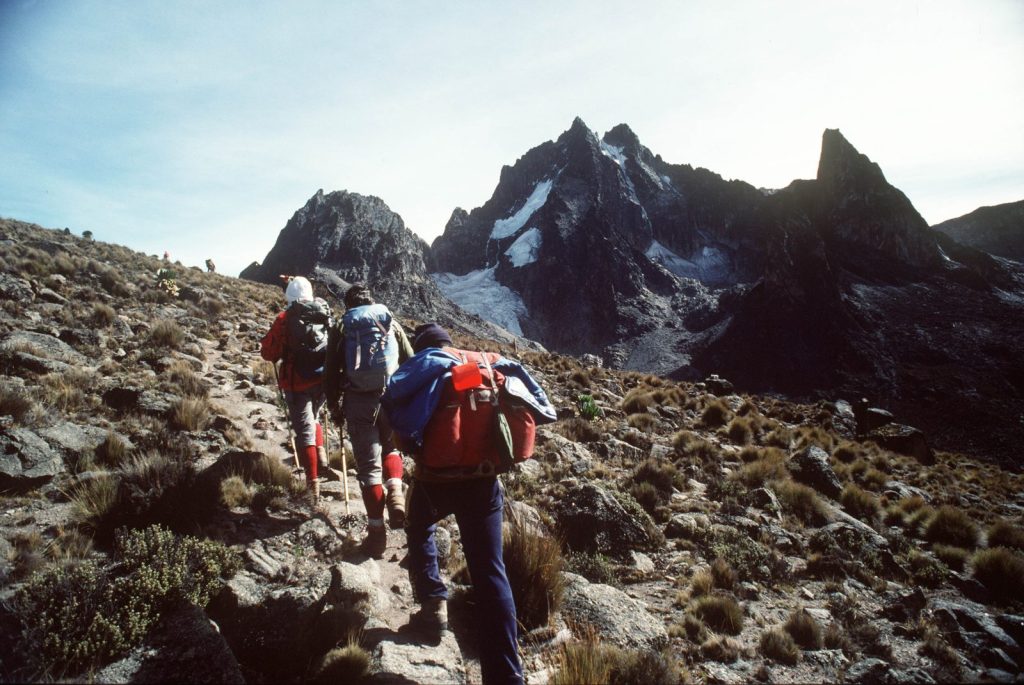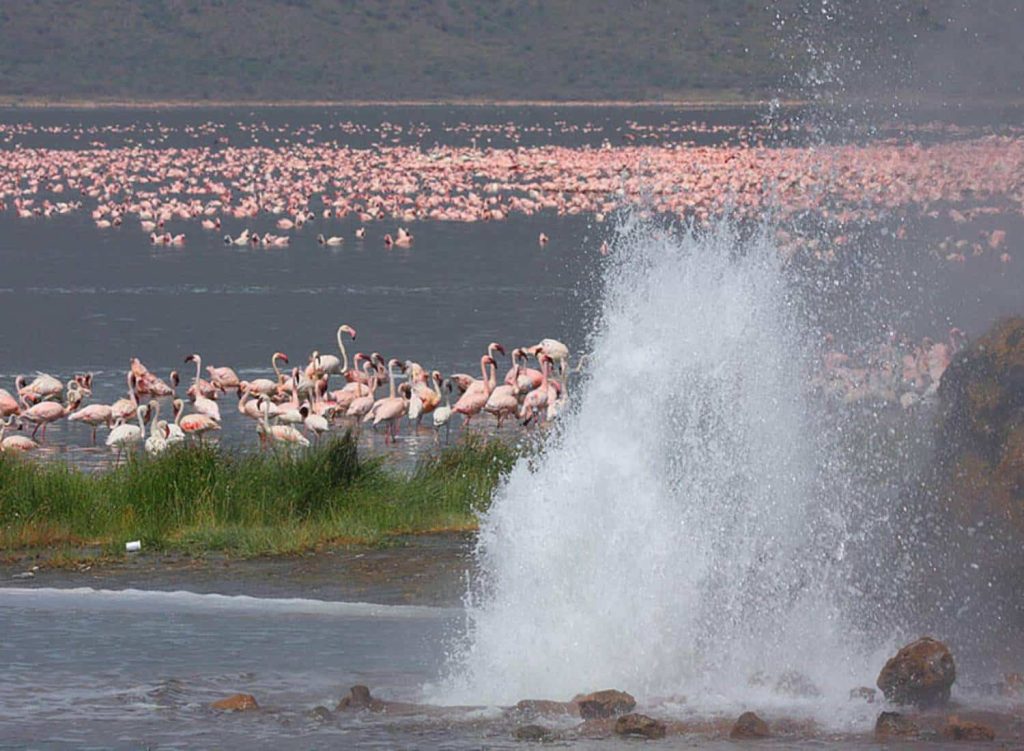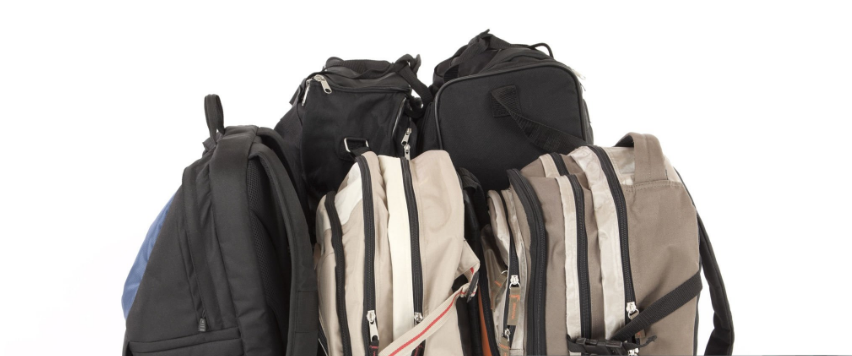

Trekking is an adventure that tests your endurance, connects you with nature, and pushes your limits. But amidst the breathtaking views and challenging trails, one practical question often arises: Are there restrooms during treks? The answer isn’t always straightforward, but understanding how to manage this basic need can make your journey more comfortable and enjoyable.
This article isn’t just about finding a restroom—it’s about embracing the unpredictability of the wild, learning to adapt, and discovering inspiration in the most unexpected places. Whether you’re a seasoned trekker or a beginner, knowing how to handle nature’s call with confidence will empower you to focus on the beauty of the journey.
The Reality of Restrooms on Treks
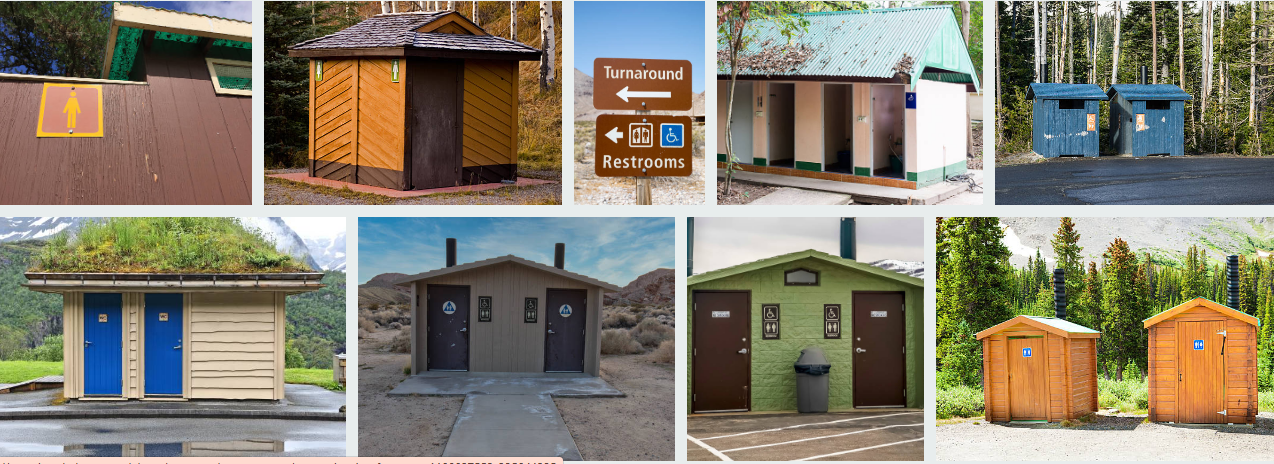
Unlike urban environments, where restrooms are readily available, trekking routes—especially in remote areas—often lack formal facilities. However, some well-traveled trails, national parks, and designated camping sites may have basic toilet setups. Here’s what you can generally expect:
1. Designated Restrooms in Popular Trekking Areas
Some well-maintained trekking routes, especially those in national parks or heavily trafficked trails, may have pit toilets or outhouses at campsites. These are usually basic—no running water or flush systems—but they provide privacy and a more sanitary option than open defecation.
Examples include:
-
Everest Base Camp Trek (Nepal): Tea houses and campsites often have shared squat toilets.
-
Inca Trail (Peru): Designated camping areas have basic toilet facilities.
-
Kilimanjaro (Tanzania): Camps along the route provide portable toilets.
2. No Restrooms in Remote or Off-the-Grid Treks
If you’re trekking in less commercialized or wilderness areas, you’ll likely need to embrace the “leave no trace” principle. This means digging a cat hole (a small hole 6-8 inches deep) at least 200 feet away from water sources, trails, and campsites. After use, cover it completely and pack out toilet paper in a sealed bag.
3. Homestays and Tea Houses
In regions like the Himalayas, trekkers often stay in local guesthouses (tea houses) that provide shared restrooms. These may range from Western-style toilets to traditional squat toilets. Always carry your own toilet paper and hand sanitizer, as these are rarely provided.
How to Manage Without Restrooms: A Mindset Shift
The absence of restrooms during treks can be daunting, but it’s also an opportunity to reconnect with nature in its rawest form. Here’s how to turn this challenge into an empowering experience:
1. Embrace the Adventure
Trekking is about stepping out of your comfort zone. Just as you adapt to sleeping in tents or carrying a heavy backpack, managing without a restroom is part of the journey. The wilderness doesn’t conform to human convenience—it teaches resilience.
2. Practice Leave No Trace (LNT) Ethics
Responsible trekkers follow LNT principles to minimize their environmental impact. This includes:
-
Burying waste properly to avoid contamination and wildlife disturbance.
-
Using biodegradable soap (if washing is necessary).
-
Packing out all trash, including used toilet paper.
By adhering to these practices, you contribute to preserving the trails for future adventurers.
3. Develop a Routine
Experienced trekkers plan their bathroom breaks strategically:
-
Go before you leave camp in the morning.
-
Use facilities when available (even if they’re basic).
-
Stay hydrated but moderate fluid intake before long stretches without stops.
Inspiration from the Trail: Lessons Beyond Restrooms
The question “Are there restrooms during treks?” is more than just logistical—it’s symbolic of the challenges we overcome in life. Here’s what the wilderness teaches us:
1. Adaptability is Strength
Just as you adjust to the lack of restrooms, life demands flexibility. The ability to adapt to unexpected situations—whether on a mountain or in daily life—builds resilience.
2. Comfort is Overrated
Modern life prioritizes convenience, but trekking strips that away. You learn to find joy in simplicity, proving that happiness isn’t tied to luxury.
3. Respect for Nature
When you’re responsible for your own waste, you develop a deeper appreciation for the environment. This mindfulness extends beyond the trail, encouraging sustainable living.
4. Confidence in Discomfort
Facing the unknown—whether it’s finding a private spot behind a boulder or navigating a steep climb—builds unshakable confidence. Every challenge overcome on the trail translates to courage in everyday life.
The Journey is Worth It
Yes, restrooms during treks are scarce, but that shouldn’t deter you. The wilderness rewards those who embrace its raw, unfiltered beauty. Every step taken, every obstacle overcome, and every moment of discomfort is a reminder of your strength.
So, pack your essentials (including a trowel and zip-lock bags for waste), prepare mentally, and set out with confidence. The mountains don’t just test your body—they refine your spirit. And when you look back, you’ll realize that the absence of restrooms was just a small part of an unforgettable adventure.
Now, lace up your boots, take a deep breath, and step forward. The trail is waiting—restrooms or not, you’ve got this.
How to Prepare for Climbing Kilimanjaro
Preparing well is the single most important factor in successfully summiting Mount Kilimanjaro. Unlike technical mountaineering peaks, Kilimanjaro requires no ropes or climbing equipment — but it does demand cardiovascular fitness, mental resilience, and proper acclimatization. Start your preparation at least three months before your climb.
Begin with regular cardiovascular training including hiking, running, cycling, and stair climbing. Aim to hike with a loaded backpack on uneven terrain at least once a week. Strength training focusing on legs and core will help significantly on the steep sections, particularly the Barafu or Stella Point approaches to the summit.
Sleep at altitude before your climb if possible. Even a weekend at a mountain lodge at 3,000m will help your body begin to adapt. On the mountain, the golden rule is “pole pole” — slowly, slowly. Rushing is the most common cause of altitude sickness and failed summits.
Kilimanjaro Routes Compared
There are seven official routes up Kilimanjaro, each with different scenery, difficulty levels, and summit success rates. The most popular routes are:
- Machame Route (6–7 days): Known as the “Whiskey Route” for its challenging terrain, Machame is the most scenic and has a good acclimatization profile. Success rate: ~85% on 7-day itinerary.
- Lemosho Route (7–8 days): Starting from the west, Lemosho offers the most diverse scenery and the best acclimatization profile. Fewer crowds. Success rate: ~90%.
- Marangu Route (5–6 days): The only route with hut accommodation. Called the “Coca-Cola Route,” it is the shortest but has the lowest success rate (~65%) due to insufficient acclimatization time.
- Rongai Route (6–7 days): The only route approaching from the north, near the Kenyan border. Drier and less crowded, with good wildlife sightings in the lower zone.
- Northern Circuit (9 days): The longest route with the highest success rate (~95%). Circles the entire northern hemisphere of the mountain before the summit push.
Recommended Tours: 6 Days Kilimanjaro Hiking Safari | 6 Days Tanzania Wildlife Safari