
In today’s digital age, staying connected is more important than ever. Whether you’re traveling for business, adventure, or relaxation, keeping your devices powered up is essential. One common question travelers ask is, “Can I charge devices at lodges?” The answer is usually yes, but there are several factors to consider to ensure a seamless experience. This article explores the possibilities, challenges, and tips for keeping your gadgets charged while staying at lodges, offering inspiration for tech-savvy travelers.
The Importance of Charging Devices While Traveling
We rely on our smartphones, tablets, laptops, and other electronic devices for navigation, communication, entertainment, and even work. Imagine being in a remote lodge, surrounded by breathtaking scenery, only to realize your phone is about to die. Without power, you might miss capturing unforgettable moments, lose access to important travel information, or even struggle in emergencies.
Key phrase: charge devices – this simple act can make or break your travel experience. Fortunately, most lodges understand this need and provide charging facilities. However, the availability and convenience of these facilities can vary depending on the lodge’s location, amenities, and power supply.
Types of Lodges and Charging Facilities
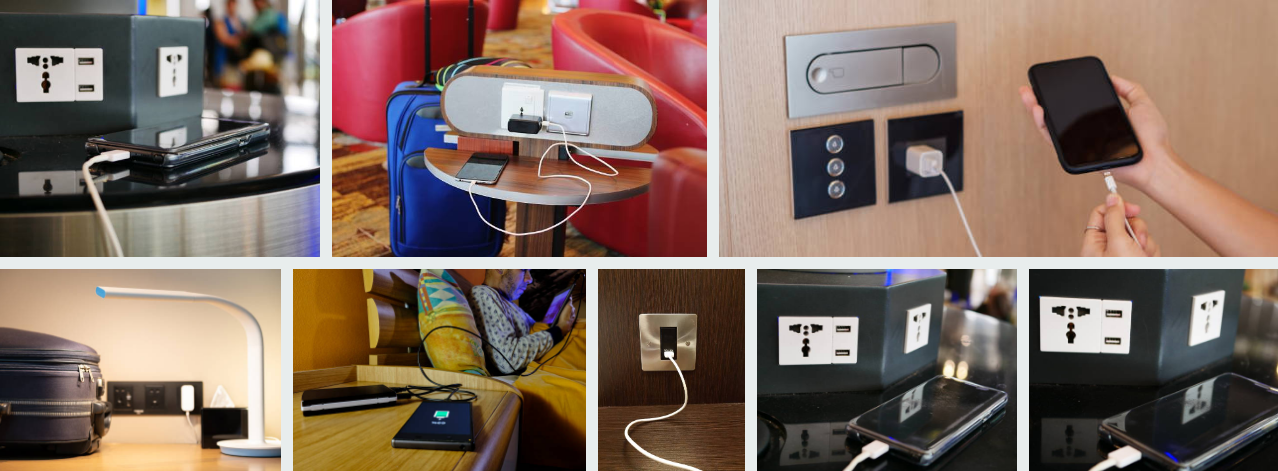
Not all lodges are created equal. Some are luxurious with modern amenities, while others are rustic and off-grid. Here’s a breakdown of what to expect:
1. Luxury Lodges
High-end lodges often provide multiple charging stations, USB ports, and even wireless charging pads in rooms. These lodges usually have reliable electricity, so you won’t have to worry about power outages. Some even offer portable power banks for guests to use during excursions.
2. Eco-Lodges and Remote Lodges
If you’re staying in an eco-lodge or a remote wilderness lodge, charging options may be limited. Many eco-friendly lodges rely on solar power or generators, meaning electricity may only be available at certain times. In such cases, it’s wise to charge devices during designated hours or bring your own power bank.
3. Hostels and Budget Lodges
Budget accommodations may have shared charging stations or limited outlets in rooms. If you’re sharing a dormitory, be prepared to take turns or use a multi-port charger to avoid conflicts with fellow travelers.
4. Adventure and Safari Lodges
In safari lodges or adventure camps, power sources can be unpredictable. Some lodges turn off generators at night to conserve energy. Always ask about charging policies upon arrival and plan accordingly.
Tips for Charging Devices at Lodges
To ensure you never run out of battery, follow these practical tips:
1. Bring the Right Adapters and Converters
Different countries have different plug types and voltages. Research the lodge’s location and pack the appropriate adapters to charge devices without issues. A universal travel adapter is a smart investment.
2. Carry a Portable Power Bank
A high-capacity power bank is a lifesaver, especially in lodges with limited electricity. Opt for a solar-powered one if you’re heading to an off-grid location.
3. Use Energy-Saving Modes
Extend battery life by enabling airplane mode, reducing screen brightness, and closing unused apps. This way, you won’t need to charge devices as frequently.
4. Ask About Charging Policies
Before booking, inquire about the lodge’s power situation. Do they have 24/7 electricity? Are there charging stations in common areas? Knowing this in advance helps you prepare.
5. Pack a Multi-Port USB Charger
If outlets are scarce, a multi-port charger allows you to power multiple devices at once without hogging all the sockets.
6. Consider a Solar Charger
For extreme off-grid stays, a foldable solar panel can harness sunlight to keep your gadgets running.
Inspirational Stories: Staying Powered in the Wild
Sometimes, the most memorable travel experiences come with challenges. Here are two inspiring stories of travelers who found creative ways to charge devices in remote lodges:
Story 1: The Himalayan Trekker
Sarah, an avid trekker, stayed at a mountain lodge in Nepal with no electricity. She used a hand-crank charger to keep her phone alive, allowing her to document her journey and stay in touch with family. Her resourcefulness turned a potential inconvenience into an empowering experience.
Story 2: The African Safari Photographer
James, a wildlife photographer, relied on a solar-powered battery pack during his stay at a Kenyan safari lodge. Despite limited generator hours, he never missed a shot of the majestic lions and elephants, proving that with the right tools, you can stay connected even in the wild.
The Future of Charging in Lodges
As technology advances, more lodges are adopting sustainable and guest-friendly charging solutions. Some innovations include:
-
Solar-powered lodges with built-in USB charging stations.
-
Kinetic energy chargers where guests can generate power by walking or cycling.
-
Wireless charging furniture (tables, nightstands) in high-tech lodges.
These developments make it easier than ever to charge devices while minimizing environmental impact.
Powering Your Adventures
The ability to charge devices at lodges is no longer a luxury—it’s a necessity. By planning ahead and using the right tools, you can stay connected, capture memories, and navigate your travels with confidence. Whether you’re in a five-star resort or a rustic cabin, power is within reach if you know how to access it.
So, the next time you ask, “Can I charge devices at lodges?” remember—with preparation and creativity, the answer is always a resounding YES!
Now, go forth and explore, knowing that your devices—and your spirit—will always stay charged.
East Africa Safari — Essential Travel Information
East Africa encompasses some of the world’s most iconic wildlife destinations. Uganda, Rwanda, Kenya, and Tanzania form the heart of the safari region, each offering distinct landscapes, wildlife, and travel experiences. Whether you’re seeking mountain gorillas in misty rainforests, the spectacular wildebeest migration across the Serengeti, or the intimate Big Five encounters of the Masai Mara, East Africa delivers an unparalleled variety of wildlife experiences within a relatively compact geographic region.
The region’s safari infrastructure is mature and well-developed, with a wide range of accommodation from budget campsites to ultra-luxury tented lodges. International air connections serve multiple gateway airports including Nairobi’s JKIA, Entebbe (Uganda), Kigali (Rwanda), Kilimanjaro International (Tanzania), and Julius Nyerere International (Dar es Salaam), giving visitors flexibility in designing multi-country itineraries.
East Africa Safari Planning Tips
- Best time to visit: The dry seasons — June to October and December to February — offer the best wildlife viewing across most of East Africa. The Masai Mara migration peaks in July–October. Gorilla trekking is year-round but June–September is most popular.
- Book early: Gorilla permits (Uganda and Rwanda), popular migration camps in the Serengeti and Masai Mara, and Kilimanjaro climb slots all have limited capacity. Book 6–12 months ahead for peak season.
- Combine countries: East Africa’s geography makes multi-country itineraries practical and rewarding. A classic 10-day circuit might combine Uganda gorillas + Queen Elizabeth wildlife + Rwanda gorillas. A 14-day trip adds the Serengeti and Masai Mara.
- Health preparation: Yellow fever vaccination is required for Uganda and Rwanda and recommended elsewhere in the region. Malaria prophylaxis is essential below 2,500m. Comprehensive travel insurance including medical evacuation coverage is non-negotiable.
- Currency: The US dollar is the de facto currency in most safari operations. Carry clean, undamaged USD bills printed after 2009 — older notes are routinely refused. Each country has its own local currency for smaller purchases.
Recommended Tours: 4 Days Bwindi Gorilla Trekking Safari | 8 Days Kenya Wildlife Safari