
In every community, organization, or society, rules exist to maintain order, fairness, and safety. However, not everyone adheres to these guidelines, and when rule-breakers go unchecked, it can lead to chaos, injustice, or even harm. If you’ve ever wondered, “How do I report rule-breakers?” you’re not alone. Standing up against wrongdoing takes courage, but it’s a necessary step in preserving integrity and justice.

This article will guide you through the process of report rule-breakers effectively, ethically, and responsibly. We’ll explore why reporting matters, how to do it the right way, and the impact your actions can have on creating a better environment for everyone.
Why Reporting Rule-Breakers Matters
Before diving into the how, it’s important to understand the why. Reporting misconduct isn’t about being a “snitch” or causing trouble—it’s about accountability. Here’s why taking action matters:
-
Protects the Vulnerable – Rule-breakers often exploit others. Reporting them can prevent harm to those who may not have a voice.
-
Maintains Fairness – When some people ignore rules, it creates an unfair advantage. Reporting ensures a level playing field.
-
Encourages a Culture of Integrity – Silence can normalize bad behavior. Speaking up reinforces that rules matter.
-
Prevents Escalation – Small violations can lead to bigger problems. Early intervention stops further damage.
How to Report Rule-Breakers the Right Way
Knowing how to report rule-breakers is just as important as deciding to do so. Here’s a step-by-step guide to ensure your report is effective and ethical.
1. Gather Evidence
Before making a report, collect as much factual information as possible. This may include:
-
Dates, times, and locations of incidents
-
Screenshots, emails, or documents (if applicable)
-
Witness statements (if others observed the violation)
Avoid hearsay or assumptions—stick to verifiable facts.
2. Know the Proper Channels
Different settings have different reporting procedures:
-
Workplace: Report to HR, a supervisor, or an ethics hotline.
-
School/University: Contact a teacher, dean, or student conduct office.
-
Online Platforms: Use “Report” buttons for abusive behavior.
-
Law Enforcement: For illegal activities, file a police report.
Research the correct authority to ensure your report reaches the right people.
3. Stay Anonymous (If Needed)
If you fear retaliation, many organizations allow anonymous reporting. Check if they offer:
-
Secure online forms
-
Hotlines with confidentiality guarantees
-
Third-party reporting services
4. Be Clear and Professional
When submitting a report:
-
State the facts objectively.
-
Avoid emotional language or personal attacks.
-
Provide evidence to support your claims.
A well-documented report is more likely to be taken seriously.
5. Follow Up (If Necessary)
If no action is taken, politely inquire about the status of your report. Persistent issues may require escalation to higher authorities.
Overcoming the Fear of Reporting
One of the biggest obstacles in learning how do I report rule-breakers is fear—fear of backlash, being labeled, or not being believed. Here’s how to overcome it:
✔ Remember Your Why
Focus on the greater good. Your report could protect someone from harm or prevent future misconduct.
✔ Trust the Process
Most organizations have policies to protect whistleblowers. Familiarize yourself with these safeguards.
✔ Seek Support
If you’re nervous, confide in a trusted friend, mentor, or counselor who can guide you.
The Ripple Effect of Reporting
When you report rule-breakers, you contribute to a culture of accountability. Your actions can:
-
Inspire Others – Courage is contagious. Your report may encourage others to speak up.
-
Deter Future Violations – Consequences for rule-breakers discourage repeat offenses.
-
Strengthen Trust – Communities thrive when people know wrongdoing isn’t tolerated.
Be the Change
Learning how do I report rule-breakers is more than just a procedural task—it’s a moral responsibility. Whether in the workplace, school, or online spaces, standing up against misconduct shapes a fairer, safer world.
It’s not always easy, but remember: every great movement for justice began with someone who refused to stay silent. By choosing to report rule-breakers, you become part of that legacy.
So, the next time you witness wrongdoing, don’t ask, “Should I report?” Instead, ask, “How can I report effectively?”—and take that brave step forward. The world needs more people like you.
East Africa Safari — Essential Travel Information
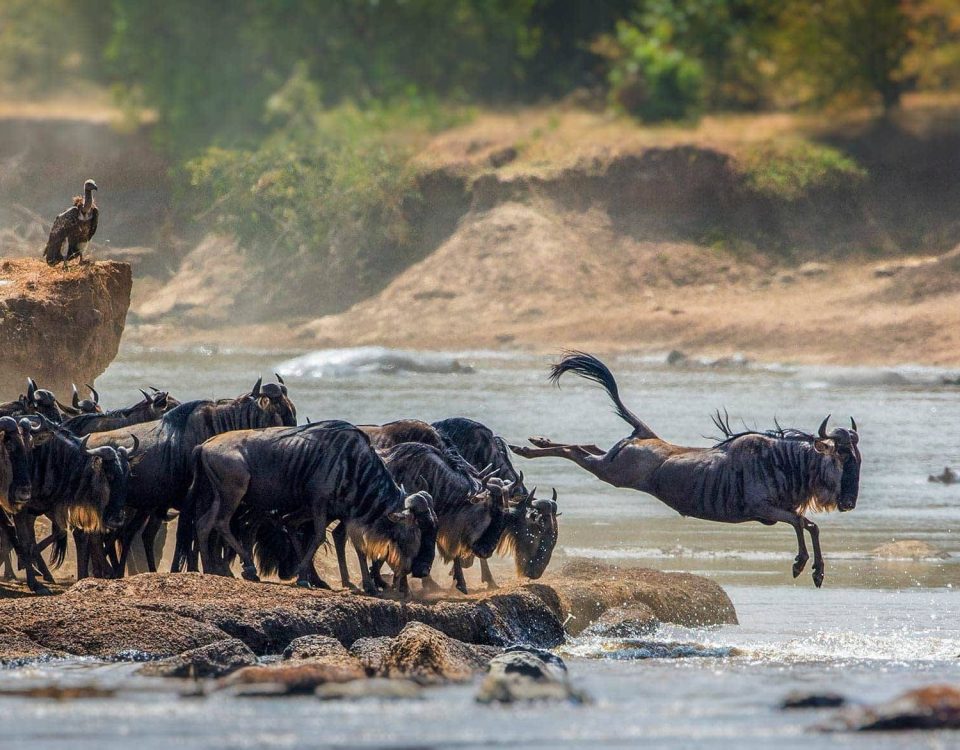
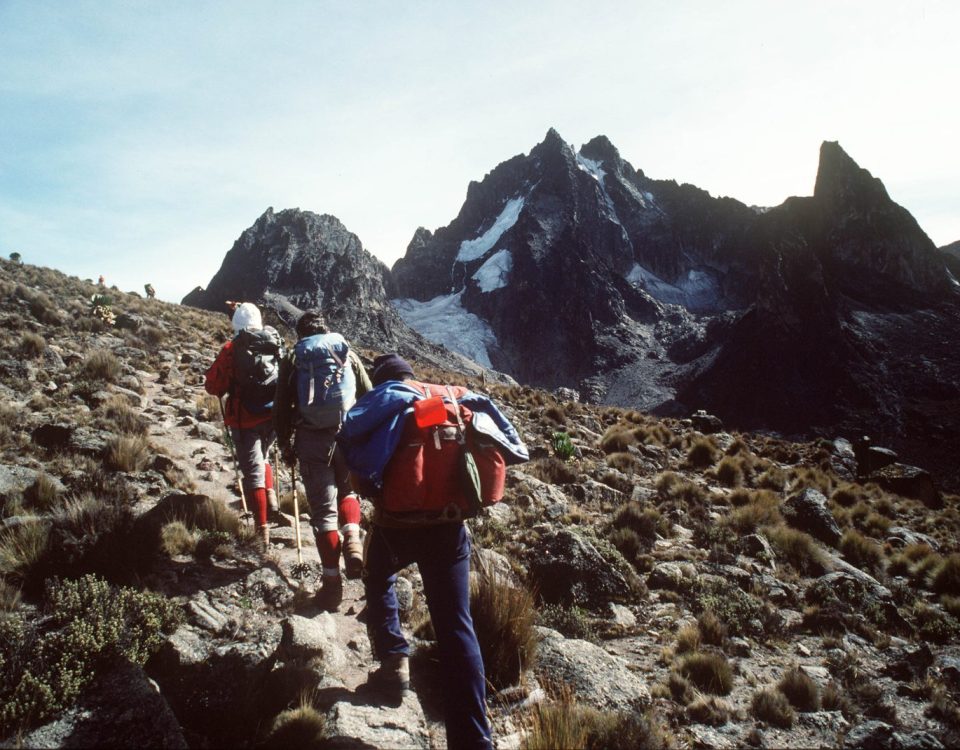
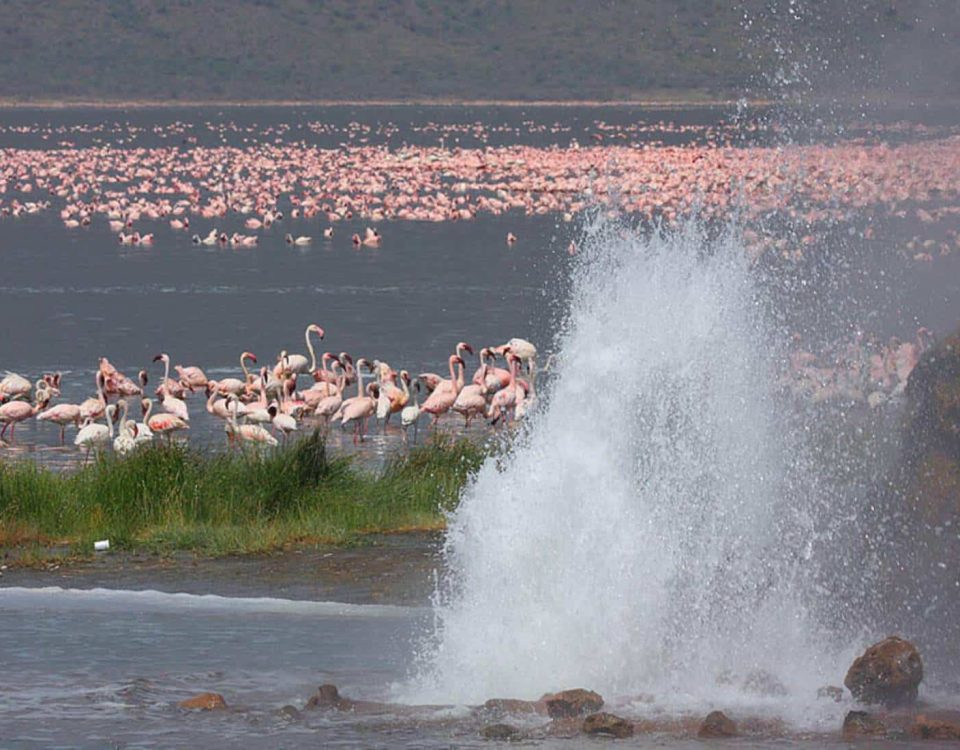
East Africa encompasses some of the world’s most iconic wildlife destinations. Uganda, Rwanda, Kenya, and Tanzania form the heart of the safari region, each offering distinct landscapes, wildlife, and travel experiences. Whether you’re seeking mountain gorillas in misty rainforests, the spectacular wildebeest migration across the Serengeti, or the intimate Big Five encounters of the Masai Mara, East Africa delivers an unparalleled variety of wildlife experiences within a relatively compact geographic region.
The region’s safari infrastructure is mature and well-developed, with a wide range of accommodation from budget campsites to ultra-luxury tented lodges. International air connections serve multiple gateway airports including Nairobi’s JKIA, Entebbe (Uganda), Kigali (Rwanda), Kilimanjaro International (Tanzania), and Julius Nyerere International (Dar es Salaam), giving visitors flexibility in designing multi-country itineraries.
East Africa Safari Planning Tips
- Best time to visit: The dry seasons — June to October and December to February — offer the best wildlife viewing across most of East Africa. The Masai Mara migration peaks in July–October. Gorilla trekking is year-round but June–September is most popular.
- Book early: Gorilla permits (Uganda and Rwanda), popular migration camps in the Serengeti and Masai Mara, and Kilimanjaro climb slots all have limited capacity. Book 6–12 months ahead for peak season.
- Combine countries: East Africa’s geography makes multi-country itineraries practical and rewarding. A classic 10-day circuit might combine Uganda gorillas + Queen Elizabeth wildlife + Rwanda gorillas. A 14-day trip adds the Serengeti and Masai Mara.
- Health preparation: Yellow fever vaccination is required for Uganda and Rwanda and recommended elsewhere in the region. Malaria prophylaxis is essential below 2,500m. Comprehensive travel insurance including medical evacuation coverage is non-negotiable.
- Currency: The US dollar is the de facto currency in most safari operations. Carry clean, undamaged USD bills printed after 2009 — older notes are routinely refused. Each country has its own local currency for smaller purchases.
Recommended Tours: 4 Days Bwindi Gorilla Trekking Safari | 8 Days Kenya Wildlife Safari