Uganda, often referred to as the “Pearl of Africa,” is a country rich in culture, history, and culinary diversity. Among its many treasures is its beloved Uganda’s national dish, Matooke. This iconic meal is more than just food—it is a symbol of unity, tradition, and the resilience of the Ugandan people. In this article, we will explore the significance of Matooke, its preparation, cultural importance, and why it stands as a source of inspiration for Ugandans and the world at large.
The Heart of Ugandan Cuisine: Matooke
Uganda’s national dish, Matooke, is made from green bananas (plantains) that are steamed or boiled, then mashed into a soft, dough-like consistency. Often served with a variety of accompaniments such as groundnut sauce, beans, meat, or fish, Matooke is a staple in Ugandan households. Its creamy texture and mild flavor make it a versatile dish that brings families and communities together.
But Matooke is more than just a meal—it represents the agricultural heritage of Uganda. The banana plant is deeply rooted in Ugandan culture, with nearly every household in the central and western regions growing it. The process of harvesting, preparing, and sharing Matooke is a communal activity, reinforcing bonds between family members and neighbors.
The Cultural Significance of Uganda’s National Dish
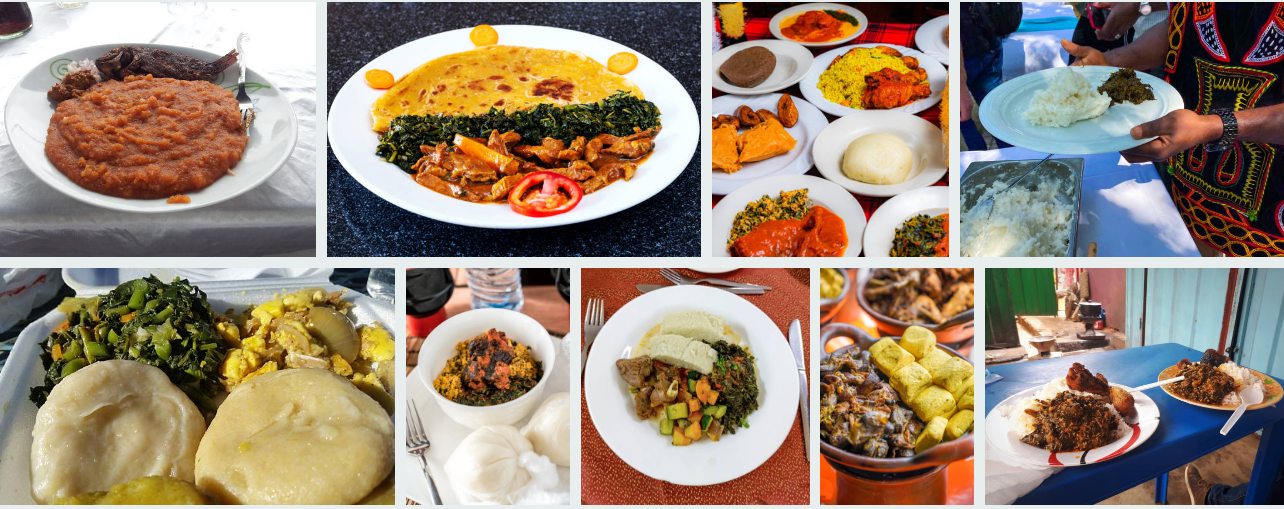
In Uganda, food is not merely sustenance; it is a way of life. Matooke holds a special place in ceremonies, celebrations, and daily routines. From weddings to funerals, this dish is a constant presence, symbolizing hospitality and togetherness.
A Symbol of Unity
Uganda is home to over 56 ethnic groups, each with its own traditions and cuisines. Yet, Matooke transcends these differences, serving as a unifying dish enjoyed across the country. Whether in the bustling streets of Kampala or the rural villages of Kabale, Matooke is a common thread that ties Ugandans together.
A Testament to Resilience
The cultivation of Matooke requires patience and care. Banana plants take months to mature, and farmers must tend to them diligently. This process mirrors the resilience of the Ugandan people, who have overcome challenges such as political instability, economic hardships, and environmental changes. Just as the banana plant thrives despite harsh conditions, Ugandans continue to persevere with hope and determination.
The Art of Preparing Uganda’s National Dish
The preparation of Matooke is an art passed down through generations. Here’s a glimpse into the traditional process:
-
Selecting the Bananas – Only the greenest, unripe bananas are chosen for Matooke. They must be firm and free from blemishes.
-
Peeling and Wrapping – The bananas are peeled and wrapped in banana leaves, which infuse them with a subtle earthy aroma.
-
Steaming – The wrapped bananas are then steamed for several hours until they become tender.
-
Mashing – Once cooked, the bananas are mashed into a smooth, creamy consistency, often using a wooden mortar and pestle.
-
Serving – Matooke is traditionally served warm, accompanied by flavorful sauces or stews.
This labor-intensive process reflects the dedication and love Ugandans pour into their food. It is a reminder that great things take time, effort, and collaboration.
Why Matooke Inspires
Beyond its delicious taste, Matooke carries profound life lessons that inspire:
1. Community and Togetherness
In a world where individualism often takes precedence, Matooke reminds us of the power of community. Preparing and sharing this dish fosters connection, showing that life is richer when we come together.
2. Patience and Persistence
Growing and cooking Matooke requires patience—a virtue that applies to all aspects of life. Success, like a well-prepared meal, comes to those who wait and work diligently.
3. Adaptability
While Matooke is traditionally made with bananas, Ugandans have adapted the dish to include variations, such as Matooke with cassava or sweet potatoes. This adaptability teaches us to embrace change and innovate while staying true to our roots.
4. Humility and Gratitude
Matooke is a humble dish, yet it holds immense value. It teaches us to appreciate the simple things in life and to be grateful for what we have.
Uganda’s National Dish: A Source of National Pride
Ugandans take immense pride in Matooke, not just as a meal but as an emblem of their identity. When Ugandans abroad crave a taste of home, it is often Matooke they miss the most. This dish carries the flavors of childhood, family gatherings, and cultural heritage.
Moreover, Matooke has gained international recognition, with Ugandan chefs and restaurants introducing it to global audiences. This showcases the richness of Ugandan cuisine and opens doors for cultural exchange.
The Legacy of Uganda’s National Dish
Uganda’s national dish, Matooke, is more than just food—it is a story of tradition, resilience, and unity. It embodies the spirit of the Ugandan people, their connection to the land, and their unwavering sense of community.
As we reflect on the significance of Matooke, let it inspire us to cherish our own cultural heritage, to work together with patience and perseverance, and to find joy in life’s simple pleasures. Just as Matooke brings people together, may we too strive to build bridges, nurture relationships, and celebrate the diversity that makes our world beautiful.
So, the next time you ask, “What’s Uganda’s national dish?” remember that Matooke is not just a meal—it is a legacy of love, resilience, and national pride.
“A people without the knowledge of their past history, origin, and culture is like a tree without roots.” – Marcus Garvey
Let Matooke be a reminder that our roots nourish us, our traditions sustain us, and our unity strengthens us. Uganda’s national dish is a testament to the enduring power of food to inspire, connect, and uplift.
Uganda Travel Guide — The Pearl of Africa
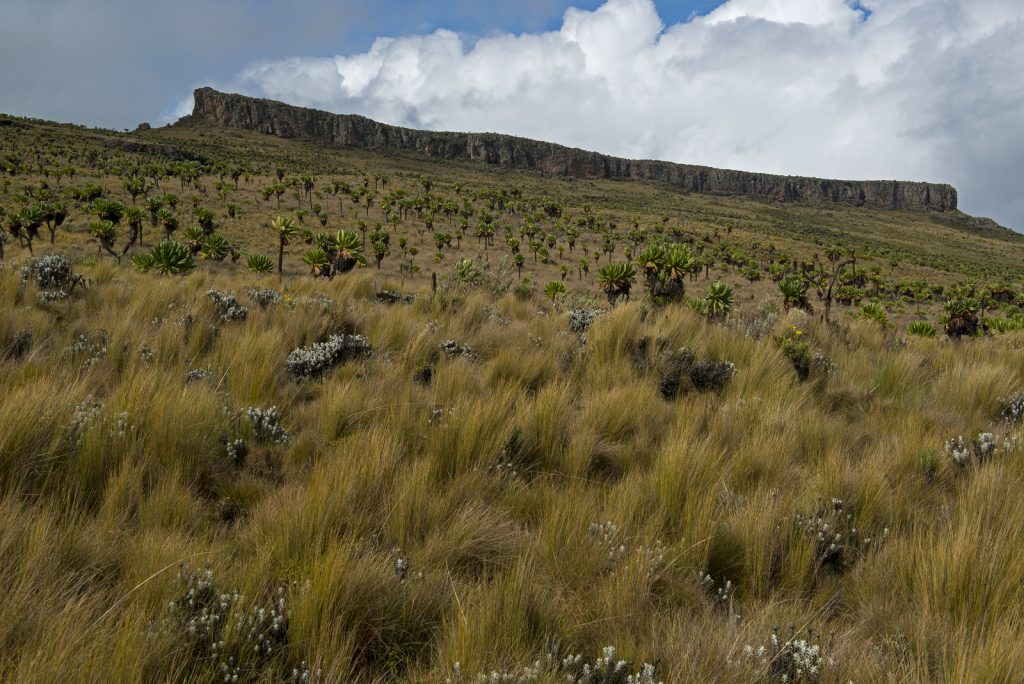
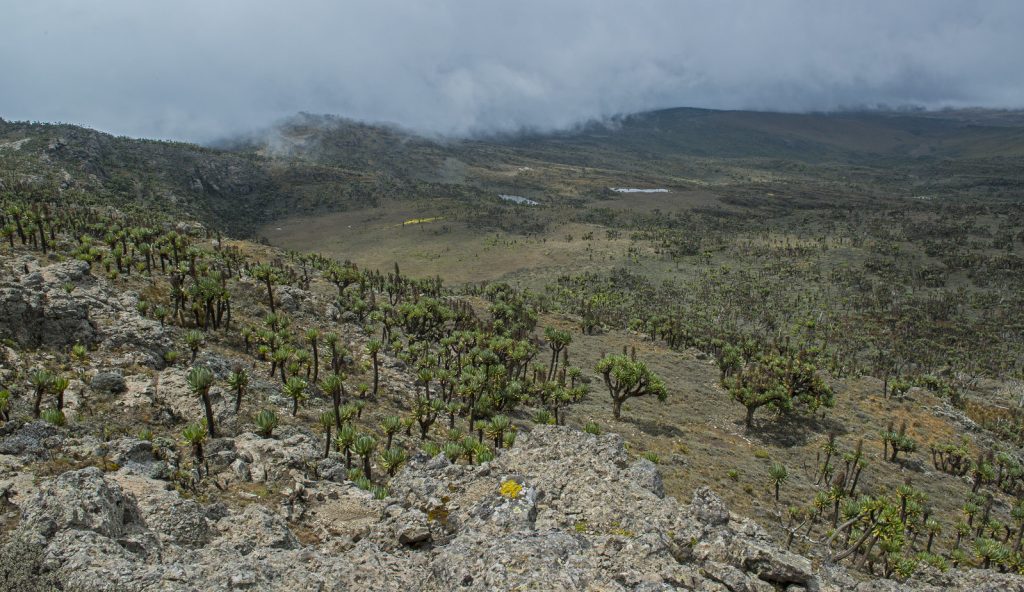
Uganda is one of Africa’s most rewarding and underrated destinations. Winston Churchill’s description of Uganda as the “Pearl of Africa” — inspired by its extraordinary combination of landscapes, wildlife, and people — remains as apt today as when he coined it in 1908. The country packs an astonishing range of experiences into a relatively compact area: snow-capped mountains, vast savannahs, dense tropical rainforests, the source of the Nile, and some of the world’s most remarkable wildlife.
Uganda shares borders with Kenya, Tanzania, Rwanda, the Democratic Republic of Congo, and South Sudan, and sits astride the equator in East-Central Africa. The capital, Kampala, is a vibrant, growing city that serves as the gateway to Uganda’s national parks. Most wildlife safaris begin and end in Kampala or at Entebbe International Airport, 45 minutes south of the city.
Uganda’s Key National Parks and Wildlife Areas
- Bwindi Impenetrable Forest: UNESCO World Heritage Site and home to over half the world’s mountain gorillas. Four trekking sectors: Buhoma, Ruhija, Rushaga, and Nkuringo.
- Queen Elizabeth National Park: Uganda’s most visited park, famous for tree-climbing lions in the Ishasha sector, boat cruises on the Kazinga Channel, and diverse savannah and forest habitats.
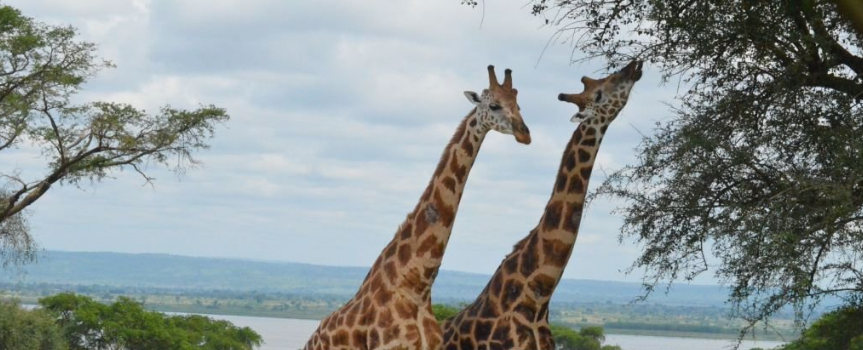
- Murchison Falls National Park: Uganda’s largest park, home to the world’s most powerful waterfall. Excellent for elephants, giraffes, buffalo, hippos, crocodiles, and shoebill storks on the Nile.
- Kibale Forest National Park: The world’s best chimpanzee trekking destination, also home to 12 other primate species and superb birdwatching.
- Kidepo Valley National Park: Uganda’s most remote and arguably most spectacular park, bordering South Sudan. Wild, untouched, and home to species found nowhere else in Uganda including cheetahs and caracals.
- Mgahinga Gorilla National Park: In the Virunga Mountains, offering gorilla trekking, golden monkey trekking, and volcano hiking in a compact, accessible park.
Practical Uganda Travel Information
Visa and entry requirements
Uganda offers an e-visa for most nationalities, applied online at visas.immigration.go.ug. East African Community citizens are exempt. The East Africa Tourist Visa (covering Uganda, Kenya, and Rwanda) is available at the point of entry. A yellow fever vaccination certificate is mandatory for entry.
Currency and costs
The Ugandan Shilling (UGX) is the local currency. USD is widely accepted in tourist areas. Mid-range safari lodges cost USD 150–350 per person per night. Budget accommodation in Kampala starts from USD 20–40. Gorilla permits (USD 800) are the single largest expense for most visitors.
Getting around Uganda
Most visitors use private safari vehicles (included in tour packages) or hire a driver-guide. Public minibus taxis (matatus) connect major towns but are not suitable for wildlife areas. Charter flights from Entebbe to Kihihi, Kisoro, Kasese, or Pakuba significantly reduce overland travel times on longer itineraries.
Recommended Tours: 9 Days Uganda Wildlife Safari | 7 Days Uganda Safari