Uganda, often referred to as the “Pearl of Africa,” is a land of breathtaking landscapes, diverse wildlife, and vibrant cultures. While many travelers are familiar with its lush national parks, towering mountains, and the mighty Nile River, fewer know about the hidden gems scattered across its waters—Uganda’s islands. These tranquil and enchanting destinations offer a unique blend of adventure, serenity, and cultural richness. If you’ve ever wondered, “Can I visit Uganda’s islands?” the answer is a resounding yes! And not only can you visit them, but doing so may just transform your perspective on travel, nature, and life itself.
Why Uganda’s Islands Should Be on Your Travel List
Uganda’s islands are more than just dots on a map—they are gateways to unforgettable experiences. From the mystical Ssese Islands in Lake Victoria to the remote and lesser-known islands in Lake Bunyonyi and Lake Albert, each offers something extraordinary. Here’s why you should consider exploring them:
1. A Retreat into Untouched Nature
Unlike crowded tourist hotspots, Uganda’s islands remain largely unspoiled. Imagine waking up to the sound of gentle waves, walking through dense forests teeming with birdlife, or watching the sunset over vast waters with no distractions. These islands provide a rare opportunity to disconnect from the chaos of modern life and reconnect with nature in its purest form.
2. Unique Wildlife Encounters
Many of Uganda’s islands are sanctuaries for rare and endemic species. The Ssese Islands, for instance, host monkeys, otters, and a variety of bird species. Meanwhile, Lake Bunyonyi’s islands are home to fascinating reptiles and amphibians. For wildlife enthusiasts, these islands offer a quieter but equally thrilling alternative to Uganda’s famous savannahs and jungles.
3. Rich Cultural Experiences
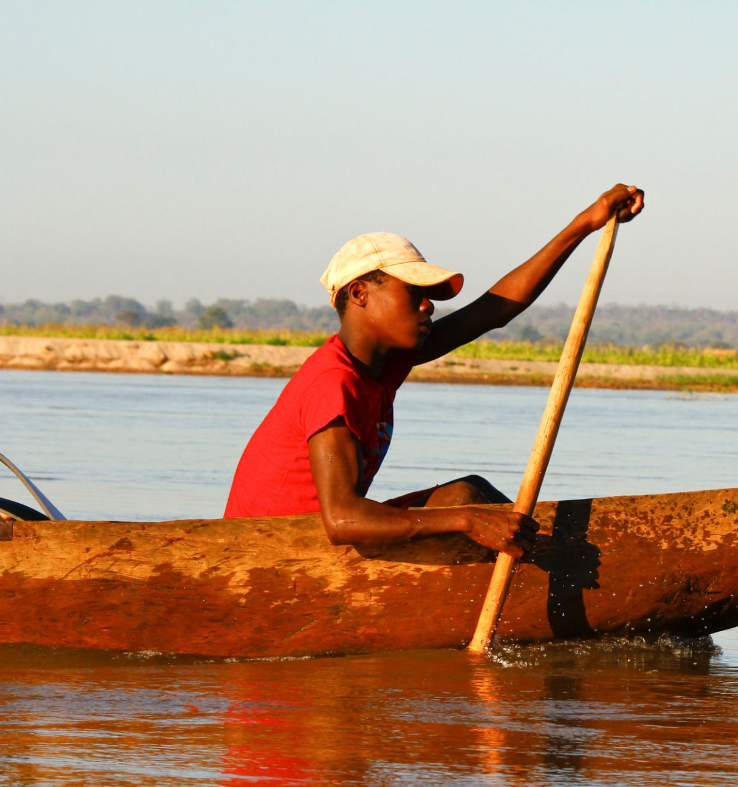
The islands are inhabited by communities with deep-rooted traditions and fascinating histories. Visiting them allows you to engage with local fishermen, storytellers, and artisans who preserve ancient ways of life. You might learn how to paddle a traditional canoe, listen to folklore under the stars, or even participate in a local dance ceremony.
4. Adventure and Water Sports
If you crave adventure, Uganda’s islands won’t disappoint. Kayaking, canoeing, fishing, and swimming are just a few activities you can enjoy. Some islands, like those in Lake Victoria, even offer opportunities for boat racing and beach camping.
5. A Spiritual and Meditative Escape
There’s something inherently peaceful about being surrounded by water. Many visitors to Uganda’s islands report feeling a deep sense of calm and clarity. Whether you’re meditating on a quiet shore, journaling under a palm tree, or simply soaking in the beauty around you, these islands provide the perfect setting for self-reflection and renewal.
Exploring Uganda’s Most Captivating Islands
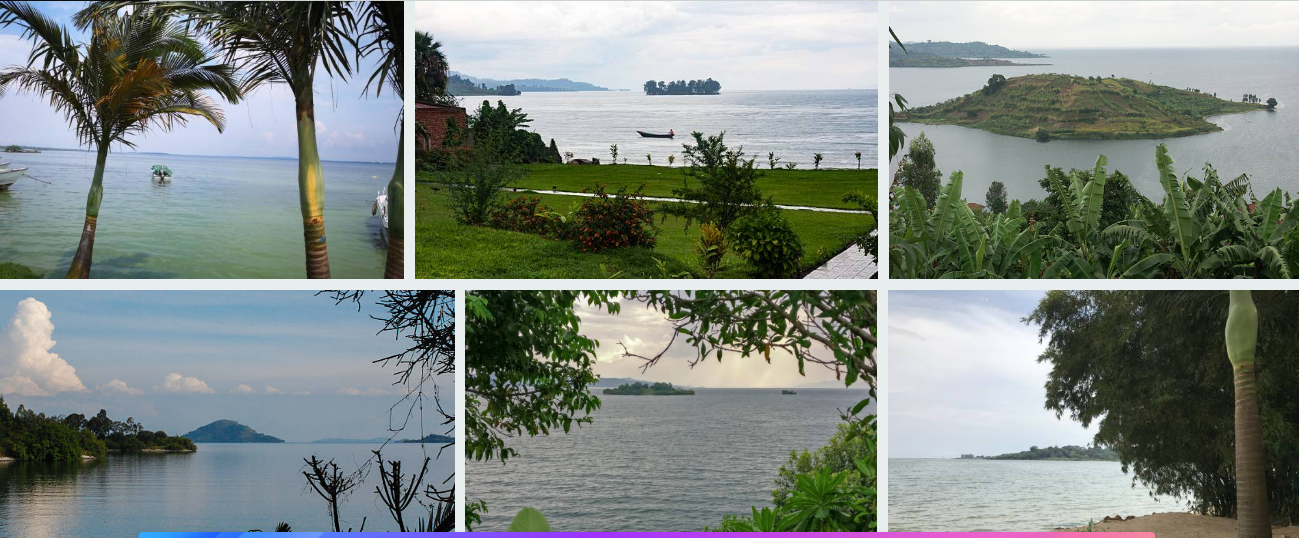
Now that you’re inspired to visit, let’s dive into some of the most remarkable islands Uganda has to offer:
1. The Ssese Islands (Lake Victoria)
The Ssese archipelago consists of 84 islands, each with its own charm. Bugala Island, the largest, is a favorite for its sandy beaches, lush forests, and eco-friendly lodges. Visitors can enjoy nature walks, birdwatching, and boat excursions to nearby fishing villages. Banda Island, on the other hand, is a rustic paradise with no electricity—ideal for those seeking a true digital detox.
2. Lake Bunyonyi’s Islands
Known as the “Lake of a Thousand Islands,” Lake Bunyonyi is one of Africa’s most scenic freshwater lakes. Punishment Island, steeped in history, was once used for banishing unmarried pregnant girls—today, it serves as a poignant reminder of cultural evolution. Bushara Island is a haven for eco-tourists, with treehouse accommodations and nature trails.
3. The Kalangala and Koome Islands
These lesser-known islands offer an off-the-beaten-path experience. Kalangala is famous for its palm-fringed shores and vibrant nightlife, while Koome Island provides a quieter retreat with stunning views and friendly locals.
4. Islands on Lake Albert
For those seeking solitude, the islands on Lake Albert—such as Mpanga Island—are perfect. These islands are less frequented by tourists, offering raw beauty and a glimpse into the daily lives of fishing communities.
How to Plan Your Trip to Uganda’s Islands
If you’re ready to embark on this journey, here are some practical tips to make your adventure smooth and fulfilling:
1. Choose the Right Island for Your Interests
-
For relaxation and beaches: Ssese Islands
-
For cultural immersion: Lake Bunyonyi’s islands
-
For adventure and water sports: Kalangala or Koome
-
For solitude and wildlife: Lake Albert’s islands
2. Best Time to Visit
The dry seasons (December-February and June-August) are ideal for island hopping, as water transport is more reliable. However, even the rainy season has its charm, with lush greenery and fewer tourists.
3. Getting There
Most islands are accessible by ferry or boat from mainland towns like Entebbe (for Ssese) or Kabale (for Lake Bunyonyi). Some islands require private boat hires, so plan accordingly.
4. Accommodation Options
From luxury eco-lodges to budget-friendly campsites, Uganda’s islands cater to all travelers. Research and book in advance, especially during peak seasons.
5. Respect Local Customs
Engage with communities respectfully, support local businesses, and follow environmental guidelines to preserve these pristine destinations.
The Deeper Lesson: Why Visiting Uganda’s Islands Can Change Your Life
Beyond the scenic beauty and adventure, traveling to Uganda’s islands teaches invaluable life lessons:
1. Embracing Simplicity
On these islands, life moves at a slower pace. Without the distractions of technology and urban noise, you learn to appreciate simple joys—conversations with locals, the taste of fresh fish, the sound of lapping waves.
2. Resilience and Adaptability
Island communities thrive despite challenges like limited resources. Their resilience is a powerful reminder that happiness isn’t tied to material wealth.
3. Connection with Nature
Being surrounded by water and wildlife fosters a deeper appreciation for the planet. Many visitors leave with a renewed commitment to environmental conservation.
4. The Beauty of the Unknown
Venturing to lesser-known destinations like Uganda’s islands reminds us that the world is full of hidden wonders waiting to be discovered. It encourages curiosity and a spirit of exploration in all aspects of life.
Your Island Adventure Awaits
So, can you visit Uganda’s islands? Absolutely—and you should! These islands are more than just travel destinations; they are sanctuaries of peace, hubs of culture, and classrooms of life’s most profound lessons. Whether you seek adventure, relaxation, or a deeper connection with nature and humanity, Uganda’s islands offer it all.
Pack your bags, set sail, and let the magic of Uganda’s islands inspire your next great journey. The experience will stay with you long after you’ve returned home, reminding you that sometimes, the most extraordinary places are the ones least expected.
The world is vast, but the islands of Uganda are calling—will you answer?
Uganda Travel Guide — The Pearl of Africa
Uganda is one of Africa’s most rewarding and underrated destinations. Winston Churchill’s description of Uganda as the “Pearl of Africa” — inspired by its extraordinary combination of landscapes, wildlife, and people — remains as apt today as when he coined it in 1908. The country packs an astonishing range of experiences into a relatively compact area: snow-capped mountains, vast savannahs, dense tropical rainforests, the source of the Nile, and some of the world’s most remarkable wildlife.
Uganda shares borders with Kenya, Tanzania, Rwanda, the Democratic Republic of Congo, and South Sudan, and sits astride the equator in East-Central Africa. The capital, Kampala, is a vibrant, growing city that serves as the gateway to Uganda’s national parks. Most wildlife safaris begin and end in Kampala or at Entebbe International Airport, 45 minutes south of the city.
Uganda’s Key National Parks and Wildlife Areas
- Bwindi Impenetrable Forest: UNESCO World Heritage Site and home to over half the world’s mountain gorillas. Four trekking sectors: Buhoma, Ruhija, Rushaga, and Nkuringo.
- Queen Elizabeth National Park: Uganda’s most visited park, famous for tree-climbing lions in the Ishasha sector, boat cruises on the Kazinga Channel, and diverse savannah and forest habitats.
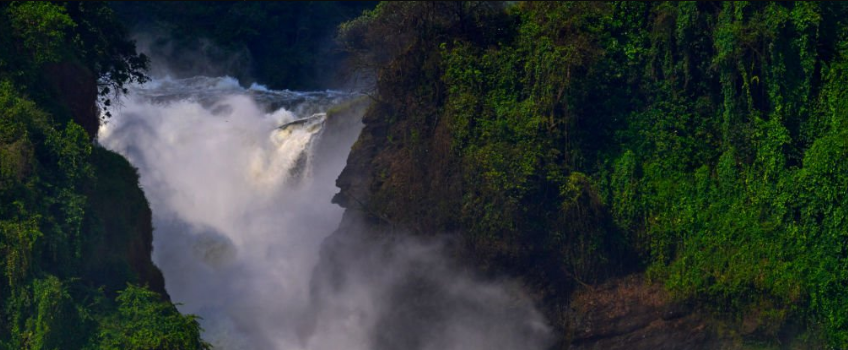
- Murchison Falls National Park: Uganda’s largest park, home to the world’s most powerful waterfall. Excellent for elephants, giraffes, buffalo, hippos, crocodiles, and shoebill storks on the Nile.
- Kibale Forest National Park: The world’s best chimpanzee trekking destination, also home to 12 other primate species and superb birdwatching.
- Kidepo Valley National Park: Uganda’s most remote and arguably most spectacular park, bordering South Sudan. Wild, untouched, and home to species found nowhere else in Uganda including cheetahs and caracals.
- Mgahinga Gorilla National Park: In the Virunga Mountains, offering gorilla trekking, golden monkey trekking, and volcano hiking in a compact, accessible park.
Practical Uganda Travel Information
Visa and entry requirements
Uganda offers an e-visa for most nationalities, applied online at visas.immigration.go.ug. East African Community citizens are exempt. The East Africa Tourist Visa (covering Uganda, Kenya, and Rwanda) is available at the point of entry. A yellow fever vaccination certificate is mandatory for entry.
Currency and costs
The Ugandan Shilling (UGX) is the local currency. USD is widely accepted in tourist areas. Mid-range safari lodges cost USD 150–350 per person per night. Budget accommodation in Kampala starts from USD 20–40. Gorilla permits (USD 800) are the single largest expense for most visitors.
Getting around Uganda
Most visitors use private safari vehicles (included in tour packages) or hire a driver-guide. Public minibus taxis (matatus) connect major towns but are not suitable for wildlife areas. Charter flights from Entebbe to Kihihi, Kisoro, Kasese, or Pakuba significantly reduce overland travel times on longer itineraries.
Recommended Tours: 9 Days Uganda Wildlife Safari | 7 Days Uganda Safari