How Should I Train for Kilimanjaro? A Step-by-Step Guide to Your Adventure
Climbing Mount Kilimanjaro is a dream for many adventurers, standing as the highest peak in Africa and offering a journey like no other. However, preparing for this challenge requires careful training, commitment, and mental fortitude. Training for Kilimanjaro isn’t just about strength; it’s also about endurance, mental resilience, and being prepared for the unique challenges this iconic mountain presents. Whether you’re a seasoned hiker or a beginner, having the right training plan is key to ensuring a successful summit.
The Importance of Training for Kilimanjaro
Climbing Kilimanjaro is not an easy feat, but it’s also not reserved for only the fittest athletes. Many climbers of all fitness levels can successfully summit, but it requires dedication and careful preparation. The altitude, varying terrain, and long hours of walking demand that your body is in optimal condition to face the challenges ahead. Training will not only improve your physical capabilities but will also increase your confidence, reduce your risk of altitude sickness, and help you enjoy the experience more fully.
1. Focus on Cardiovascular Fitness
Cardiovascular fitness is essential for the Kilimanjaro trek. You’ll be walking for several hours each day, sometimes at a steep incline, which requires a good level of stamina. Aim to engage in aerobic exercises like running, cycling, swimming, or hiking. Gradually increase the intensity and duration of your workouts to build endurance. A good goal is to work up to walking or hiking for 6-8 hours, as this mirrors the time spent walking each day during the climb.
Recommendation: Aim for at least 3-4 days a week of cardiovascular exercises. As your fitness improves, start incorporating interval training to boost stamina.
2. Build Leg Strength and Endurance
Your legs will carry you through this entire climb, so it’s important to build strength in your lower body. Climbing Kilimanjaro means tackling steep inclines and uneven terrain. Lunges, squats, and calf raises will help build strength in your quads, hamstrings, and calves. Focus on exercises that mimic the actions of hiking, such as step-ups or uphill walking.
Recommendation: Add hill sprints or stair climbing to your workout routine. Incorporate weight training to strengthen your leg muscles, and try to hike with a weighted pack to simulate the load you’ll carry on the mountain.
3. Prepare for High Altitudes
One of the most unique challenges of climbing Kilimanjaro is the altitude. As you ascend to higher elevations, the air becomes thinner, making it more difficult to breathe. While it’s impossible to fully simulate the high-altitude conditions at home, there are strategies to help you adapt.
Recommendation: If possible, train in higher altitudes to allow your body to acclimatize. If you can’t, use altitude masks during training to simulate the lack of oxygen. Additionally, training at your local gym or in hilly terrain will prepare your body to handle the increased effort required to climb at high altitudes.
4. Get Used to Walking with a Backpack
When climbing Kilimanjaro, you’ll need to carry a daypack with essentials such as water, snacks, a first-aid kit, and your jacket. As you train, start carrying a pack on your hikes or walks to get used to the added weight. Gradually increase the weight of your pack to simulate what you will carry on the mountain.
Recommendation: Try to carry a pack weighing between 10-15% of your body weight. It’s important that the pack fits comfortably, so invest in a good-quality hiking backpack.
5. Train for Mental Endurance
The physical challenge of climbing Kilimanjaro is significant, but the mental endurance required is just as important. There will be moments when the going gets tough, when your muscles ache, and when your mind starts to doubt. Mental toughness is key to persevering and completing the climb.
Recommendation: Use long hikes or challenging workouts as opportunities to train your mental resilience. Push through moments of discomfort and remind yourself of your goal. Visualization techniques can also be helpful-picture yourself standing at the summit, feeling the accomplishment and pride that comes with it.
6. Acclimatization and Rest
The key to a successful climb is giving your body time to adjust to the altitude. Kilimanjaro climbs typically take 5-9 days, allowing for gradual acclimatization. Don’t rush your ascent; give yourself time to adjust and avoid pushing too hard during the earlier days.
Recommendation: As you train, simulate the need for rest by alternating between harder days of training and lighter, recovery-focused days. A well-balanced routine that includes rest is vital to building endurance without overtraining.
7. Stay Hydrated and Nourished
During your training and the actual climb, staying hydrated and nourished is crucial. On the mountain, the air is dry, and you’ll lose fluids quickly through sweat. Always bring plenty of water with you and drink frequently to stay hydrated. You’ll also need proper nutrition to fuel your body for the physical demands of the climb.
Recommendation: Eat a balanced diet with adequate amounts of protein, healthy fats, and carbohydrates. During training, pay attention to how your body responds to different foods and find what works best for sustaining your energy.
8. Practice With Shorter Hikes and Day Treks
Nothing compares to training on actual terrain. If you live near mountainous areas or hiking trails, take advantage of them! Short day hikes or weekend treks will allow you to practice the skills you’ll need for the Kilimanjaro climb. Gradually increase the difficulty of these treks to build both endurance and confidence.
Recommendation: Aim for at least one long hike or trek per month leading up to your Kilimanjaro adventure. This will help you gauge your progress and make necessary adjustments to your training plan.
9. Prepare for the Climb’s Final Push
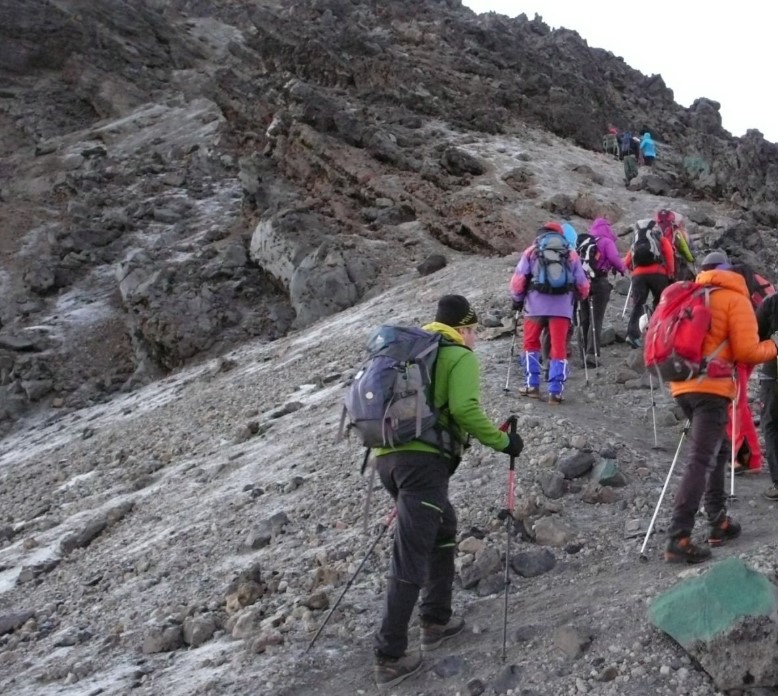
The last part of the Kilimanjaro trek is often the most challenging: the final ascent to the summit. This will typically begin at night and involve climbing in subzero temperatures. The summit push will require perseverance and focus, as it can take anywhere from 6 to 10 hours, depending on the route.
Recommendation: On your training hikes, try to simulate these conditions by walking in the early morning or at night with a headlamp. Wear layers of clothing, so you’re prepared for varying temperatures. Practice walking in the dark and being comfortable in cold conditions.
10. Rest and Recover
Recovery is just as important as training. After each workout, take time to stretch and cool down. Make sure to get enough sleep each night and allow your body time to heal. Prevent injuries by listening to your body and taking rest days when necessary.
Recommendation: Include activities like yoga or stretching into your routine to improve flexibility and reduce the risk of injury. Massage or foam rolling can also be helpful for relieving tight muscles after long workouts or hikes.
Conclusion: Your Kilimanjaro Adventure Awaits
Training for Kilimanjaro is a journey in itself one that prepares you not only physically but mentally for the adventure of a lifetime. By following a structured training plan and pushing yourself to meet new challenges, you’ll increase your chances of summiting Africa’s highest peak. Remember, it’s not about perfection; it’s about preparation, resilience, and enjoying the journey every step of the way. So lace up your boots, pack your bag, and get ready to take on the mountain. Your Kilimanjaro adventure is just beginning!
How to Prepare for Climbing Kilimanjaro
Preparing well is the single most important factor in successfully summiting Mount Kilimanjaro. Unlike technical mountaineering peaks, Kilimanjaro requires no ropes or climbing equipment – but it does demand cardiovascular fitness, mental resilience, and proper acclimatization. Start your preparation at least three months before your climb.
Begin with regular cardiovascular training including hiking, running, cycling, and stair climbing. Aim to hike with a loaded backpack on uneven terrain at least once a week. Strength training focusing on legs and core will help significantly on the steep sections, particularly the Barafu or Stella Point approaches to the summit.
Sleep at altitude before your climb if possible. Even a weekend at a mountain lodge at 3,000m will help your body begin to adapt. On the mountain, the golden rule is “pole pole” – slowly, slowly. Rushing is the most common cause of altitude sickness and failed summits.
Kilimanjaro Routes Compared
There are seven official routes up Kilimanjaro, each with different scenery, difficulty levels, and summit success rates. The most popular routes are:
- Machame Route (6-7 days): Known as the “Whiskey Route” for its challenging terrain, Machame is the most scenic and has a good acclimatization profile. Success rate: ~85% on 7-day itinerary.
- Lemosho Route (7-8 days): Starting from the west, Lemosho offers the most diverse scenery and the best acclimatization profile. Fewer crowds. Success rate: ~90%.
- Marangu Route (5-6 days): The only route with hut accommodation. Called the “Coca-Cola Route,” it is the shortest but has the lowest success rate (~65%) due to insufficient acclimatization time.
- Rongai Route (6-7 days): The only route approaching from the north, near the Kenyan border. Drier and less crowded, with good wildlife sightings in the lower zone.
- Northern Circuit (9 days): The longest route with the highest success rate (~95%). Circles the entire northern hemisphere of the mountain before the summit push.
Recommended Tours: 6 Days Kilimanjaro Hiking Safari | 6 Days Tanzania Wildlife Safari