
How Big Is Lake Manyara National Park? Exploring the Majestic Landscape
Nestled in the heart of Tanzania, Lake Manyara National Park is a treasure trove of natural beauty and diverse wildlife. A place where nature’s grandeur stretches across sweeping landscapes, from the tranquil waters of the lake to the rich ecosystems of the forest and savanna. The park’s size is a crucial factor in its ability to support an incredible variety of life, offering visitors a chance to witness the harmony of ecosystems thriving in one of the most captivating locations in East Africa. But just how big is Lake Manyara National Park?
Let’s dive into the size of this remarkable park, explore its key features, and understand why its dimensions play such a significant role in its ecological and tourism appeal.
The Expansive Area of Lake Manyara National Park
Lake Manyara National Park covers an area of approximately 330 square kilometers (127 square miles). Though it may not be the largest of Tanzania’s national parks, its compact size packs an extraordinary range of landscapes and ecosystems, making it a unique and diverse destination for nature lovers and wildlife enthusiasts.
While its size might seem relatively modest when compared to other famous parks in Tanzania, such as the Serengeti or Ngorongoro Crater, Lake Manyara packs an immense amount of diversity within its borders. The park is renowned for its incredible variety of habitats, from the alkaline lake itself to the lush forests and open grasslands. This diversity makes it one of the best places to experience Tanzania’s wild beauty.
What’s in the Park? The Role of Size in Ecosystem Diversity
Lake Manyara National Park’s size is directly tied to its wealth of ecosystems. Its size allows it to host a wide array of species across various landscapes that form a rich biodiversity. The park’s beauty lies in its natural contrasts:
-
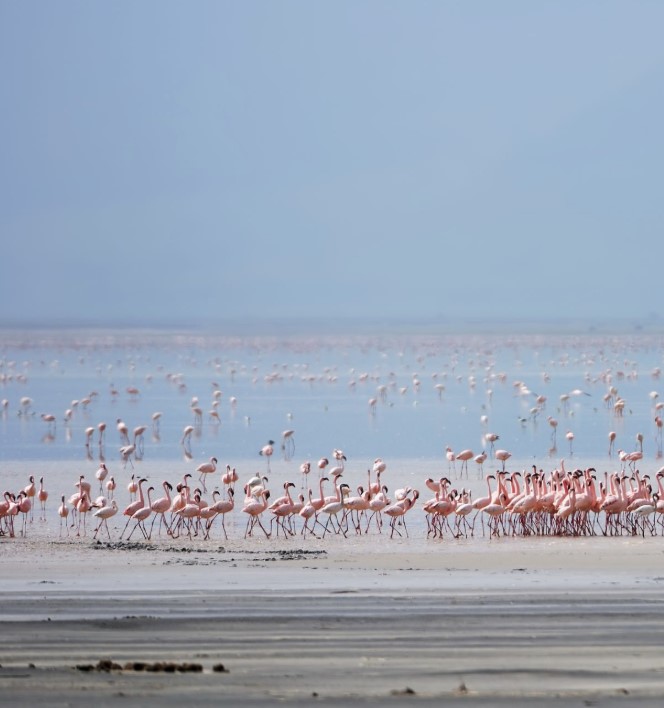
Lake Manyara: The park’s centerpiece, Lake Manyara, occupies a large portion of the park’s 330 square kilometers. The lake itself spans around 230 square kilometers when full, though its size can fluctuate depending on rainfall. The lake’s alkaline waters draw countless flamingos and other bird species, creating one of the best bird-watching experiences in the world.
-
The Rift Valley Wall: On the western side of the park, the towering cliffs of the Great Rift Valley rise sharply, offering stunning views over the lake and beyond. The wall’s presence makes Lake Manyara one of the few national parks where visitors can marvel at such dramatic geological formations and ecosystems in one setting.
-
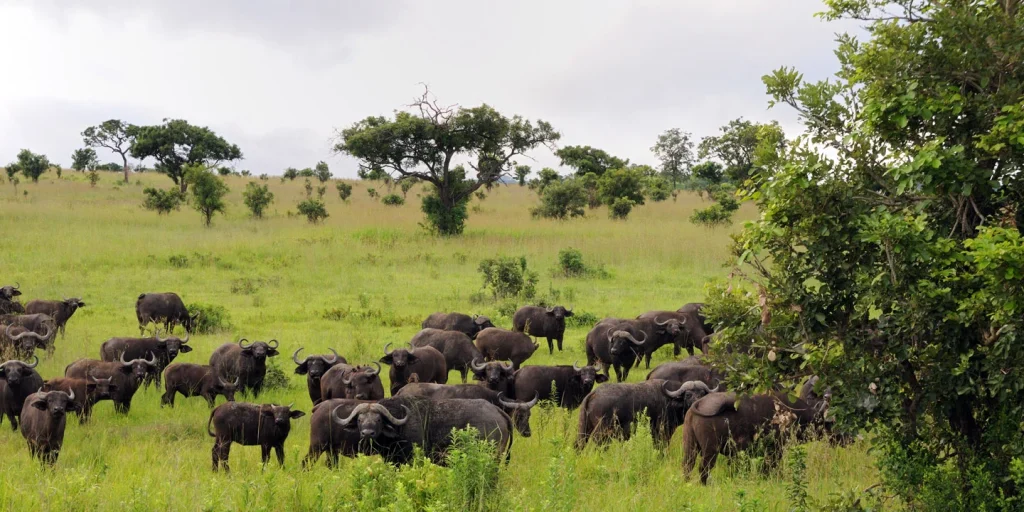
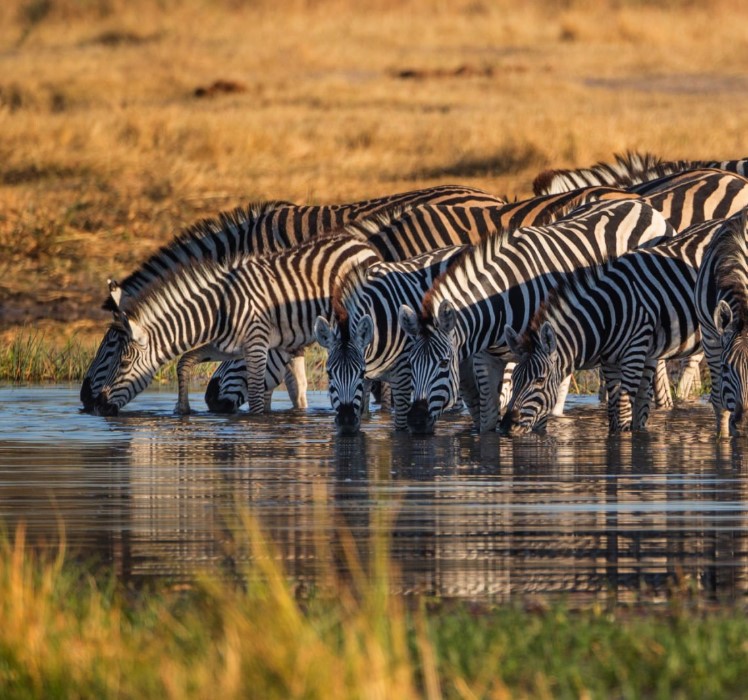
Savanna and Woodlands: Surrounding the lake are open savannas, dense woodlands, and grasslands. These areas are home to a wide variety of animals, including elephants, giraffes, and zebras, who roam the park in search of food and water. The size of the park allows these animals ample space to thrive.
Lake Manyara’s Compact Size: A Perfect Setting for Visitors
One of the key attractions of Lake Manyara National Park’s size is that, despite its relatively smaller area, it offers visitors a complete, multi-faceted safari experience. The compact nature of the park makes it accessible for tourists who may not have the time or desire to venture into the larger, more sprawling parks in Tanzania. The ease of access and the ability to experience so many diverse ecosystems in a single visit make Lake Manyara a hidden gem for those seeking an unforgettable adventure.
Its proximity to other famous parks like the Ngorongoro Crater and Serengeti also makes it a convenient stop for safari-goers traveling through northern Tanzania. Lake Manyara National Park’s manageable size ensures that visitors can explore it in a day or two while still enjoying everything it has to offer.
Wildlife and Flora of Lake Manyara National Park
The size of Lake Manyara National Park means that it plays a vital role in preserving some of the most iconic wildlife in Tanzania. The park’s diverse habitats provide sanctuary for a rich variety of species, from large mammals to tiny insects and an array of birds. Here are some highlights:
-
Birdlife: Lake Manyara is renowned for its birdlife, attracting over 400 species. The park is a prime destination for bird watchers, who can spot flamingos, pelicans, and a wide range of other waterfowl along the shores of the lake. The park’s size allows it to support vast populations of migratory birds, which stop here to feed and breed.
-
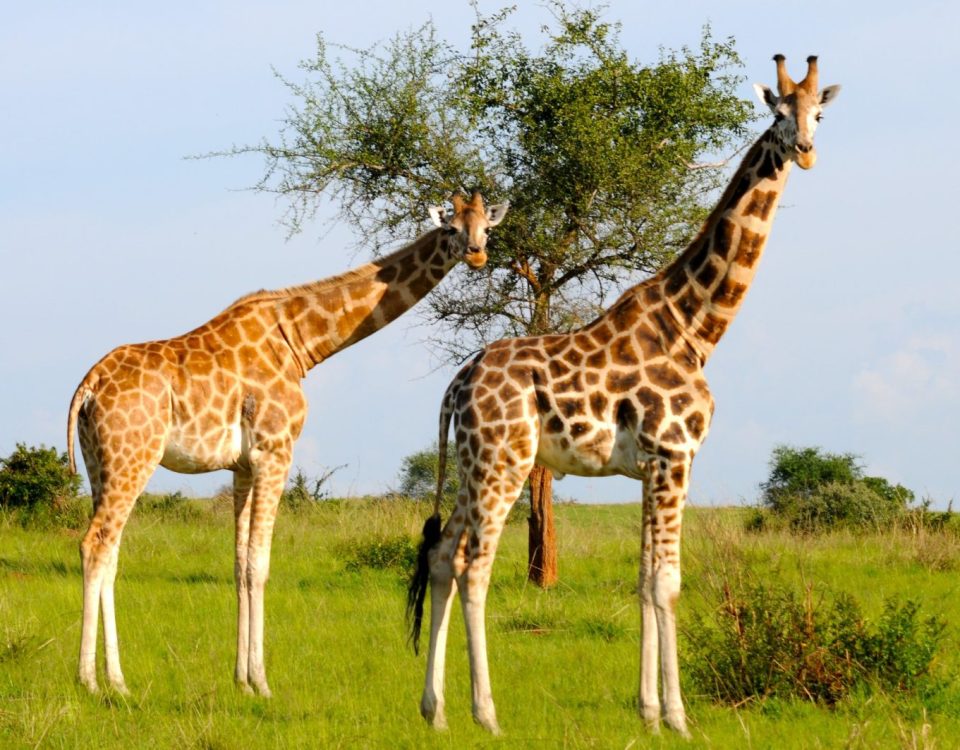
Elephants and Giraffes: Lake Manyara is home to both elephants and giraffes, with a notable population of elephants often seen strolling through the park. The park’s relatively small size makes it a wonderful place to observe these gentle giants up close as they traverse the landscapes.
-
Lions: Lake Manyara is also known for its tree-climbing lions, a rare and fascinating behavior observed in the park’s lion population. The trees and forests surrounding the lake give the lions an ideal place to seek refuge and warmth during the day.
-
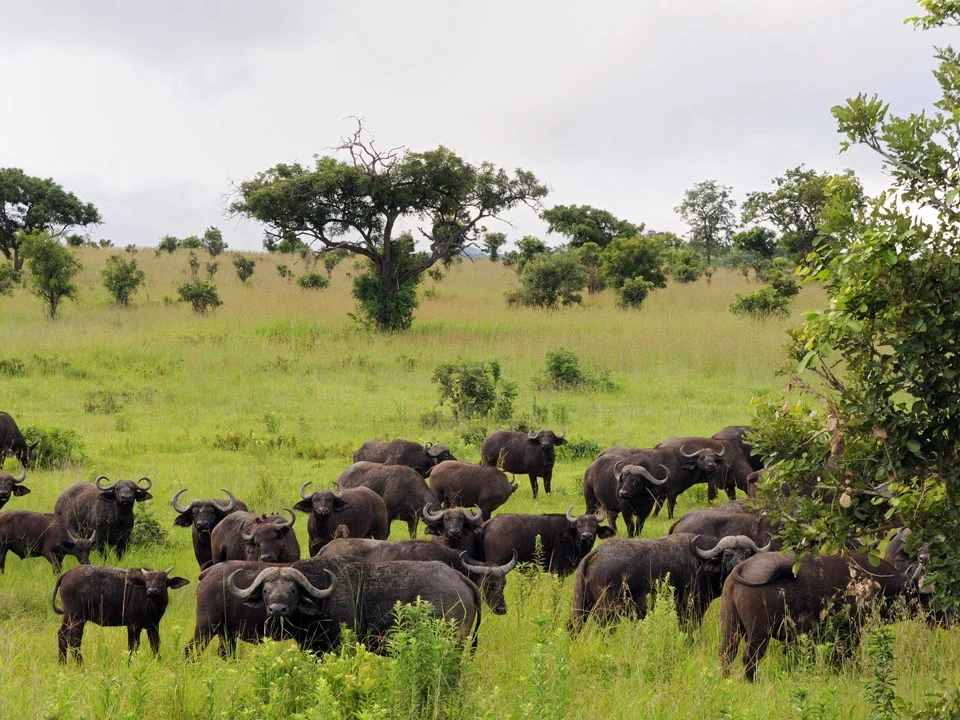
Other Mammals: The park is also home to a variety of other animals, including zebras, wildebeest, warthogs, and monkeys. The diverse plant life in the park provides food and shelter for these animals, and the availability of water from the lake sustains them year-round.
Best Time to Visit Based on Size and Climate
Lake Manyara National Park’s size also impacts its climate, which in turn affects the best time to visit. The park has a tropical climate, with distinct wet and dry seasons. The wet season, from March to May, can make parts of the park challenging to access, but the dry season from June to October offers the best wildlife viewing. During the dry months, animals gather around the remaining water sources, and visitors can see them in large numbers, making it the ideal time for safari.
Because of the park’s compact size, even during the busy tourist season, visitors don’t have to worry about overcrowding, as the park can handle a significant number of tourists while still offering an intimate experience with nature.
How Big Is Lake Manyara National Park? A Lasting Impact
At 330 square kilometers, Lake Manyara National Park is not the largest, but its significance lies in its incredible variety of ecosystems, its rich wildlife, and its accessibility to visitors. Its size allows it to provide an unforgettable experience, with everything from the lush forests to the vast savannas, all within one manageable space.
Whether you’re here for a short visit or a multi-day stay, the park’s size gives you the chance to explore its wonders fully, without feeling overwhelmed. And while its size may be small in comparison to Tanzania’s larger parks, Lake Manyara National Park continues to captivate travelers with its beauty, its wildlife, and its natural diversity.
For those seeking a nature-filled adventure in Tanzania, there’s no better place to visit than Lake Manyara where even the smallest of parks can leave the biggest impact.