What Is Weather Like in Ruaha? A Year-Round Guide to Tanzania’s Wild Heart
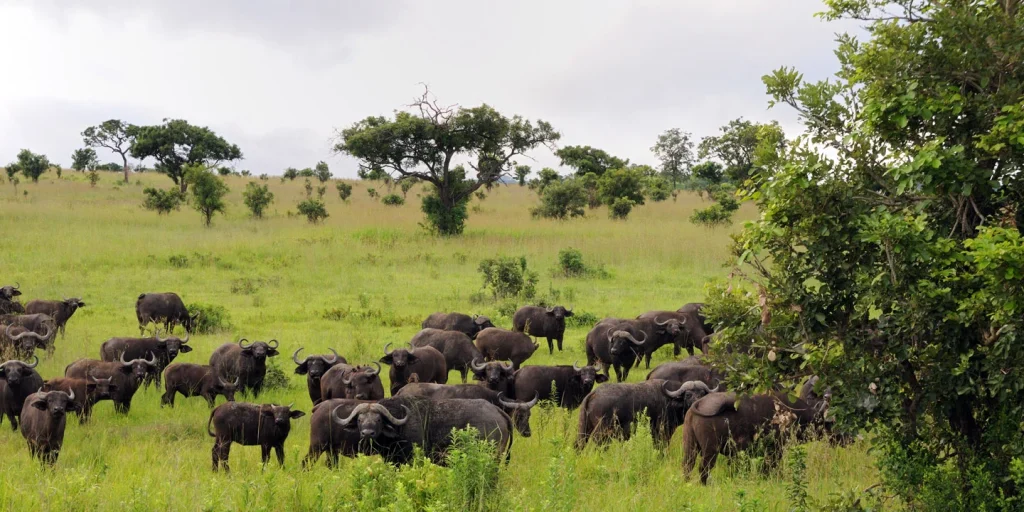
In the heart of southern Tanzania lies one of Africa’s last great wildernesses Ruaha National Park. A place so untouched, so raw in its beauty, that time seems to stand still among its baobab trees and riverine valleys. Ruaha is not just a sanctuary for elephants, lions, and rare antelopes; it is a world sculpted by the rhythms of nature, and the weather plays a central role in shaping every wild experience here. Understanding the weather in Ruaha is not just a matter of planning a safari it’s a journey into the heartbeat of the African bush.
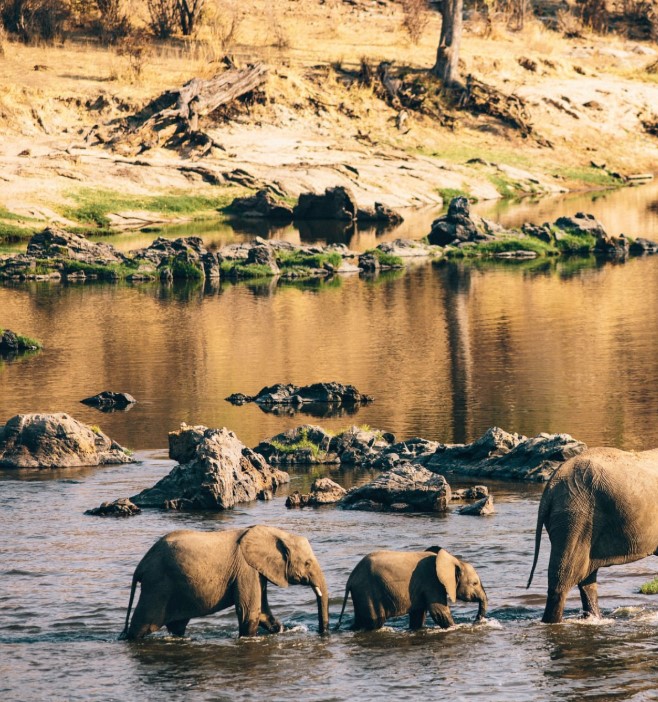
Whether you dream of golden sunsets over dry savannahs or lush green backdrops alive with birdcalls and blooming flora, Ruaha offers a weather palette as rich and captivating as its wildlife. This article guides you through Ruaha’s seasons, helping you understand the magic each one brings and why the weather is more than just a backdrop it’s part of the story.
Ruaha’s Climate: A Beautiful Contradiction
Ruaha is located in a transition zone between eastern and southern African ecosystems, which makes its climate quite unique. Unlike Tanzania’s coastal or highland regions, Ruaha experiences a semi-arid to tropical savannah climate. The temperatures can swing between pleasantly warm to intensely hot, depending on the time of year.
What truly defines Ruaha, however, is its seasonal variation rather than extreme temperatures. The year divides into two major seasons: the dry season and the wet season, each bringing its own rhythm, color, and wildlife drama.
The Dry Season: June to October – Safari at Its Peak
The dry season in Ruaha is a period of dramatic transformation. Beginning in June and stretching to October, this season draws back the green veil to reveal the golden bones of the landscape. The rivers shrink, waterholes become scarce, and the game-viewing becomes extraordinary.
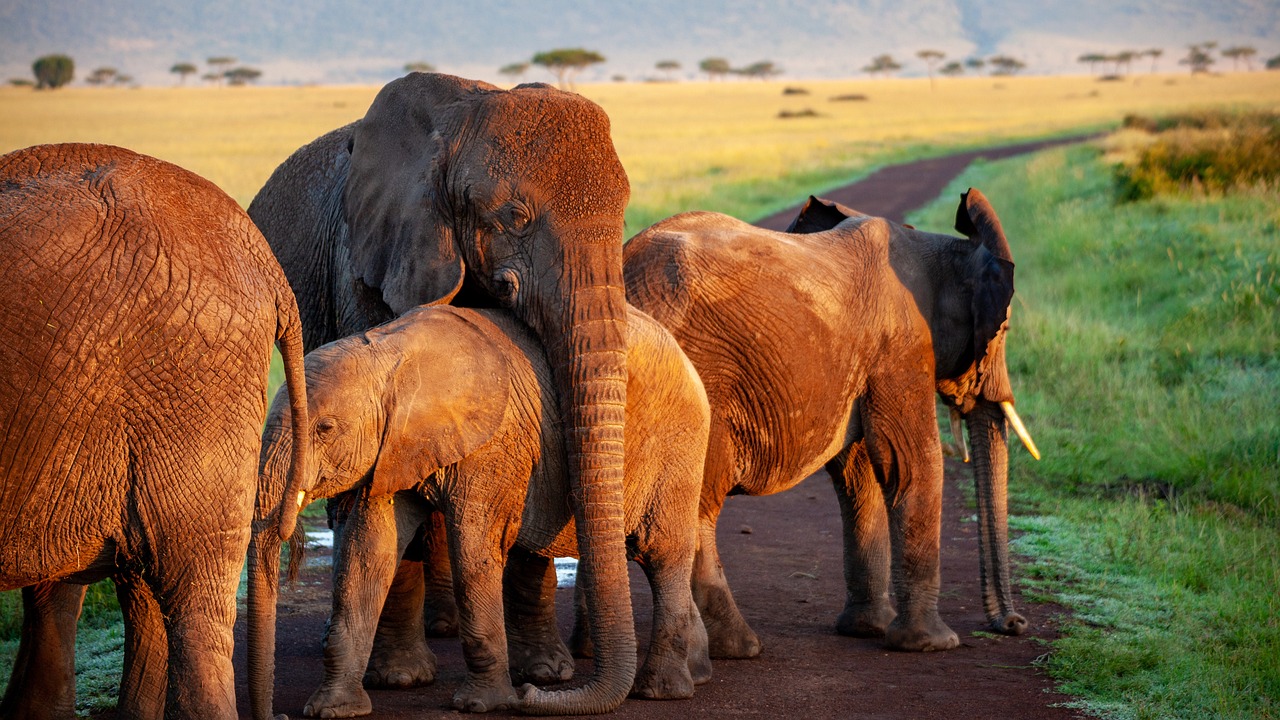
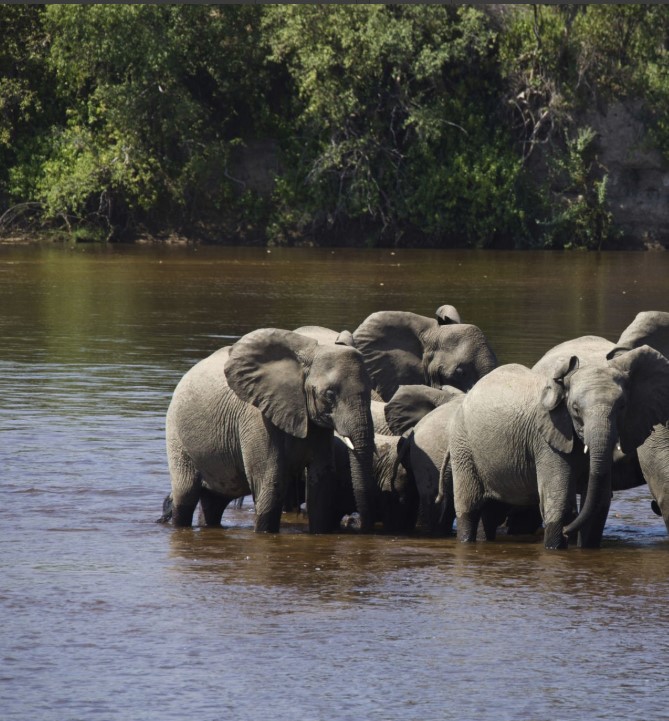
As the bush thins out, animals congregate near the remaining water sources especially around the Great Ruaha River. Elephants dig for water in dry riverbeds, prides of lions rest under acacia shade, and crocodiles lurk in shrinking pools. The days are warm and sunny, with daytime temperatures ranging from 25°C to 30°C (77°F to 86°F), while evenings are cool and comfortable.
June and July are the coolest months, especially in the mornings when you may need a jacket for early game drives. By August and September, the temperatures rise, and the bush becomes even drier, with golden tones dominating the scenery. Dust swirls in the afternoon breeze, giving photographs a warm, almost surreal glow.
This is the best time to visit Ruaha if your goal is classic big-game safaris, predator sightings, and clear skies. It’s also the park’s high season, so booking in advance is essential for lodges and camps.
The Green Season: November to April – The Wild in Bloom
When the rains return around November, Ruaha shifts gears entirely. The green season, also called the wet season, is a time of renewal, abundance, and unexpected beauty. Thunderstorms roll in across the horizon, dramatic and brief, and soon the land bursts into life.
The baobabs leaf out, the grasses grow tall, and wildflowers bloom in colorful displays. Rivers swell and birds return in their thousands—especially migratory species. This is a paradise for bird watchers, with over 570 species recorded in the park, many of which are seen only during this season.
Temperatures during the green season average between 28°C and 32°C (82°F to 90°F), with occasional spikes before the rains fall. The humidity rises slightly, but not to the levels experienced in more tropical regions of Tanzania like the coast or Zanzibar.
Calving season also takes place during this time, which means plenty of young animals and heightened predator activity. Lions, leopards, and wild dogs take full advantage of the newborns, making for thrilling sightings.
Unlike the northern parks of Tanzania, Ruaha sees fewer visitors during the green season. If you’re a photographer or a traveler seeking solitude, this is a fantastic time to experience the park’s raw beauty in peace. Roads can get muddy and some areas may become inaccessible, but for those who venture in, the rewards are immense.
The Shoulder Months: May and Early November – A Hidden Gem
May and early November serve as beautiful transitions between the dry and wet seasons. These shoulder months are often overlooked but can offer some of the most balanced safari conditions.
In May, the rains have just tapered off. The landscape is still green and lush, but animals begin to move more predictably toward reliable water sources. The park is quiet, the skies are clear, and photographic conditions are exceptional.
Early November, just before the full rains arrive, often brings short, refreshing showers. The bush is still dry, and visibility remains good, while temperatures start to rise. This in-between time can feel like catching the park mid-transformation raw, real, and exciting.
Packing for Ruaha’s Weather
Being prepared for Ruaha’s weather makes all the difference in enjoying your safari. Here are a few tips based on the season:
-
Dry Season: Pack layers. Mornings can be cool, but midday is hot. Neutral-colored clothing, a wide-brimmed hat, sunglasses, and plenty of sunscreen are essential. A light jacket or fleece is recommended for early game drives.
-
Green Season: Bring lightweight, breathable clothing that dries quickly, as occasional showers are expected. A waterproof jacket, insect repellent, and durable walking shoes will come in handy. Don’t forget your binoculars and camera gear if you’re into birdwatching or landscape photography.
The Magic of Ruaha’s Weather
Ruaha’s weather is more than a pattern of rainfall and sunshine. It’s an ever-changing rhythm that gives the park its pulse and personality. Every season brings a new story to life dry months of survival and raw encounters, wet months of birth and rejuvenation.
There is no “wrong” time to visit Ruaha. It all depends on what you seek. Whether it’s lion cubs hiding in tall grasses, herds of elephants marching through golden dust, or the haunting call of a fish eagle echoing across swollen rivers, Ruaha always delivers something unforgettable.
This is a place where weather doesn’t just influence the scenery it defines the experience. You don’t just come to Ruaha to escape. You come to feel alive, attuned to nature’s rhythm, humbled by her power, and awed by her beauty.