Food Safety on Kenya Safaris: What Every Traveler Should Know
Embarking on a safari in Kenya is an exciting adventure, promising close encounters with wildlife, breathtaking landscapes, and rich cultural experiences. However, while planning the perfect safari itinerary, one essential aspect often overlooked is food safety. Ensuring safe and hygienic food and water consumption is critical for a healthy and enjoyable safari experience. In this comprehensive guide, we explore everything you need to know about food safety on Kenya safaris-from best practices, common risks, safe foods, trusted lodges, traveler tips, and how safari operators in Kenya are maintaining international standards.

Why Food Safety Matters on Safari
Foodborne illnesses can quickly turn a dream safari into a nightmare. Symptoms such as diarrhea, vomiting, stomach cramps, or fever can severely disrupt your ability to enjoy game drives, cultural visits, and even transportation across Kenya’s national parks. Safari locations are often remote, with limited access to healthcare. Therefore, food safety is not just a matter of comfort-it’s essential to overall well-being during your trip.
Common Food-Related Risks in Kenya
When traveling in Kenya, especially in rural or wilderness settings, you may encounter the following food safety concerns:
- Contaminated Water: Tap water is not always safe to drink. It may contain bacteria or parasites unfamiliar to a traveler’s system.
- Improper Food Handling: In some places, hygiene standards may differ from international expectations.
- Raw or Undercooked Foods: Uncooked meats, eggs, or dairy may pose a health risk.
- Unwashed Fruits and Vegetables: Produce that hasn’t been properly cleaned or peeled may carry bacteria.
- Street Food: While tempting and flavorful, street food is often cooked or stored in unhygienic conditions.
Choosing Safe Safari Lodges and Camps
Reputable safari lodges in Kenya prioritize hygiene and cater to international tourists who expect high food safety standards. When selecting accommodation, look for the following:
- Reputation and Reviews: Choose camps and lodges with good food hygiene feedback.
- Food Preparation Certification: Many upscale lodges have chefs trained in food safety.
- Filtered or Bottled Water: Ensure the property offers safe drinking water and ice made from purified sources.
- Buffet vs. A La Carte: A la carte meals often have fewer risks than large buffet spreads, which can harbor bacteria if not kept at the right temperatures.
Some well-known camps with strong food safety records include:
- Governors’ Camp Collection – Maasai Mara
- Elewana Collection – Various Parks
- Kicheche Camps – Laikipia and Mara
- Sarova Lodges – National Parks and Reserves
- Angama Mara – Maasai Mara
What Foods Are Generally Safe on Safari?
While enjoying your safari, you can safely eat:
- Cooked Vegetables and Meats: Avoid raw or undercooked dishes.
- Fruits with Peels: Bananas, oranges, or avocados are safer than unpeeled fruit.
- Packaged Snacks: Trusted brands are usually safe.
- Boiled or Filtered Water: Use bottled or boiled water for drinking and brushing teeth.
- Bread and Grains: Cooked rice, pasta, and bread are generally safe.
Foods and Drinks to Avoid
For food safety on Kenya safaris, avoid:
- Raw salads unless from a reputable lodge
- Unpasteurized dairy products
- Tap water, including ice from unknown sources
- Undercooked eggs or meat
- Shellfish and sushi
- Milkshakes or fruit juices from roadside vendors
Special Diets and Food Allergies
Kenyan safari lodges are increasingly attentive to special dietary needs. Whether you are vegan, vegetarian, gluten-free, or have allergies, inform your safari operator in advance. Most luxury lodges provide:
- Customized menus
- Allergen labeling
- Use of separate cookware for allergy-sensitive meals
Tour companies like All in Africa Safaris help coordinate dietary requirements with chefs well in advance.
Safari Operator Responsibilities
Top safari operators prioritize your health by:
- Partnering with safe lodges and camps
- Vetting kitchen hygiene practices
- Ensuring fresh supplies and clean water sources
- Providing guest health information and medical support access
Operators like All in Africa Safaris also ensure vehicle-based meals (picnics and bush lunches) are stored in hygienic conditions.
Hygiene Tips for Travelers
You can also play a role in maintaining food safety by following these tips:
- Wash hands regularly with soap or carry hand sanitizer
- Avoid touching your face after handling wildlife or money
- Peel your fruit when in doubt
- Bring water purification tablets as backup
- Check food temperature-hot food should be hot, cold should be cold
Handling Water Safely
Water is a significant concern in food safety. Here’s how to manage it:
- Drink only sealed bottled water
- Use bottled water for tooth brushing
- Avoid drinks with unknown ice sources
- Carry reusable filtered water bottles (such as LifeStraw or Grayl)
Most lodges will supply bottled or filtered water, and some offer solar sterilization systems.
Common Traveler’s Illnesses and Prevention
The most common illnesses from unsafe food include:
- Traveler’s Diarrhea: Often caused by E. coli or other bacteria
- Giardiasis: A parasitic infection from water
- Salmonella or Typhoid: From contaminated food or drinks
- Hepatitis A: Spread through poor hygiene or contaminated food
To prevent these:
- Get necessary vaccinations (Hepatitis A, Typhoid)
- Follow strict hand hygiene
- Stick to safe foods and water sources
First Aid and What to Pack
If you get sick on safari, immediate care is essential. Pack a travel medical kit that includes:
- Oral rehydration salts
- Anti-diarrheal medication (e.g., loperamide)
- Electrolyte tablets
- Activated charcoal
- A digital thermometer
- Antibacterial hand gel
- Prescribed antibiotics for bacterial infections (consult your doctor)
Safari vehicles and lodges typically carry first aid kits and know the nearest clinic locations.
FAQs About Food Safety on Safari
Q: Is street food safe in Kenya?
A: While it offers cultural insight, it can be risky due to handling practices. Stick to places with high turnover and visible cleanliness.
Q: Can I drink coffee or tea in the lodges?
A: Yes, as these are made with boiled water. Confirm with your host if you’re unsure.
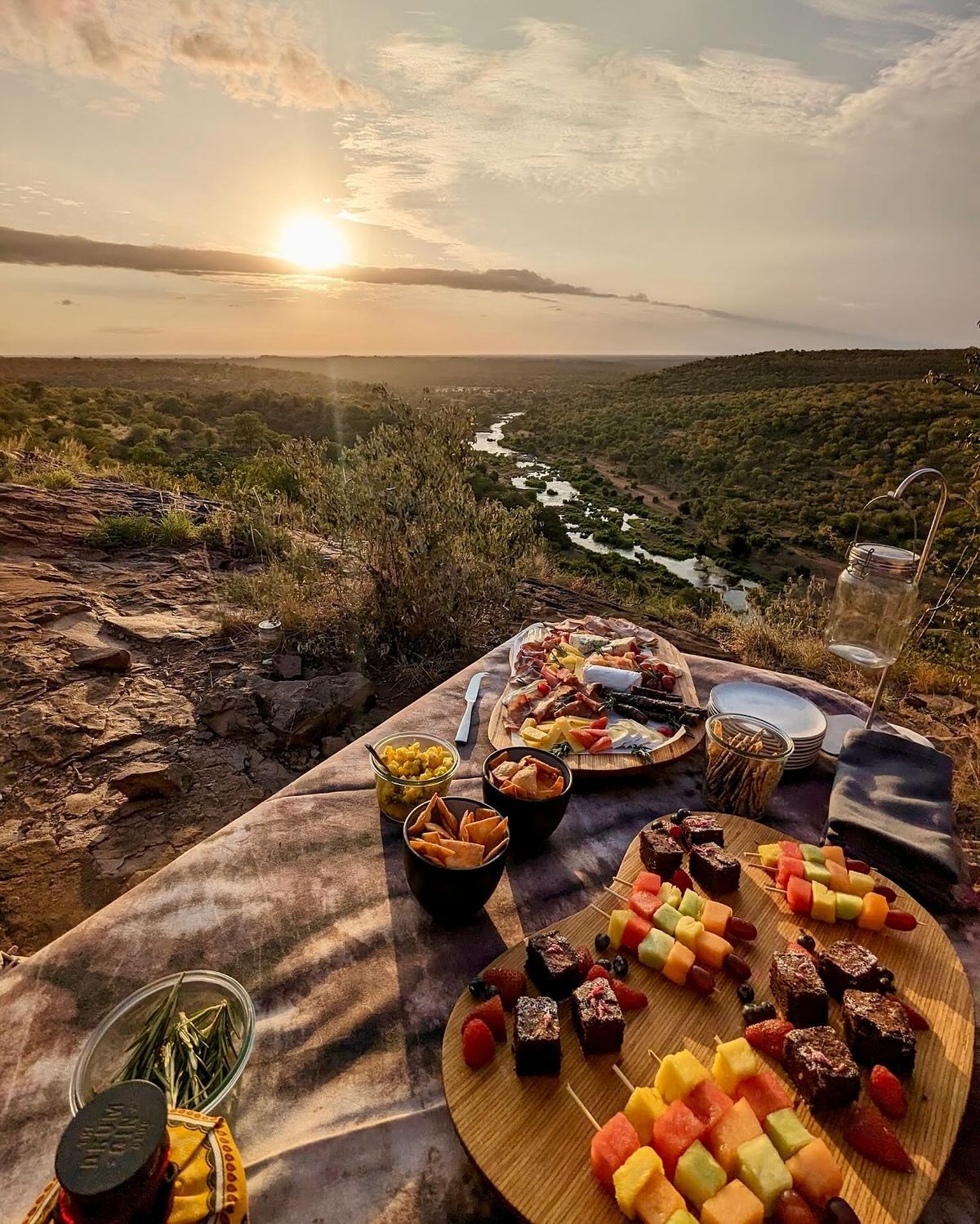
Q: Are safari picnics safe?
A: Yes, if provided by reputable operators who follow food safety protocols. Always ask how the food was prepared and stored.
Q: What should I do if I get food poisoning?
A: Rest, hydrate with electrolyte solutions, and notify your safari guide or lodge manager. Seek medical help if symptoms persist.
Food safety on Kenya safaris is a manageable concern with the right preparation, awareness, and choice of partners. Modern safari operators and lodges understand international hygiene standards and are well-equipped to provide nutritious, delicious, and safe meals in the bush.
By practicing good personal hygiene, choosing reputable accommodations, and avoiding risky foods or water sources, travelers can enjoy Kenya’s extraordinary wildlife and culture without the fear of falling ill.
Let your safari memories be filled with thrilling game drives and amazing landscapes-not trips to the clinic. Stay informed, stay hydrated, and savor every bite safely.
Recommended Tours: 8 Days Kenya Wildlife Safari | 4 Days Amboseli & Masai Mara