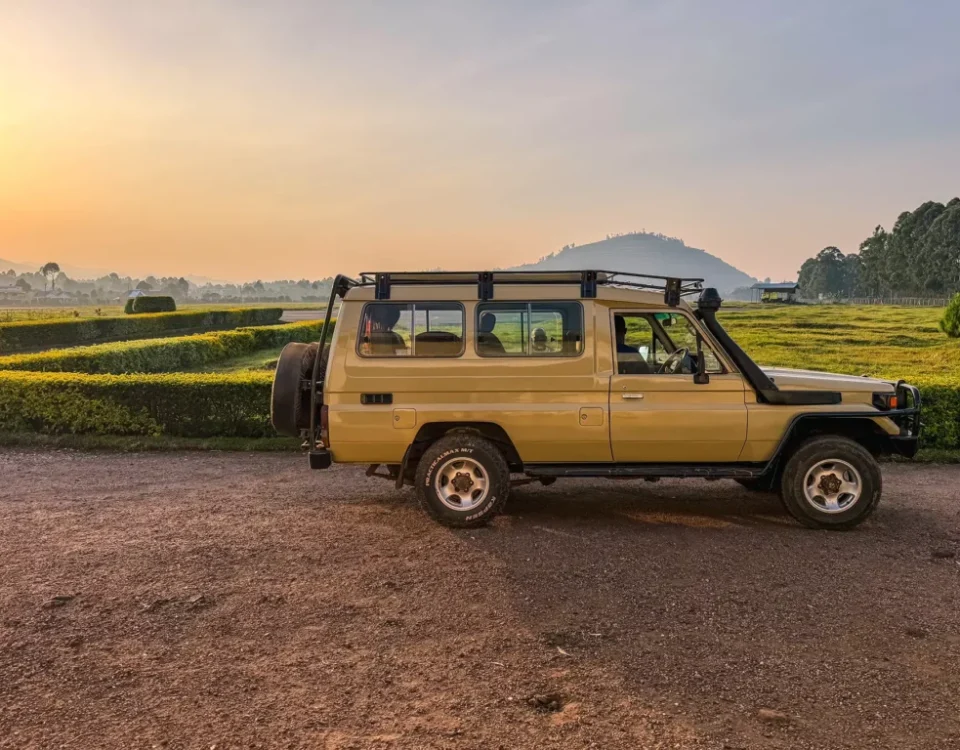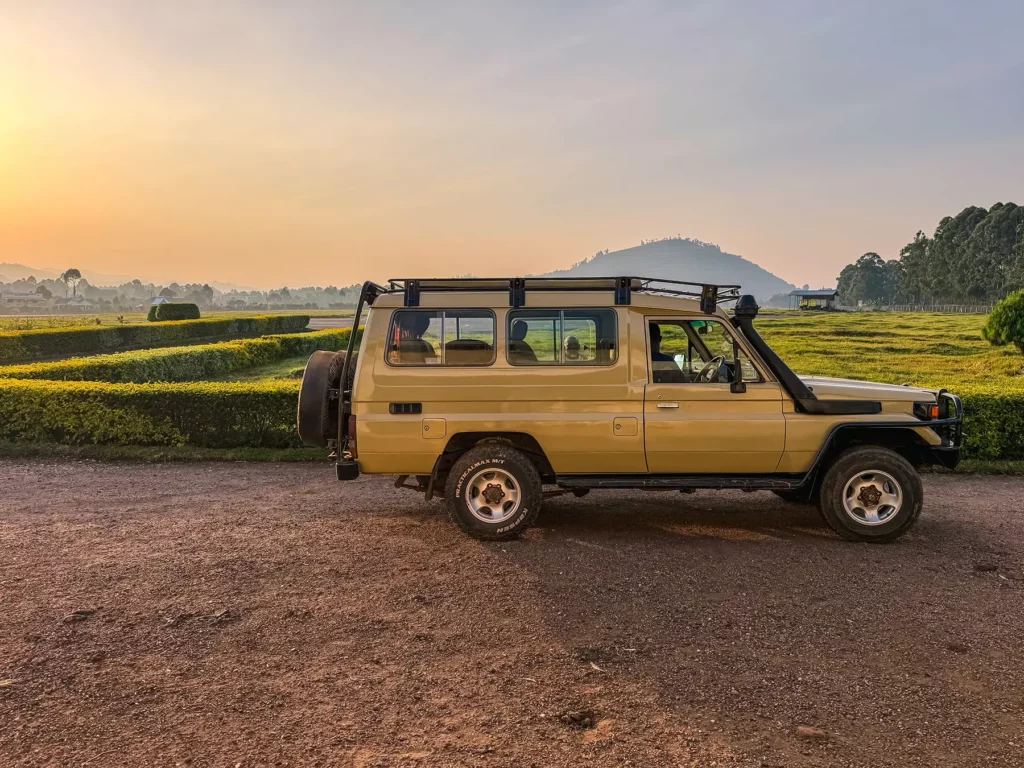

Packing for an East Africa safari is less about bringing a lot of gear and more about bringing the right gear in the right quantities, since most itineraries mix game drives, forest walks, lodge evenings, and the occasional chilly morning all within the same week. This guide walks through a complete packing list organized the way a suitcase actually gets used, from what goes on the body during a dusty afternoon game drive to what sits in a day pack for a forest walk.
Clothing That Works for Game Drives and Forest Walks
Neutral colors form the backbone of a safari wardrobe, and this is one of the few pieces of packing advice that is genuinely practical rather than just tradition. Khaki, olive, tan, and muted greens blend into the bush and photograph well, while bright colors and pure white draw attention from animals and show dust quickly. Blue and black are worth avoiding specifically on any itinerary that includes tsetse fly zones, since both colors are known to attract the insects, which deliver a notably painful bite. Layering matters more than any single garment choice, since a single day in the region can swing from a cold pre-dawn game drive to a hot midday sun to a cool evening at altitude. A lightweight long-sleeved shirt, a breathable short-sleeved layer underneath, a light fleece or soft-shell jacket, and a packable rain shell together cover the vast majority of conditions travelers encounter across Kenya, Uganda, Rwanda, and Tanzania.
Trousers that can be worn for several days without looking worn out are more useful than a large number of outfits, and quick-drying fabrics matter enormously given that lodge laundry services, while common and inexpensive across the region, are not always available on tight-turnaround itineraries. Travelers heading into gorilla trekking territory specifically should pack long trousers and long sleeves regardless of temperature, since dense forest vegetation, nettles, and biting insects make bare skin impractical on the trail itself.
Footwear for Mixed Terrain
A single pair of sturdy, broken-in closed-toe walking shoes or light hiking boots covers most safari activities, including game drives, camp walks, and moderate forest trails. Waterproof or water-resistant footwear is worth prioritizing over pure hiking performance for travelers whose itinerary includes any forest trekking, since equatorial rain showers arrive with little warning even outside the official rainy season. A second, lighter pair of shoes or sandals for evenings at the lodge gives tired feet a break after a long day and dries out a sweaty primary pair overnight. Flip-flops for showers at budget and mid-range accommodations round out a sensible footwear kit without adding meaningful bulk to a suitcase.
Health, Sun, and Insect Protection
Broad-spectrum sunscreen with a high SPF is essential given how strong equatorial sun is even on overcast days, and reapplication through the day matters more here than in most other climates. A wide-brimmed hat or a cap with neck coverage protects against sun exposure during long open-vehicle game drives, while polarized sunglasses cut glare during midday drives and make wildlife easier to spot against bright savannah light. Insect repellent containing DEET is worth packing in a size larger than seems necessary, since mosquito exposure is a genuine health consideration across the region and repellent is not always readily available at remote lodges.
A basic personal first aid kit, prescription medications in their original labeled containers with a doctor’s note for anything unusual, and a course of any preventive medication a doctor has prescribed, such as antimalarial tablets, all belong in a carry-on rather than checked luggage, given how disruptive a delayed bag becomes if it is carrying essential medication. Travelers wanting a more complete breakdown of what a dedicated medical kit should include can find more detail in a companion guide on building a safari first aid kit, since packing lists and medical kits, while related, serve slightly different purposes and deserve separate attention.
Altitude and Cold-Morning Considerations
Certain legs of an East Africa itinerary run genuinely cold, particularly pre-dawn game drives in open vehicles, early starts for gorilla trekking at altitude in Bwindi or Volcanoes National Park, and anything involving the Rwenzori or Virunga highlands. A packing list built only around hot-weather safari days will leave a traveler shivering on these mornings. This complete list covers the general case; travelers whose itinerary leans heavily toward high-altitude starts should read the dedicated guide to cold-weather morning packing for a more detailed breakdown of thermal layers, gloves, and warm headwear suited specifically to those conditions.
Electronics and Documents
A camera with a reasonably long zoom lens makes a meaningful difference in wildlife photography compared to a phone camera alone, though a phone remains perfectly adequate for casual documentation and video. Extra batteries or a portable power bank matter enormously given that charging access on multi-day mobile camping safaris can be limited to a few hours around dinner. Universal travel adapters suited to the plug types used across Kenya, Uganda, Rwanda, and Tanzania are worth packing two of, since lodges and vehicles often have limited outlets shared among a full group of guests.
Passports with at least six months of validity remaining, printed and digital copies of visa approvals, yellow fever vaccination certificates, travel insurance documents, and safari or gorilla trekking permit confirmations should all travel together in a single, easily accessible folder, both as physical printouts and as photographs or PDFs saved on a phone. Immigration officers and park ranger stations across the region still frequently prefer to see a physical document rather than a screen, and having both formats avoids being caught out by a dead phone battery at a critical checkpoint.
Bags and Luggage Format
Soft-sided duffel bags are strongly preferred over hard-shell suitcases for any itinerary involving light aircraft transfers between parks, since small charter planes have strict, often tight, luggage compartments that hard cases simply do not fit into. Weight limits on these internal flights are typically lower than international baggage allowances, commonly in the fifteen-kilogram range including hand luggage, so packing efficiently is not just a comfort consideration but sometimes a hard operational requirement. A separate day pack for game drives and forest walks, sized to carry water, a camera, a light layer, and snacks, is worth packing even on itineraries that otherwise travel light.
Extras Worth Considering
A reusable water bottle reduces single-use plastic waste, which many lodges and conservation areas across the region are actively trying to cut down on, and most accommodations provide filtered or boiled water for refilling. Binoculars make a considerable difference to game drive enjoyment, particularly for bird-watching or spotting distant predators, and are worth packing even for travelers who do not consider themselves dedicated birders. A lightweight travel towel, earplugs for nights near vocal wildlife or early-rising lodge staff, and a small dry bag for protecting electronics during boat safaris or unexpected rain round out a genuinely complete kit without pushing luggage into overweight territory.
Finally, packing a little lighter than instinct suggests is almost always the right call on an East Africa trip. Laundry service is widely available, weight limits on internal flights are real constraints, and most travelers find they use a smaller rotation of practical, neutral-colored items far more than the extra outfits and gadgets that seemed essential while packing at home.
What Not to Pack
Camouflage-patterned clothing is restricted or outright prohibited for civilians in several East African countries, including Uganda and Tanzania, where it is legally reserved for military use, and travelers arriving with camouflage items have occasionally had them confiscated at customs. Heavy, hard-shell suitcases cause more problems than they solve given the light aircraft luggage restrictions already mentioned, and they are also simply harder to maneuver in and out of safari vehicles on rough roads. Excess formal wear rarely gets used outside of a handful of upscale lodges with a dinner dress code, and most travelers find one slightly smarter outfit is plenty for the entire trip. Strongly scented perfumes, colognes, and heavily fragranced toiletries are worth leaving at home too, since strong scents can affect wildlife behavior on game drives and are simply unnecessary in a climate where most days involve dust, sweat, and long hours outdoors regardless of preparation.
Organizing a Suitcase for a Multi-Country Itinerary
Packing cubes make an outsized difference on trips that combine several countries and accommodation types in a short window, since they allow a traveler to grab a day or two of clothing without unpacking an entire duffel bag at each new lodge. Separating trekking-specific gear, such as gaiters, gloves, and a rain shell, into its own cube or dry bag makes it easy to hand off to a porter on a gorilla trekking morning without digging through unrelated items. A dedicated pouch for chargers, adapters, and cables prevents the common frustration of a single missing cable derailing an entire evening’s photo backup routine. Vacuum-sealed compression bags are useful for bulkier cold-weather layers needed only for a day or two of a longer, warmer trip, freeing up meaningful space for the rest of the itinerary.
Itineraries that combine highland gorilla trekking with a coastal extension in Zanzibar or along the Kenyan coast present a particular packing challenge, since the climate needs are almost opposite: warm layers and waterproof boots for the forest, swimwear and light breathable fabrics for the beach. Packing both halves of the kit and using compression bags or packing cubes to keep them separate, rather than trying to find pieces that serve both purposes, produces a far more comfortable trip than attempting to minimize luggage by choosing compromise items that work poorly in either setting.